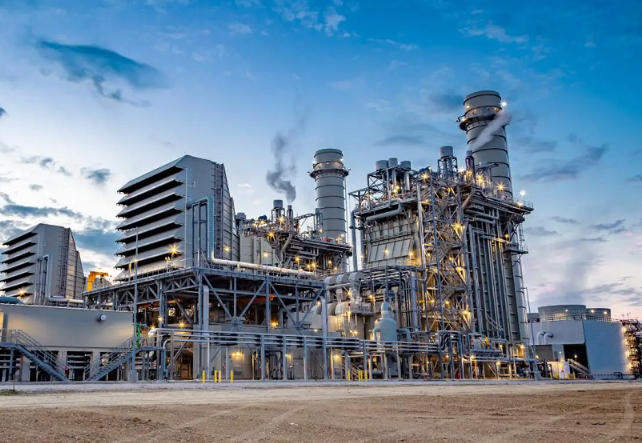
Against the backdrop of accelerating global electrification, high and low voltage electrical assemblies are evolving from conventional power distribution equipment into critical infrastructure for grid expansion, industrial power upgrades and renewable energy integration. The International Energy Agency expects global electricity demand to grow at an average annual rate of 3.6% from 2026 to 2030, driven mainly by industry, electric vehicles, air conditioning and data centers. At the same time, global grid investment needs to rise to more than USD 600 billion per year by 2030, with a strong focus on digitalizing distribution grids, upgrading aging networks and improving renewable energy hosting capacity.
Under this trend, demand for High and Low Voltage Electrical Assemblies is no longer limited to individual factories or building projects. It is being driven by structural upgrades across the entire power system. High-voltage assemblies are used for power connection, distribution, protection and isolation in substations, industrial parks, renewable energy step-up stations and large public facilities. Low-voltage assemblies directly serve end loads, including distribution rooms, production lines, commercial complexes, data centers and building systems. Together, they determine the safety boundary, expansion capability and fault isolation efficiency of power supply systems.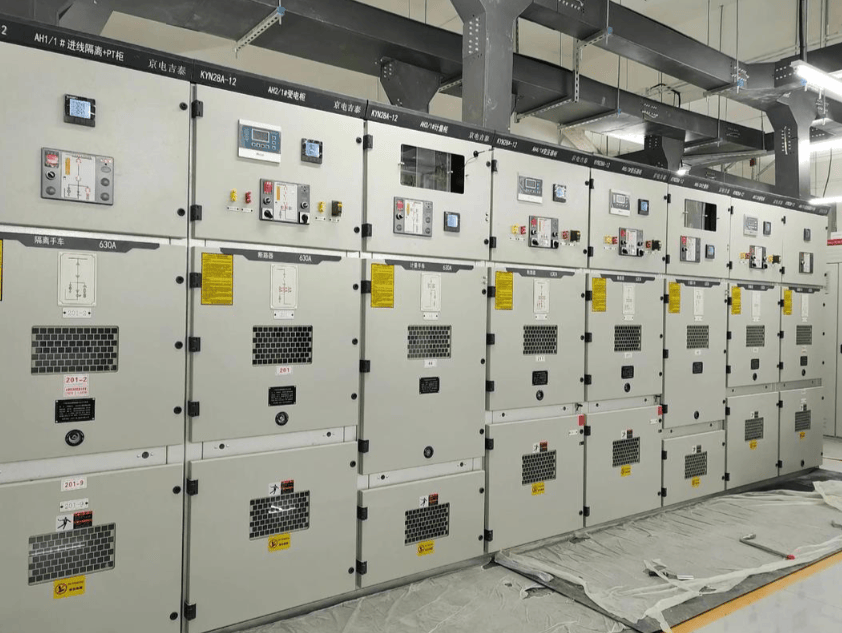 Market data also show sustained growth. Grand View Research estimates that the global switchgear market was valued at about USD 112.99 billion in 2025 and is projected to reach USD 197.68 billion by 2033, with a CAGR of around 7.4% from 2026 to 2033. Key drivers include smart grid development, infrastructure replacement and accelerated electrification.
However, industry growth also reveals practical problems. Many projects still treat high and low voltage assemblies as late-stage procurement items, selecting them only after civil works, transformer plans and cable routes are largely fixed. This can lead to insufficient cabinet dimensions, short-circuit capacity, busbar ratings, protection configuration, communication interfaces and expansion space. In industrial parks, charging stations, data centers and renewable energy projects, load growth often exceeds early design assumptions. If assemblies lack spare capacity and digital interfaces, retrofit costs can be much higher than early-stage optimization costs.
A more professional approach is to move assembly selection into the power planning and preliminary design stages. Project owners should complete load forecasting, short-circuit current calculation, selective protection coordination, power quality assessment, cabinet expansion planning and intelligent monitoring interface design at the same time. For projects with clear future load growth, equipment should not be configured only for current demand. A better strategy is reasonable current investment plus reserved long-term expansion capability.
In the future, competition in high and low voltage electrical assemblies will not depend only on price and delivery time. Safety, standardization, intelligence and full life-cycle maintainability will become decisive. Suppliers that can upgrade equipment from “distribution cabinets” into power nodes that are measurable, communicable, maintainable and expandable will gain a stronger position in the next round of grid modernization.