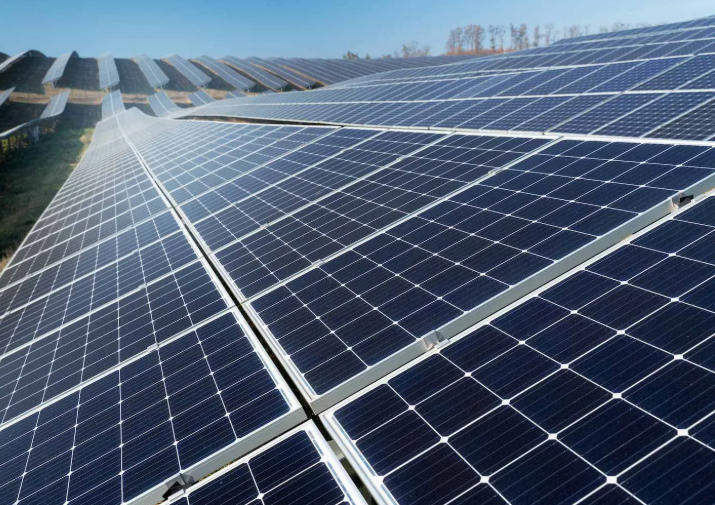
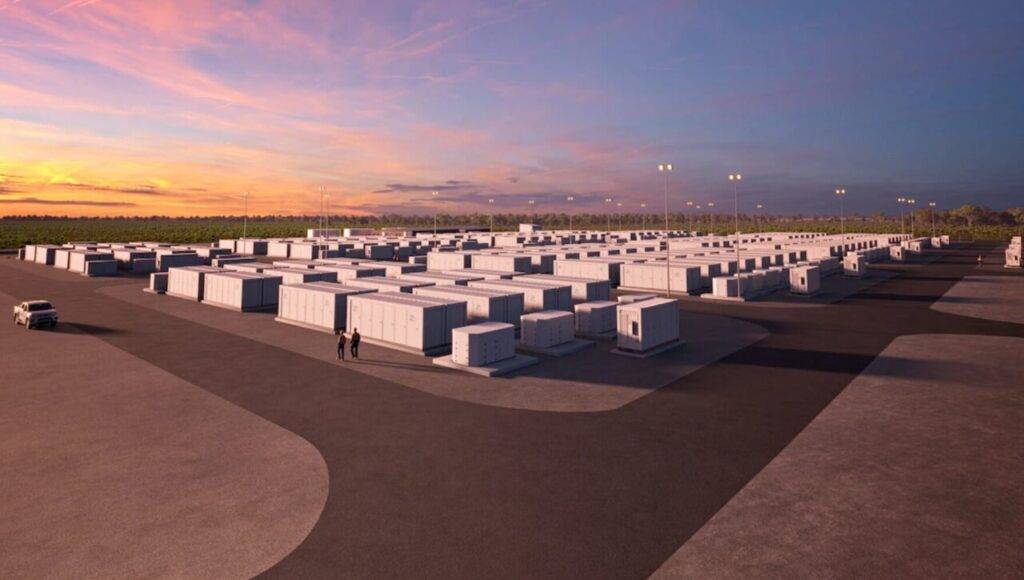
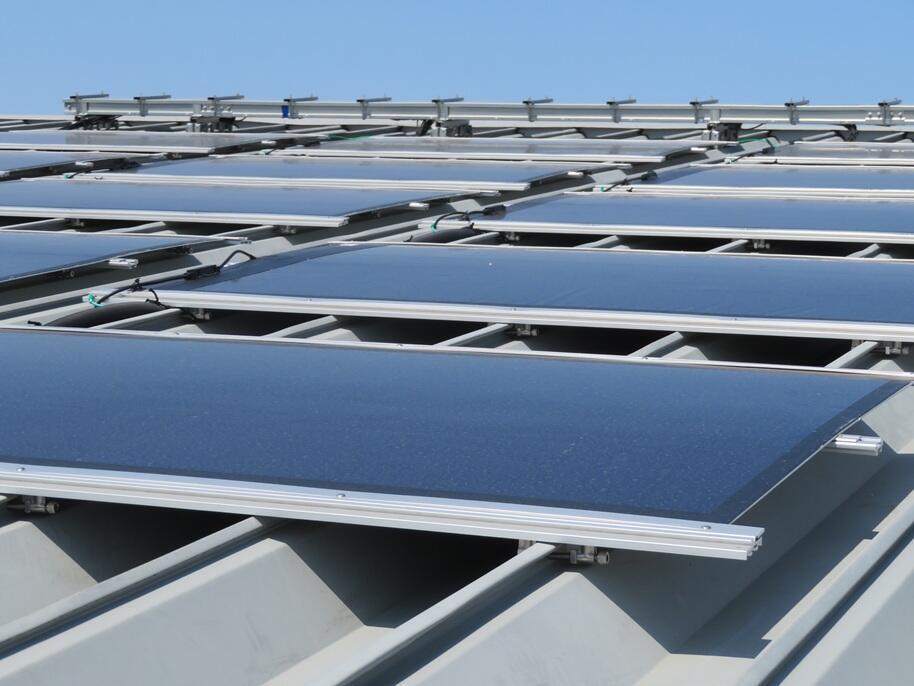
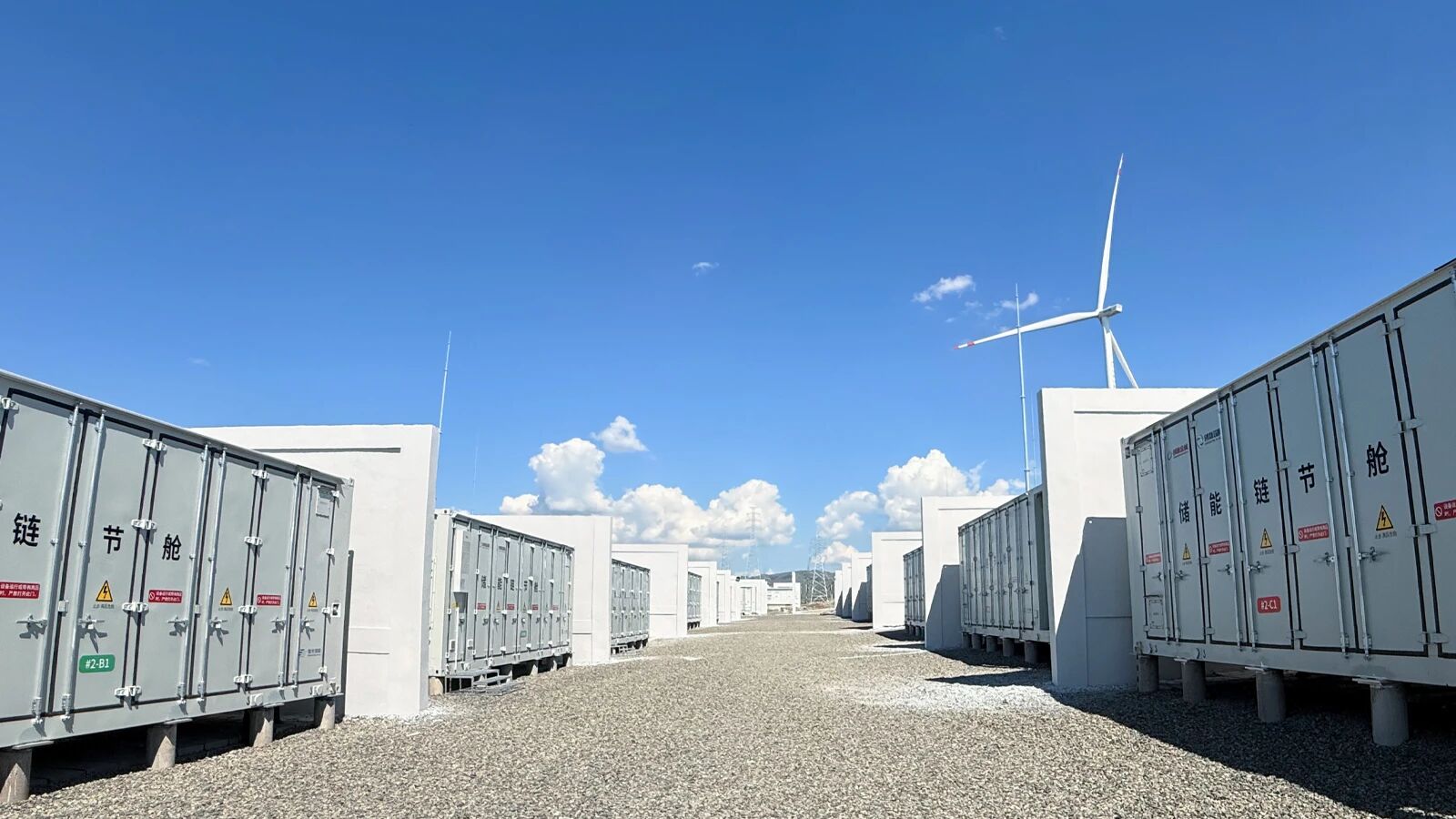
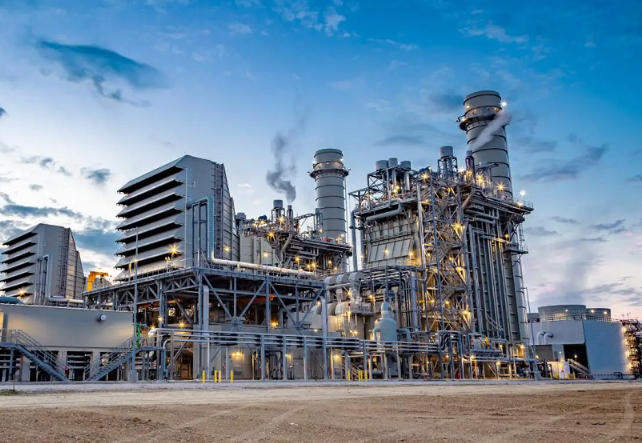
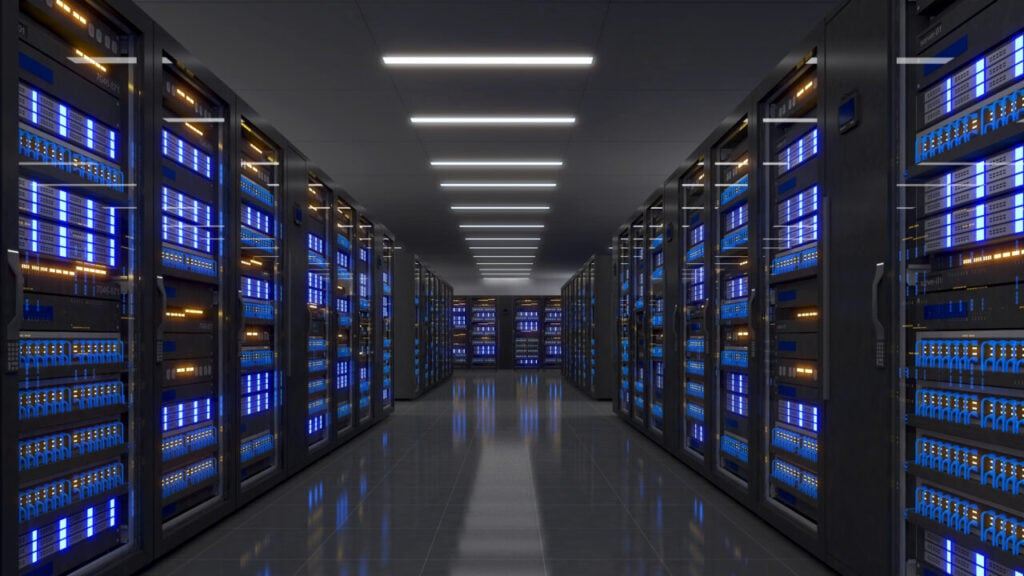
Large-scale renewable energy integration is changing the design logic of high and low voltage electrical assemblies. In the past, distribution systems were largely designed around one-way power flow from the source side to the load side. Switchgear and distribution cabinets mainly performed distribution, protection and isolation functions. With the rapid growth of wind power, solar PV, energy storage and charging facilities, however, reverse power flow, frequent power fluctuations, voltage variation and harmonics are becoming more common. This requires High and Low Voltage Electrical Assemblies to provide stronger dynamic adaptability.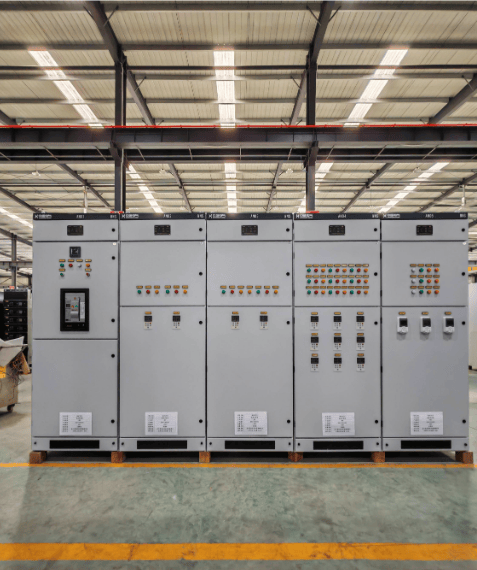 The International Energy Agency notes that global electricity demand will continue to grow strongly from 2026 to 2030, driven by renewables, electric vehicles, data centers and industrial electricity use. At the same time, grids are becoming a critical bottleneck for connecting generation, demand and storage, with many renewable energy, storage and large-load projects facing delays due to insufficient grid connection capacity.
In renewable energy projects, high-voltage assemblies are mainly used in step-up stations, collector circuits, grid-connection switchyards and transformer incoming and outgoing bays. Low-voltage assemblies support inverter systems, energy storage converters, auxiliary power, monitoring systems and station service systems. They are not merely switching devices; they are essential for stable grid connection, fast fault isolation and dispatch compliance.
The first technical focus in renewable energy applications is short-circuit capacity and protection coordination. Wind and solar resources are connected through power electronic devices, whose fault current characteristics differ from traditional synchronous generators. If protection devices are configured based on conventional generator models, insufficient sensitivity, poor selectivity, false trips or failure to trip may occur. Therefore, assembly selection should be checked against inverter type, connection capacity, short-circuit ratio at the grid connection point, protection settings and communication protocols.
The second focus is power quality. PV inverters, storage converters and variable-frequency loads may introduce harmonics, voltage flicker and three-phase imbalance. If components, busbars, circuit breakers and metering units inside the cabinets are not selected for these operating conditions, excessive temperature rise, false alarms and shortened service life may result. For wind-solar-storage projects, power quality monitoring, voltage and current acquisition, harmonic analysis and remote alarm functions should be treated as basic configurations, not optional extras.
The third focus is environmental adaptability. Renewable energy bases are often located in deserts, Gobi regions, coastal areas, cold regions and high-altitude zones. High and low voltage assemblies must be selected with suitable enclosure protection, corrosion resistance, temperature-rise margin and insulation level. In sandy, salt-fog, humid or low-temperature environments, cabinet sealing, dehumidification, anti-condensation design and maintainability directly affect long-term reliability.
Therefore, renewable energy projects should not purchase high and low voltage assemblies based only on price and cabinet type. Grid-connection adaptability, power quality, environmental protection, remote monitoring and maintainability should all be evaluated. In the future, renewable energy competitiveness will depend not only on installed capacity, but also on system stability and dispatchability. High and low voltage electrical assemblies are key infrastructure supporting that transition.