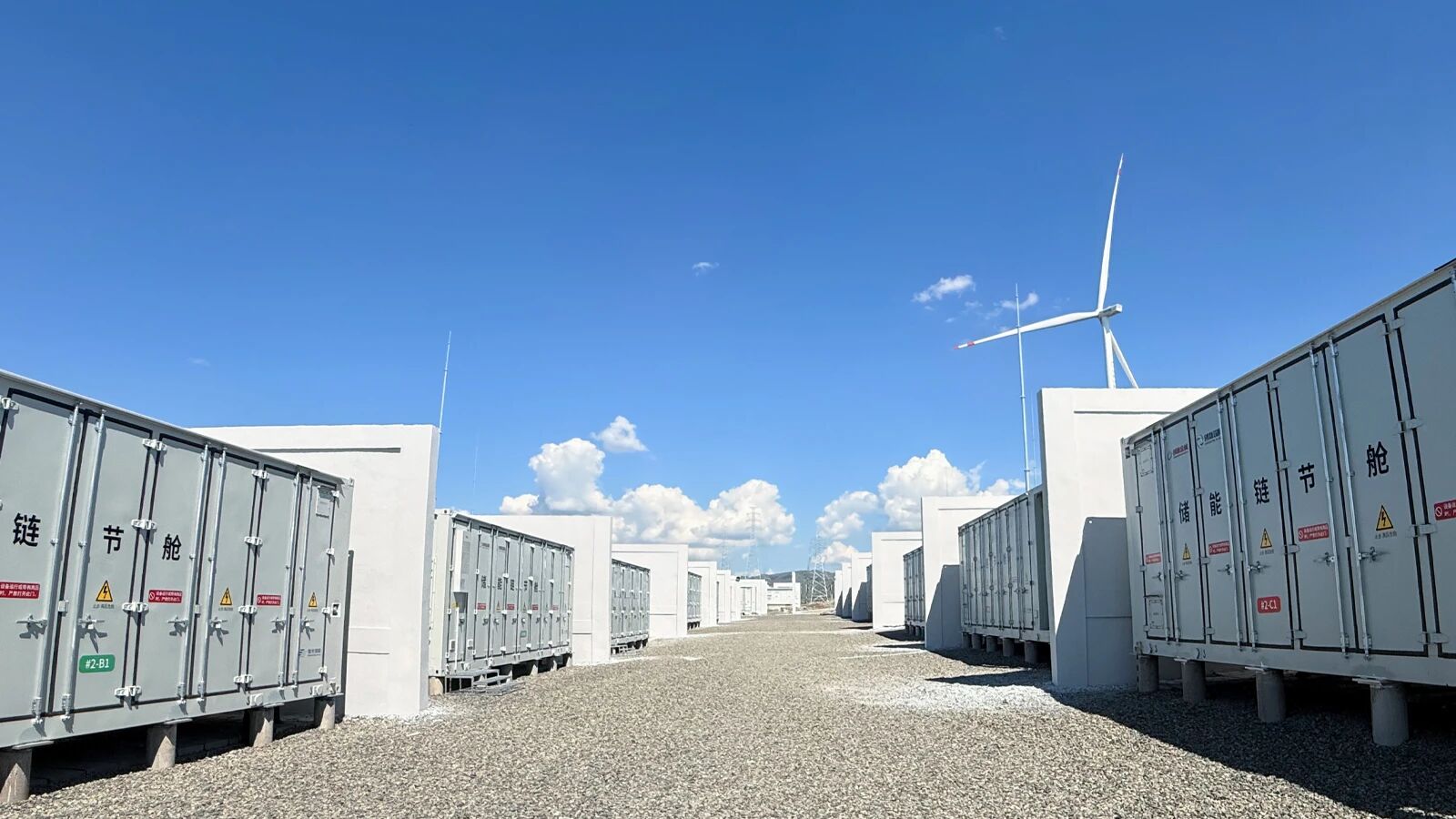
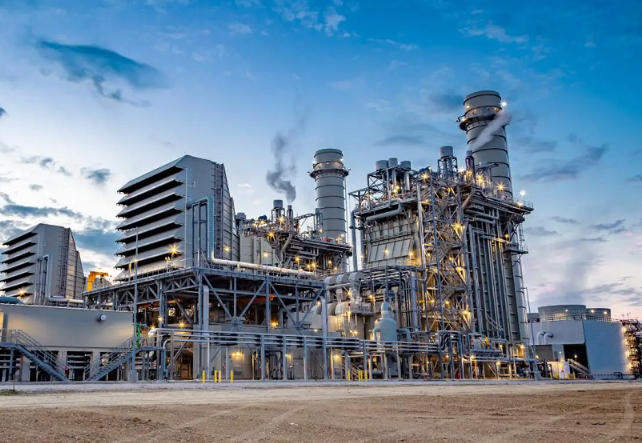
As the construction of new power systems accelerates, transformer selection is shifting from traditional capacity matching to a comprehensive decision involving electrification growth, distributed energy integration and distribution network resilience. In the past, distribution transformers mainly served relatively stable residential, commercial and conventional industrial loads. Selection was usually based on existing demand plus a short-term margin. Today, however, electric vehicle charging, distributed solar PV, energy storage, heat pumps, data centers and smart manufacturing loads are growing rapidly. Medium- and low-voltage distribution systems now face higher peaks, stronger fluctuations and more complex power flows. If Transformer Selection remains focused only on whether capacity is sufficient, projects may face overload, inefficient operation, voltage fluctuation and accelerated equipment aging within only a few years of commissioning.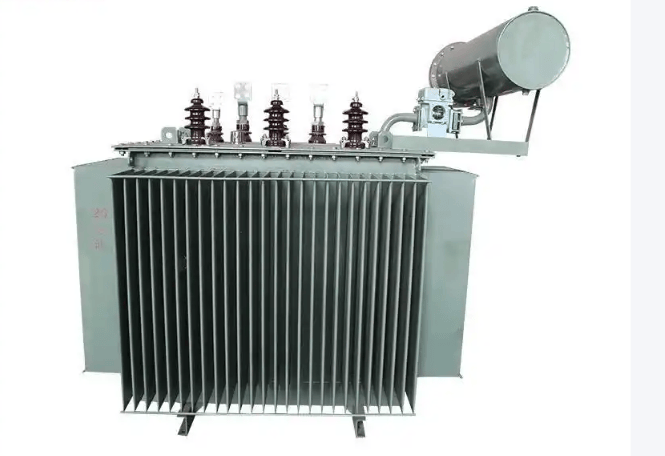 Global trends show that investment in distribution networks and power equipment is accelerating. The International Energy Agency notes that annual grid investment must increase by around 50% from today’s level of about USD 400 billion by 2030 to meet rising electricity demand. At the same time, average lead times for cables and large power transformers have almost doubled since 2021, with large power transformers taking up to four years in some cases. In terms of pricing, the IEA reports that power transformer prices have increased by around 75% in real terms compared with 2019. These figures show that transformers are no longer ordinary equipment that can be purchased at any time. They have become critical resources affecting project schedules, distribution network expansion and power supply reliability.
In distribution network upgrades, Transformer Selection should first focus on the structure of load growth rather than simply applying historical peak demand. In new urban districts, industrial parks and commercial complexes, the initial load may be moderate, but EV chargers, air-conditioning peaks, rooftop PV, energy storage systems and high-power production equipment may gradually connect later. If transformers are selected only according to early-stage demand, future expansion may be constrained by civil space, switchgear capacity, cable corridors and outage windows. If capacity is oversized without analysis, the transformer may operate at low loading for a long period, increasing no-load losses and reducing investment efficiency. A more reasonable approach is to build a year-by-year load forecasting model that separates base load, seasonal load, impact load and adjustable load, and then determine capacity configuration under five-year and ten-year development scenarios.
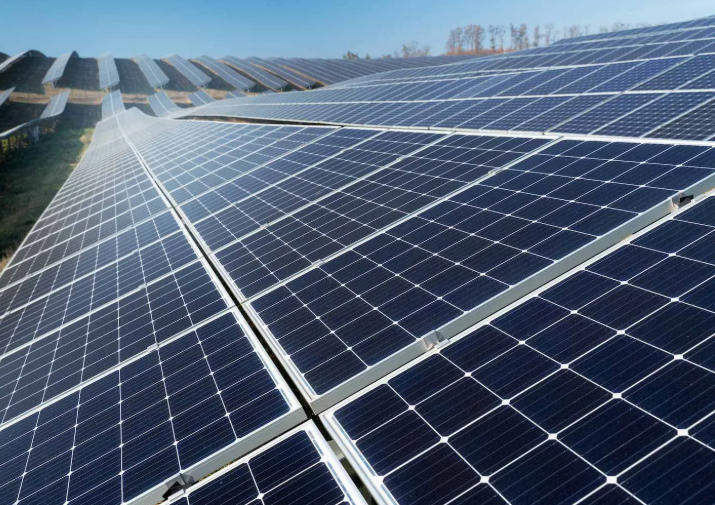
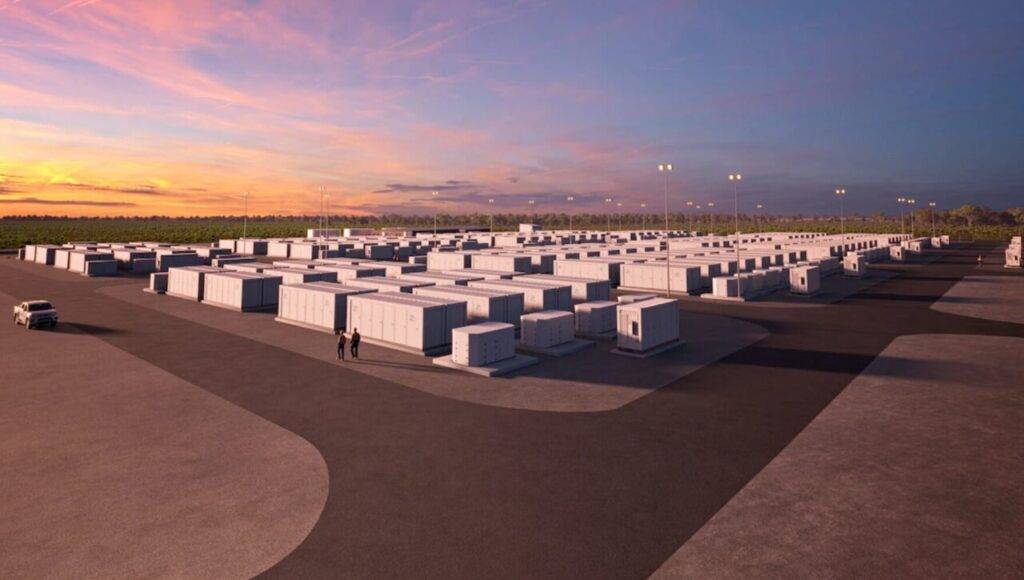
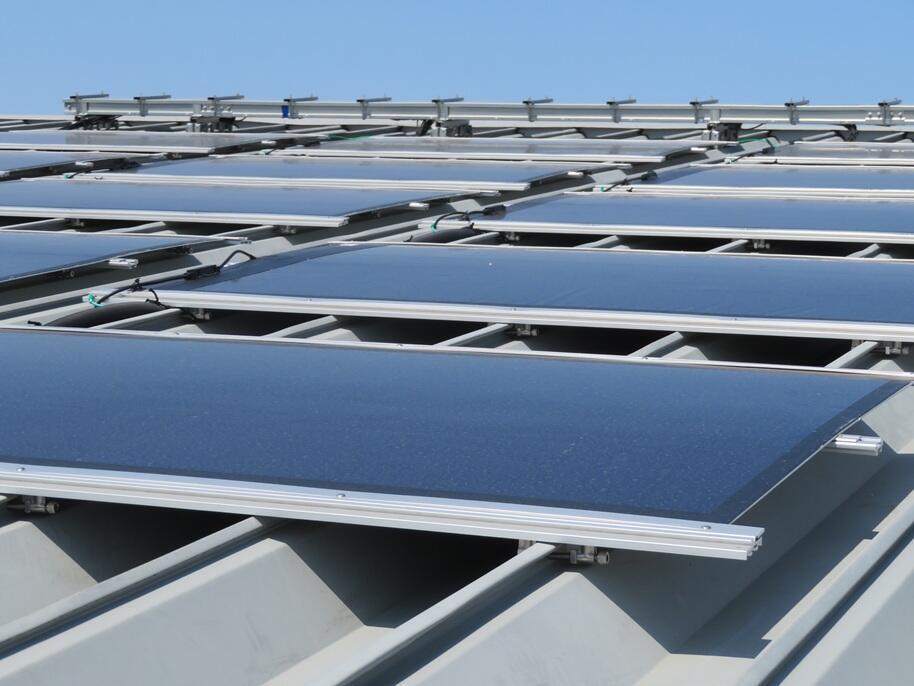
Transformer selection must also address bidirectional power flow caused by distributed generation. Traditional distribution networks were mainly designed for one-way power supply, with transformers performing step-down functions. In areas with high distributed PV penetration, reverse power flow may occur during periods of low daytime load and high generation. Local voltage rise, transformer overload and protection coordination issues may also become more prominent. In this situation, Transformer Selection should not only consider rated capacity. It should also include load flow calculation, voltage regulation capability, short-circuit current level, impedance parameters and the characteristics of grid-connected equipment. For areas with concentrated PV, storage and charging facilities, products with stronger thermal stability, appropriate capacity margin and online monitoring capability should be prioritized.
Energy efficiency has also become an essential economic indicator. Distribution transformers are widely deployed and operate for long periods. Even small differences in losses can translate into significant energy loss and operating cost over an entire distribution system and a service life of more than ten years. The U.S. Department of Energy’s 2024 distribution transformer efficiency standards are expected to save utilities and commercial and industrial entities USD 824 million per year in electricity costs. This shows that high-efficiency transformers are not only about environmental compliance, but also about long-term operating value.
Looking ahead, professional Transformer Selection should include at least four tasks. First, load forecasting should be based on real consumption data and industrial development plans, not only on current applied capacity. Second, distributed PV, energy storage and EV charging facilities should be included in load flow, voltage and short-circuit studies. Third, full life-cycle cost should be compared under different capacity and efficiency levels. Fourth, online monitoring, temperature sensing, loading analysis and fault warning interfaces should be considered in advance, so that transformers can be integrated into digital distribution networks.
High-quality Transformer Selection is not about choosing a device whose parameters look acceptable. It is about preparing foundational capacity for the next decade of load growth, energy structure change and safe distribution network operation. As distribution networks enter a period of accelerated upgrading, project owners who move Transformer Selection into the planning and design stage will be better positioned to control investment schedules, reduce operating losses and avoid passive expansion or outage-based retrofits later.