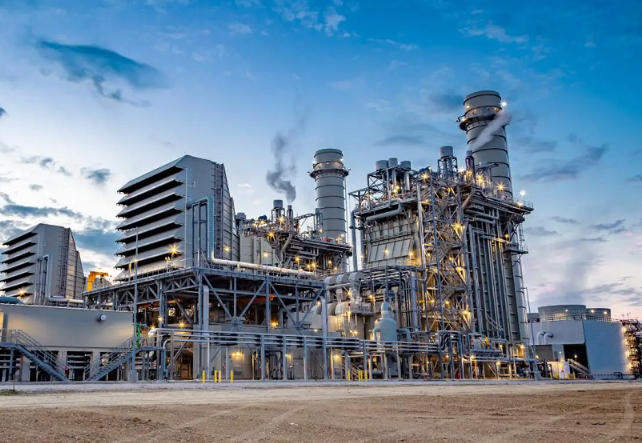
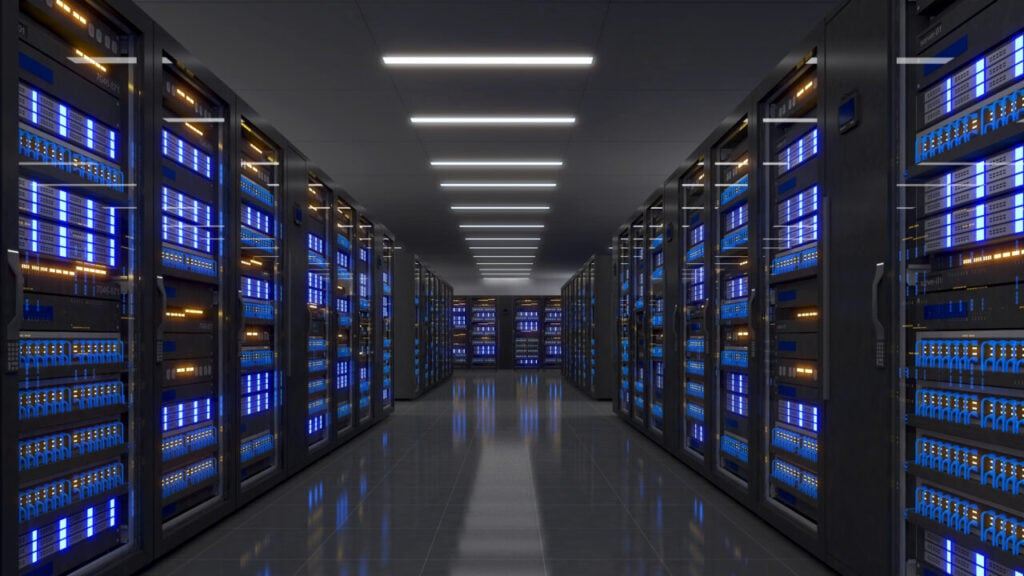
In the past, many owners purchased high and low voltage electrical assemblies by comparing cabinet types, component brands, quotations and delivery times. Today, as global demand for power equipment rises, raw material prices fluctuate and large projects are built in clusters, procurement logic is changing. High and Low Voltage Electrical Assemblies are no longer one-time equipment purchases. They are long-term assets that affect construction schedules, operating costs, maintenance efficiency and expansion capability.
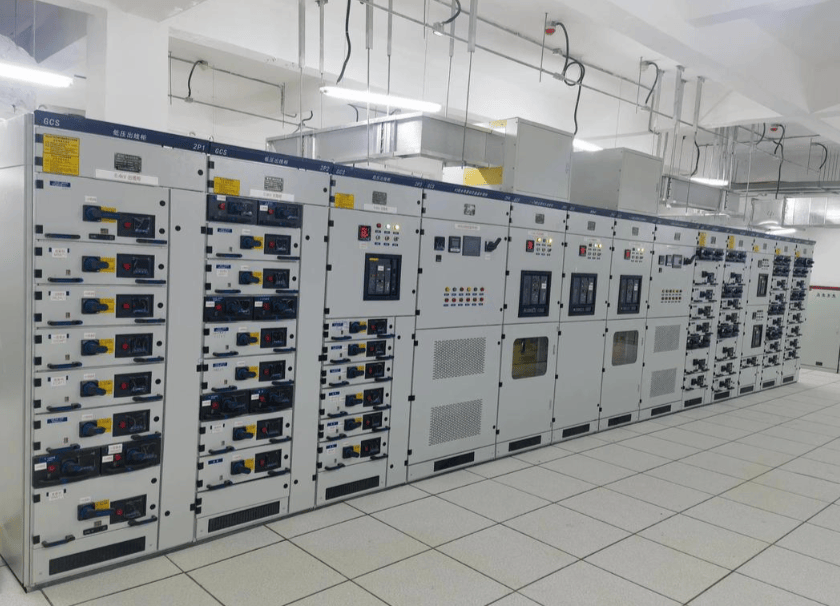
Accelerated grid construction has already created visible supply chain pressure. In its transmission grid supply chain research, the International Energy Agency notes that prices and procurement times for key components such as cables and large power transformers have almost doubled in four years, while power transformer prices have risen by around 75% compared with 2019. Although high and low voltage assemblies are different from large transformers, they also depend on upstream inputs such as copper, aluminum, steel, insulation materials, circuit breakers, protection relays, sensors and electronic components. Supply chain pressure can therefore affect price, production scheduling and delivery certainty.
In this environment, project owners should not wait until late construction stages to procure assemblies. For industrial parks, data centers, renewable energy stations, rail transit and large public buildings, late confirmation of high and low voltage cabinet schemes may force repeated changes to civil dimensions, cable tray routes, cable sections, transformer interfaces, protection communication and monitoring systems. More seriously, delayed production of critical components can directly affect the project energization date.
Life-cycle cost is also reshaping procurement decisions. Low-priced equipment may appear to reduce initial investment, but if it has high losses, excessive temperature rise, difficult maintenance, poor expandability or high failure rates, later outage and retrofit costs may far exceed the initial savings. For high and low voltage assemblies, the real comparison should include not only purchase price, but also energy losses, maintenance, spare parts, outage risks, expansion convenience and digital integration costs over the equipment life cycle.
Owners should build three evaluation tables during procurement. The first is a technical matching table covering voltage level, short-circuit capacity, busbar specification, protection configuration, communication protocol, environmental rating and expansion space. The second is a life-cycle cost table comparing losses, maintenance, spare parts and outage risks across different options. The third is a supply chain risk table evaluating key component brands, delivery periods, alternatives, after-sales capability and localized service.
Future procurement of high and low voltage assemblies will place more emphasis on standardization and modularity. Owners with multiple industrial parks, factories or projects can unify cabinet types, interfaces, communication protocols and monitoring platforms to reduce repeated design work and spare parts complexity. For long-term expansion projects, modular reserved solutions can make future feeder additions, capacity expansion and intelligent upgrades easier.
Purchasing high and low voltage assemblies may look like buying cabinets, but in essence it means buying power supply capability for the next decade or longer. Owners that shift from initial-price thinking to life-cycle value thinking will achieve more reliable project delivery and lower long-term operating risk during the rapid upgrade of power systems.