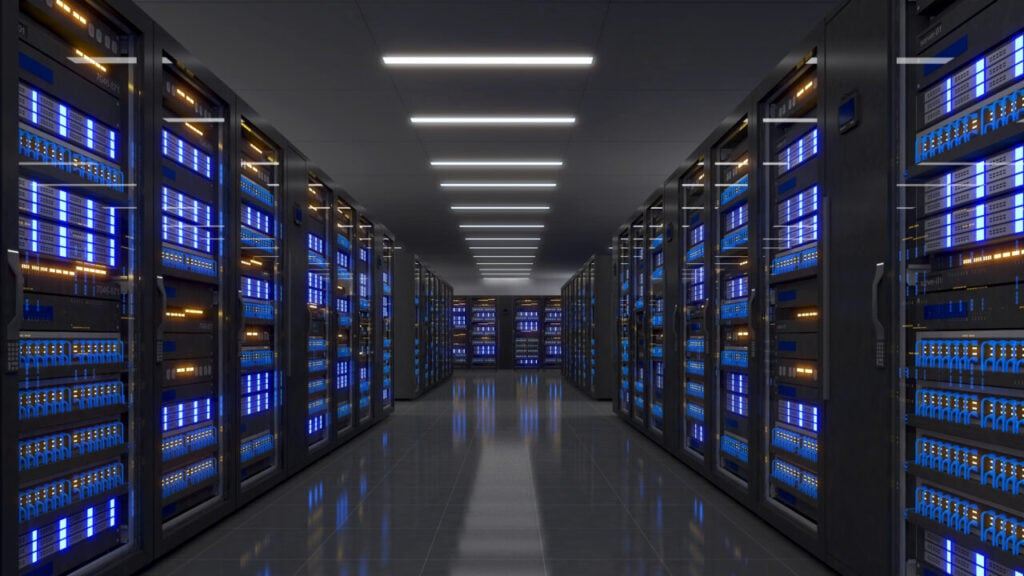
Artificial intelligence and data centers are changing the load structure of power systems. In the past, data centers mainly focused on PUE, facility reliability and electricity price. Now they must also consider green power share, power supply resilience, grid connection capacity and load flexibility. As computing demand grows, data centers can no longer solve their energy challenges simply by purchasing green electricity. They need source-grid-load-storage integration.
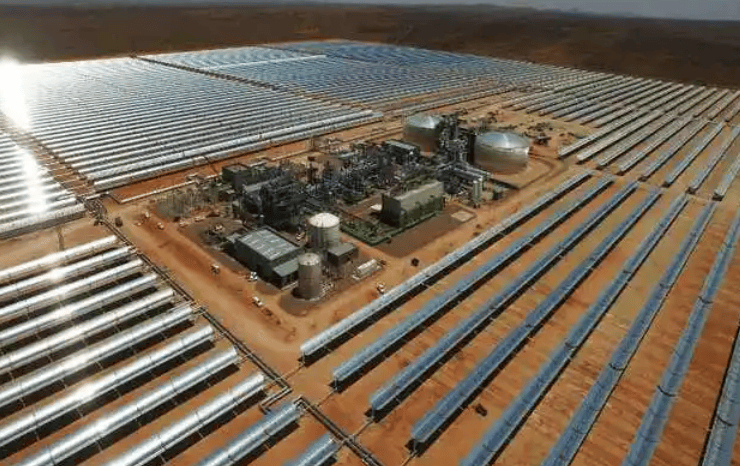
In its 2026 electricity market analysis, the International Energy Agency states that global electricity demand is expected to grow by more than 3.5% per year on average over the rest of this decade, driven by industrial electricity use, electric vehicles, air conditioning, and the expansion of data centers and artificial intelligence. This means computing load is no longer a local issue. It has become a new variable that power system planning must address.
China has also begun incorporating computing-power and electricity coordination into new power system development. In its pilot notice for new power system construction, the National Energy Administration proposed coordinating data center green electricity demand with renewable energy resources in national computing hubs and resource-rich regions such as Qinghai, Xinjiang and Heilongjiang. It also encouraged local renewable power supply, aggregated trading and local consumption models, as well as joint forecasting of computing load and renewable output, flexible computing load control and intelligent dispatch.
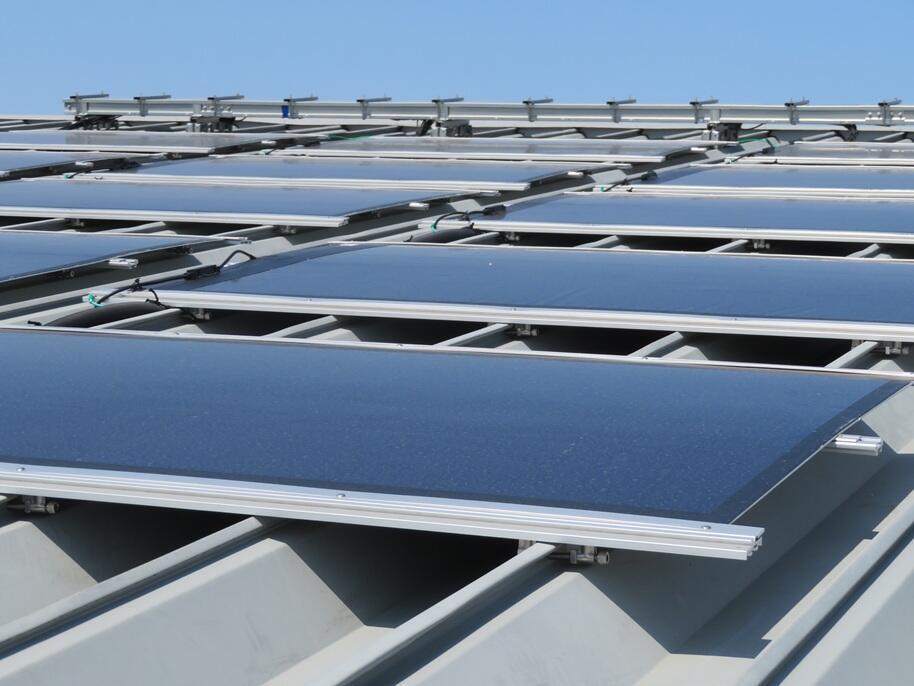
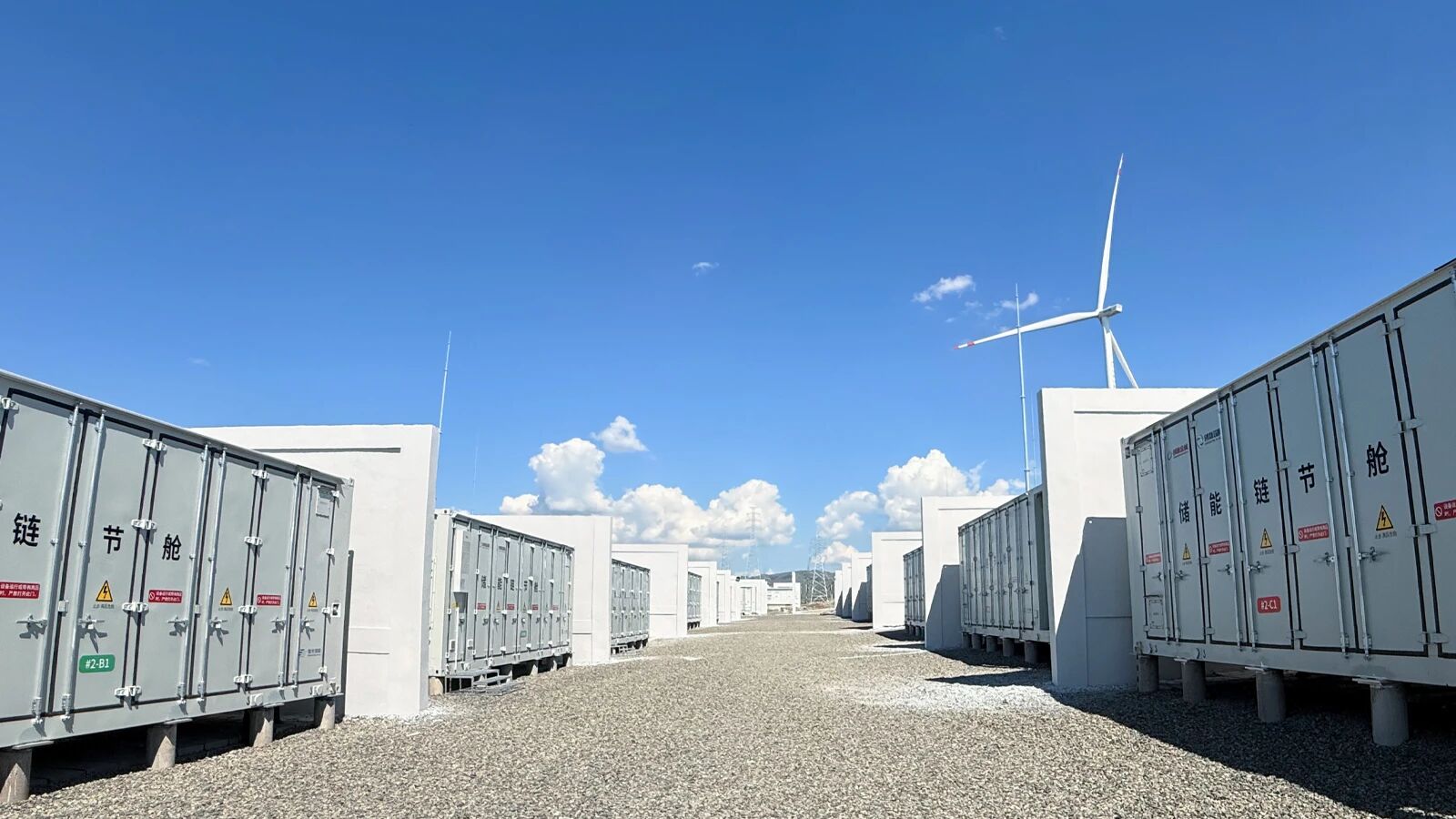
This creates new requirements for data center companies. First, the generation side must secure stable green electricity sources, including wind power, solar power, green power trading and necessary regulating resources. Second, the storage side must support peak-valley regulation, backup power, power smoothing and electricity price optimization. Third, the load side cannot remain completely rigid; some computing tasks can be scheduled according to electricity prices, renewable output and grid pressure. Fourth, the grid side must clarify connection capacity, power reliability and safety responsibility boundaries.
Future competition among data centers will not only be about computing cost. It will be about the combined competitiveness of computing power, electricity and green attributes. Companies that integrate generation, grid, load, storage, computing dispatch and carbon management will gain advantages in green computing, AI infrastructure and cross-regional energy allocation.
For enterprises, data center energy strategies cannot stop at purchasing green certificates or signing green power agreements. The real upgrade is to turn data centers into predictable, dispatchable and optimizable power loads, operating together with renewable energy and storage. In the AI computing era, source-grid-load-storage integration will be the key path for data centers to evolve from energy-consuming assets into energy-coordination assets.