In power systems, high and low voltage electrical assemblies are usually located at critical points for power distribution and fault isolation. If an internal short circuit, insulation breakdown, busbar failure, breaker failure or arc fault occurs, the impact is often not limited to one damaged device. It may cause busbar outages, interruption of critical loads and even personal safety incidents. As demand for high-reliability power supply continues to grow, High and Low Voltage Electrical Assemblies must be selected with safety, resilience and maintainability as core criteria, not just price.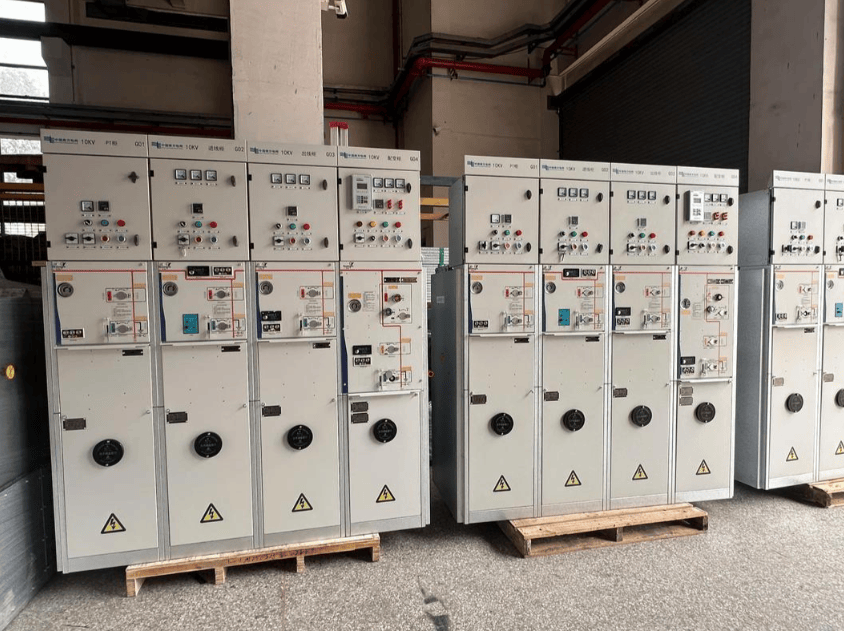 The International Energy Agency has noted that grid-related technical and equipment failures caused at least USD 100 billion in economic losses worldwide in 2021, equivalent to about 0.1% of global GDP. This shows that power equipment reliability is not a local issue; it directly affects economic operation and social stability.
From field experience, safety risks in high and low voltage assemblies are concentrated in five areas. The first is insufficient short-circuit capacity, where equipment withstand capability is lower than actual system fault current. The second is inadequate temperature-rise control, leading to overheating of busbars, contacts and cable joints after load growth. The third is insufficient insulation and enclosure protection, especially in humid, dusty, salt-fog or condensation-prone environments. The fourth is poor protection coordination, causing upstream tripping or excessive outage scope. The fifth is insufficient maintenance safety due to weak isolation, interlocking, grounding and anti-misoperation design.
These problems often do not appear immediately after commissioning. They emerge gradually as loads grow, environments deteriorate, maintenance weakens or system operating modes change. If procurement focuses only on reducing price while ignoring cabinet structure, insulation level, busbar quality, breaker performance, thermal design and test verification, the cost will return later in the form of outages, repairs, retrofits and accident risks.
With safety and resilience as priorities, project owners should define several key requirements in tender documents. First, short-circuit withstand capability must match system calculation results and reserve reasonable growth margin. Second, cabinets should have clear functional compartments and maintenance isolation conditions to reduce the impact of single-point failures. Third, critical circuits should include temperature monitoring and fault alarms to make long-term hidden risks visible. Fourth, type tests, factory tests and site acceptance tests must be taken seriously rather than relying only on supplier promises. Fifth, for hospitals, data centers, rail transit, chemical parks, mines and important public facilities, high-reliability, maintainable and fast-recovery assembly solutions should be prioritized.
Future power systems will face more extreme weather, complex loads and high penetration of power electronics. The value of high and low voltage assemblies is not only to deliver electricity. It is to isolate faults quickly, warn of risks early and reduce outage impacts during maintenance. Professional selection means exchanging early engineering rigor for long-term power supply safety.