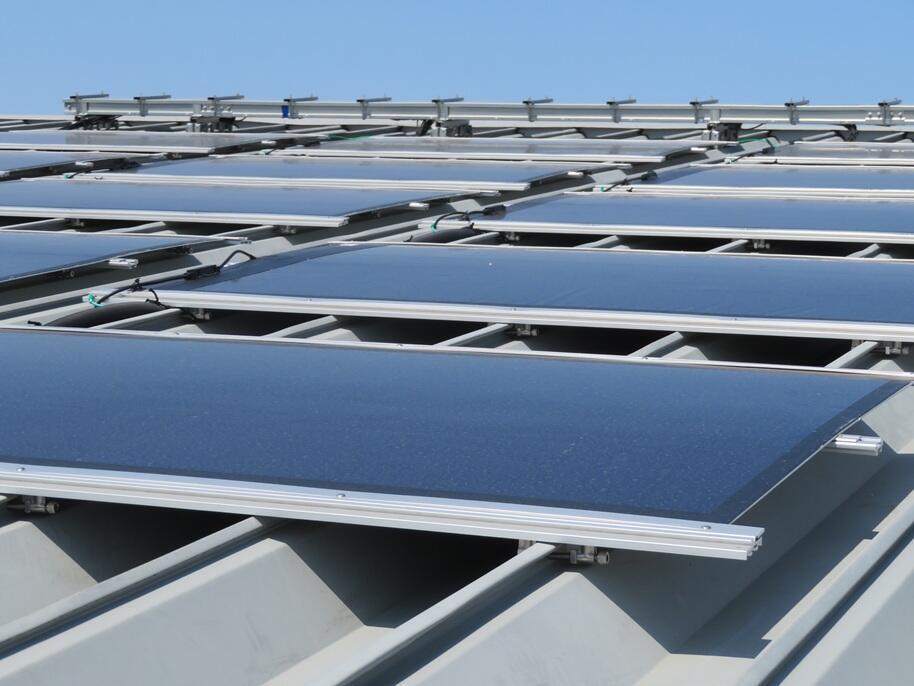
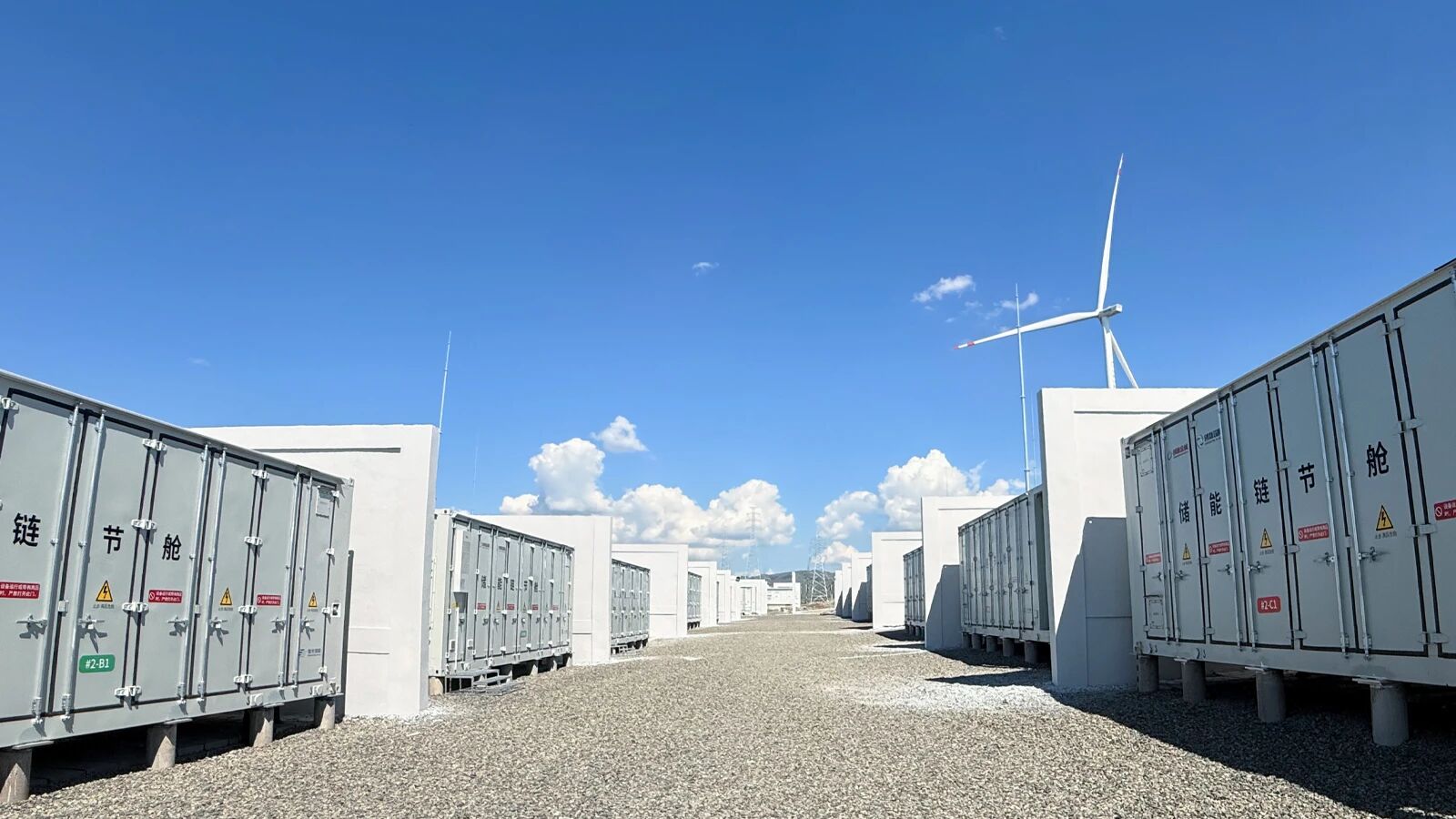
The rapid expansion of renewable energy is changing the logic of Transformer Selection. In conventional power systems, generation and load patterns were relatively stable, and transformer selection mainly focused on rated capacity, voltage level and impedance. With the large-scale integration of wind power, solar PV and energy storage, however, power fluctuation, reverse power flow, harmonics, voltage variation and frequent operating changes have become normal. Transformer Selection must therefore move from static capacity matching to dynamic operating adaptability.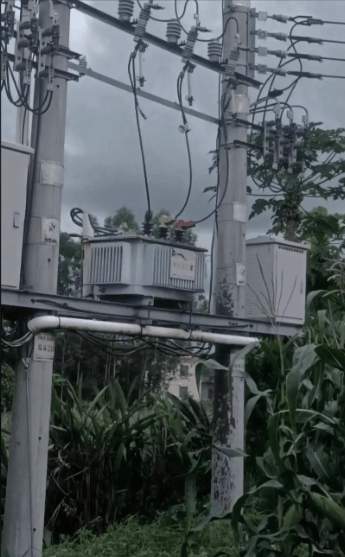 China provides a clear example of this shift. According to the National Energy Administration, China added more than 430 GW of new wind and solar power capacity in 2025, lifting total installed renewable capacity above 1,800 GW and pushing renewables to more than 60% of total installed power generation capacity. Such large-scale renewable integration creates higher requirements for step-up transformers, pad-mounted substations, distribution transformers and main transformers.
For renewable energy projects, transformer selection should first consider the load profile. Solar PV produces high output during the day and low output at night. Wind power is highly variable. Energy storage systems frequently switch between charging and discharging. If selection is based only on rated capacity, engineers may overlook short-term overload, reverse power flow, low-load losses and voltage regulation needs. In scenarios such as PV-plus-storage, wind-solar-storage integration and source-grid-load-storage systems, transformers must support both voltage conversion and bidirectional, fast-changing power flows.
Harmonics and thermal stress are also critical. Renewable inverters, storage converters and flexible loads can increase harmonic content in the system. If the transformer is not designed for this environment, additional losses, local overheating, higher noise and accelerated insulation aging may occur. In Transformer Selection, engineers should consider inverter type, converter quantity, filtering configuration and power quality assessment results when determining winding structure, insulation class, temperature-rise limits and capacity margin.
Environmental adaptability is another key factor. Large renewable energy bases are often located in deserts, Gobi areas, high-altitude regions, coastal zones or cold climates. Heat, sand, salt fog, low temperature and altitude all affect cooling, insulation and service life. Selection should not rely only on standard operating conditions. Derating and special design checks should be performed according to the actual environment. High-altitude projects require attention to reduced air insulation; desert projects need enhanced dust prevention and cooling; coastal projects need higher corrosion protection.
For renewable energy projects, good Transformer Selection does not simply mean choosing a larger unit. It means selecting a transformer that can adapt to variable generation. Developers should complete power quality analysis, load flow calculation, short-circuit current calculation, thermal stability check and life-cycle loss assessment during the design stage. Only then can transformers support renewable projects that are not only built quickly, but also connected reliably, transmitted efficiently and operated for the long term.