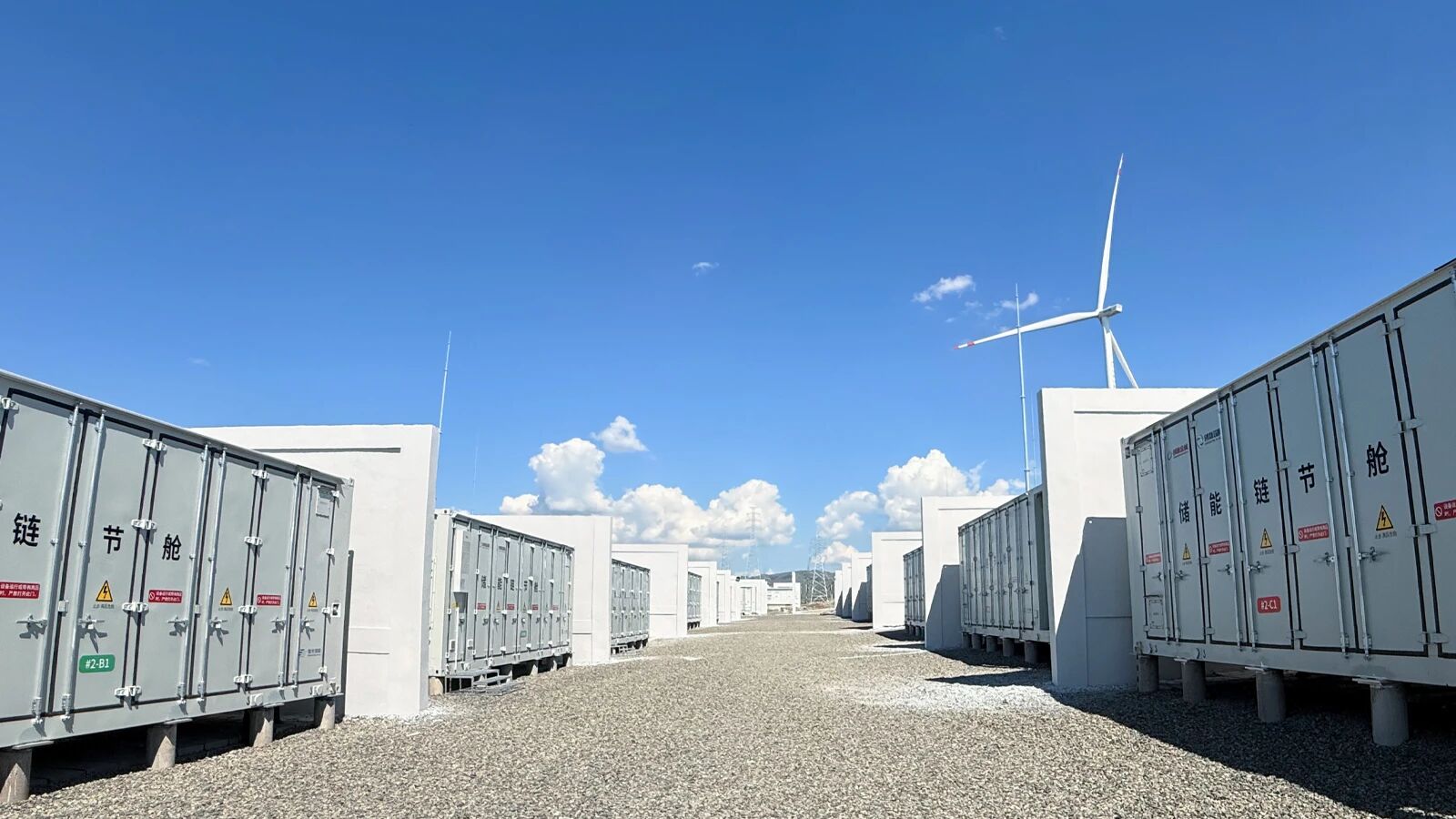
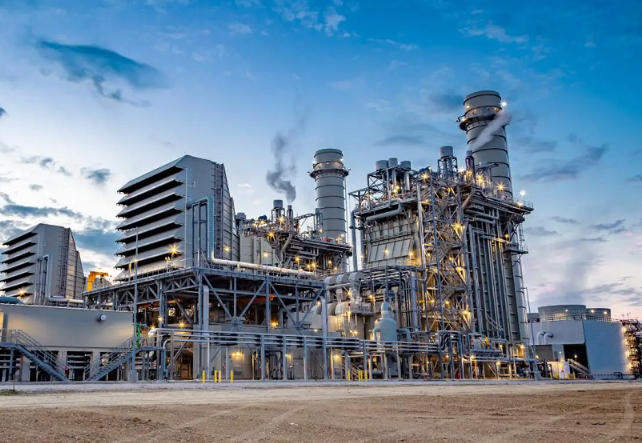
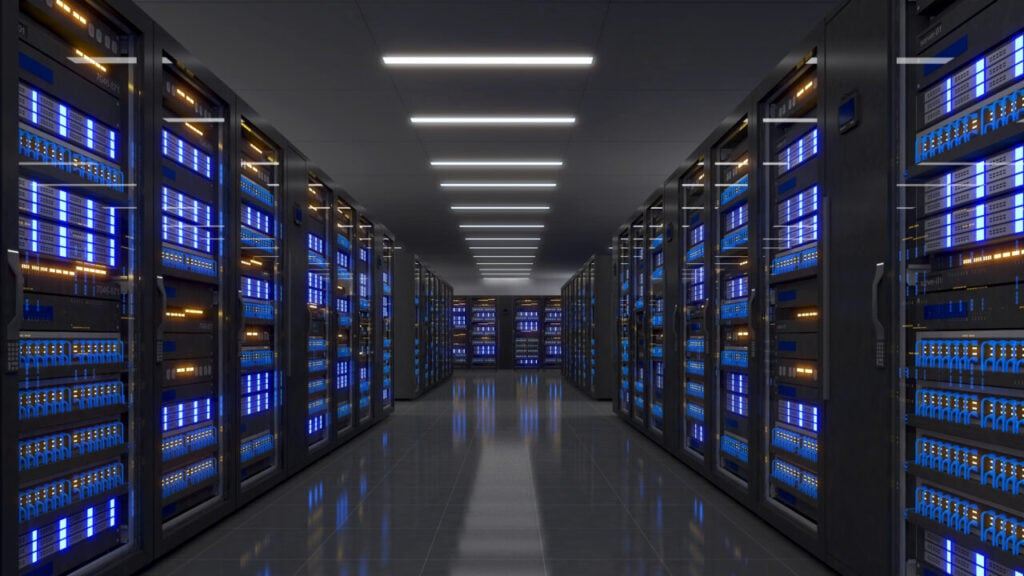
Data centers, AI computing, semiconductor fabs, electric vehicle manufacturing and advanced equipment industries are becoming major sources of electricity demand growth. These loads share several characteristics: large scale, high reliability requirements, fast load changes and high outage costs. Therefore, Transformer Selection for data centers and advanced manufacturing cannot simply follow the experience of ordinary industrial facilities.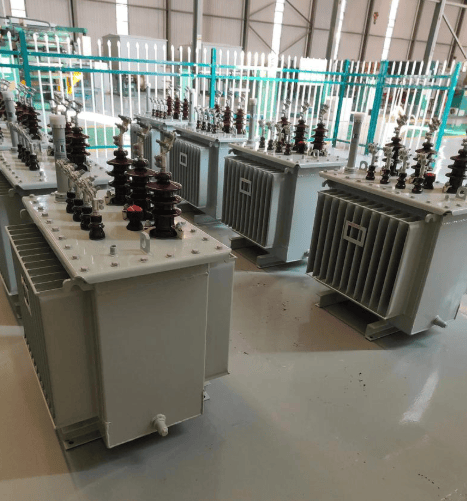 In Electricity 2026, the IEA notes that electricity demand in advanced economies is accelerating after years of stagnation. U.S. electricity demand grew by 2.1% in 2025 and is projected to grow by nearly 2% annually through 2030, with around half of the increase driven by the rapid expansion of data centers. New demand sources such as AI, data centers, electric vehicles and advanced manufacturing are becoming structural drivers of electricity growth.
For such applications, reliability architecture is the first issue in transformer selection. Data centers usually require N+1, 2N or zoned redundant power supply. A single transformer failure should not interrupt critical loads. Selection should therefore not only calculate total capacity. It must also consider power supply architecture, backup capacity, switching logic and maintenance windows. For large data centers, a single large main transformer is not always the best option. Zoned supply and modular expansion often provide better maintainability and phased construction flexibility.
Load characteristics are equally important. AI servers and high-performance computing equipment may create rapid power variations, while cooling systems add seasonal and short-term load fluctuations. In advanced manufacturing, variable-frequency drives, rectifiers, welding equipment and large motors may generate harmonics, inrush current and unbalanced loads. Transformer Selection must be based on real load models and should evaluate short-term overload capability, impedance, voltage variation, harmonic losses and temperature-rise control.
Energy efficiency should be treated as an operating-cost issue, not merely an environmental slogan. Data centers and factories often operate at high load for long hours, and transformer losses directly become electricity costs and additional cooling load. The U.S. Department of Energy’s 2024 distribution transformer efficiency standards are expected to save utilities and commercial and industrial entities USD 824 million per year in electricity costs, showing the direct economic value of high-efficiency transformers in large-load scenarios.
For data center and advanced manufacturing projects, four tasks should be completed during Transformer Selection: build a multi-year load growth model, conduct harmonic and power quality studies, compare loss costs under different capacity combinations, and secure delivery schedules and spare strategies early. A transformer is not a late-stage procurement item. It is a key node that determines power availability, construction schedule and operating cost.