As Global Grid Congestion Rises, Storage Is Becoming a Transmission Alternative
The bottleneck of the global energy transition is shifting from “whether renewable projects exist” to “whether they can connect to the grid.” Many countries do not lack investment interest in wind and solar. The real constraints are transmission capacity, substation capacity, grid connection queues, and local consumption capability.
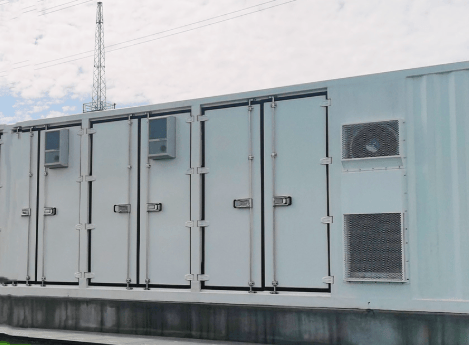
In Electricity 2026, the IEA states that more than 2,500 GW of renewable, large-load, and storage projects are currently stalled in grid queues worldwide. Annual grid investment needs to rise by about 50% by 2030 from today’s USD 400 billion. New grid infrastructure often takes 5 to 15 years to plan and complete, while solar and wind projects require only 1 to 5 years, and data centres only 1 to 3 years. This mismatch is intensifying grid connection conflicts.
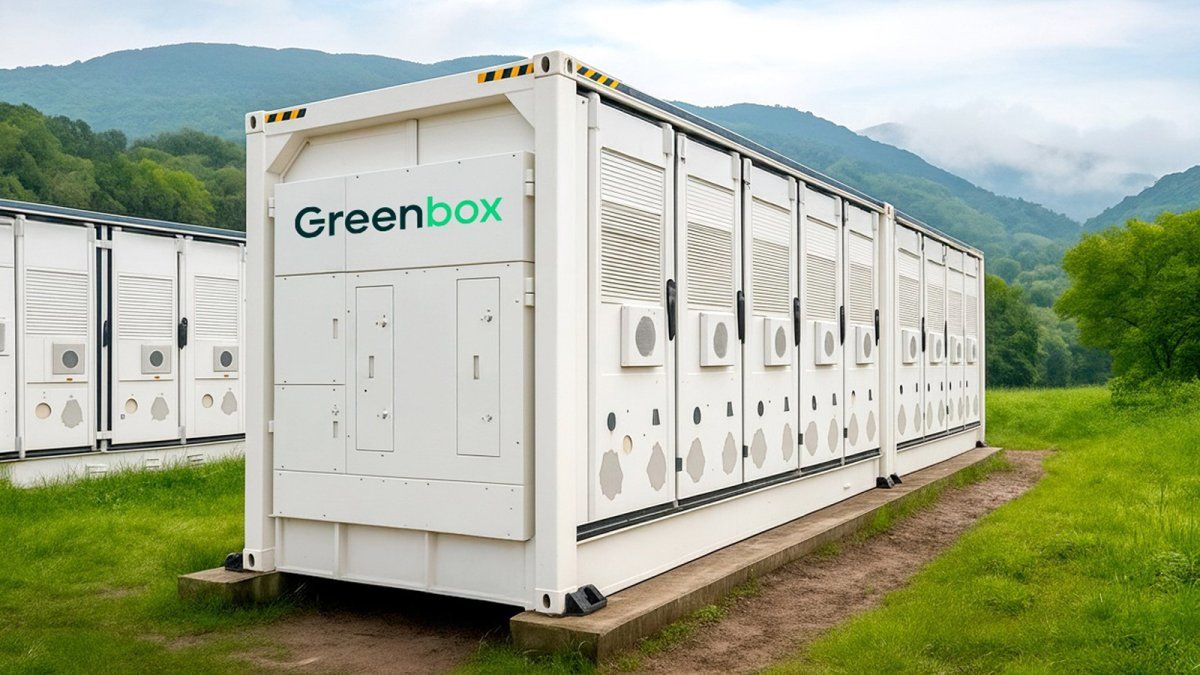
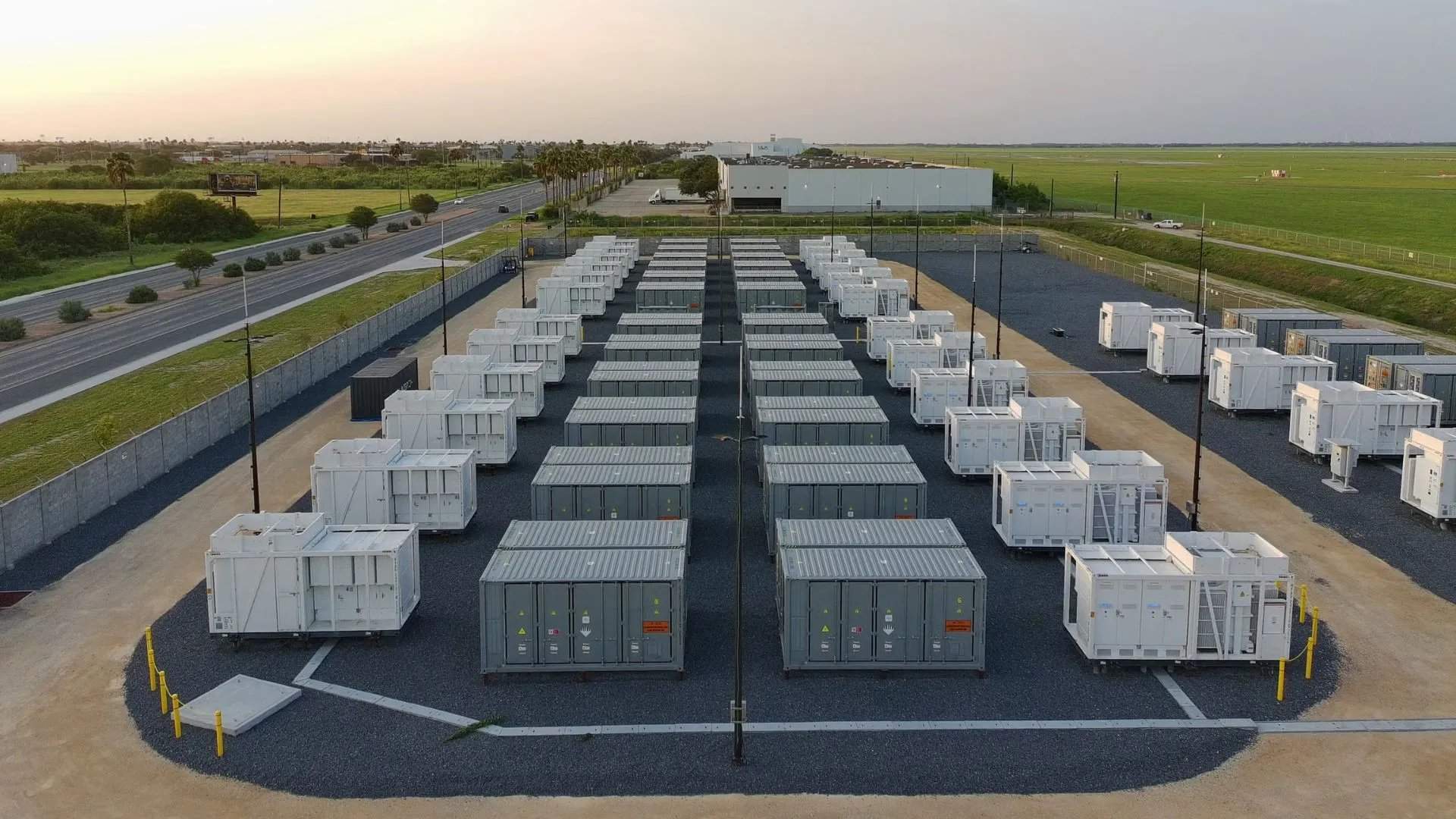
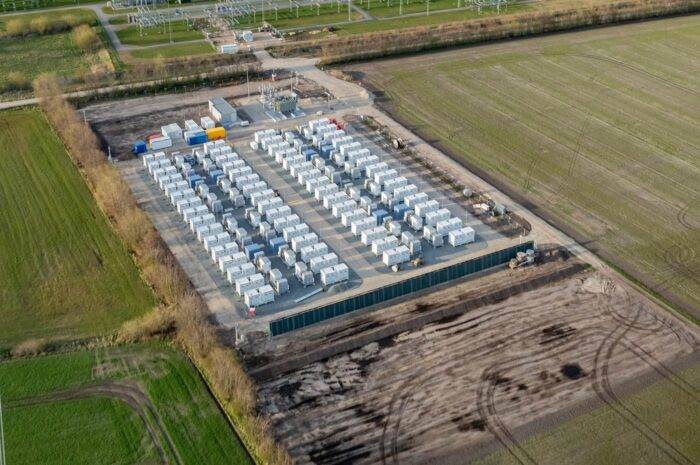
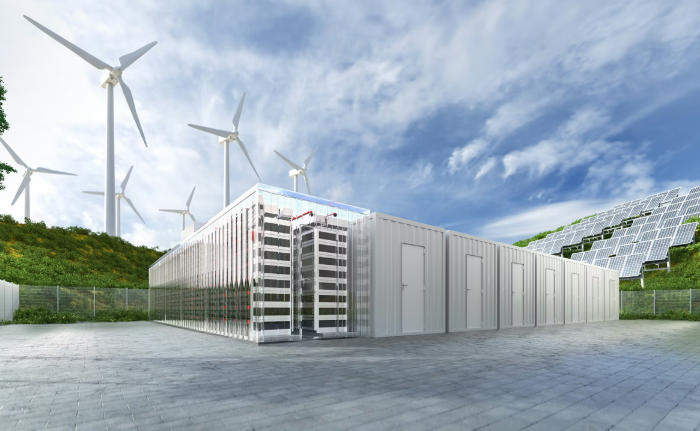
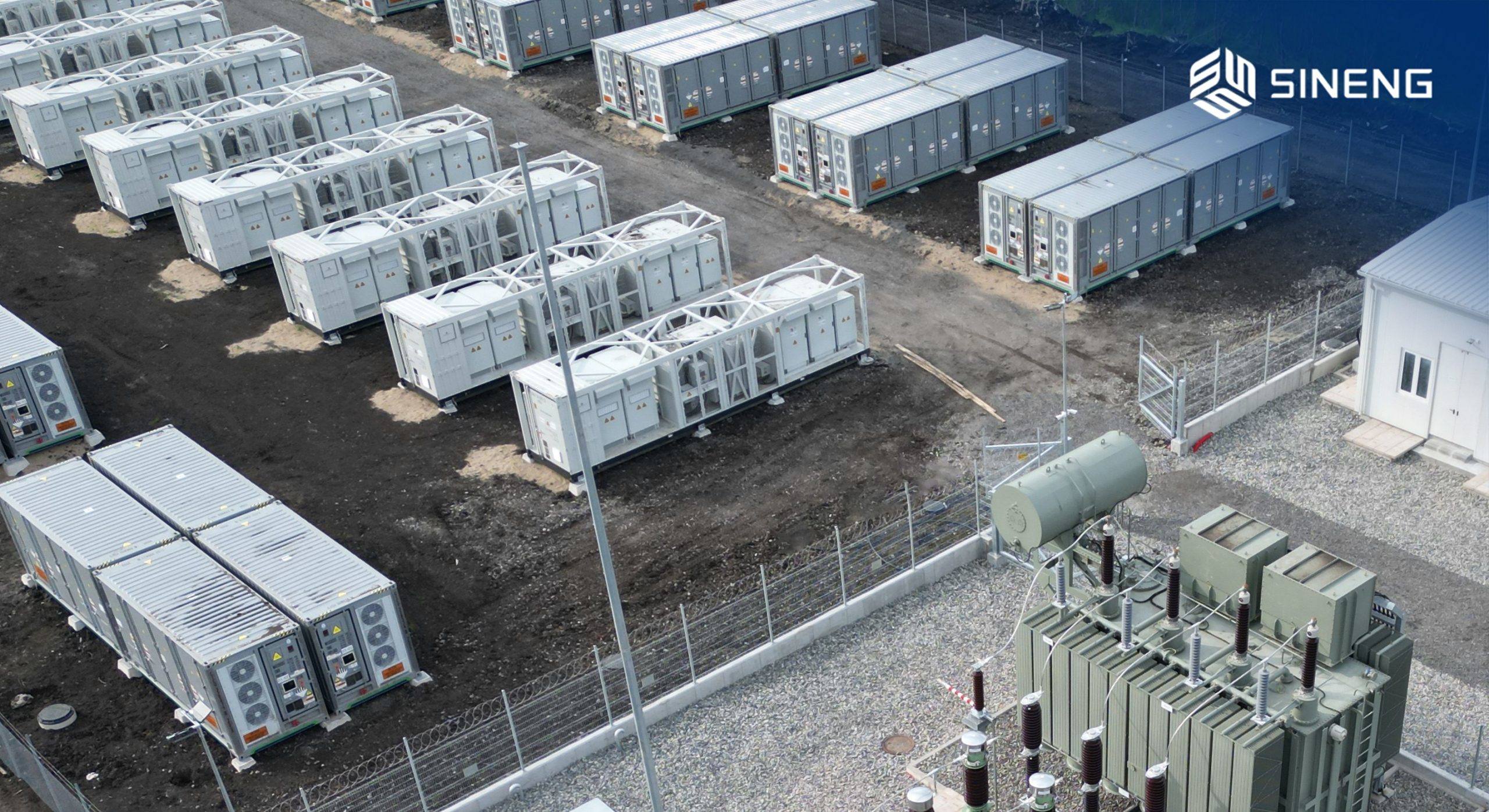
In this context, the value of grid-side storage is being redefined. It can provide peak shaving and frequency regulation, but it can also absorb low-price or curtailed wind and solar power at congested nodes and release it locally during peak hours, reducing transmission pressure. The IEA also notes that storage as a transmission asset, dynamic line rating, and advanced power-flow control can help unlock existing grid capacity. These technology combinations could free enough hosting capacity to connect 450–700 GW of advanced-stage projects.
In the future, grid-side energy storage will appear more often around renewable energy export corridors, load centers, key substations, and weak grid-end areas. Its value will no longer be only “price spread.” It will be about helping the grid become less congested, less dependent on immediate expansion, and faster in connecting new resources.
Related Products

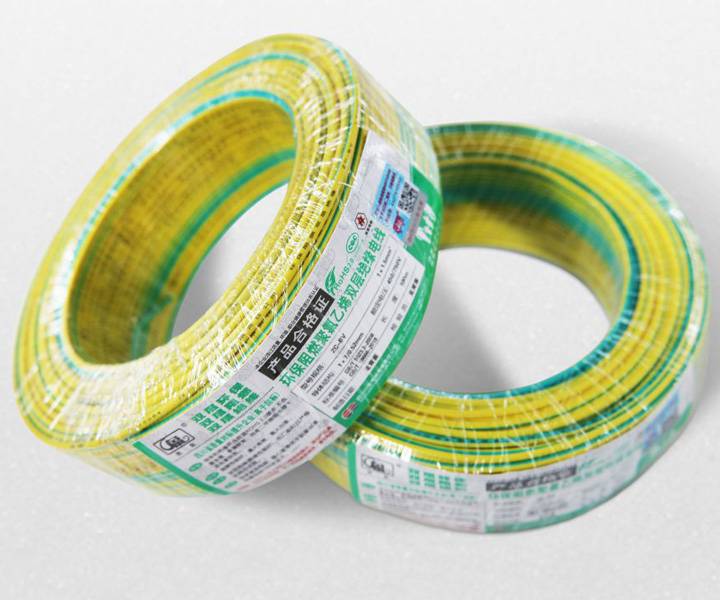
Environmentally Friendly Flame-retardant PVC Double-layer Insulated Wire
Sichuan Chndo Cable Co., Ltd.
Pneumatic high-pressure wear-resistant ball valve
Zhejiang Deca Control Valve Meter Co., Ltd.
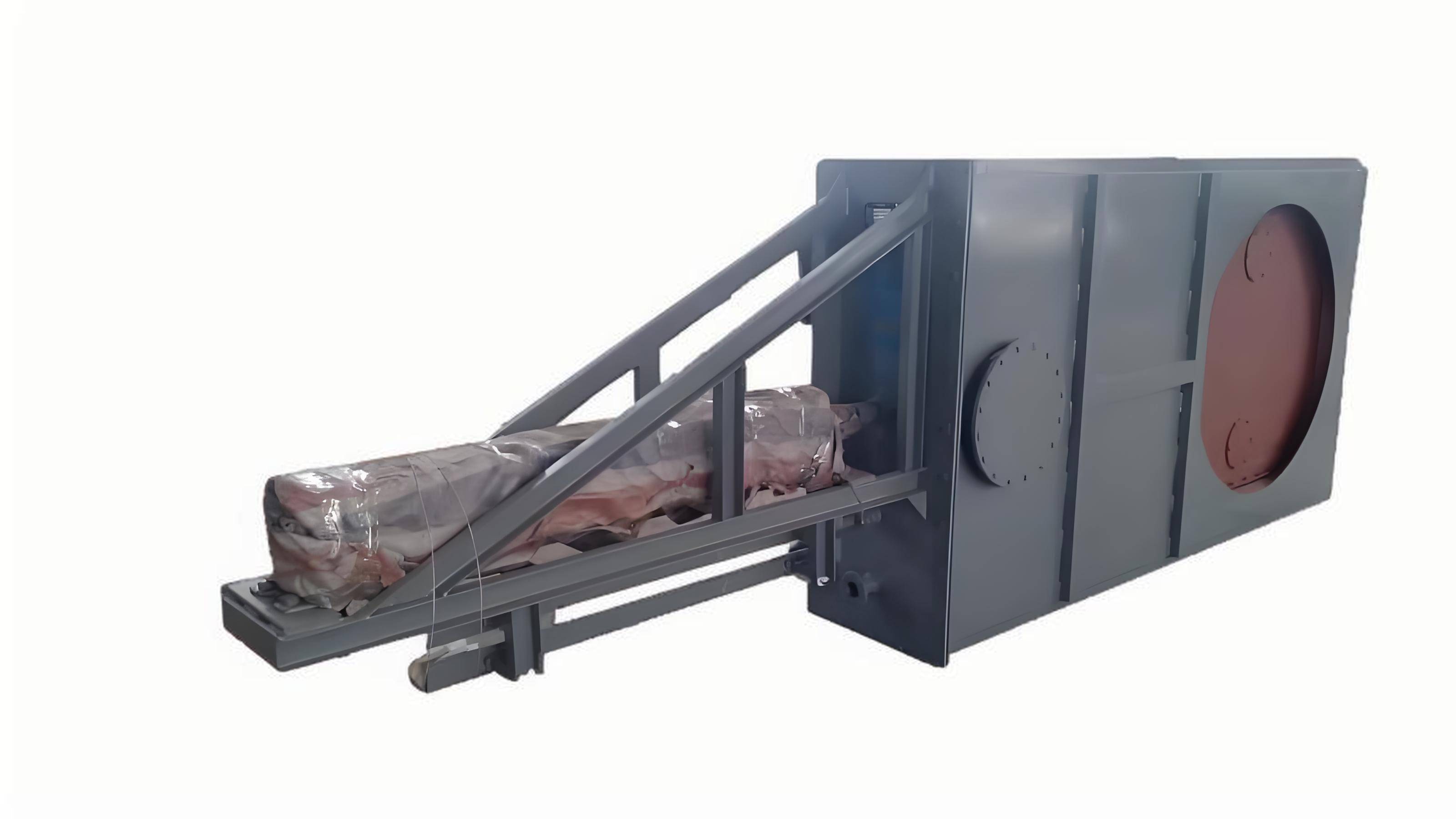
Double-slide Triple-sealed Hot Air Isolation Door
Xi'an Yingchuan Electric Power Equipment Co., Ltd.
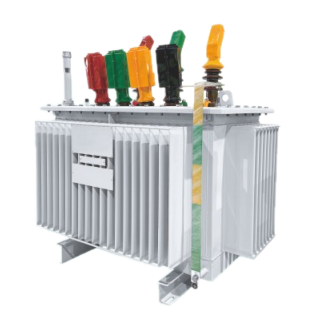
IS(B)□-M·RL Series Oil-immersed 3D Transformer (Planar / 3D Wound Core)
Guangdong Kehua Electric Power Technology Co., Ltd.
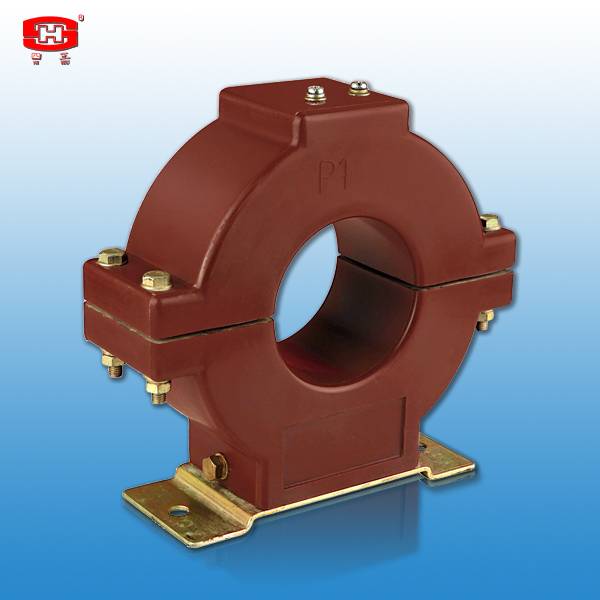
0.66kV Power Supply Instrument Transformer
Guangdong Sihui Instrument Transformer Works Co., Ltd.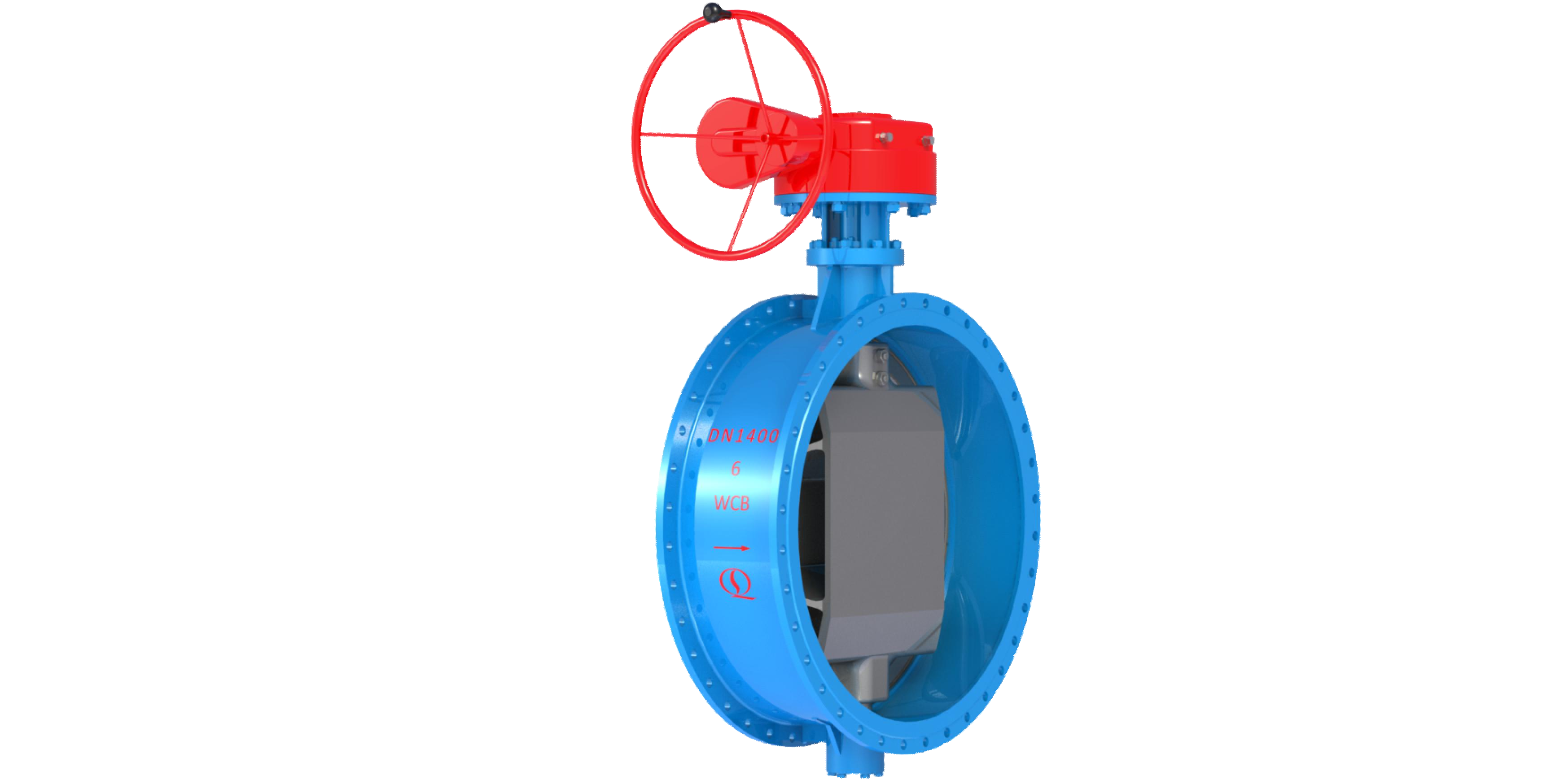
Bidirectional Metal Hard Sealed Seawater Butterfly Valve
Henan Quanshun Flow Control Science & Technology Co., Ltd.
Quick-Change Single-Seat Control Valve / Quick-Change High-Pressure Single-Seat Control Valve
Beijing Consen Automation Technology Co., Ltd.