570 MW Natural Gas Power Plant of Rayburn Electric Cooperative in Texas, USA, Breaks Ground in June
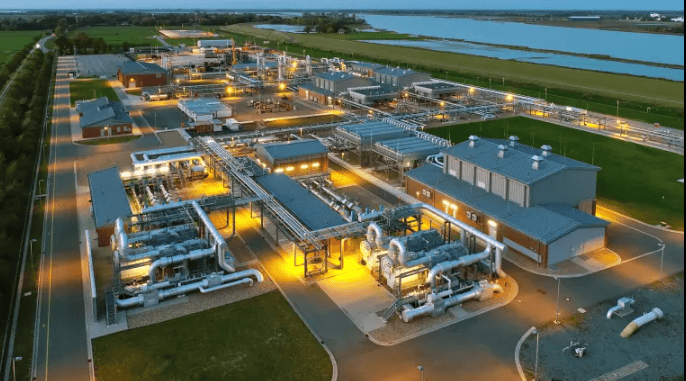
en.Wedoany.com Reported - Rayburn Electric Cooperative broke ground on June 9 to begin construction of a 570-megawatt natural gas power plant, located on its campus in Sherman, Texas, adjacent to its existing 758 MW Rayburn Power Station. The new facility, named Rayburn Electric Station II, is expected to commence commercial operations in June 2028.

The plant will supply power to the North Load Zone of the Electric Reliability Council of Texas (ERCOT) in North Texas and is designed as a peaking power plant, capable of reaching full power within 10 minutes during periods of high electricity demand. David Naylor, President and CEO of Rayburn, stated that this will fill small gaps in the system when solar generation decreases or before wind power picks up.
Rayburn II is the seventh project supported by the Texas Energy Fund. This fund is a loan program created by the state legislature in 2023 to incentivize energy producers to build new power plants, in response to Winter Storm Uri in February 2021. That storm left millions of residents without power and caused over 200 deaths, after which Rayburn acquired the existing Rayburn Power Station.
Sherman Mayor Shawn Teamann stated that the project will create redundancy in the system, serving not only the 625,000 customers currently supplied by Rayburn Energy but also future growth and the entire grid. Rayburn officials revealed that the total cost of the new plant is expected to be less than $685 million, with approximately 60% supported by a 20-year loan from the Public Utility Commission of Texas at an interest rate of 3%; the remaining 40% will be financed through the sale of bonds to investors.
Christian Nagel, Senior Director of Power Supply and Production at Rayburn, expressed gratitude to the Public Utility Commission and the Texas Energy Fund program for selecting the project, recognizing that the infrastructure under construction is urgently needed. The Office of the Governor of Texas stated in a release that six additional power generation applications are pending due diligence review, and these proposed facilities would add over 3 gigawatts of capacity to the state grid, beyond the projects that have already been approved for loans through the state financing program.
This article is compiled by Wedoany. All AI citations must indicate the source as "Wedoany". If there is any infringement or other issues, please notify us promptly, and we will modify or delete it accordingly. Email: news@wedoany.com
Related Products

72.5kV 1250A 31.5kA SF6 free Gas-insulated Metal-enclosed Switchgear
Zhejiang Juhonkia Intelligent Electric Co., Ltd.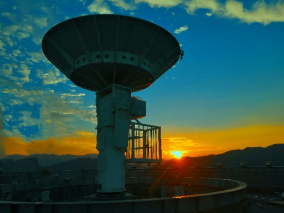
714CD Series C-Band Weather Radar
Chengdu Zhongdian Jinjiang Information Industry Co., Ltd.
CAP1400 main feedwater flow nozzle flowmeter.
Jiangsu Hongda Instrument Technology Co., LTD.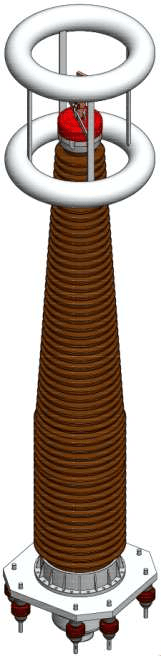
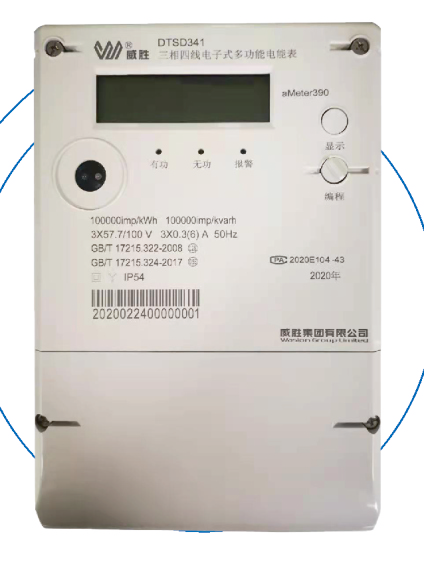
Overseas IEC Gateway Energy Meter - DTSD341/DSSD331-aMeter390
Wasion Group Limited Co., Ltd.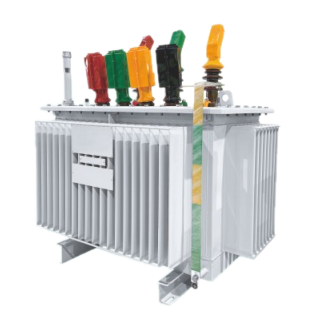
IS(B)□-M·RL Series Oil-immersed 3D Transformer (Planar / 3D Wound Core)
Guangdong Kehua Electric Power Technology Co., Ltd.
"Shunyi 1600" Deep-submerging Bottom-sitting Multi-functional Wind Power Engineering Vessel
Zhengli Offshore Engineering Co., Ltd.