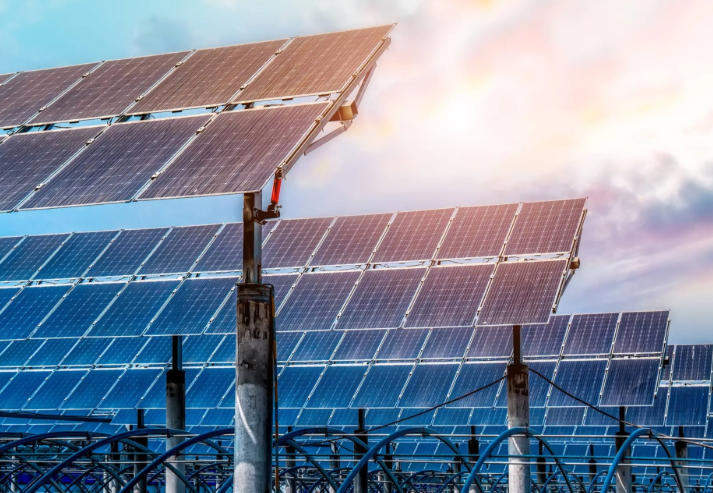
Utility-Scale PV Has Entered a Refined Engineering Era Where System Integration Determines Yield
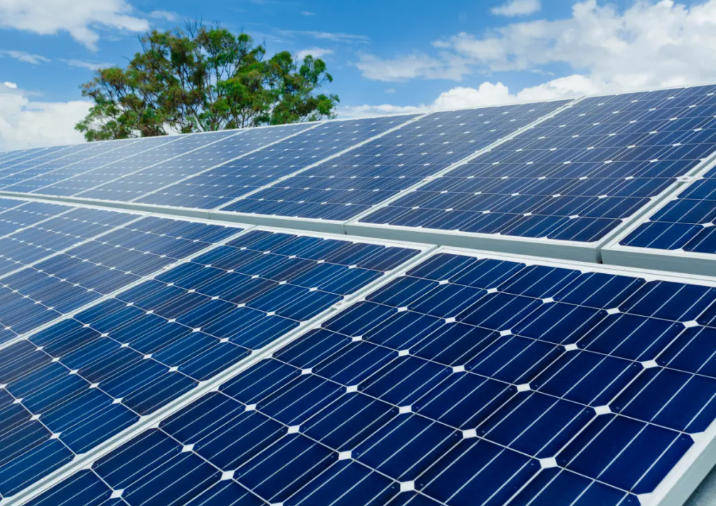
Utility-scale PV plants once reduced costs mainly through large-scale construction. However, with lower module prices, tighter land resources and stricter grid requirements, the model of simply installing low-cost capacity is no longer enough to support long-term returns. Utility-scale PV has entered a refined engineering era, and Photovoltaic System Integration increasingly determines energy yield, failure rates and revenue stability.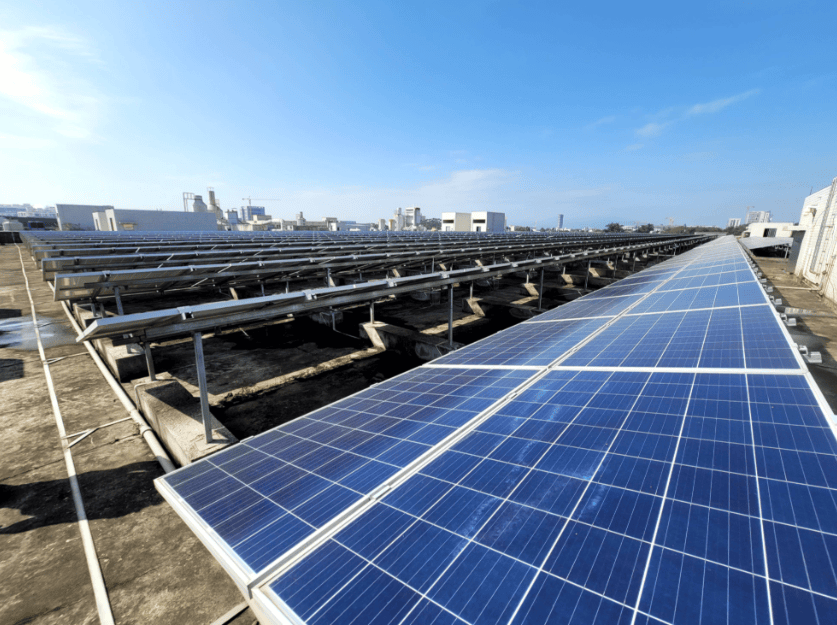 The IEA’s Global Energy Review 2025 states that nearly all of the rise in electricity demand in 2024 was met by low-emissions sources, led by record-breaking solar PV capacity expansion. In 2025, the IEA further stated that solar PV became the largest contributor to global energy supply growth, accounting for more than one-quarter of the increase in global energy demand. As PV becomes a major power source, project quality increasingly affects both power systems and investment returns.
The key to utility-scale system integration lies in detailed engineering value. Module tilt, row spacing, DC/AC ratio, mounting type, tracking systems, transformer layout, cable voltage drop, combiner schemes, reactive compensation, monitoring systems and drainage design all affect actual generation. A small loss from wiring, shading or equipment faults can translate into major revenue loss in a hundred-megawatt-scale project.
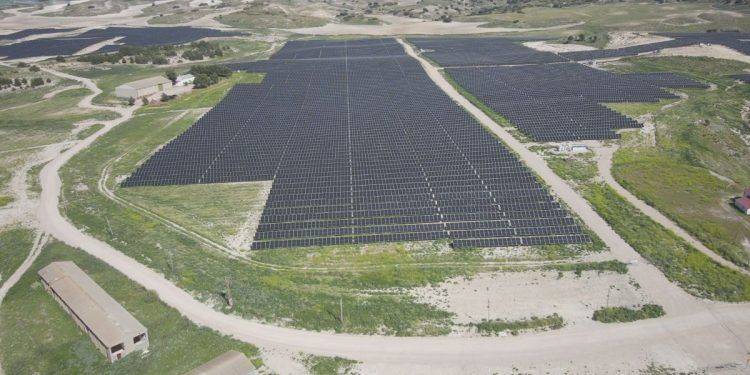
Complex terrain makes system integration even more important. Mountainous sites, mining subsidence areas, deserts, saline land and agrivoltaic projects differ in terrain, soil, drainage, sand, module cleaning and maintenance access. If slope, shading and water erosion are not considered during design, projects may later suffer from module soiling, foundation deformation, road damage and localized generation losses.
A professional recommendation is to build a closed loop covering resource assessment, system simulation, equipment selection, construction quality and O&M optimization. High-resolution meteorological and terrain data should be used for yield verification. BIM or digital twin tools can optimize layout during engineering. String-level monitoring, UAV inspection and intelligent diagnostics can reduce losses during operation. Future utility-scale PV competition will not be about asset size alone, but about system efficiency.
Related Products
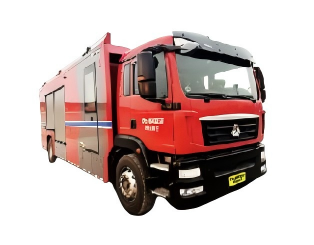

Modular Multifunctional Water Supply and Drainage Vehicle (18T)
Changsha Dewater Machinery Technology Co., Ltd.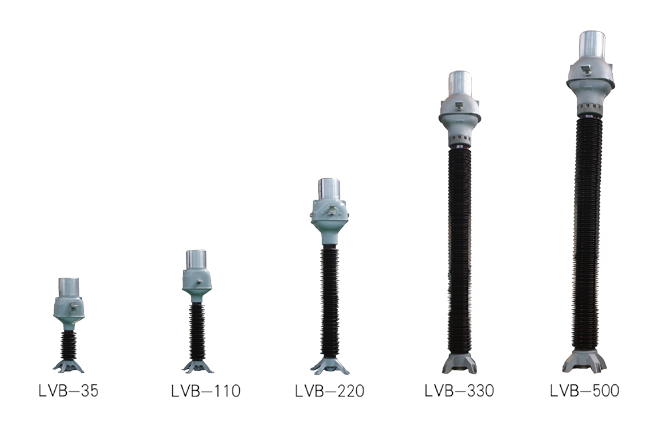
LVB Series 35-500kV Oil-immersed Inverted Current Transformer
Shandong Taikai Instrument Transformer Co., Ltd.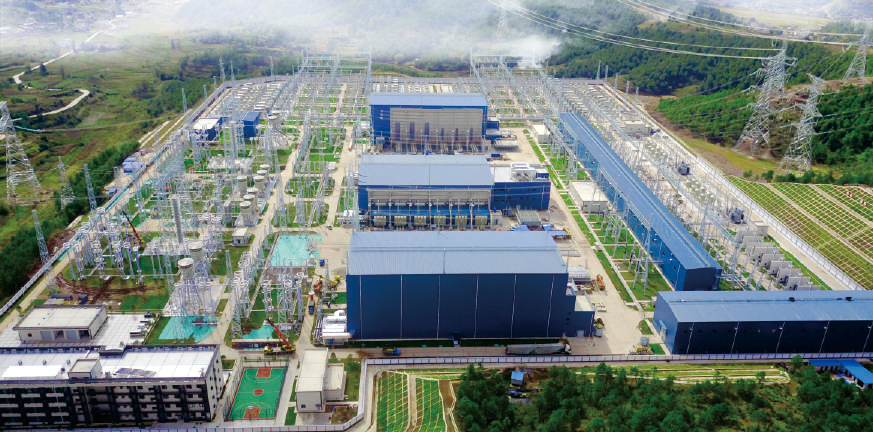
High-voltage Direct Current (HVDC) Transmission System Research and Integrated Design
XI'AN XD POWER SYSTEMS CO., LTD.
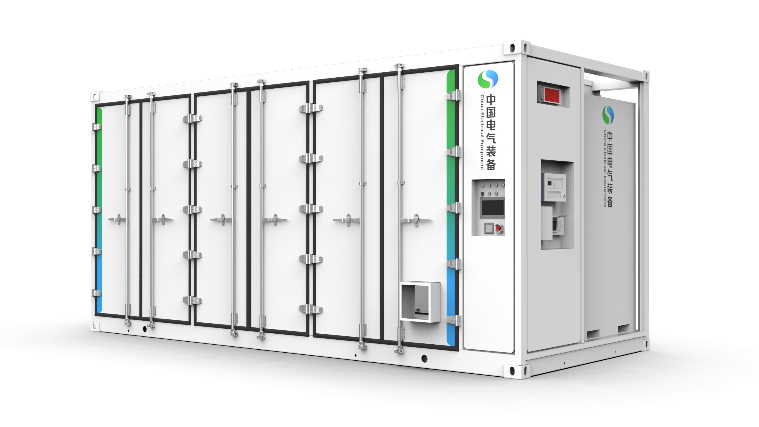
MESS8201-2507/5015-BN Prefabricated Liquid-cooled Energy Storage Battery Container
Xuchang Xuji Electric Science Energy Storage Technology Co., Ltd.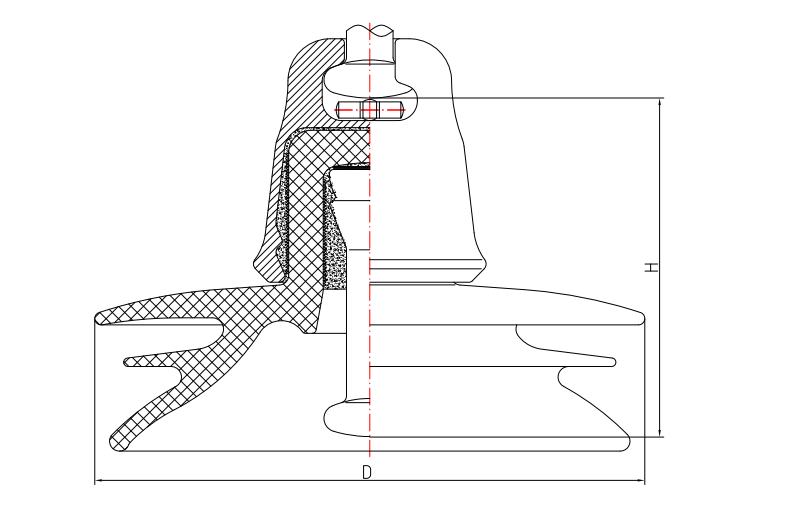
Post-type AC Pollution-resistant Disc Suspension Porcelain Insulator (Triple Umbrella Type)
Shandong High Voltage Insulator Co., Ltd.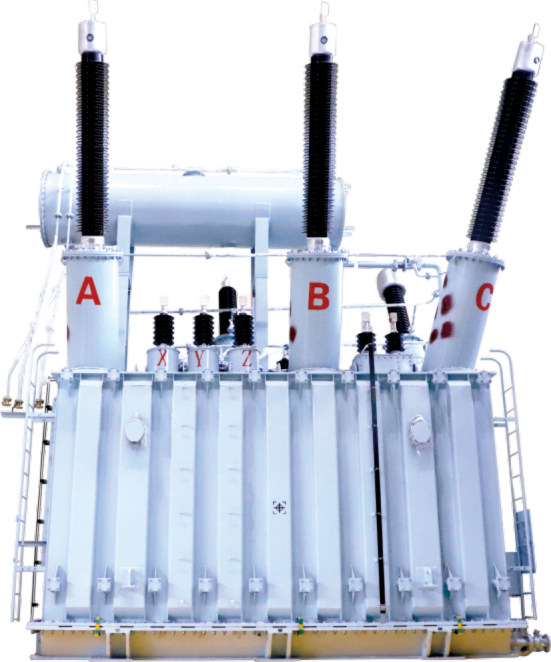

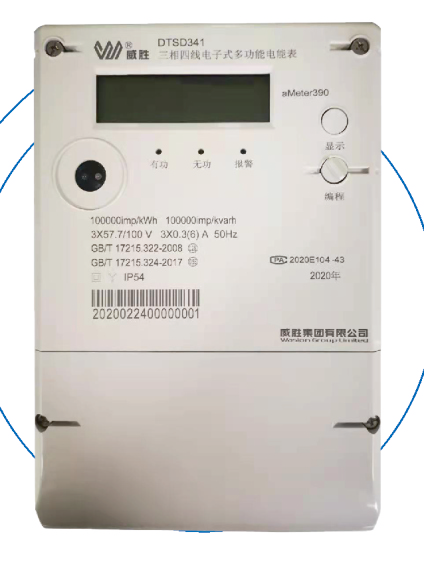
Overseas IEC Gateway Energy Meter - DTSD341/DSSD331-aMeter390
Wasion Group Limited Co., Ltd.

Hydraulic Turbine Genset
Dongfang Electric Corporation Dongfang Electric Machinery Co., Ltd.