Commercial and Industrial PV Growth Requires Integration of Roofs, Tariffs and Load Profiles
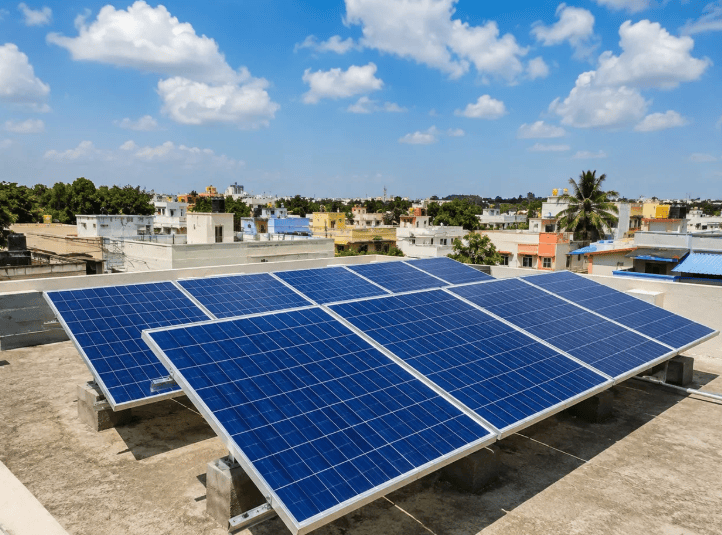
Commercial and industrial PV is one of the most active segments of today’s solar industry. High electricity prices, abundant rooftop resources and growing decarbonization pressure are encouraging factories, industrial parks, warehouses, shopping centers and data centers to install distributed PV. The IEA states that distributed PV will account for 42% of global PV expansion from 2025 to 2030, driven by high retail electricity prices, policy support and the desire to reduce power bills.
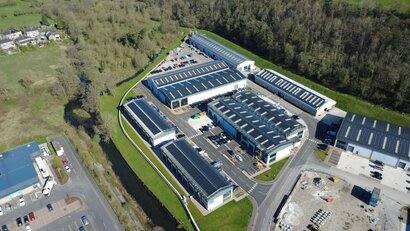
However, C&I PV is not simply a matter of “having a roof.” Professional Photovoltaic System Integration must solve three issues at the same time: roof conditions, tariff mechanisms and load profiles. The roof determines whether a project can be built. Tariffs determine whether it is economically attractive. Load profiles determine self-consumption and revenue stability.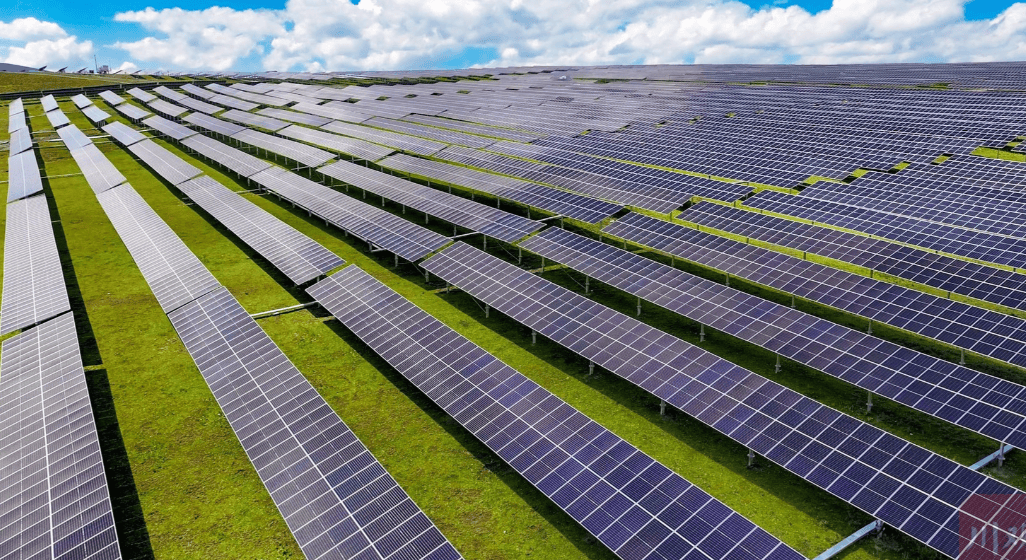 The first issue is the roof. Integrators must evaluate structural load capacity, waterproofing, orientation, shading, usable area, fire access and maintenance access. Many projects focus only on roof area while ignoring structural load and waterproofing life, which can later lead to leakage, reinforcement costs or construction rework. For metal roofs, corrosion, fastener strength and wind resistance must be checked carefully.
The second issue is tariffs and settlement. C&I project returns depend strongly on peak-valley pricing, self-consumption ratio, export tariffs and demand charges. If a company has stable daytime load, a high share of PV output can be consumed on site. If production stops on weekends or load varies seasonally, surplus export and price risks must be assessed.
The third issue is load matching. System design should not simply maximize installed capacity according to available roof space. It should analyze 15-minute or hourly load curves and compare them with expected PV generation. For enterprises with high daytime load and large peak-valley price spreads, PV-plus-storage and energy management systems can improve self-consumption and support peak shaving.
Future C&I PV competition will not be only about cost per watt. It will be about system-level revenue modeling. A strong Photovoltaic System Integration solution should balance roof safety, electrical safety, grid stability, load structure and financial returns. For business owners, PV is not just equipment on a roof; it is a long-term energy asset.
Related Products


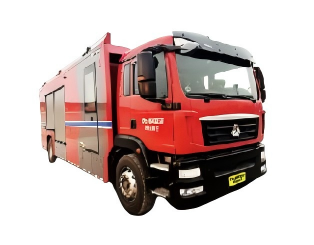
Modular Multifunctional Water Supply and Drainage Vehicle (18T)
Changsha Dewater Machinery Technology Co., Ltd.
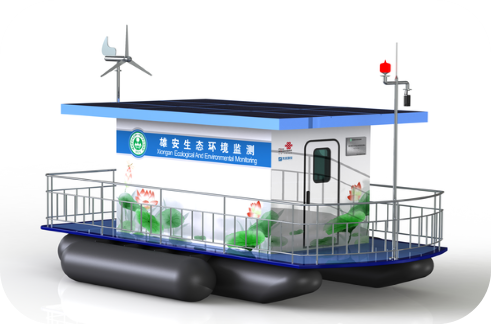
Floating Boat Water Quality Automatic Monitoring System
Hebei Sailhero Environmental Protection High-tech Co., Ltd.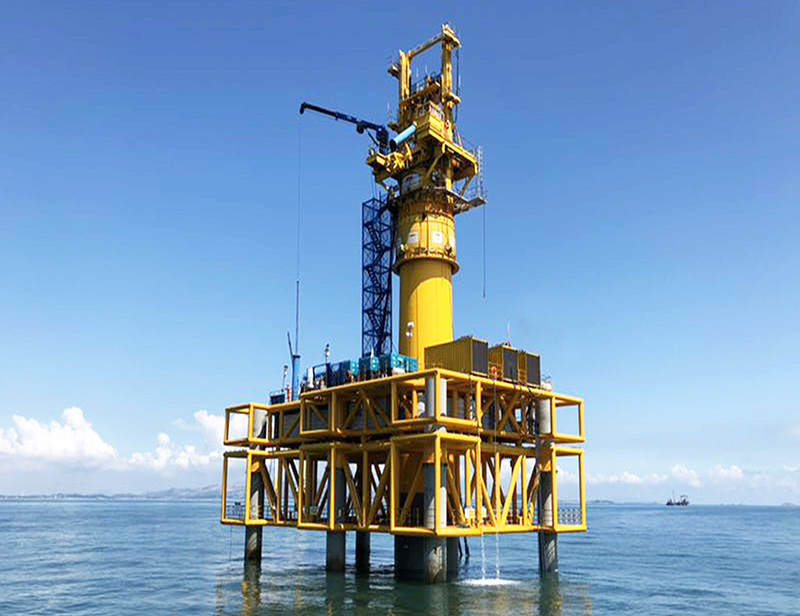
CITIC Heavy Industries Offshore Wind Power Equipment Hydraulic Pile Hammer
CITIC Heavy Industries Co., Ltd.
Quick-Change Single-Seat Control Valve / Quick-Change High-Pressure Single-Seat Control Valve
Beijing Consen Automation Technology Co., Ltd.
Oil-immersed Amorphous Alloy Core Distribution Transformer
Pinggao Group Smart Electric Co., Ltd.
CAP1400 main feedwater flow nozzle flowmeter.
Jiangsu Hongda Instrument Technology Co., LTD.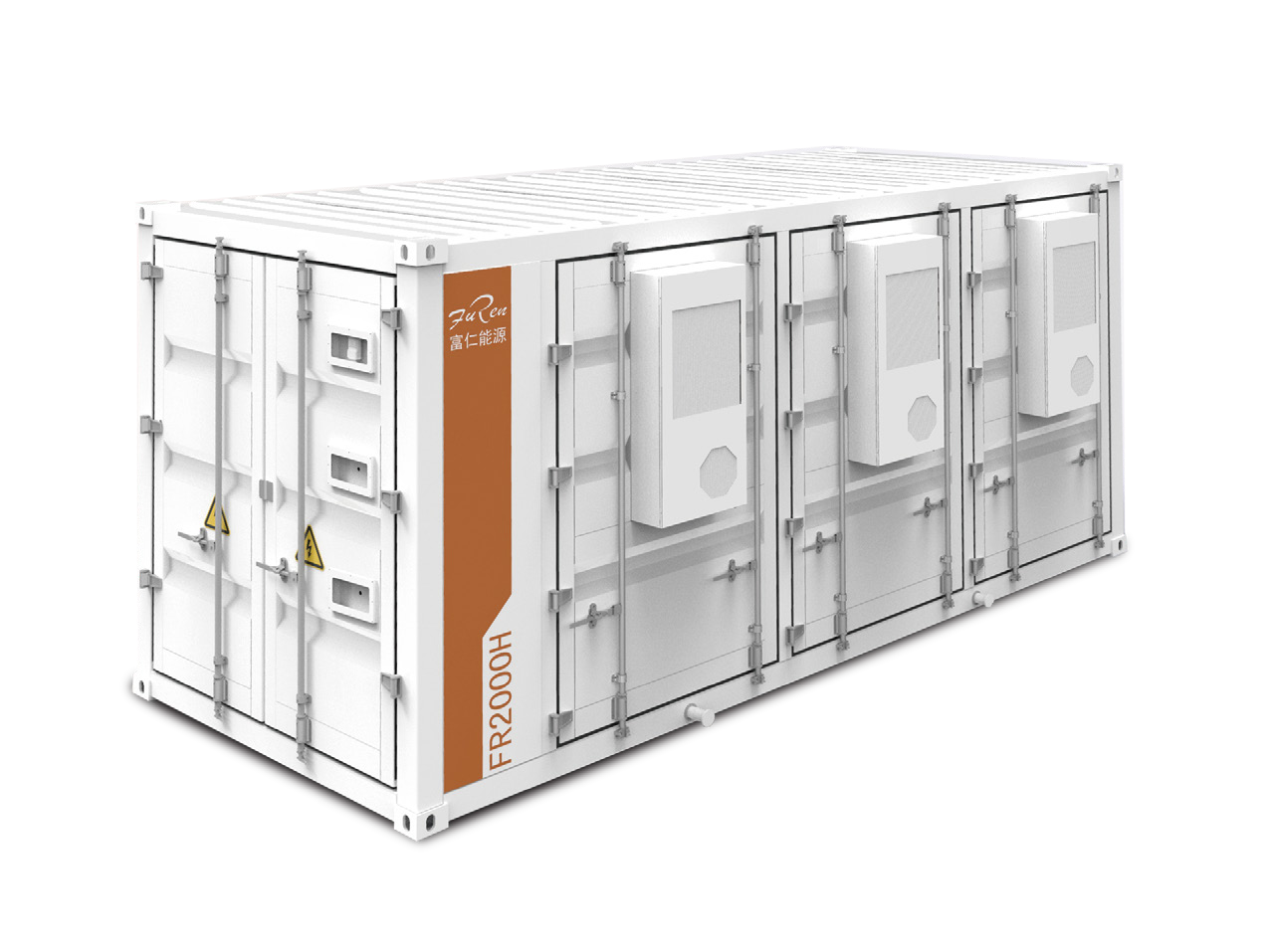
FR2000H 2.15MWh (Air-cooled) 20-foot Containerized Energy Storage System
Jiangyin Furen High-tech Co., Ltd.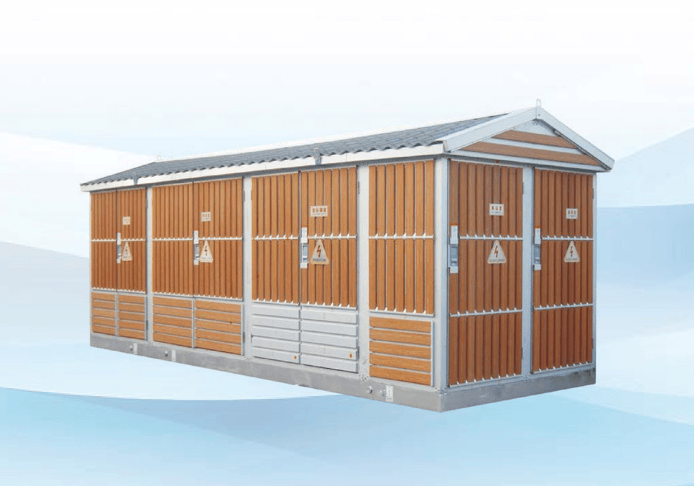
YB □ -12/0.4/1250 Outdoor Prefabricated Substation (European Style)
Shangrao Shangyu Intelligent Electric Co., Ltd.