PV-Plus-Storage Is Turning PV System Integration into Flexibility Integration
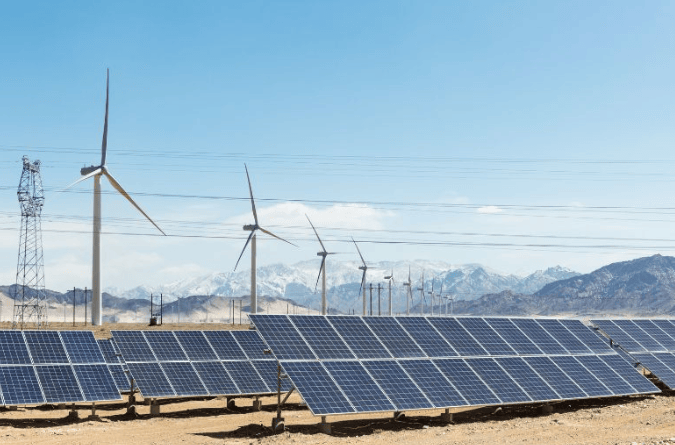
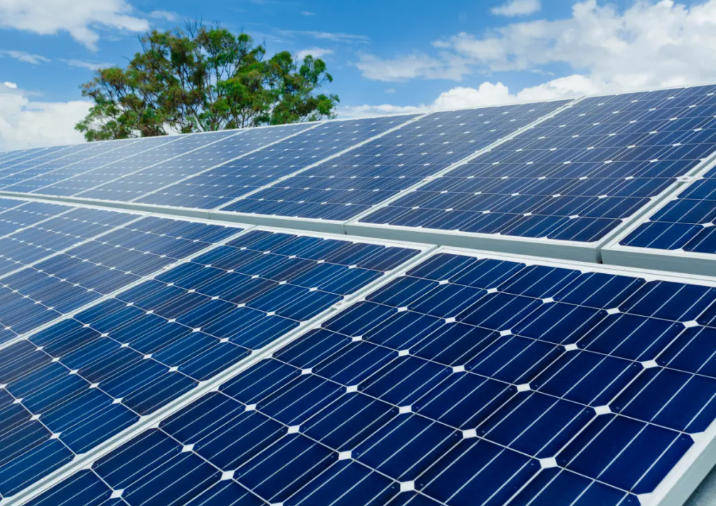
As solar PV penetration rises, the key challenge is shifting from how to generate more electricity to how to consume, store and dispatch it effectively. PV output has a clear daily profile, with high production at noon and fast decline in the evening, which does not always match local demand peaks. The addition of storage upgrades Photovoltaic System Integration from generation integration to integrated generation, storage, conversion, control and dispatch.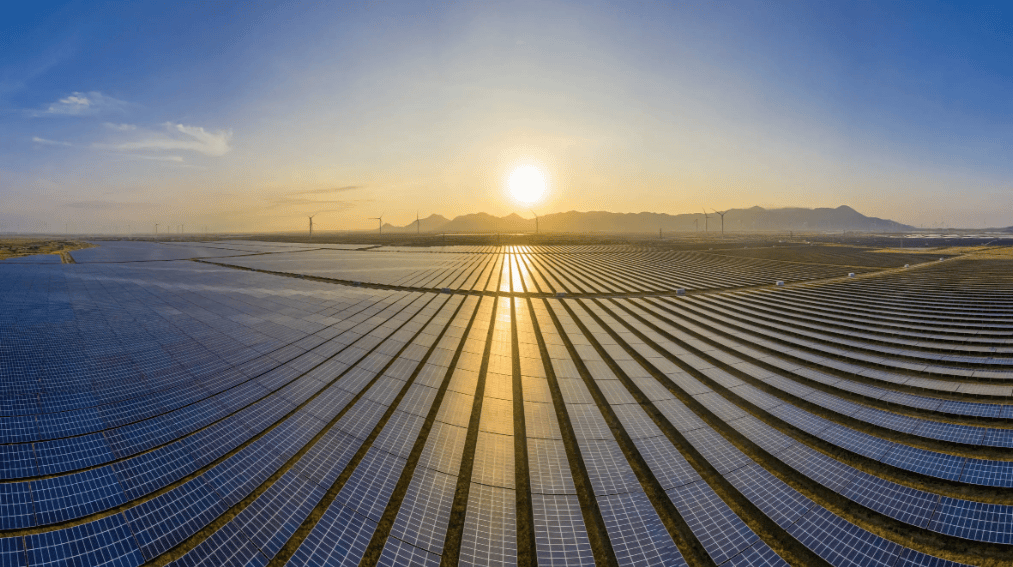 The IEA’s 2026 global energy analysis states that global solar PV generation increased by around 600 TWh in 2025, the largest structural annual increase ever recorded for any electricity generation technology. Battery storage was the fastest-growing power sector technology in 2025, with about 110 GW of new capacity added. This shows that PV and storage are expanding rapidly together, and their coordination will become a key power system capability.
PV-plus-storage integration is not simply adding a battery. Integrators must solve storage capacity sizing, power rating, charge-discharge strategy, grid protection, EMS control, fire safety, battery life and revenue models. If storage is too small, it cannot effectively reduce peaks or curtailment. If it is too large, payback pressure increases. If control strategy is poor, batteries may cycle inefficiently, age faster or fail to deliver value during critical periods.
In C&I scenarios, PV-plus-storage value mainly comes from higher self-consumption, lower demand charges, peak shaving and backup power. In utility-scale plants, storage is used to smooth output, reduce curtailment, provide ancillary services and improve grid friendliness. In microgrid and off-grid systems, storage directly determines supply continuity.
A professional recommendation is to design PV-plus-storage systems around load curves and revenue models, rather than using a fixed storage-to-PV ratio. PV generation profiles, tariffs, load, curtailment probability, dispatch requirements, battery cycle life and O&M costs should all be evaluated together. The core capability of future high-quality Photovoltaic System Integration will be turning PV from a variable generator into a predictable, flexible and tradable energy unit.
Related Products

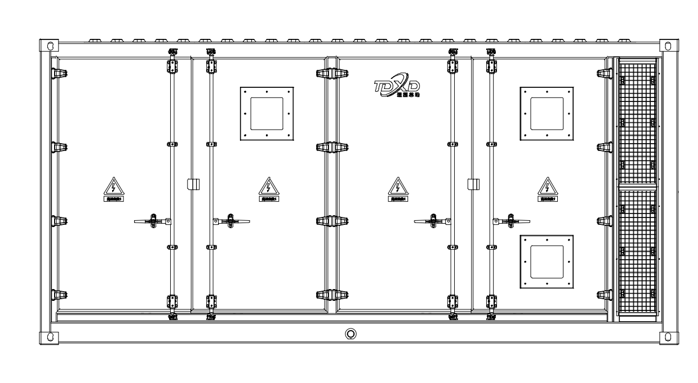
5012kWh DC Energy Storage System TD-EES-5012kWh
Suzhou Tongding Xindong Energy Storage Technology Co., Ltd.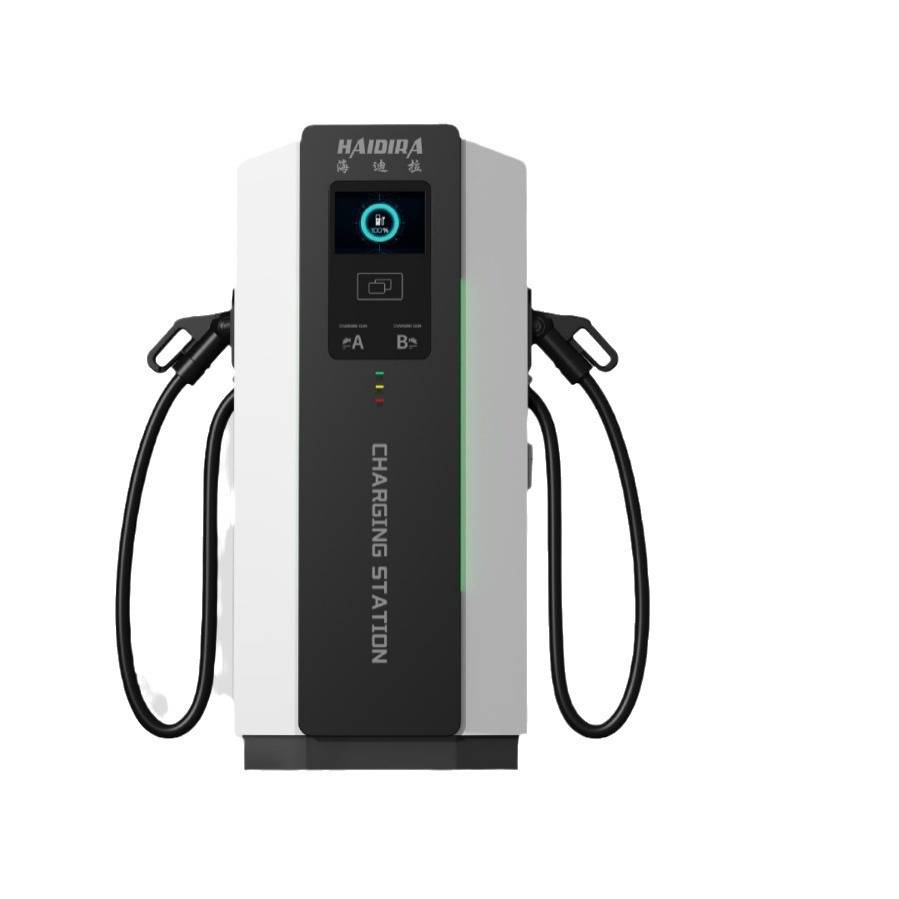
Manufacturer Direct Sales Tesla New Energy Electric Vehicle Universal DC 180kW Dual-gun Charging Pile Commercial Fast Charger
Anhui Haidira Electric Technology Co., Ltd.
Modular Multifunctional Water Supply and Drainage Vehicle (18T)
Changsha Dewater Machinery Technology Co., Ltd.
Off-Grid Fuel Cell Supercharging Station (180kW Configuration)
Shanghai REFIRE Group Limited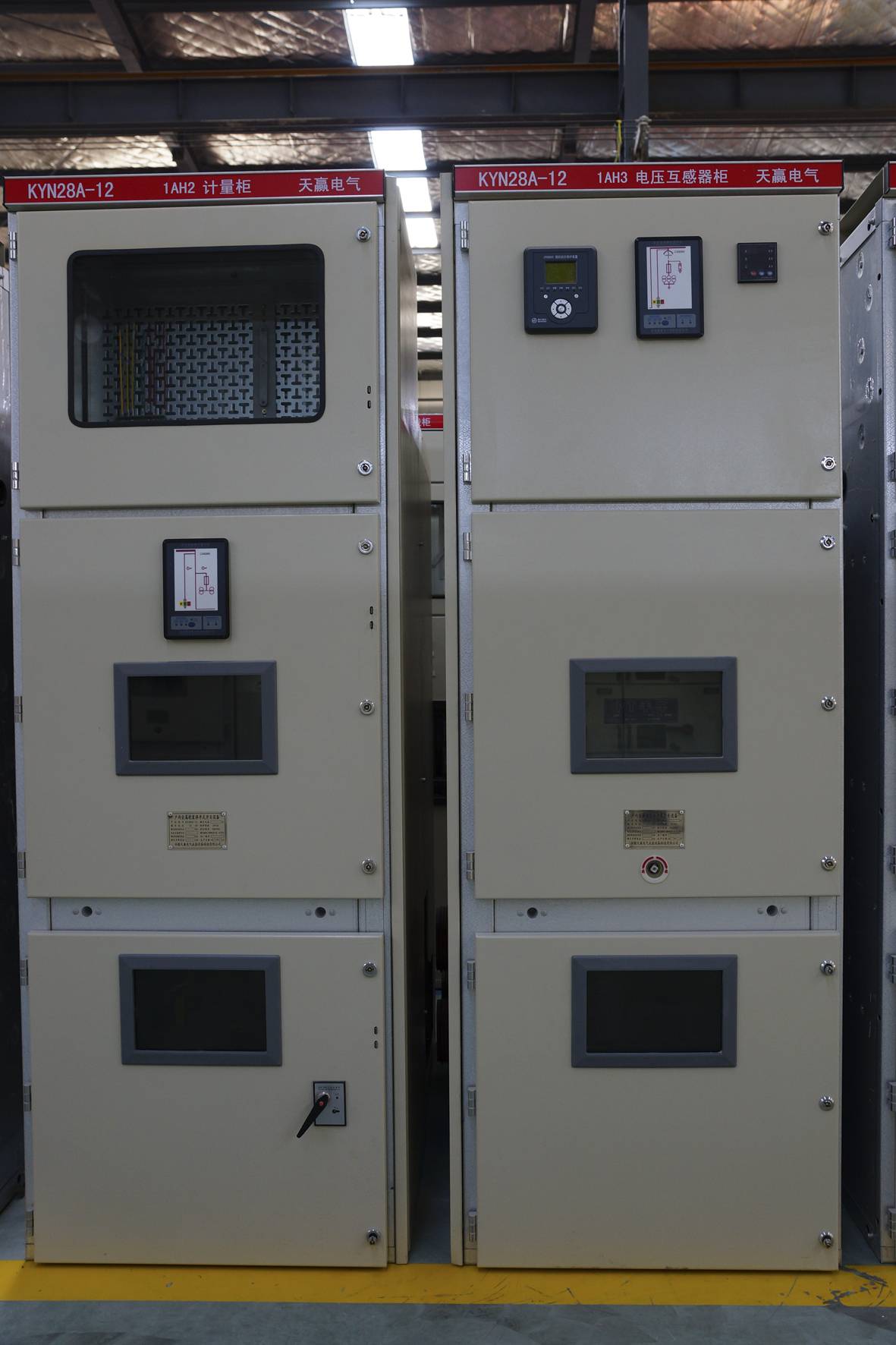
KYN28 - High Voltage Switchgear
Anhui Tianying Electrical Equipment Manufacturing Co., Ltd.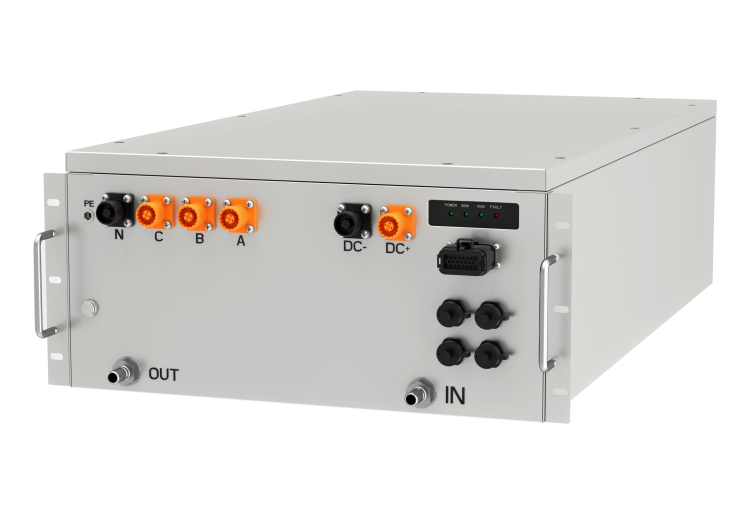
Mars (Liquid Cooling) Series Industrial and Commercial Energy Storage Converter High Protection Module
Shenzhen Winline Technology Co., Ltd.