Building Decarbonization Is Driving BIPV Demand, with Coordination Between Architecture and Power Design as the Key
The buildings sector is a major part of global energy consumption. According to the IEA, total final energy consumption exceeded 450 EJ in 2024, and buildings accounted for around 30% of global energy demand. Buildings also contributed about 20% of the growth in total final energy demand since 2019. This means that building energy efficiency and on-site renewable generation will directly affect the global energy transition.
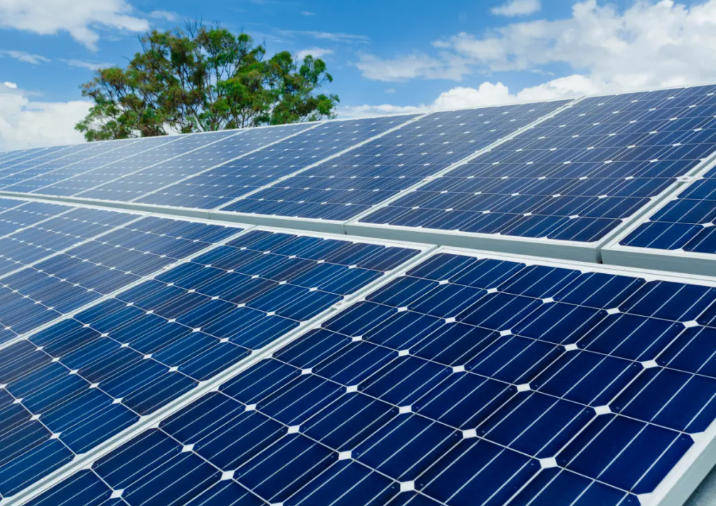
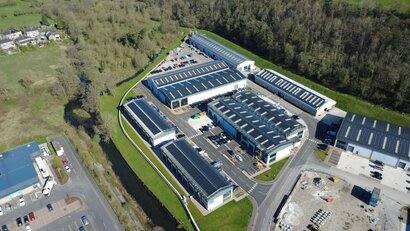
Against this background, demand for Building-Integrated Photovoltaics is being reassessed. BIPV is different from conventional building energy-saving measures and also different from ordinary distributed PV. It embeds power generation into the building itself, turning rooftops, façades, skylights and shading components into energy-producing surfaces that support building efficiency, renewable energy use and low-carbon asset management.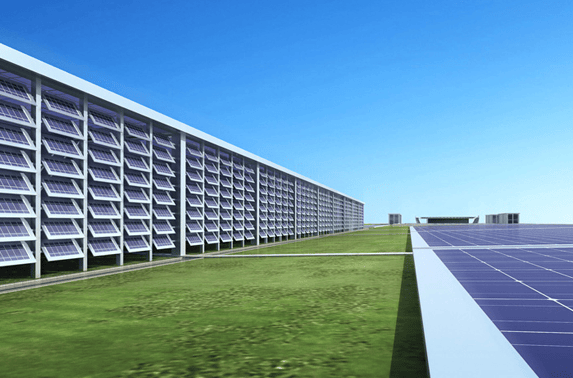 Current BIPV demand comes mainly from four scenarios. The first is public buildings, such as airports, railway stations, exhibition centers, schools and hospitals. The second is commercial and industrial buildings, including factories, warehouses, industrial park offices and logistics centers. The third is urban renewal, such as old factory renovation, commercial complex upgrades and zero-carbon park construction. The fourth is high-end green buildings, including near-zero-energy and low-carbon demonstration buildings.
The difficulty is coordination. Architects focus on structure, safety, aesthetics and usability, while power engineers focus on energy yield, grid connection, protection and O&M. Without coordination, projects may produce good architectural effects but poor generation, or high generation but unacceptable building risks. For example, façade PV may underperform if shading and orientation are ignored; rooftop BIPV may create leakage risks if waterproofing and drainage are poorly designed.
A professional BIPV project must use integrated design across architecture, electrical engineering, structure, curtain wall, fire safety and O&M. During the architectural scheme stage, designers should define usable PV area, module type, electrical routing, inverter location, maintenance access and fire boundaries. Only when PV changes from a retrofitted device into a building component can Building-Integrated Photovoltaics deliver long-term value.
Related Products

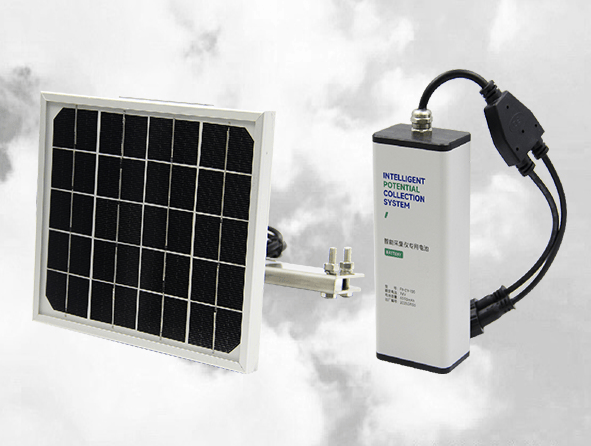
Inductive Power Harvesting Self-Powered Device - Safuneng
SELF ENERGY TECHNOLOGY (SHENZHEN) CO., LTD.
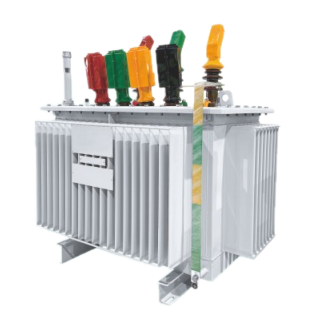
IS(B)□-M·RL Series Oil-immersed 3D Transformer (Planar / 3D Wound Core)
Guangdong Kehua Electric Power Technology Co., Ltd.
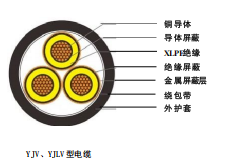
Rated Voltage 6-35kV Cross-linked Polyethylene Insulated Power Cable
TONGDING INTERCONNECTION INFORMATION CO., LTD.