BIPV and Agrivoltaics Require Cross-Disciplinary Photovoltaic System Integration
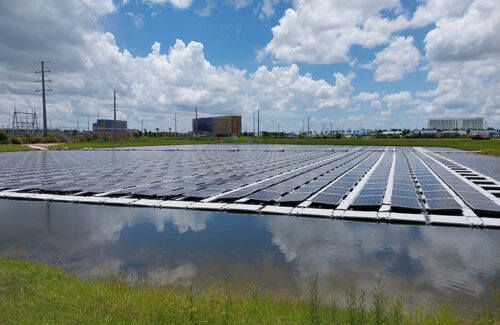
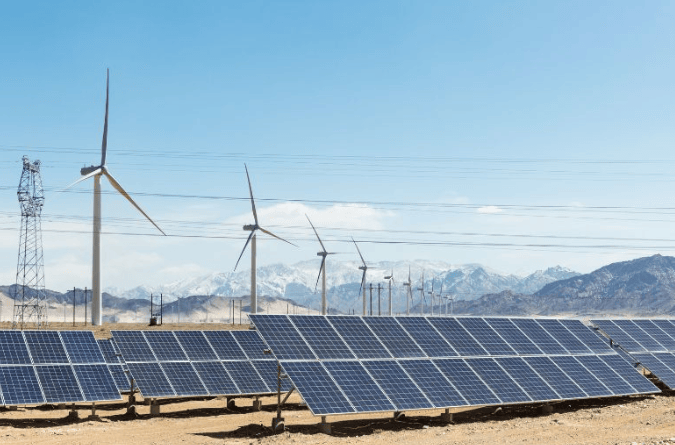
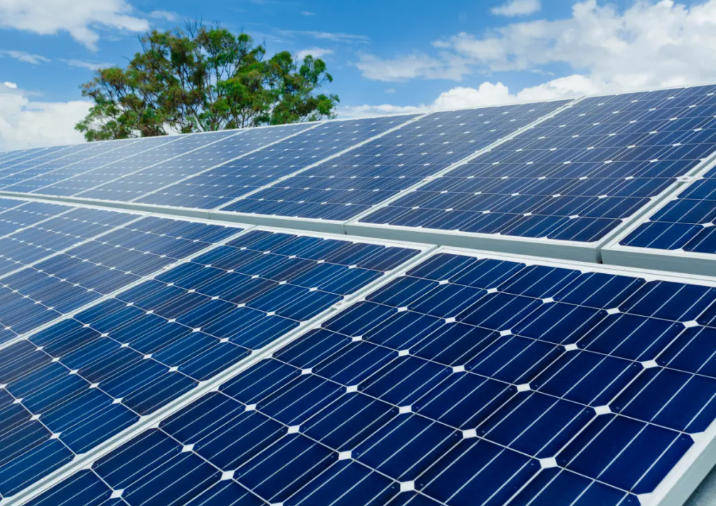
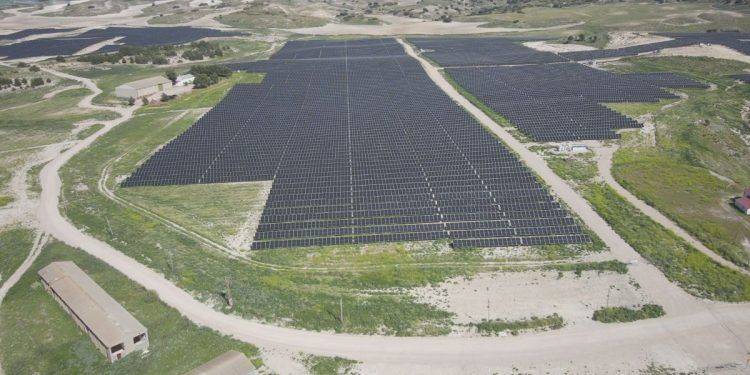
As land constraints become stronger, PV is expanding from standalone ground-mounted plants into more hybrid scenarios, including BIPV, agrivoltaics, fishery-PV systems, transport-corridor PV and integrated energy projects in industrial parks. These scenarios share one feature: PV is no longer an isolated generation facility. It is deeply integrated with buildings, agriculture, transportation, environmental protection and energy systems. Therefore, Photovoltaic System Integration requires cross-disciplinary coordination.
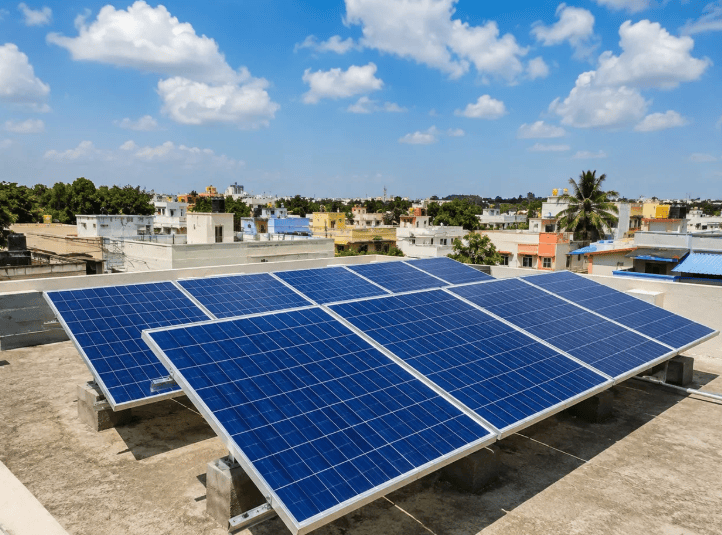
The core of BIPV is not simply installing modules on building surfaces. It must meet generation, envelope, waterproofing, fire protection, daylighting, aesthetics and structural safety requirements at the same time. If designed like ordinary PV, BIPV projects may face leakage, thermal expansion problems, fire compliance issues, difficult maintenance and unstable generation. Integrators need to work with architectural designers, curtain wall engineers, fire specialists, electrical engineers and O&M teams.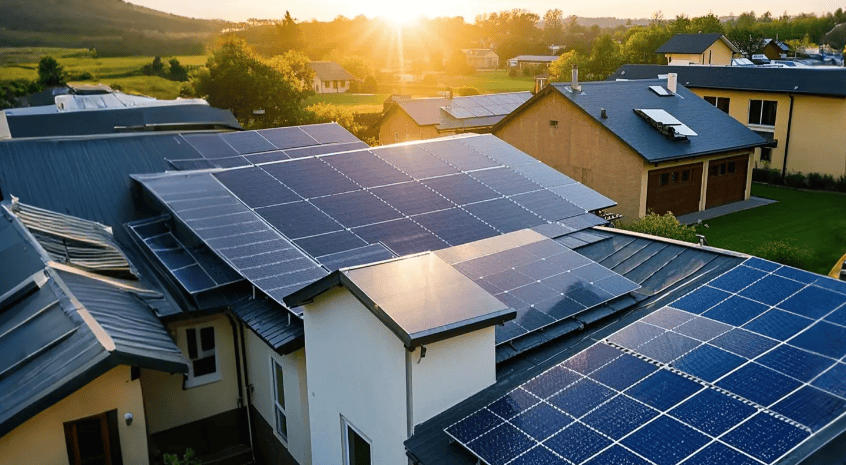 Agrivoltaics must balance power generation and agricultural production. Mounting height, row spacing, light transmittance, drainage, machinery access, crop type and land-use policy all affect project success. If installed capacity is maximized without care, crop growth and machinery operation may suffer. If agricultural needs dominate completely, generation revenue may decline.
The IEA expects global PV growth from 2025 to 2030 to continue being driven by low costs, relatively fast permitting and broad social acceptance. As PV capacity expands, hybrid land-use scenarios will become important in land-constrained regions.
A professional recommendation is that hybrid PV projects must move from single-discipline design to integrated design. BIPV should first define building function boundaries, then determine PV modules and electrical design. Agrivoltaics should first define the agricultural production model, then optimize mounting and array layout. The future value of integrators will not lie only in knowing PV equipment, but in understanding scenarios, constraints and multi-disciplinary coordination.
Related Products
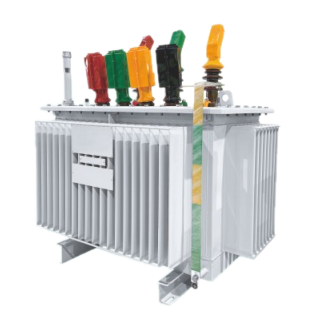

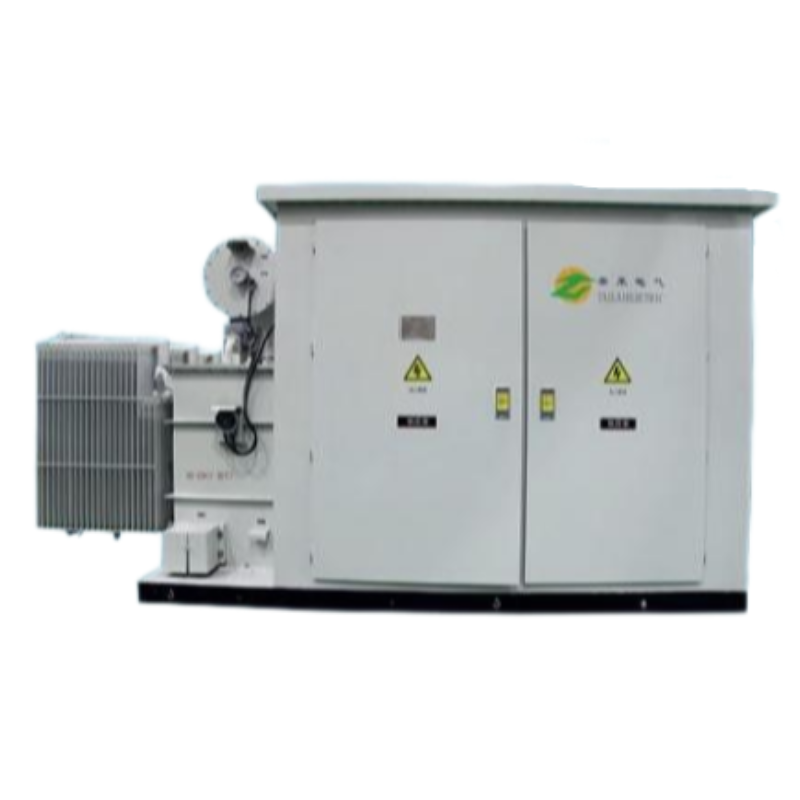
IS(B)□-M·RL Series Oil-immersed 3D Transformer (Planar / 3D Wound Core)
Guangdong Kehua Electric Power Technology Co., Ltd.
Standard Nozzle Flowmeter
Jinggong Automatic Control Instrument Complete Technology Development Company
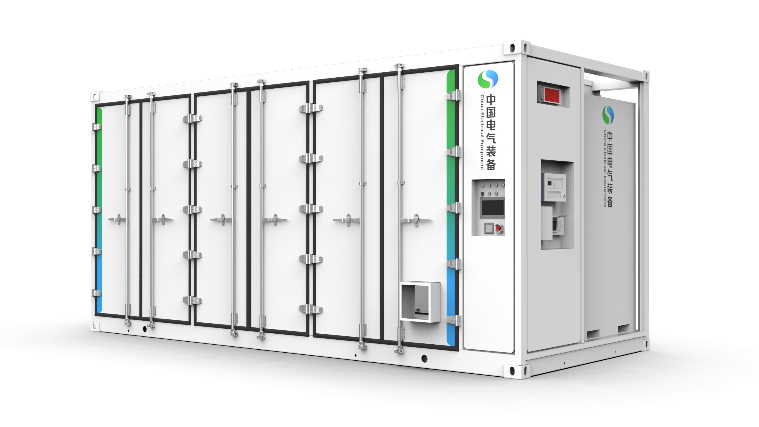
MESS8201-2507/5015-BN Prefabricated Liquid-cooled Energy Storage Battery Container
Xuchang Xuji Electric Science Energy Storage Technology Co., Ltd.
Microcomputer Protection and Substation Automation
Beijing Agent Devote Power Technology Development Co., Ltd.
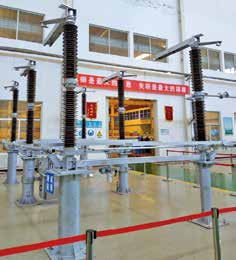
GW4-40.5/72.5/126/145/170/252/363/420 Series Double-column Horizontal Rotary High-voltage AC Disconnect Switch
SHANDONG TAIKAI DISCONNECTORS CO., LTD.
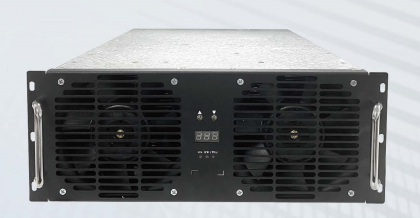
80kW Megawatt Supercharging Module TH80F10030C9
Shijiazhuang Tonhe Electronics Technologies Co., Ltd.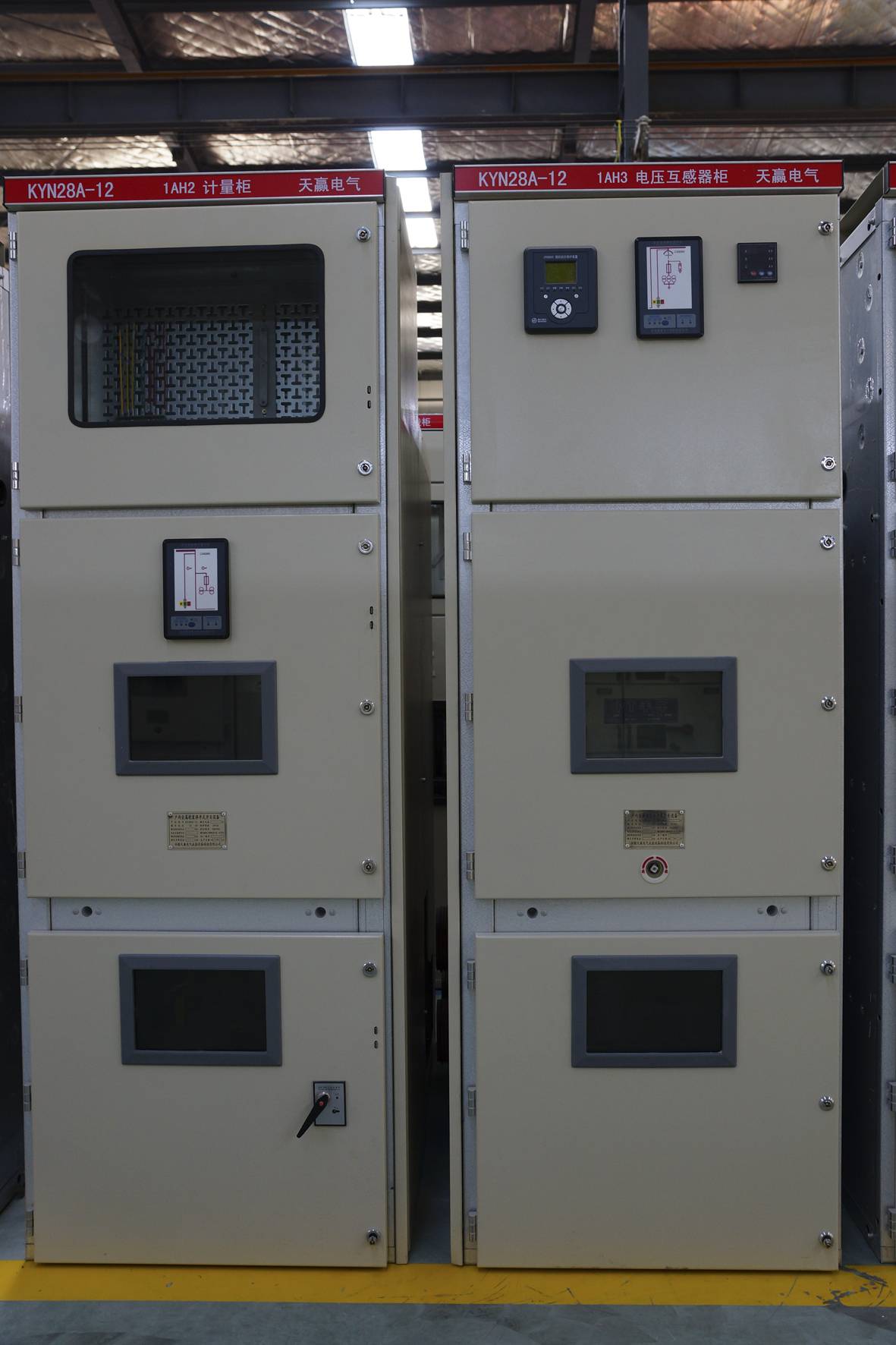
KYN28 - High Voltage Switchgear
Anhui Tianying Electrical Equipment Manufacturing Co., Ltd.