
In the Era of Long-Term Value, Photovoltaic System Integration Must Move from LCOE to Asset Management 中文版
2026-05-19 17:53
Favorite
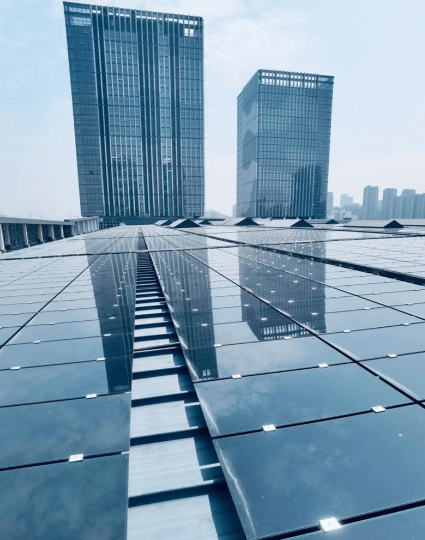 Asset management requires integrators to focus on five long-term variables. The first is generation stability, including module degradation, inverter efficiency, line losses, shading and soiling. The second is equipment life, including inverter replacement cycles, mounting corrosion, cable aging and connector reliability. The third is O&M cost, including inspection, cleaning, fault handling and spare parts. The fourth is market revenue, including tariff changes, curtailment risk, ancillary services and green certificate income. The fifth is safety risk, including DC arc faults, fire protection, structural safety and extreme weather.
This bulletin is compiled and reposted from information of global Internet and strategic partners, aiming to provide communication for readers. If there is any infringement or other issues, please inform us in time. We will make modifications or deletions accordingly. Unauthorized reproduction of this article is strictly prohibited. Email: news@wedoany.com
Related Products

Negotiable
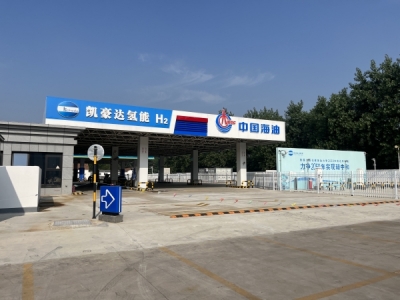
Hydrogen production and hydrogenation charging refueling gas integrated energy station
Shenzhen Kohodo Hydrogen Energy Co., Ltd.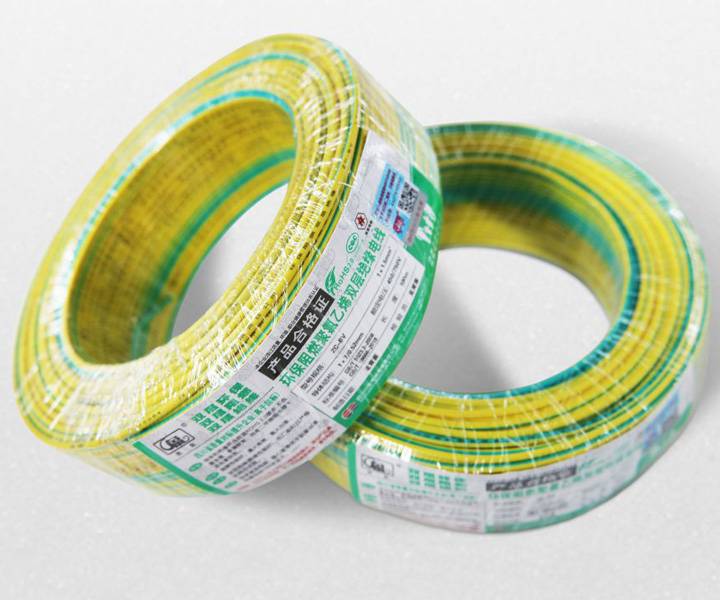
Negotiable /m
Environmentally Friendly Flame-retardant PVC Double-layer Insulated Wire
Sichuan Chndo Cable Co., Ltd.
Negotiable /Unit
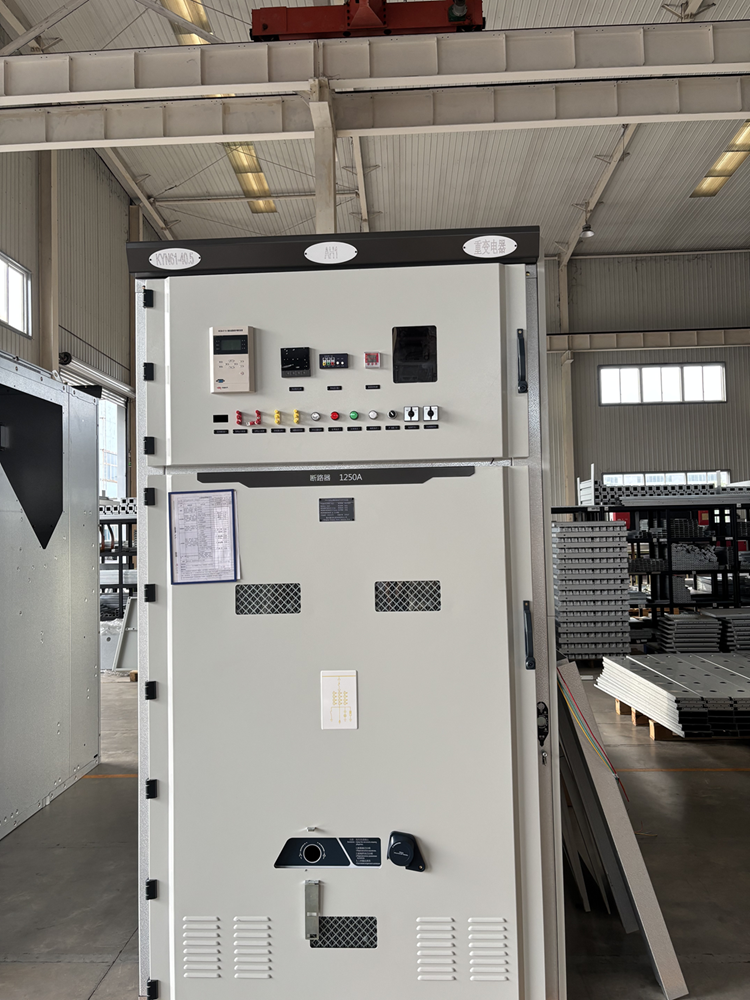
KYN61-40.5 Indoor AC Metal-clad Removable Switchgear
Chongqing Transformer Co., Ltd.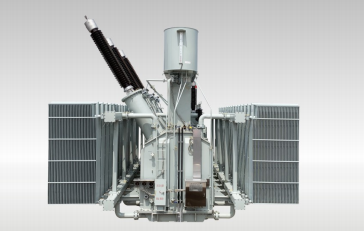
Negotiable
220kV and Below Voltage Level Energy-saving Oil-immersed Power Transformers
FuZhou TianYu Electric Co., Ltd.
Negotiable
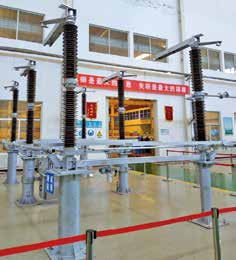
GW4-40.5/72.5/126/145/170/252/363/420 Series Double-column Horizontal Rotary High-voltage AC Disconnect Switch
SHANDONG TAIKAI DISCONNECTORS CO., LTD.
Related Reading
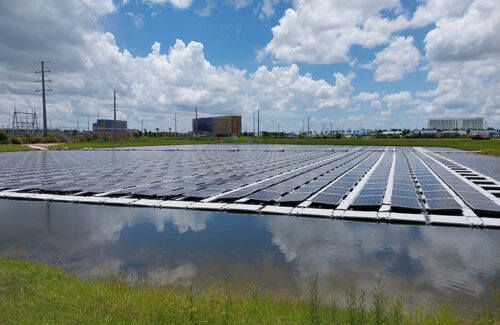
USA's 1.4 MW Floating Solar System at Universal Epic Universe Put into Operation
2026-10-07

UNSW Australia Launches Outdoor Testing of 160 Perovskite Modules
2026-10-06
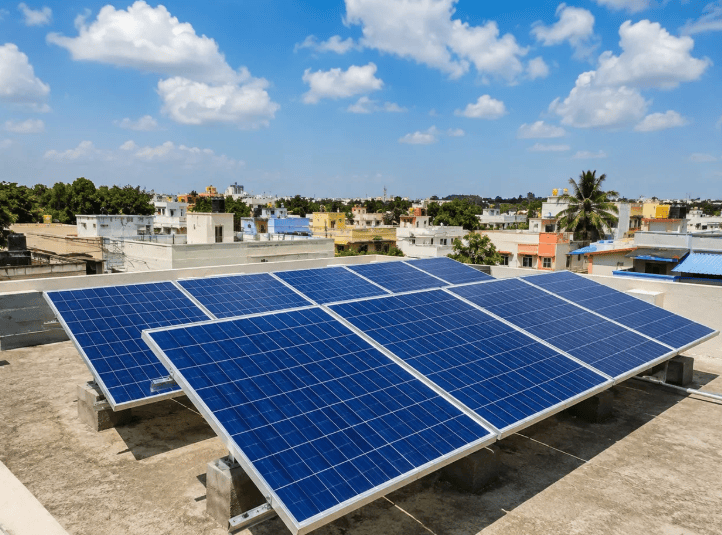
India's NALCO Awards 7MW Rooftop Solar Project
2026-10-06
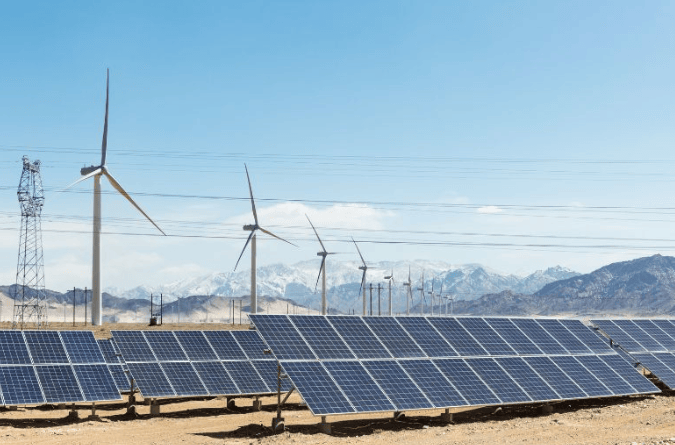
India's Vardhman Signs 27MW Wind-Solar Power Supply Agreement
2026-10-06
Indian BIS Solar PV Module Model Numbers Must Include Country Code, Deadline March 30, 2027
2026-10-06
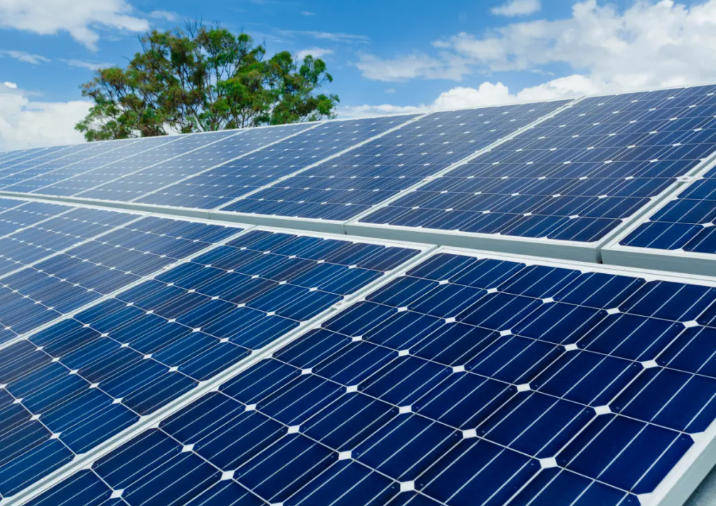
Aquila Commissions 17.85 MWp Solar Plant in Spain
2026-10-06
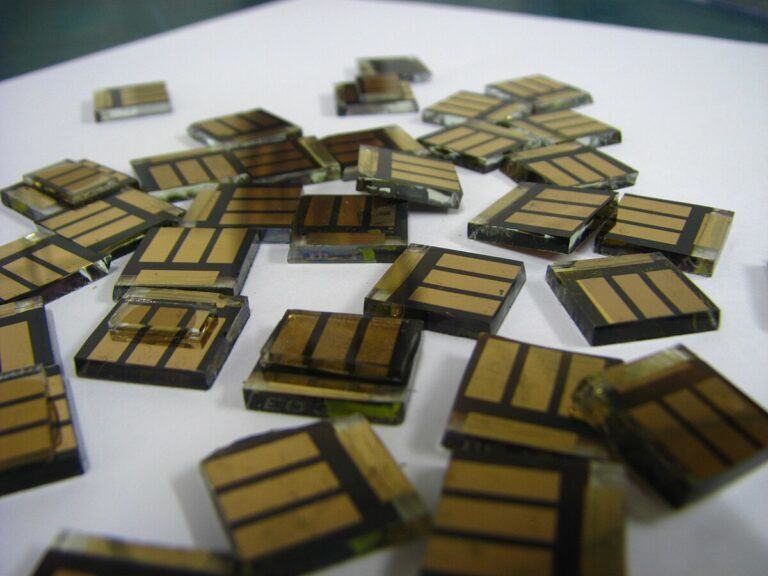
Chinese Huazhong University of Science and Technology Team: Best-Practice Perovskite Lead Leakage 94% Lower Than Lead-Containing Solder Crystalline Silicon
2026-10-06
Spain's EDP and Zelestra Sign Over 1 GWh of Energy Storage Capacity
2026-10-06
Litton Properties Deploys 1.12MWp of Solar PV Across 10 Sites by 2026
2026-10-06
Alight Acquires 2GW Solar and Energy Storage Project Pipeline in Sweden
2026-10-06
Related Video
Zhejiang Sunyata Power Co., Ltd
00:02:31

This is how water is recycled.
00:00:20

Harnessing Every Drop: The Ultimate DIY Rainwater Harvesting System When it comes to sustainable homesteading, water is gold. While most people let the rain wash off their roofs and into the storm drains, a smart backyard setup can turn a heavy afternoon downpour into weeks of free irrigation for your garden. This multi-barrel system—utilizing repurposed barrels, PVC, and sturdy cinder block foundations—is a masterclass in functional, DIY infrastructure.
00:00:15

This residential rainwater recycling system uses leaf screens, fine filtration with activated carbon or zeolite, and controlled overflow to protect storage tanks. A centrifugal pump allows water reuse for laundry and toilets, improving household water efficiency.
00:00:37

IoT-enabled Smart Grids
00:01:19