High-Penetration Distributed PV Requires Stronger Safety and O&M Integration
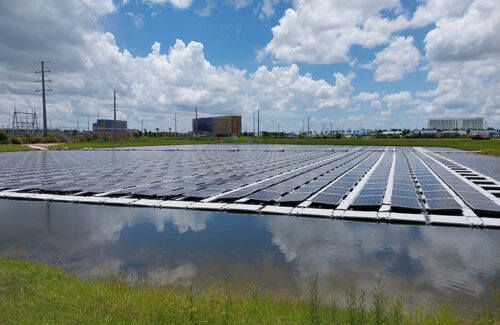
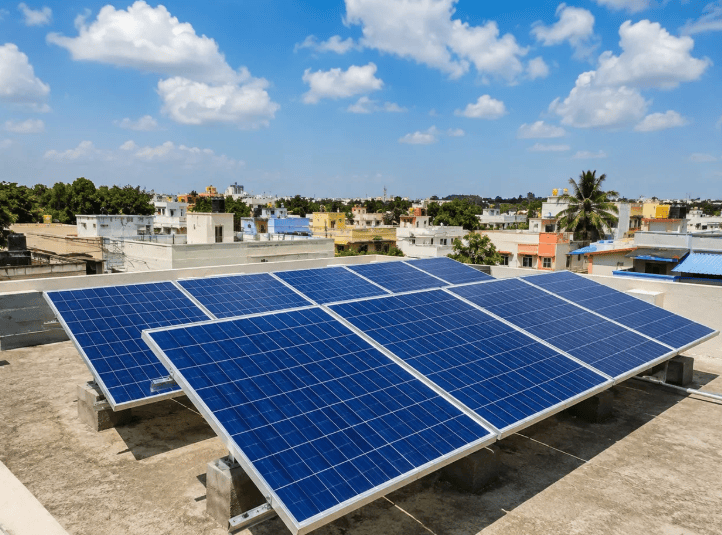
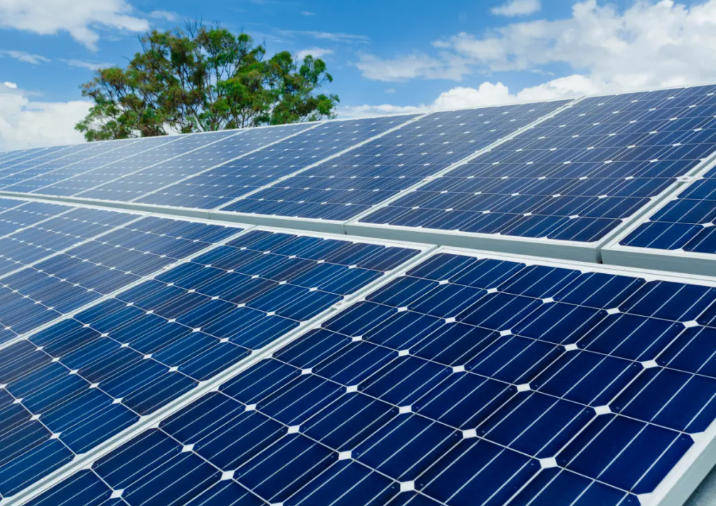
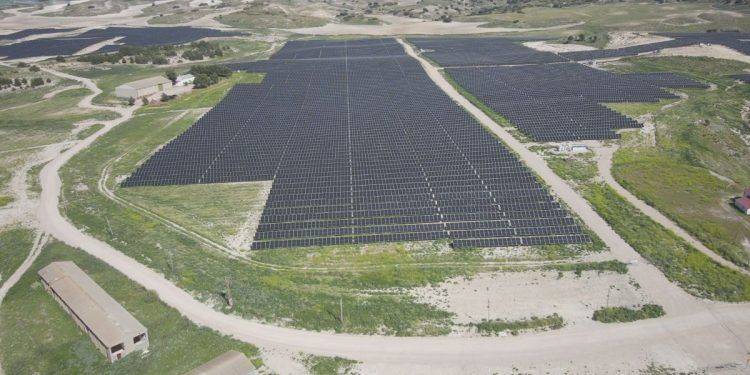
Distributed PV is one of the most dynamic segments of the solar industry because it grows quickly, appears in many scenarios and involves diverse owners. However, because projects are numerous, smaller in scale and built by different parties, distributed PV can suffer from weak design, inconsistent construction quality, missing O&M and unclear safety responsibility. In distributed applications, Photovoltaic System Integration must treat safety and O&M as important as energy yield.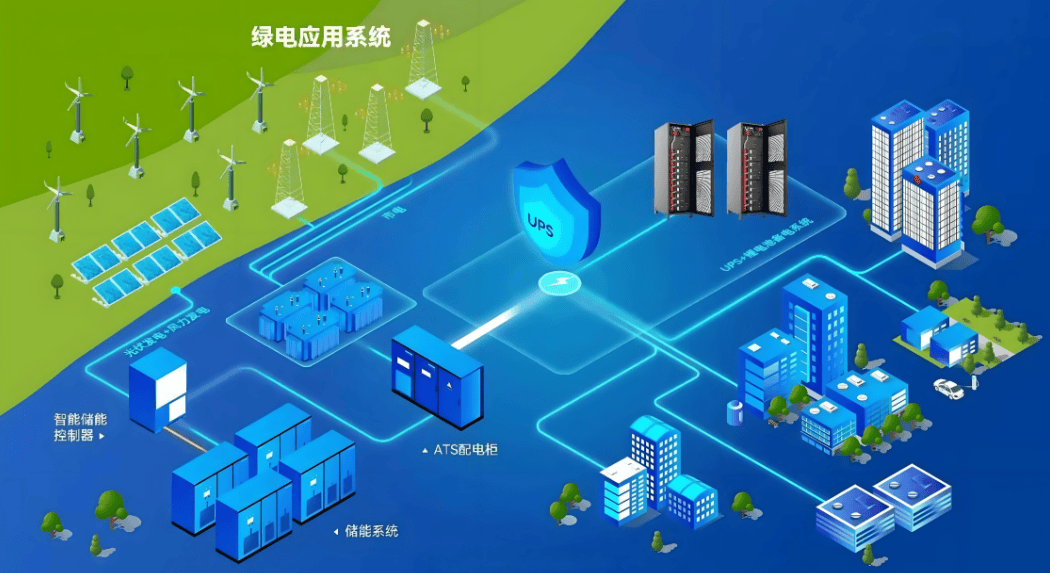 IRENA reports that solar added 452 GW in 2024, making it the dominant driver of renewable capacity growth. The IEA further forecasts that distributed PV will account for 42% of total PV expansion from 2025 to 2030. This means much future solar capacity will be installed on rooftops, industrial parks, buildings, farms and off-grid sites, not only in utility-scale ground-mounted plants.
Distributed PV safety risks appear in four main areas. The first is structural safety, including roof loading, wind resistance, waterproofing and fire access. The second is electrical safety, including DC arc faults, overheated connectors, improper cable routing, poor grounding and incorrect inverter protection settings. The third is grid safety, including reverse power flow, voltage violations and protection coordination. The fourth is O&M safety, including unmanned inspection, module cleaning, fault handling and rooftop work risks.
Many distributed projects focus only on initial installation cost while ignoring long-term maintenance. After several years, they may face generation decline, inverter failures, module hot spots, roof leakage and owner disputes. Professional integrators should define maintenance access, equipment accessibility, monitoring platforms, fault alarms, cleaning methods and safe maintenance procedures during the design stage.
The distributed PV market will shift from fast volume expansion to high-quality operation. For corporate customers, PV systems are not one-time projects; they are energy assets operating for more than 20 years. High-quality Photovoltaic System Integration should ensure that systems are buildable, grid-connectable, monitorable, maintainable and accountable. Only then can distributed PV become a long-term tool for cost reduction, carbon reduction and energy management.
Related Products

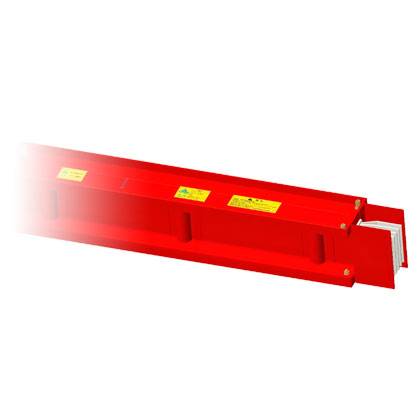
Mineral-insulated Compact Busway (Fire-resistant Busduct)
Zhuhai Guangle Electric Busway Co., Ltd.

Off-Grid Fuel Cell Supercharging Station (180kW Configuration)
Shanghai REFIRE Group Limited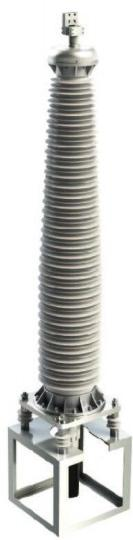
220kV Composite Outdoor Cable Terminal
Shenyang Guolian Cable Accessories Manufacture Co., Ltd.
Prefabricated Houses and Electrical Energy Boxes
Chengdu Ruilong Machinery Manufacturing Co., Ltd.