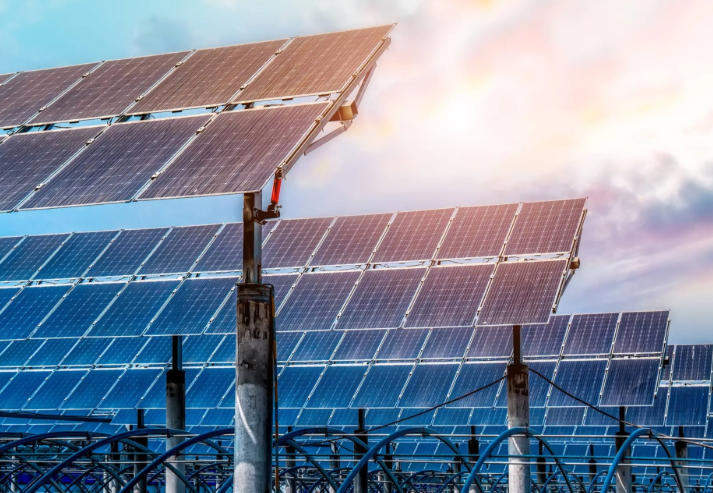
Building-Integrated Photovoltaics Is Moving from Rooftop Generation to Building Energy Systems
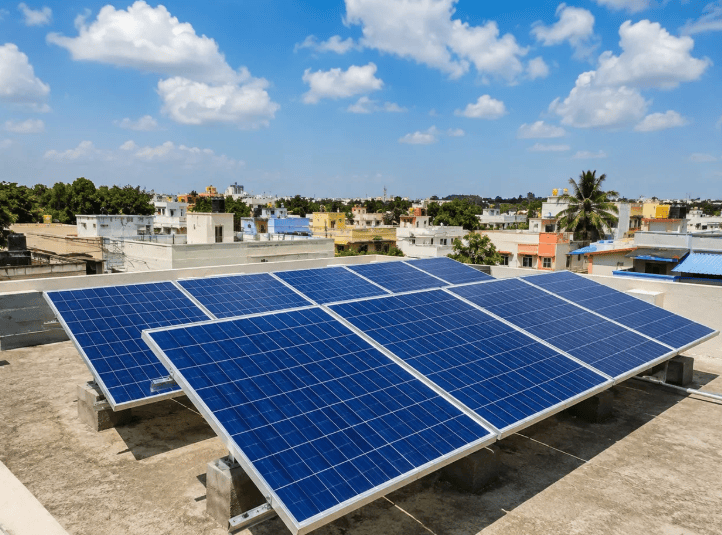
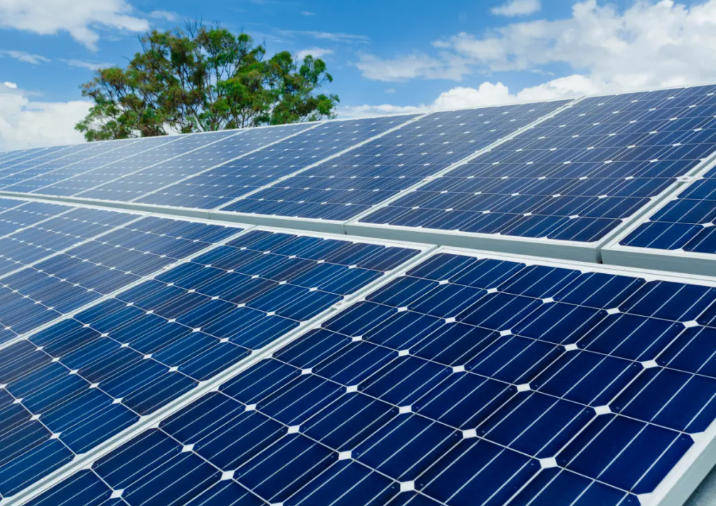
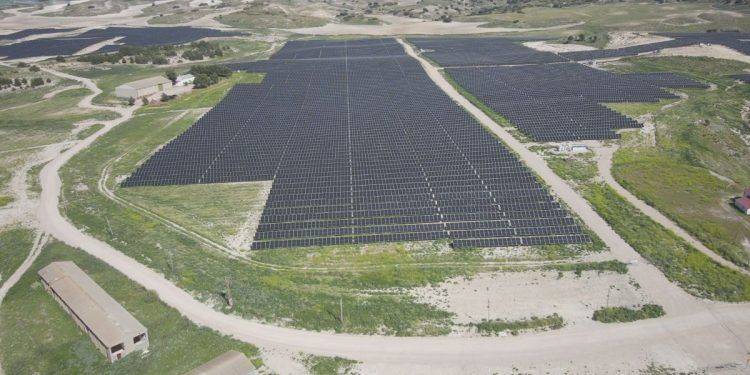
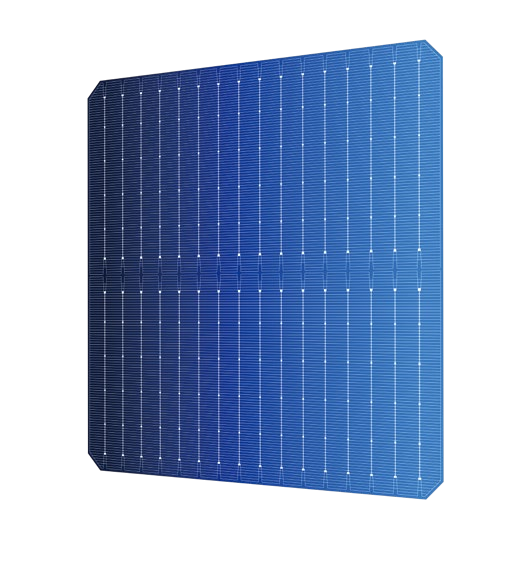
In the past, building photovoltaics were often understood as “installing PV modules on rooftops.” As building energy efficiency, distributed energy and zero-carbon industrial parks accelerate, Building-Integrated Photovoltaics is evolving from an add-on generation facility into an important part of building energy systems. It is not only a power generation solution, but also closely linked with building envelopes, façade design, electrical loads, storage systems, fire safety and operation management.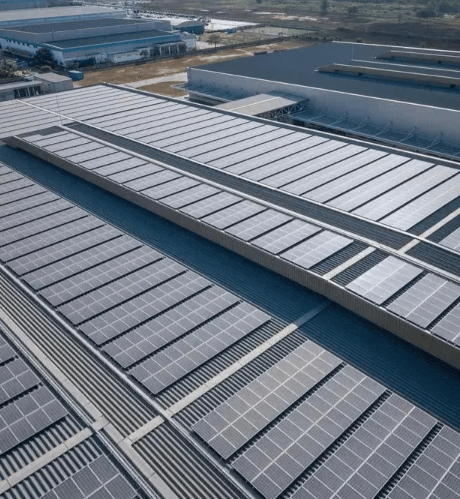 Global solar growth provides the industrial foundation for BIPV. IRENA reports that renewable capacity additions reached 585 GW in 2024, with solar adding 452 GW and accounting for more than three-quarters of new renewable capacity. The IEA also states that solar PV will account for around 80% of global renewable power capacity growth from 2025 to 2030. This shows that solar has moved from a supplementary technology to a mainstream energy source, while buildings will become a major space for further distributed PV expansion.
Compared with conventional rooftop PV, the key difference of BIPV is building integration. PV modules may serve not only as power-generating components, but also as roofing, waterproofing, shading, façade, daylighting or decorative materials. This means integrators must understand not only PV electrical design, but also structures, curtain wall details, waterproofing, fire codes, thermal performance and maintenance.
The biggest current challenge is that many projects still apply ordinary PV thinking to BIPV. If design focuses only on installed capacity and module price while ignoring structural loading, fire zones, drainage slope, maintenance access and material life, projects may suffer leakage, hot spots, difficult maintenance and lower-than-expected revenue. Professional BIPV should begin during the architectural design stage, not after the building has already been completed.
The future value of Building-Integrated Photovoltaics is not only reducing electricity bills. It is turning buildings from pure energy consumers into energy producers, energy managers and low-carbon certification carriers. For owners, BIPV is not a decorative green technology, but a building energy asset expected to operate reliably for more than 20 years.
Related Products

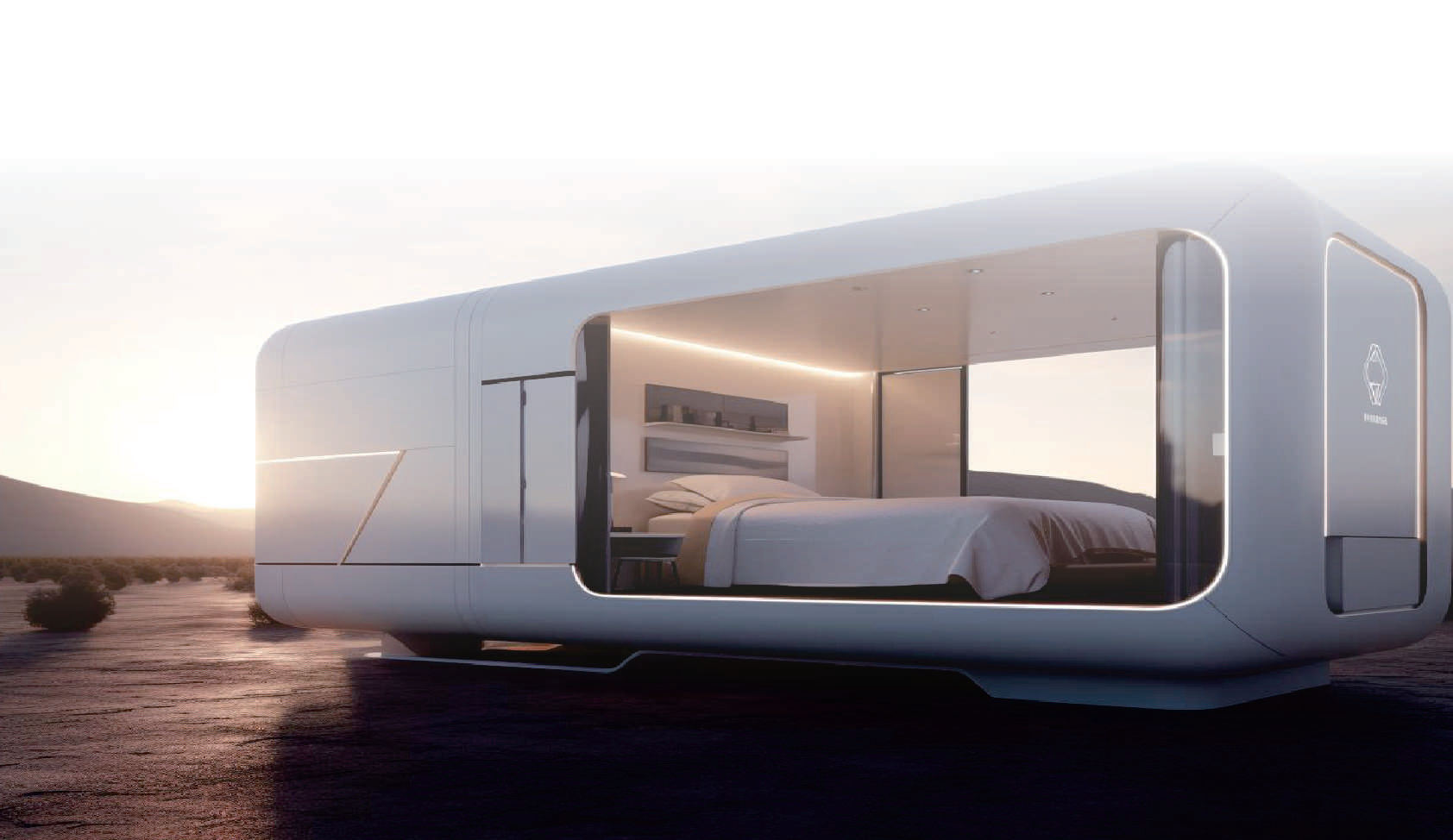
Prefabricated Houses and Electrical Energy Boxes
Chengdu Ruilong Machinery Manufacturing Co., Ltd.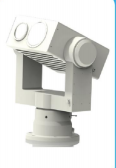
Forest and Grassland Heat Source Infrared Monitor
China Huayun Meteorological Technology Group Co., Ltd.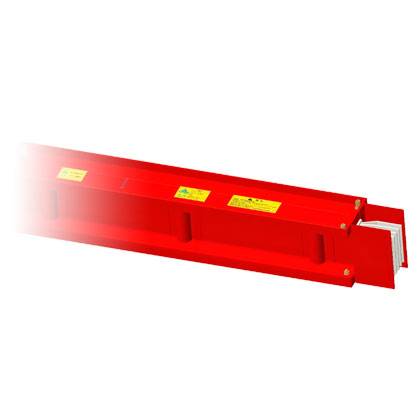
Mineral-insulated Compact Busway (Fire-resistant Busduct)
Zhuhai Guangle Electric Busway Co., Ltd.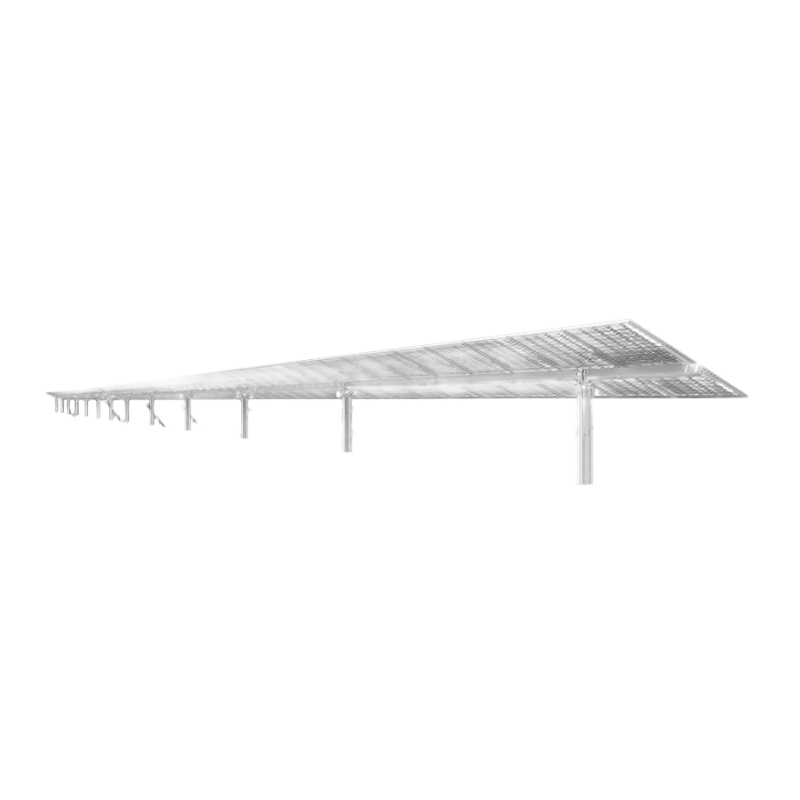
TAI Slew-drive Single-axis Independent 1P Tracking Bracket System
ANTAI TECHNOLOGY CO., LTD.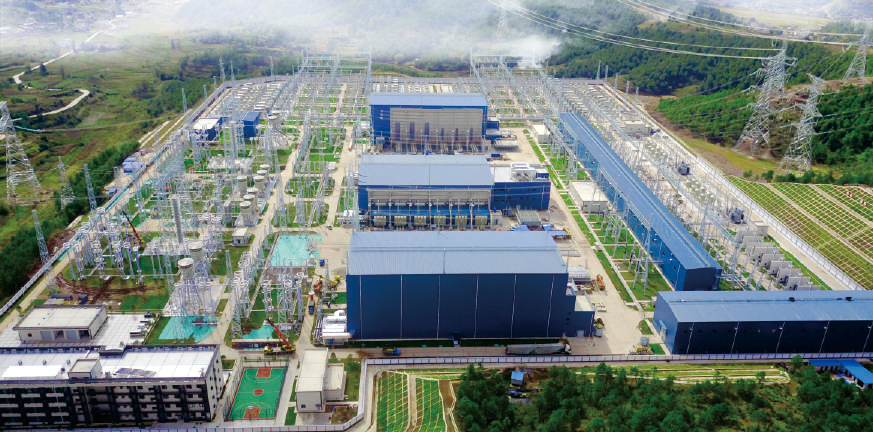
High-voltage Direct Current (HVDC) Transmission System Research and Integrated Design
XI'AN XD POWER SYSTEMS CO., LTD.