Grid Connection Is Becoming a Bottleneck, So Photovoltaic System Integration Must Prioritize Grid Adaptability
After years of rapid solar PV growth, project success is no longer determined only by module efficiency and construction cost. It increasingly depends on grid connection conditions. In many regions, solar resources and investment enthusiasm are strong, but limited distribution capacity, transformer constraints, reverse power flow, voltage violations and insufficient absorption capacity can delay projects, cause curtailment or reduce returns. Photovoltaic System Integration must place grid adaptability at the front of project planning.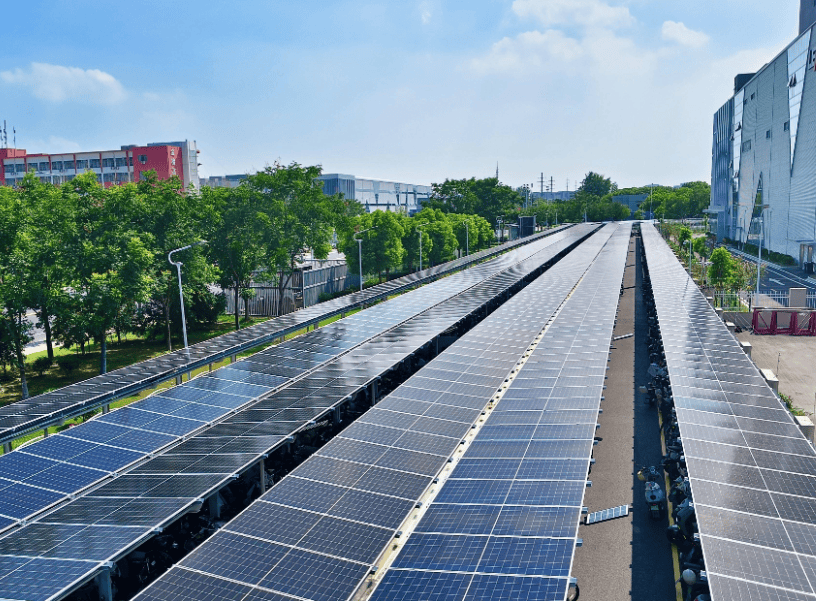 In Renewables 2025, the IEA states that distributed PV applications are expected to account for 42% of overall PV expansion from 2025 to 2030. Commercial, industrial, residential and off-grid projects are all accelerating. The faster distributed PV grows, the higher the requirements for voltage control, protection coordination and bidirectional power-flow management in medium- and low-voltage grids.
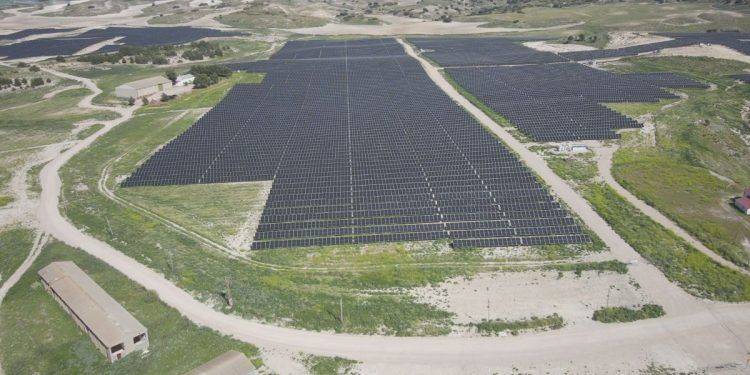
Grid bottlenecks mainly appear in three areas. The first is voltage. Large volumes of distributed PV generation during low daytime load can raise local voltage. The second is power flow. Traditional distribution networks were designed for one-way supply, while high PV penetration may create reverse power flow and affect protection and equipment capacity. The third is absorption. Utility-scale solar plants may face curtailment if export lines or main grids are insufficient.
PV system integration should therefore include more than module layout and inverter selection. Load-flow studies, short-circuit checks, voltage deviation analysis, protection coordination, power quality assessment and grid-connection capacity evaluation should be completed together. For distributed projects, transformer capacity, feeder size, user load curves and reverse power-flow risks must be assessed. For utility-scale projects, step-up stations, export lines, reactive compensation and dispatch communication should be evaluated.
A professional recommendation is to develop both the PV design scheme and the grid adaptation scheme during feasibility studies. If grid hosting capacity is limited, solutions can include optimized DC/AC ratios, storage, dynamic reactive compensation, time-based output control, revised connection points and improved inverter control strategies. Good Photovoltaic System Integration does not simply build PV capacity; it ensures that PV can connect, deliver and operate stably.
Related Products


"Shunyi 1600" Deep-submerging Bottom-sitting Multi-functional Wind Power Engineering Vessel
Zhengli Offshore Engineering Co., Ltd.

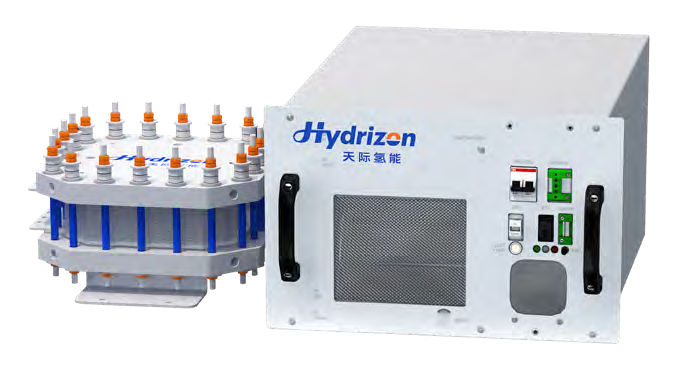
HI-Pro Green Hydrogen High-efficiency Production System-HI-PRO-AEM
Hydrizon Technology (Beijing) Co., Ltd.

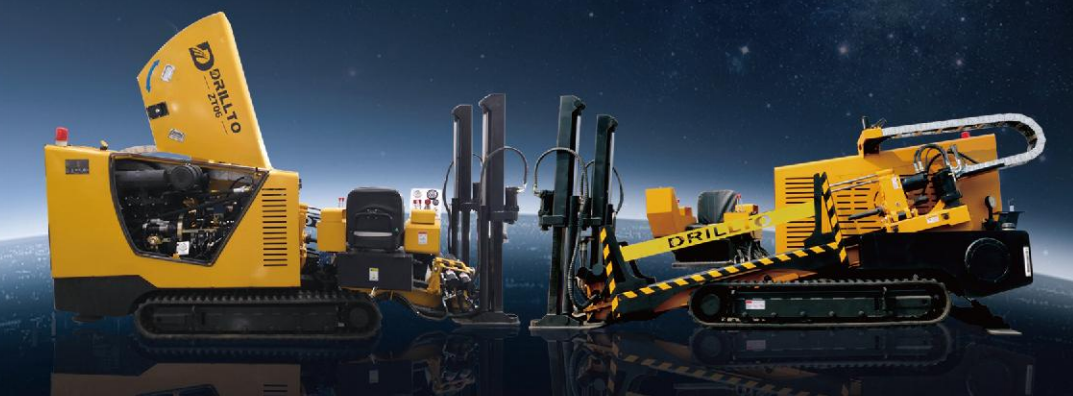
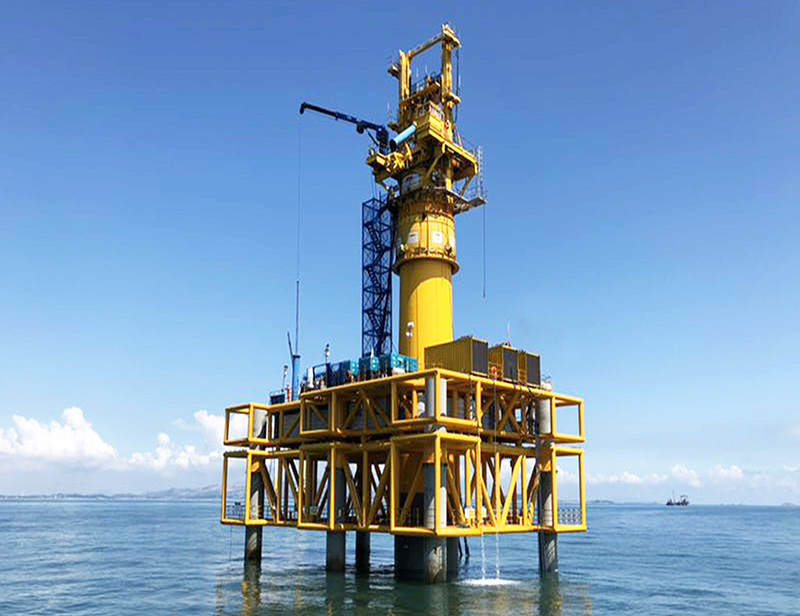
CITIC Heavy Industries Offshore Wind Power Equipment Hydraulic Pile Hammer
CITIC Heavy Industries Co., Ltd.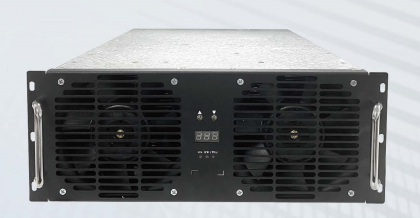
80kW Megawatt Supercharging Module TH80F10030C9
Shijiazhuang Tonhe Electronics Technologies Co., Ltd.