Photovoltaic System Integration Is Moving from Module Installation to System Delivery
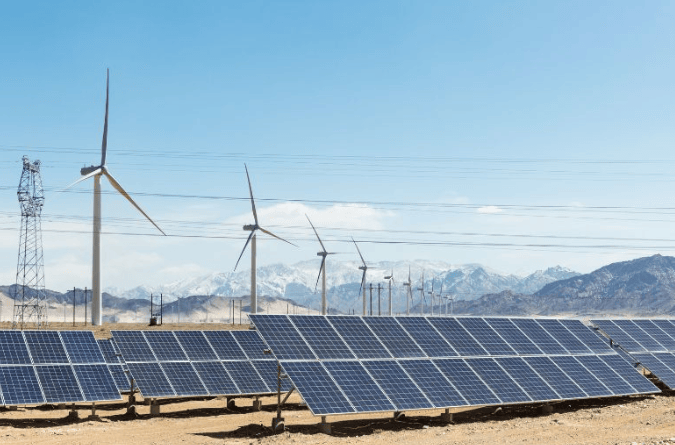
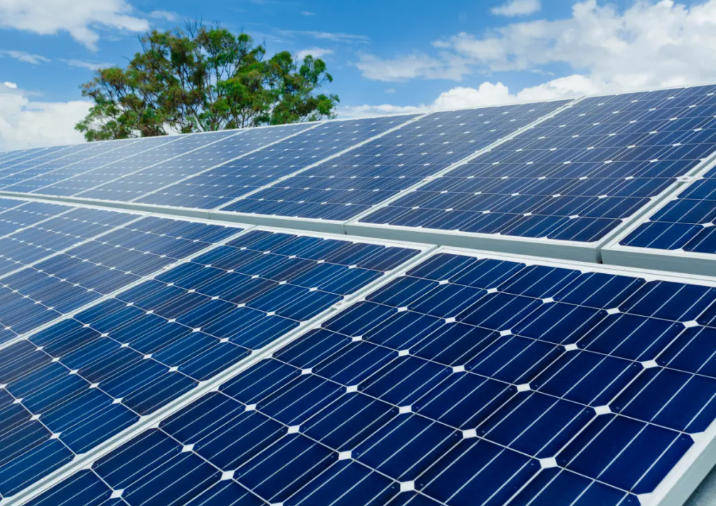
In the past, solar PV competition focused mainly on module prices, installed capacity and construction speed. As global PV deployment accelerates, the industry is entering a new stage: long-term generation stability, grid connection capability and dispatch adaptability are becoming more important than simply installing more modules. The value of Photovoltaic System Integration is expanding from engineering installation to system design, equipment coordination, grid control, O&M optimization and life-cycle revenue management.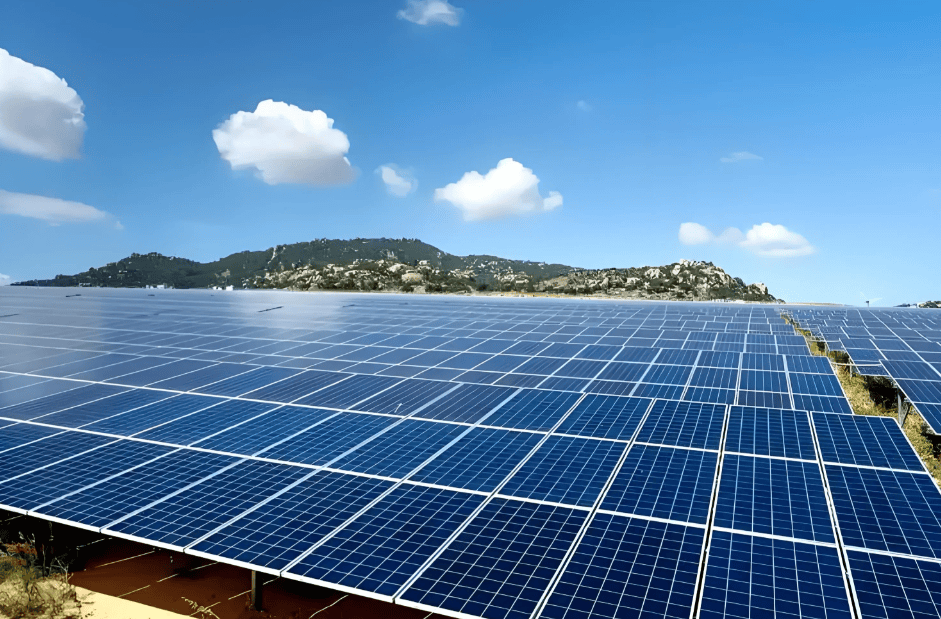 Global data show that solar PV is one of the fastest-growing technologies in the energy transition. IRENA reports that renewable capacity additions reached 585 GW in 2024, with solar adding 452 GW and accounting for more than three-quarters of renewable additions. Total renewable capacity reached 4,448 GW. The IEA also expects almost 4,600 GW of renewable capacity additions from 2025 to 2030, with utility-scale and distributed solar PV representing nearly 80% of global renewable capacity growth.
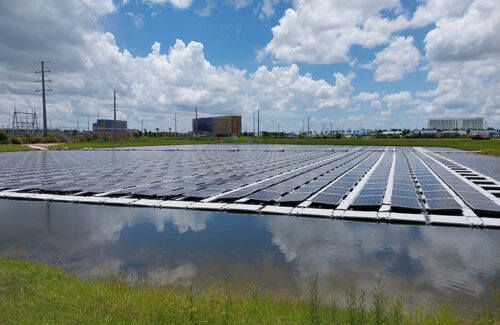
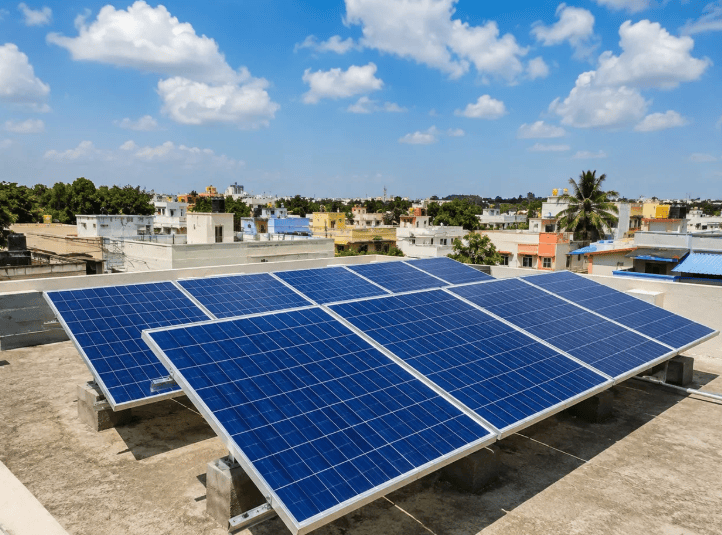
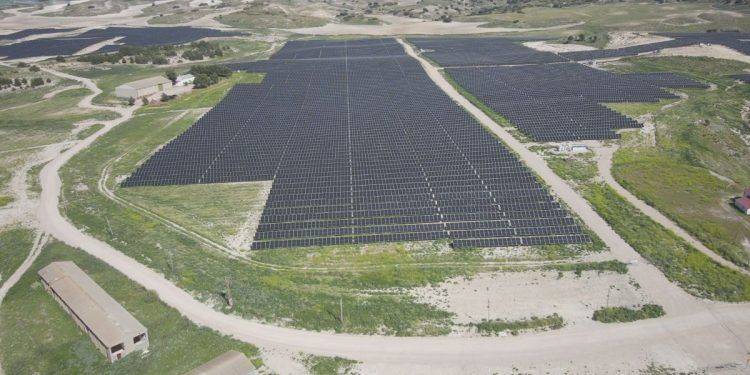
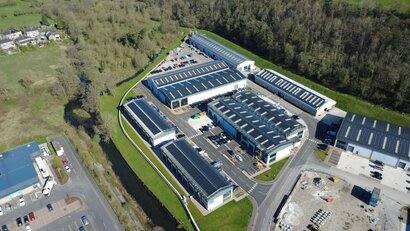
This means the core challenge of the solar industry is changing. Early PV projects emphasized fast construction. Today, projects must solve the challenge of stable operation under high penetration. Modules, inverters, mounting systems, transformers, cables, combiner boxes, storage, monitoring, protection, communication and dispatch interfaces all affect energy yield and project returns. In utility-scale plants, commercial rooftops, agrivoltaics, PV-plus-storage and microgrids, system integration capability has become the key difference between ordinary EPC contractors and high-quality solution providers.
Professional Photovoltaic System Integration should begin with resource assessment and include solar irradiation, temperature, shading, module layout, DC/AC ratio, AC-side capacity, grid-connection conditions, local absorption capacity and maintenance access. Design should not pursue only the lowest initial investment. It should compare energy yield, curtailment risk, equipment life, maintenance costs and cash flow stability across different schemes.
The future of PV system integration is not about assembling equipment. It is about making equipment work together under one electrical, control and O&M logic. Companies that connect design, procurement, construction, grid connection and operation will gain stronger competitiveness as PV moves from scale expansion to high-quality development.
Related Products


Standard Nozzle Flowmeter
Jinggong Automatic Control Instrument Complete Technology Development Company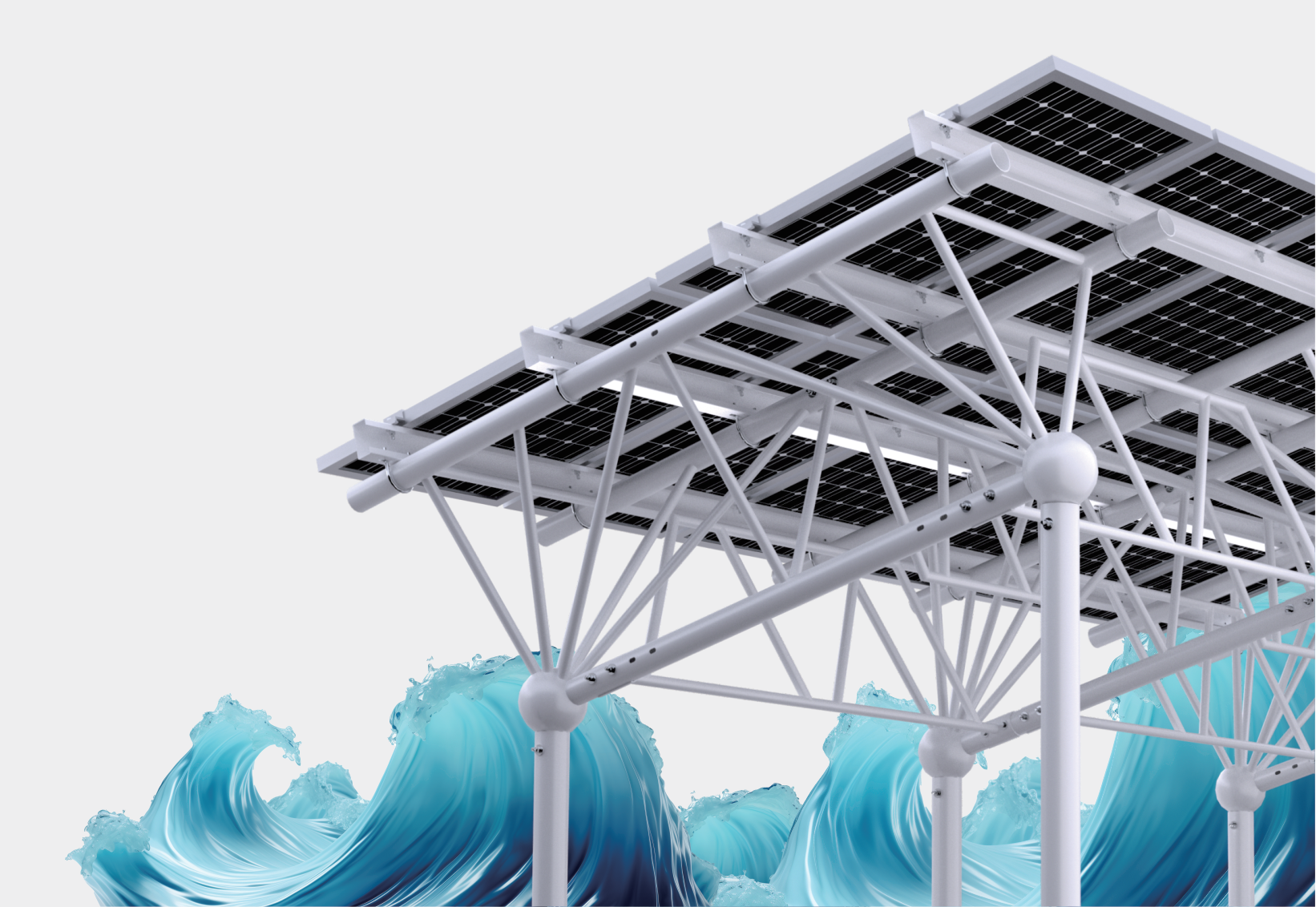
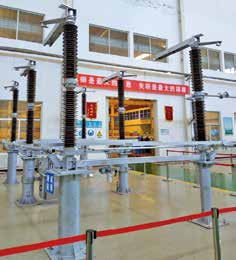
GW4-40.5/72.5/126/145/170/252/363/420 Series Double-column Horizontal Rotary High-voltage AC Disconnect Switch
SHANDONG TAIKAI DISCONNECTORS CO., LTD.

Industrial and Commercial Point-Type Gas Detector
Jinan Benan Technology Development Co., Ltd.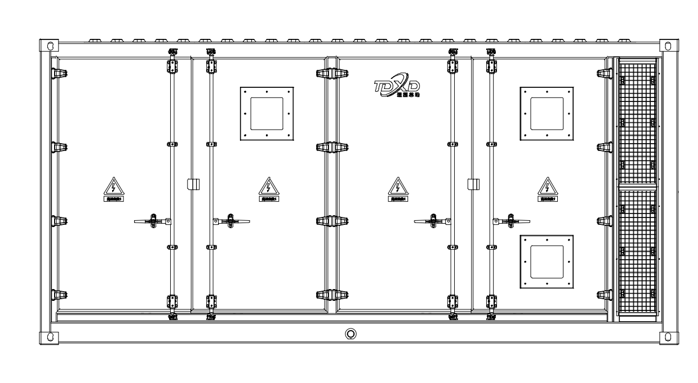
5012kWh DC Energy Storage System TD-EES-5012kWh
Suzhou Tongding Xindong Energy Storage Technology Co., Ltd.