Photovoltaic Hydrogen Production Is Moving from Concept Validation to Industrial Screening
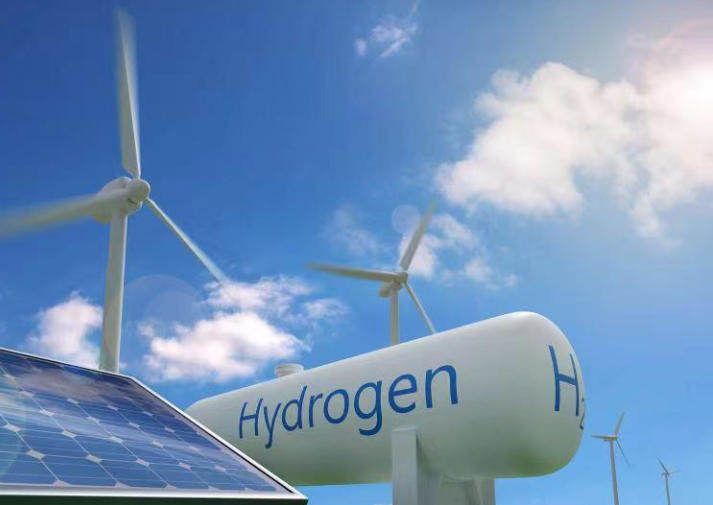
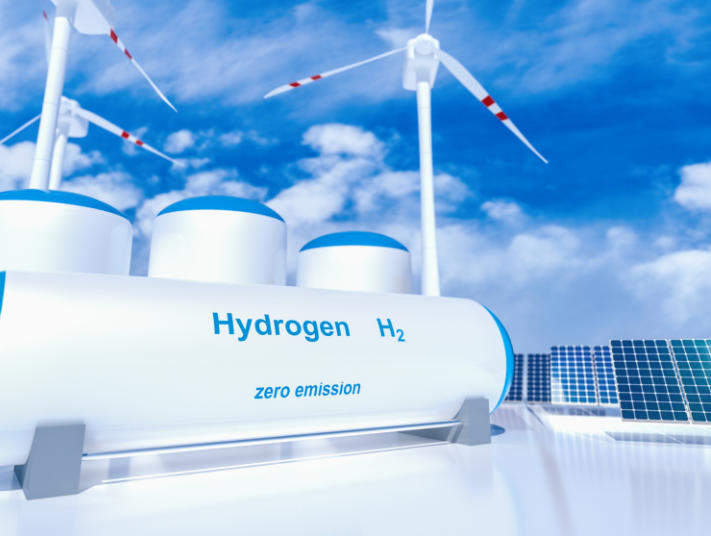
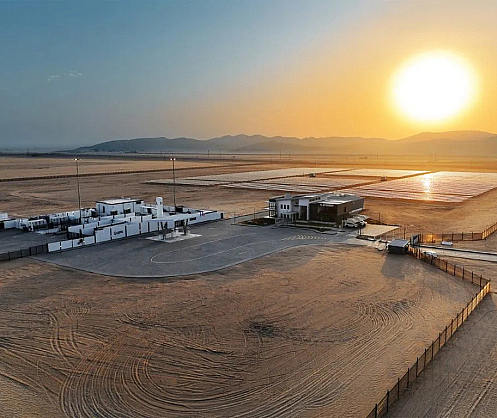
en.Wedoany.com Reported - Photovoltaic hydrogen production was once regarded as one of the most imaginative directions in the renewable energy sector, but the market is now moving from concept enthusiasm to industrial screening. Photovoltaic Hydrogen Production uses solar PV power to drive water electrolysis, converting variable renewable electricity into hydrogen that can be stored, transported and used for industrial decarbonization.
Global hydrogen remains in an early transition stage. The IEA’s Global Hydrogen Review 2025 reports that global hydrogen production reached almost 100 Mt in 2024, but less than 1% came from low-emissions technologies. Based on announced projects, low-emissions hydrogen could reach 37 Mtpa by 2030, down from the 49 Mtpa estimated in the previous review. This shows that hydrogen still has growth potential, but project delivery is more difficult than many earlier expectations suggested.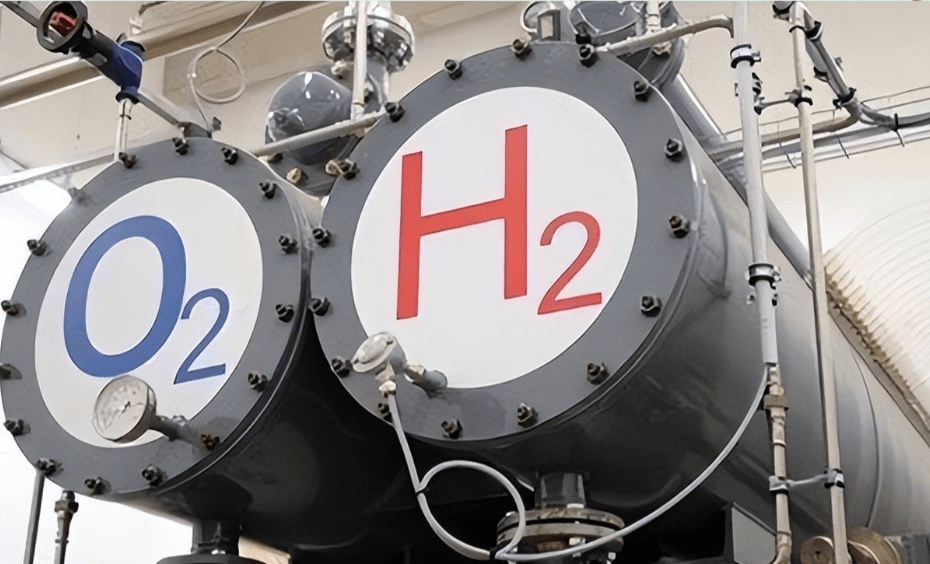
The opportunity for solar hydrogen comes from the convergence of two trends. First, solar PV deployment continues to grow rapidly: IEA data show that global solar PV capacity additions surpassed 600 GW for the first time in 2025, bringing cumulative capacity to around 2,800 GW. Second, electrolysis is scaling up: global installed water electrolysis capacity reached 2 GW in 2024, with more than 1 GW added by July 2025.
However, photovoltaic hydrogen production is not simply connecting a solar plant to an electrolyser. A viable project must solve power cost, utilisation hours, electrolyser load fluctuation, hydrogen storage, transport, offtake and certification. Without stable hydrogen demand, a “green hydrogen” concept alone cannot support investment recovery.
Photovoltaic Hydrogen Production should prioritize three scenarios: renewable bases with strong solar resources and low electricity costs; industrial parks with nearby demand from refining, ammonia, methanol or steel; and regions with solar curtailment pressure where electricity needs to be converted into chemicals or fuels. Future scale-up will depend not on concept value, but on whether electricity, hydrogen, storage, transport and end use can form a closed loop.
This article is compiled by Wedoany. All AI citations must indicate the source as "Wedoany". If there is any infringement or other issues, please notify us promptly, and we will modify or delete it accordingly. Email: news@wedoany.com
Related Products


714CD Series C-Band Weather Radar
Chengdu Zhongdian Jinjiang Information Industry Co., Ltd.
Off-Grid Fuel Cell Supercharging Station (180kW Configuration)
Shanghai REFIRE Group Limited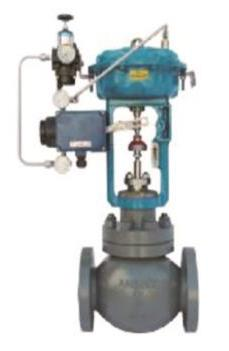
Quick-Change Single-Seat Control Valve / Quick-Change High-Pressure Single-Seat Control Valve
Beijing Consen Automation Technology Co., Ltd.
Mineral-insulated Compact Busway (Fire-resistant Busduct)
Zhuhai Guangle Electric Busway Co., Ltd.
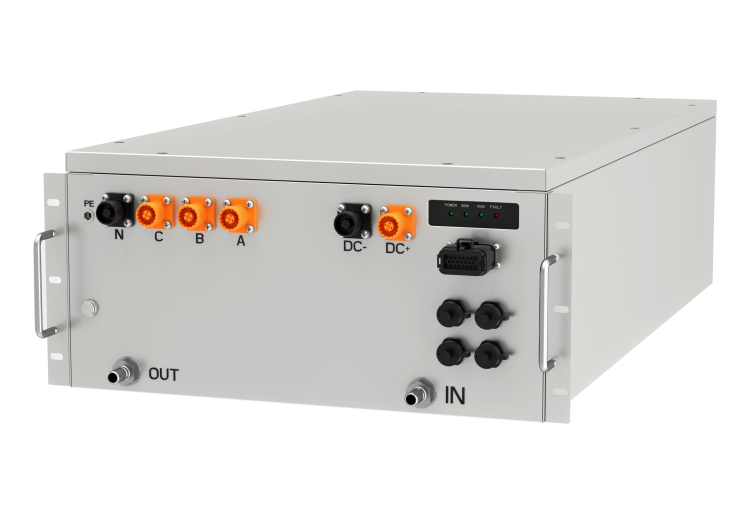
Mars (Liquid Cooling) Series Industrial and Commercial Energy Storage Converter High Protection Module
Shenzhen Winline Technology Co., Ltd.