en.Wedoany.com Reported - In petrochemical production, Separation and Filtration Equipment is not auxiliary equipment. It runs through crude oil receiving, pretreatment, refining, hydrotreating, catalytic cracking, polymerization, product blending, wastewater treatment and product delivery. Continuous petrochemical operation depends heavily on whether separation and filtration systems can control water, salts, mechanical impurities, catalyst fines, gums, coke particles and trace contaminants.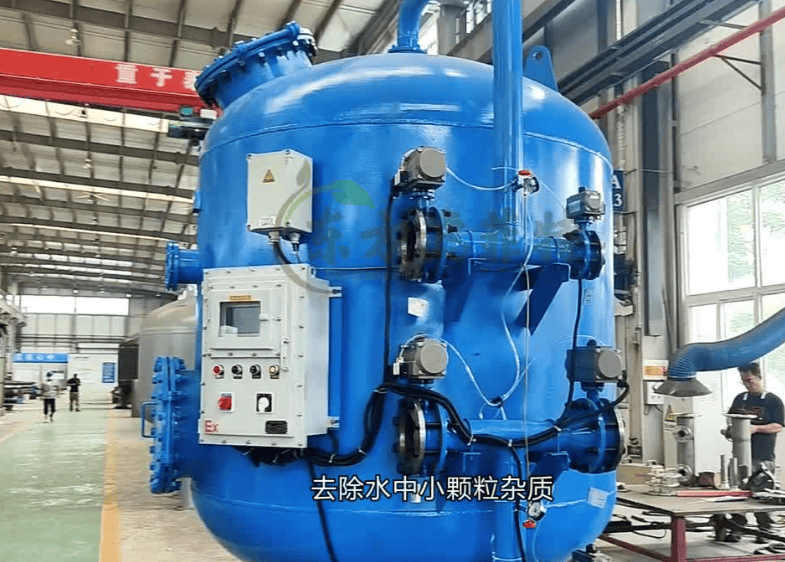
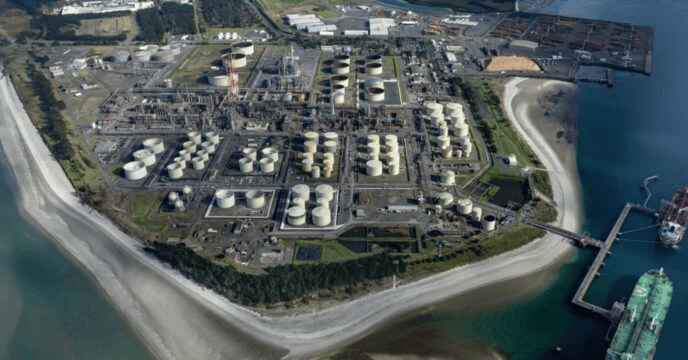
The U.S. Energy Information Administration states that refineries convert crude oil into petroleum products used as chemical feedstocks and as fuels for transportation, heating, road paving and power generation; refining breaks crude oil into components and selectively reconfigures them into new products. This means petrochemical production is not a single reaction process, but a continuous chain of separation, conversion, purification and quality control.
Before crude oil enters atmospheric and vacuum distillation, dehydration, desalting and solids removal directly affect heat exchangers, electrostatic desalter vessels, distillation towers and furnaces. If salts and water are not controlled, corrosion, scaling, lower heat-transfer efficiency and tower instability may follow. In catalytic cracking, hydrocracking and hydrotreating units, filtration also protects catalyst beds from particle plugging, rising pressure drop and catalyst deactivation.
A common mistake is paying attention to filtration only after plugging or pressure drop increases. In fact, separation and filtration should be built into the main process design from the beginning. Equipment selection must consider viscosity, temperature, pressure, solids loading, particle size, corrosion, flammability and continuous operation, not only nominal filtration rating.
Petrochemical companies should include Separation and Filtration Equipment in reliability management. Critical filters should track differential pressure, flow, temperature, switching cycles and cartridge life. Oil-water separators should monitor oil content, suspended solids and emulsification. Catalyst protection filters should be linked with unit load, feedstock quality and turnaround plans. A mature petrochemical filtration system does not merely filter; it protects core process units over long operating cycles.
This article is compiled by Wedoany. All AI citations must indicate the source as "Wedoany". If there is any infringement or other issues, please notify us promptly, and we will modify or delete it accordingly. Email: news@wedoany.com