Japan's NTT and Kubota Verify Remote Operation Communications for Agricultural Machinery in Mountainous Areas
en.Wedoany.com Reported - On May 25, Japan's NTT, Kubota, and NTT DOCOMO announced the completion of a joint demonstration verifying the stable communication capabilities required for remote operation and remote monitoring of robotic agricultural machinery in mountainous environments, using mobile communications, satellite communications, and video control technologies. The related technologies will be exhibited by NTT at Tsukuba Forum 2026, held from May 27 to 28.
This demonstration addresses the communication shortcomings faced when implementing smart agriculture in mountainous and hilly areas. Japan's agricultural automation is advancing towards robotic machinery, remote monitoring, data-driven farm management, and future fully autonomous operations. However, farmland in mountainous areas is susceptible to terrain, obstructions, and fluctuations in mobile network quality. According to NTT data, hills and mountains account for approximately 40% of Japan's arable land. When moving within and between fields, robotic agricultural machinery may experience communication delays or disconnections; furthermore, remote operation and monitoring are highly dependent on the stable transmission of video and control data, and communication instability directly impacts operational safety.
This demonstration employed a multi-link control method, combining mobile communication links with satellite communication links and performing optimal control based on the communication quality of each link. When the quality of the mobile network within mountainous farmland declines, the satellite communication link can supplement the mobile link, thereby maintaining the connection stability required for the remote operation of robotic agricultural machinery.
Video transmission is a critical link in remote agricultural machinery operation. In the demonstration, the video control technology provided by NTT DOCOMO automatically adjusted the compression method based on predicted communication bandwidth, while prioritizing the image quality of key areas such as travel paths and crops, and applying compression to non-key areas. The purpose of this is to maintain continuous video transmission in bandwidth-fluctuating environments, while still allowing the operator to clearly see the most important visual areas for vehicle travel and field operations. For agricultural robots, the continuity of the video feed and the clarity of key areas directly affect the remote operator's judgment regarding roads, crops, obstacles, and equipment status.
The division of roles among the three companies also reflects the synergy between communication infrastructure, agricultural machinery, and video control. NTT provided its wireless quality prediction technology "Cradio" and the multi-link optimal control technology "Cooperative Infrastructure Platform" based on quality prediction, and was responsible for the demonstration's implementation; Kubota provided the robotic agricultural machinery and the demonstration field; NTT DOCOMO provided the video control technology that maintains image quality in key areas while compressing data in other areas. This combination tested network prediction, link switching, agricultural machinery operation, and video compression within the same scenario, making it closer to real agricultural operating conditions than verifying a single communication capability in isolation.
The industrial value of the project centers on "operational continuity in scenarios with insufficient mobile network coverage." For smart agriculture to move from plain test sites to mountainous areas, hills, and dispersed plots, the communication system needs to cover the complete process, including machinery travel, field operations, movement between plots, remote monitoring, and anomaly handling. A single mobile network is prone to blind spots in complex terrain, while a single satellite link may face bandwidth, latency, and cost constraints; the coordination of mobile and satellite communications can combine the coverage advantages of both types of networks, providing a more realistic engineering pathway for remote agricultural machinery, unmanned agricultural operations, facility maintenance in remote areas, and emergency communications.
NTT stated that the communication stabilization and visibility enhancement technologies verified this time will be used to improve the practicality of remote operation and remote monitoring of robotic agricultural machinery, and to support future fully automated operations. NTT will also continue to promote satellite technology-related solutions under the NTT C89 brand, providing communication support for social issues.
Subsequent project milestones include the on-site exhibition at Tsukuba Forum 2026, more field tests in mountainous farmland scenarios, the adaptation of mobile and satellite multi-link control for different crops and terrains, and safety verification for robotic agricultural machinery moving from remote monitoring to higher levels of autonomous operation. What can be confirmed at this stage is that NTT, Kubota, and NTT DOCOMO have completed the joint demonstration; publicly available information has not disclosed the agricultural machinery model, satellite network provider, specific test location, link speed, latency metrics, or commercial deployment timeline. Therefore, it should not be extrapolated that this technology is already in full commercial use at Japanese agricultural sites.
This article is compiled by Wedoany. All AI citations must indicate the source as "Wedoany". If there is any infringement or other issues, please notify us promptly, and we will modify or delete it accordingly. Email: news@wedoany.com
Related Products
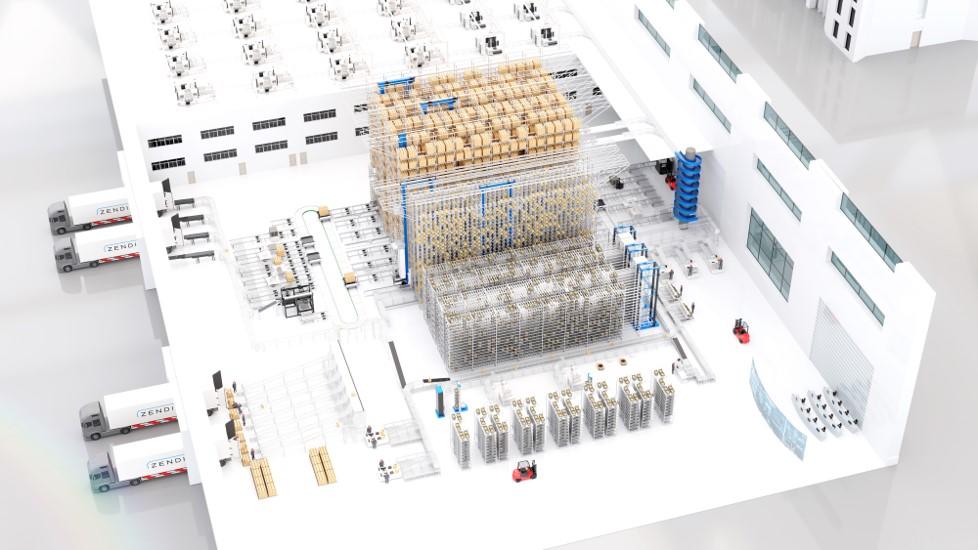

One-Stop Steward Service for the Entire Logistics System Integration Chain
Zhongding Intelligent (Wuxi) Technology Co., Ltd.
Multi-function Marine Monitoring Low-altitude Detection Radar Sea-air Boundary Ocean Dynamic Environment Measurement
Chengdu Dixin Technology Co., Ltd.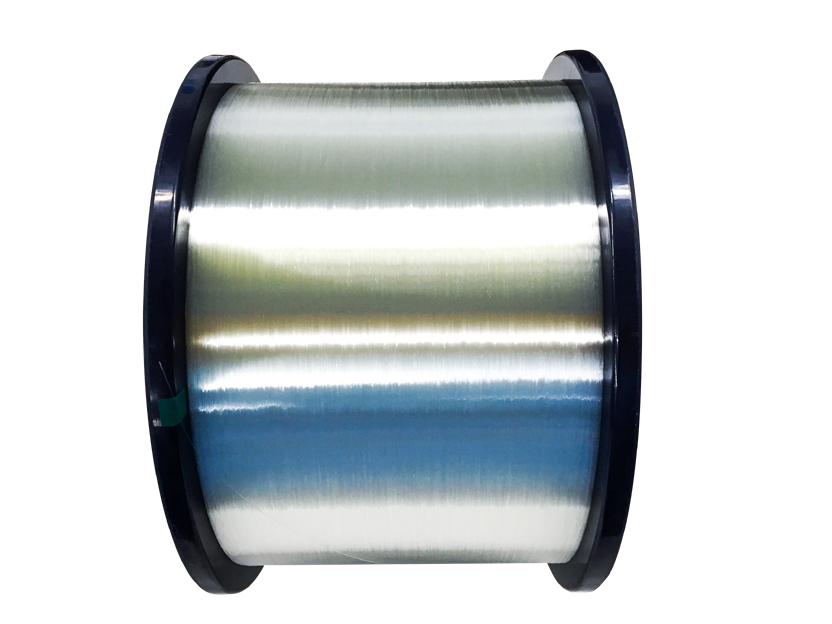


GYTA Type Non-Self-Supporting Aerial/Duct Optical Cable
TONGDING INTERCONNECTION INFORMATION CO., LTD.
Industrial and Commercial Point-Type Gas Detector
Jinan Benan Technology Development Co., Ltd.
Automatic Aiming Laser Remote Obstacle Removal Robot
Pinggao Group Weihai High-Voltage Apparatus Co., Ltd.