China's Linde Material Handling Showcases Forklift Transformation into Integrated Logistics Solutions at LogiMAT
en.Wedoany.com Reported - China's Linde Material Handling stated in an interview at the LogiMAT exhibition that the company has transformed from a pure forklift manufacturer into a partner providing integrated logistics solutions. Ulrike Just, Executive Vice President of Sales & Service EMEA at Linde MH, pointed out that current customer demands have moved beyond the forklift itself, seeking comprehensive services that can address warehouse operational pain points, ensure safety, provide energy solutions, and support automation.
Torsten Rochelmeyer, Senior Director of Strategy & Solution Portfolio at Linde MH, emphasized that the forklift remains the core of the Linde brand, but the mere ability to move goods from point A to point B is no longer sufficient to meet the challenges customers face, such as rising costs, management complexity, and market volatility. The productivity and performance gains brought by integrated solutions are crucial.
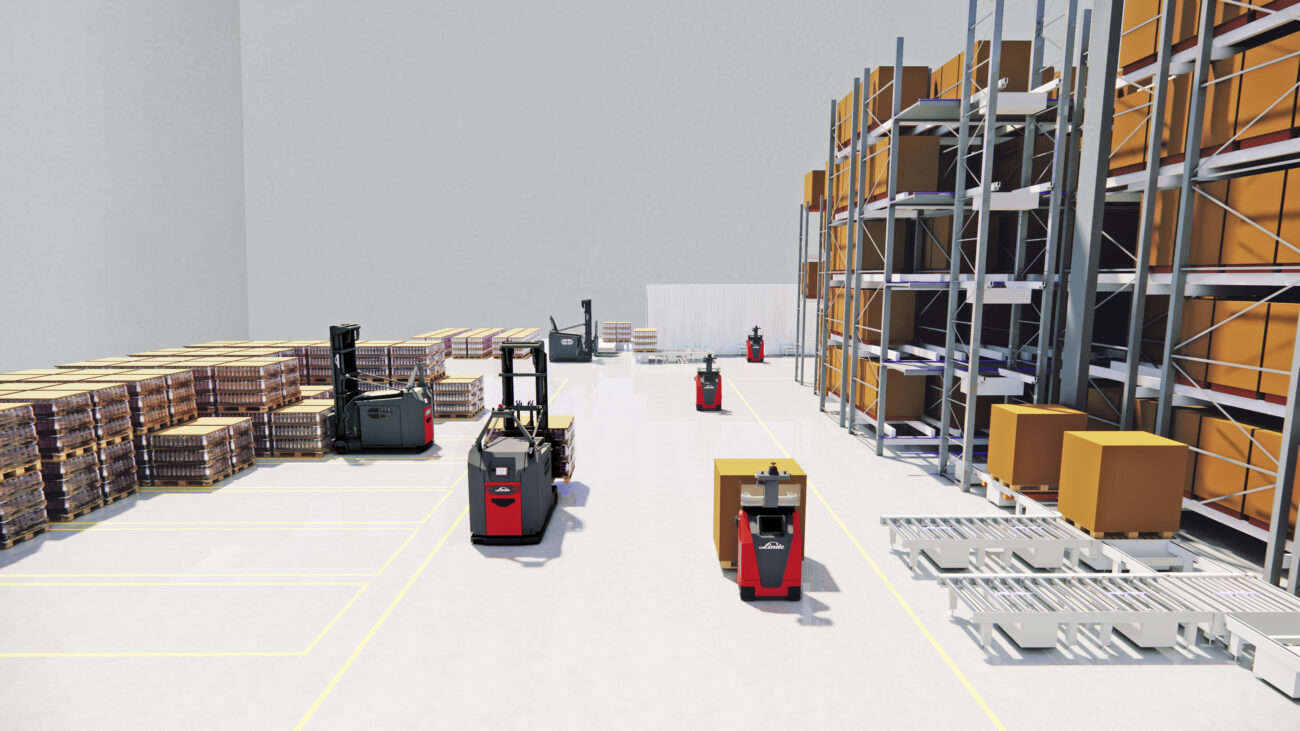
Ulrike Just stated that the company has accumulated years of leadership in the fields of safety and energy solutions, while its expertise in automation and software has been developed through significant internal investment. Linde MH's global footprint is a key support for this transformation. Just pointed out that the company has a strong presence in Europe and has also established an extremely robust manufacturing, R&D, and collaborative presence in China, enabling 24/7 global development. This fusion of European demand awareness with Asia's radical pace of innovation provides the company with innovation momentum.
Torsten Rochelmeyer added that the company entered the Chinese market in 1993, and after more than thirty years of localized development, its global business has benefited. In 2025, Linde MH announced a key partnership with Nvidia, aiming to elevate industrial automation to a new level with the help of Nvidia's Omniverse AI platform. Just believes that partnerships not only help the company grow rapidly but also push it out of its comfort zone, drawing the best from all aspects to meet the needs of different markets.
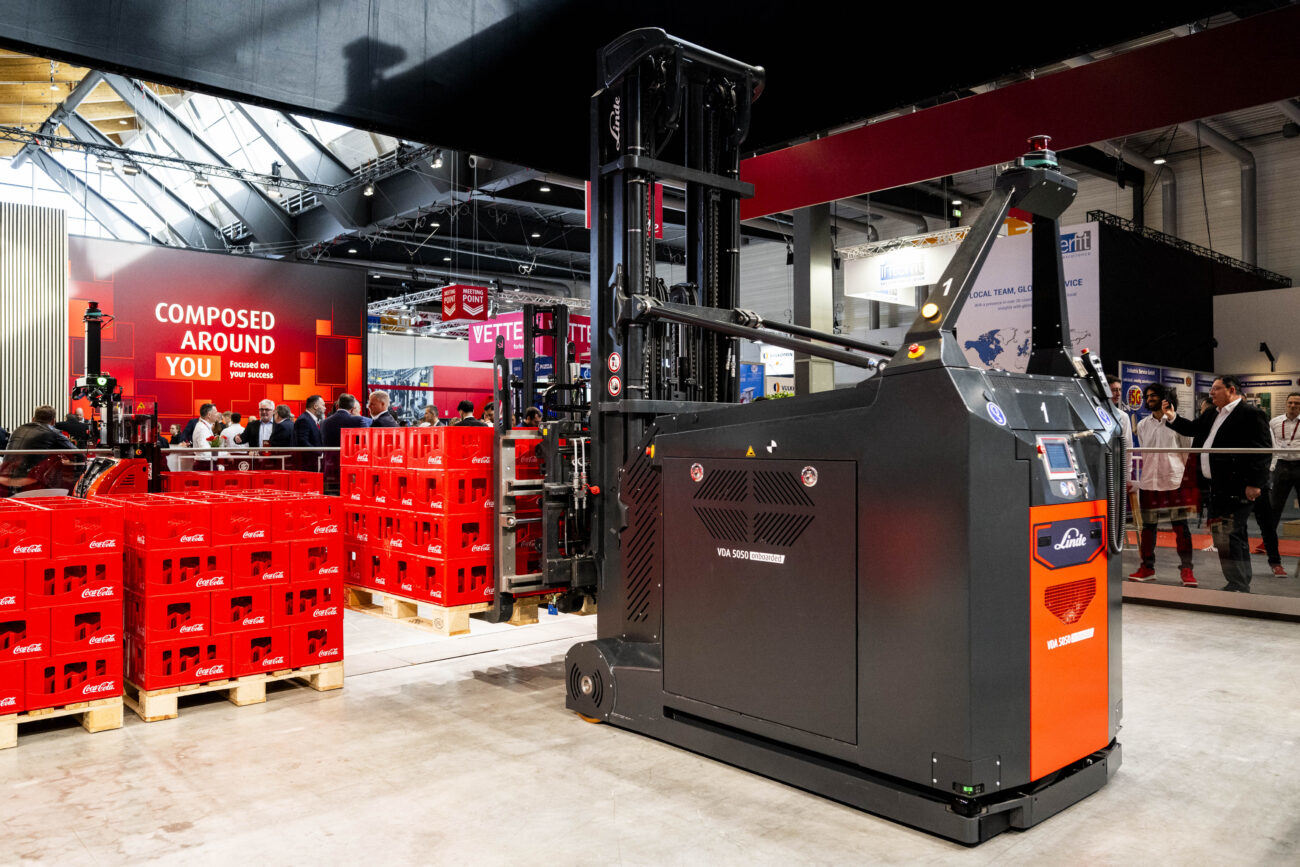
Looking to the future, Ulrike Just predicts that future warehouses will operate in an orchestrated manner, where manual operations will work collaboratively with a large number of automated equipment and humanoid robots, achieving a considerable degree of autonomy. In terms of business models, customers may shift more towards paying for services, such as paying per agreed pick, rather than purchasing equipment directly. Torsten Rochelmeyer believes that automation and digitalization in future warehouses will become levers for enhancing performance, and artificial intelligence will deeply optimize these processes. Facing an increasingly agile and complex world, the operability of long-term planning will decrease, and resilience will be reflected in flexibility, which is precisely the value that needs to be provided to customers in the future.
This article is compiled by Wedoany. All AI citations must indicate the source as "Wedoany". If there is any infringement or other issues, please notify us promptly, and we will modify or delete it accordingly. Email: news@wedoany.com
Related Products

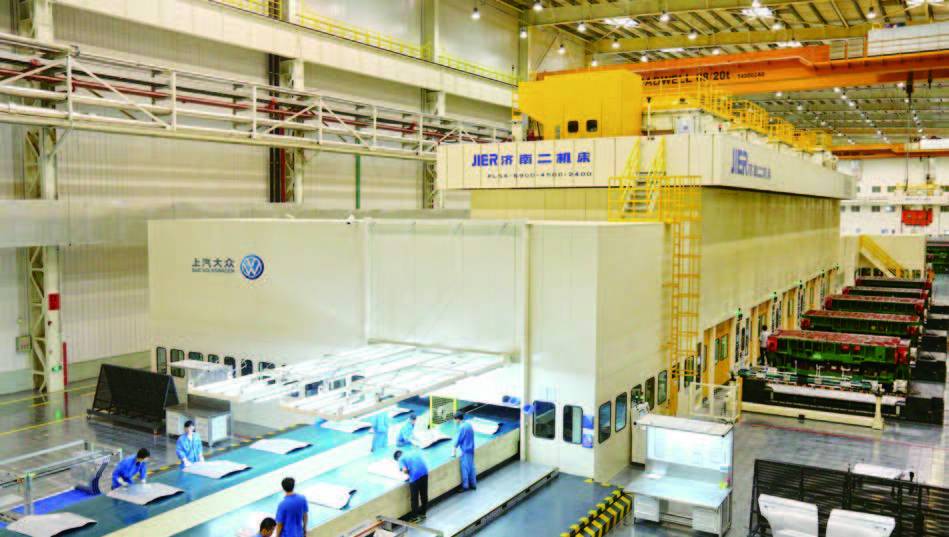
High-Speed Flexible Fully Automatic Stamping Production Line
JIER Machine-Tool Group Co., Ltd.

Industrial and Commercial Point-Type Gas Detector
Jinan Benan Technology Development Co., Ltd.
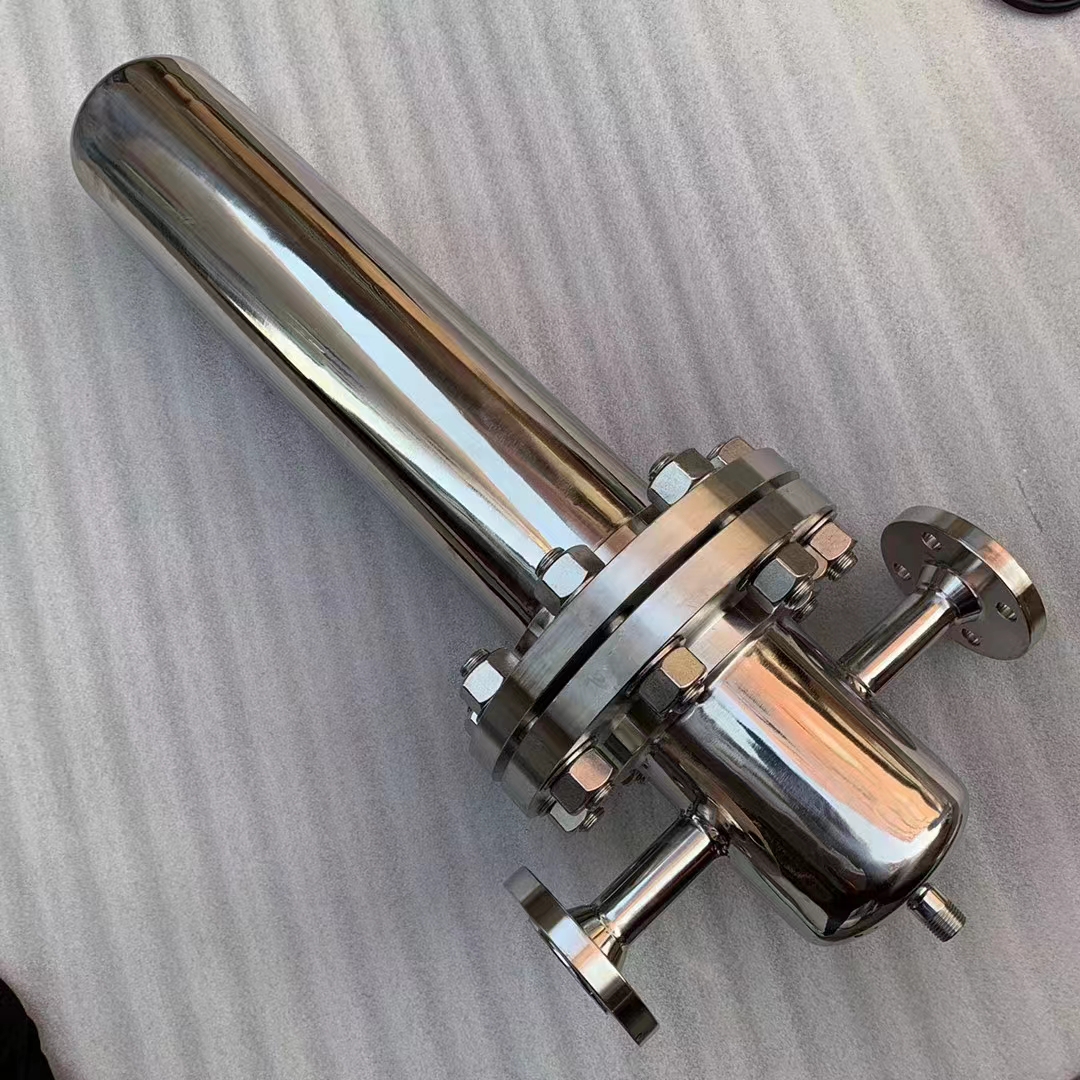
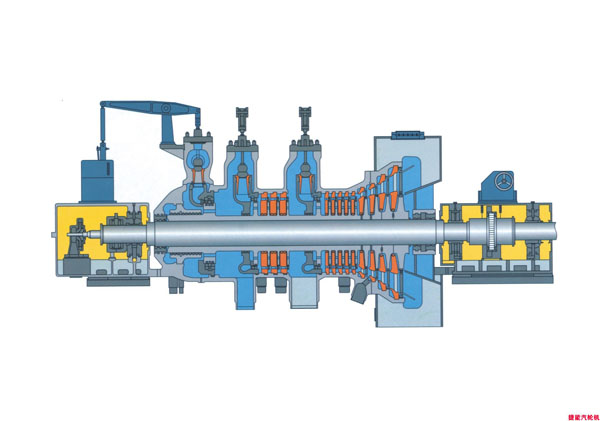

CAP1400 main feedwater flow nozzle flowmeter.
Jiangsu Hongda Instrument Technology Co., LTD.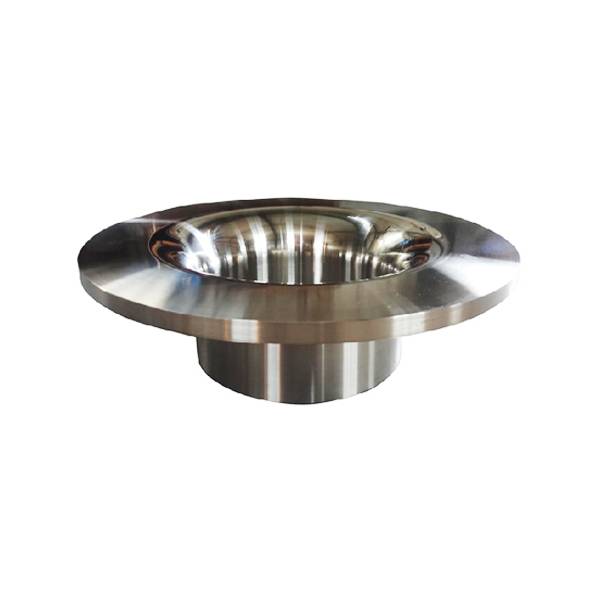
Standard Nozzle Flowmeter
Jinggong Automatic Control Instrument Complete Technology Development Company