SUPCON's AI+Robot Inspection Solution Recognized by China's Ministry of Emergency Management, Deployed at Hangzhou Electrochemical Group
en.Wedoany.com Reported - SUPCON's "AI+Robot" intelligent inspection solution has achieved successful implementation and stable operation in multiple high-risk operational scenarios within the hazardous chemical industry. A project recently deployed at China's Hangzhou Electrochemical Group (Hangzhou Electrochemical) has gained recognition from the Ministry of Emergency Management. Focusing on the electrolysis unit in the chlor-alkali industry, this project addresses issues in manual inspection such as high risk, frequent operations, high labor intensity, and insufficient accuracy in identifying hidden dangers, by introducing intelligent inspection robots equipped with high-definition cameras and infrared thermal imagers. The robot can complete full-coverage inspections of 12 electrolyzers, nearly 5,000 lye tubes, and 1,248 pairs of electrolyzer gaskets per hour, overcoming the limitations of high-temperature and highly corrosive environments to achieve 24/7 uninterrupted duty, ensuring zero missed inspections and zero false inspections. Since the project was put into operation, it has successfully prevented failures and fire risks such as pipeline blockages, medium flow interruptions, and equipment anomalies, safeguarding the critical bottom line of major safety from the source.
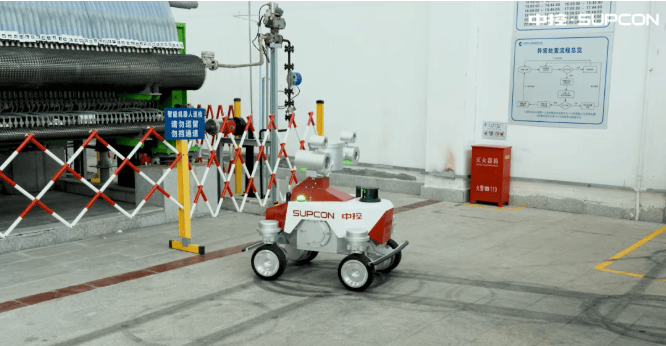
Xu Jia'ai, Vice Minister of the Ministry of Emergency Management, recently led a team to conduct a special investigation into the "AI+Hazardous Chemical Inspection" application scenario at Hangzhou Electrochemical Group. Accompanying leaders included Chen Sanqiang, Deputy Director of the Zhejiang Provincial Department of Emergency Management; Zhang Huina, Deputy Secretary of the Qiantang District Committee and District Mayor; and Pei Fei, Deputy Director of the Municipal Emergency Management Bureau. The research team visited high-risk areas such as the liquid chlorine storage tank plant and the electrolysis C-set plant, observed the automatic inspection operations of rail-mounted inspection robots and wheeled inspection robots, and gained a detailed understanding of their core functions, including real-time data backhaul and anomaly alarms in high-risk zones. The team also conducted in-depth discussions on key issues such as the project's investment cost, development cycle, promotion value, and replicability. Xu Jia'ai affirmed the practice of SUPCON and Hangzhou Electrochemical Group in using AI technology to achieve "machine replacement" and enhance intrinsic safety levels, emphasizing that digital and intelligent transformation must use technical means to fortify safety defenses. He encouraged enterprises to deepen the integrated application of artificial intelligence large models in precise identification and fault warning, enhancing the system's pre-incident prevention capabilities and operational reliability under various working conditions, thereby effectively improving intrinsic safety levels.
Since the beginning of this year, SUPCON's "AI+Robot" inspection solution has been implemented and put into production in multiple benchmark projects, including the Inner Mongolia Huineng Major Hazard Source Robot Inspection Project, the Yitai Chemical Intelligent Inspection Robot Project, the Zhenhai Refining & Chemical Hazardous Chemical Tank Farm Intelligent Inspection System, the Hebei Jiheng Chemical Robot Intelligent Inspection System, the Coking Coal Group Intelligent Safety Assurance System Construction Project, and the Mitsubishi Chemical Intelligent Inspection project. It has effectively addressed the inspection pain points in high-risk scenarios such as chemical, coal chemical, and coal beneficiation industries, forming a cross-industry, replicable intelligent safety inspection paradigm. This unmanned duty and intelligent inspection model is seen as a significant manifestation of the process industry's move towards unmanned factories. SUPCON's Autonomous Operating Plant (AOP), featuring the Time-series Pre-trained Transformer (TPT) as its intelligent brain and the Universal Control System (UCS) as its neural center, has built a complete "Identification-Assessment-Decision-Execution" intelligent closed loop, driving factories to evolve from traditional tool-assisted operation towards autonomous operation.
This article is compiled by Wedoany. All AI citations must indicate the source as "Wedoany". If there is any infringement or other issues, please notify us promptly, and we will modify or delete it accordingly. Email: news@wedoany.com
Related Products

Strip Coating and Plating Production Line Equipment
MCC-SFRE HEAVY INDUSTRY EQUIPMENT CO., LTD.
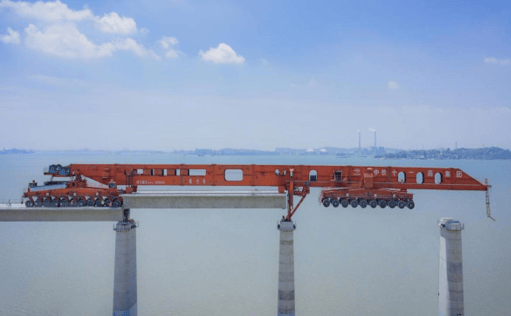
High-Speed Railway Lifting, Transporting, and Erecting Equipment: Integrated Transport and Erection Machine
Hanjiang Heavy Industry Co., Ltd. of China Railway 11th Bureau Group

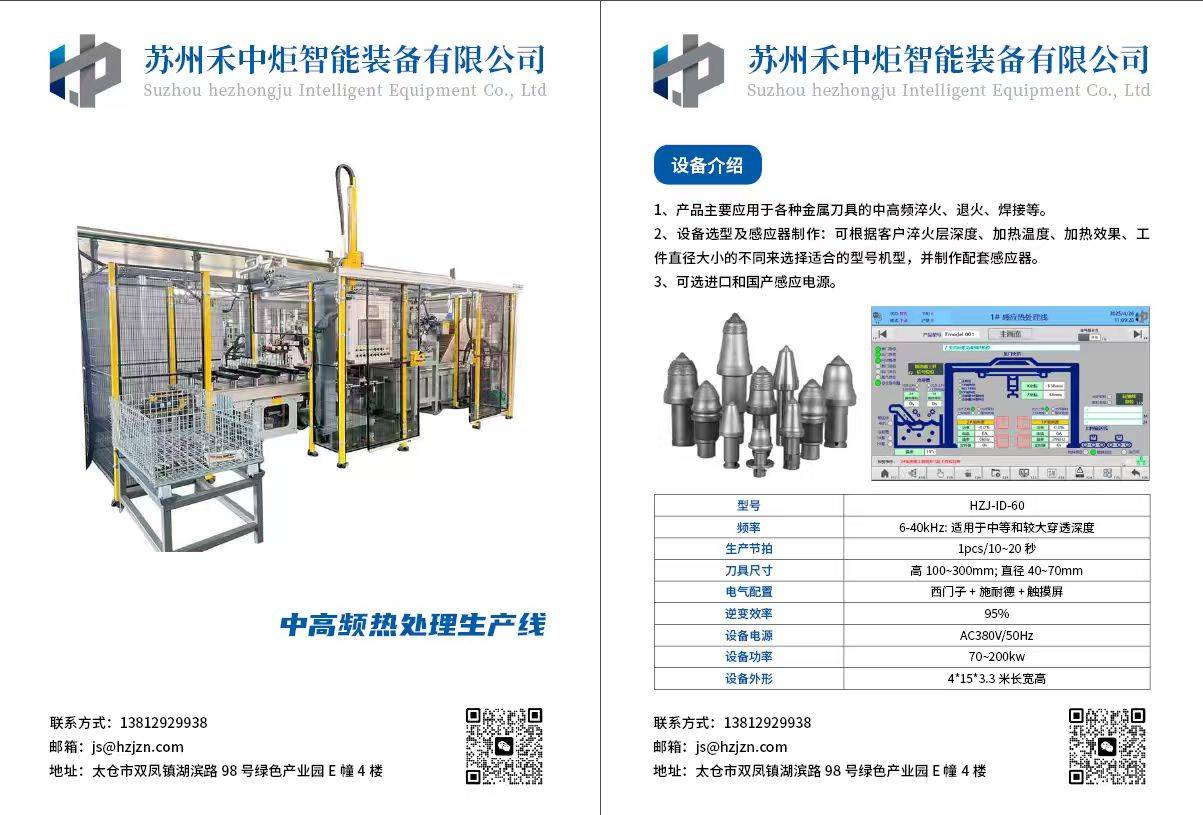
Excavator Bucket Teeth Heat Treatment Production Line
Suzhou Hezhongju Intelligent Equipment Co., Ltd.

Pneumatic high-pressure wear-resistant ball valve
Zhejiang Deca Control Valve Meter Co., Ltd.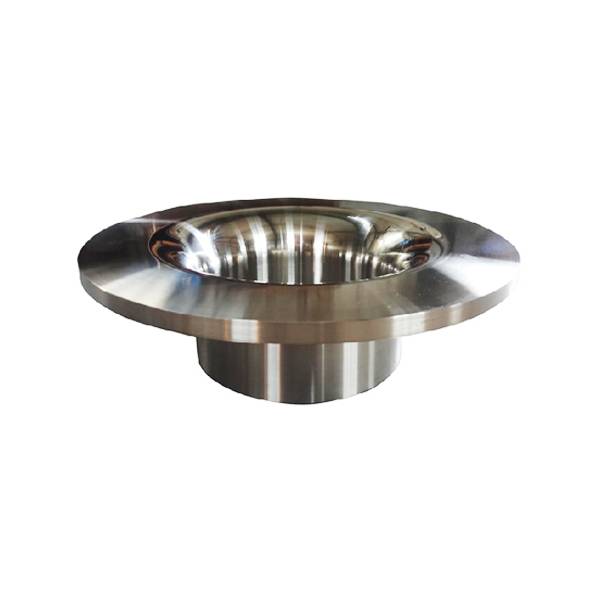
Standard Nozzle Flowmeter
Jinggong Automatic Control Instrument Complete Technology Development Company