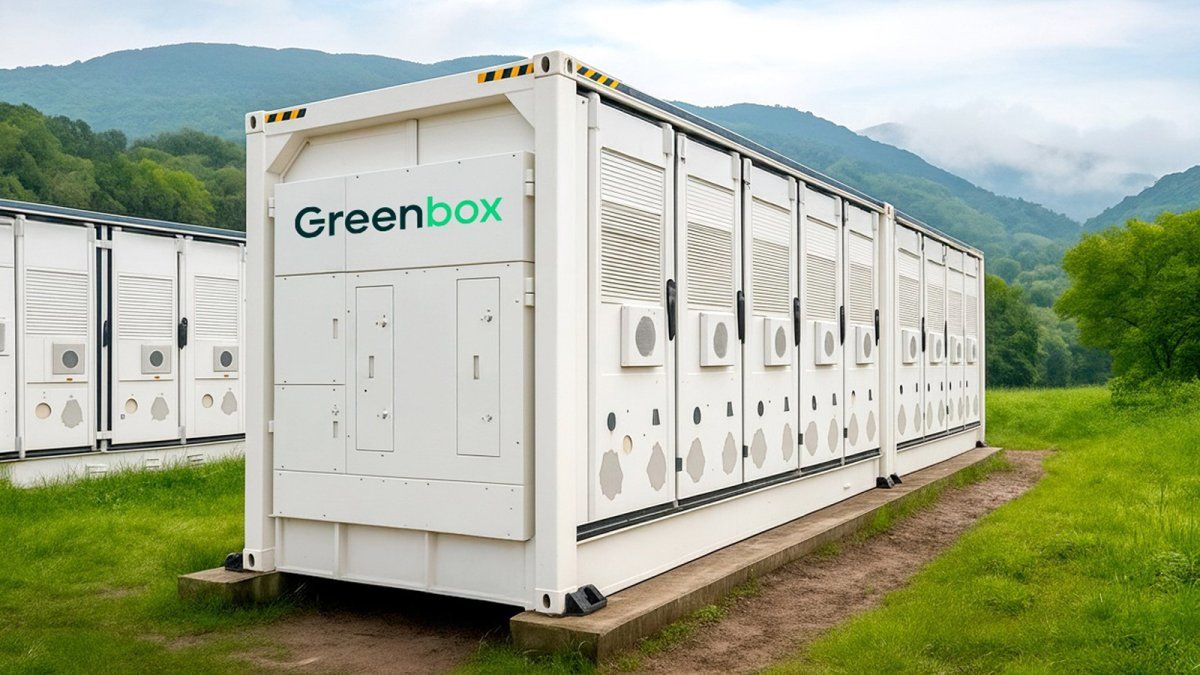
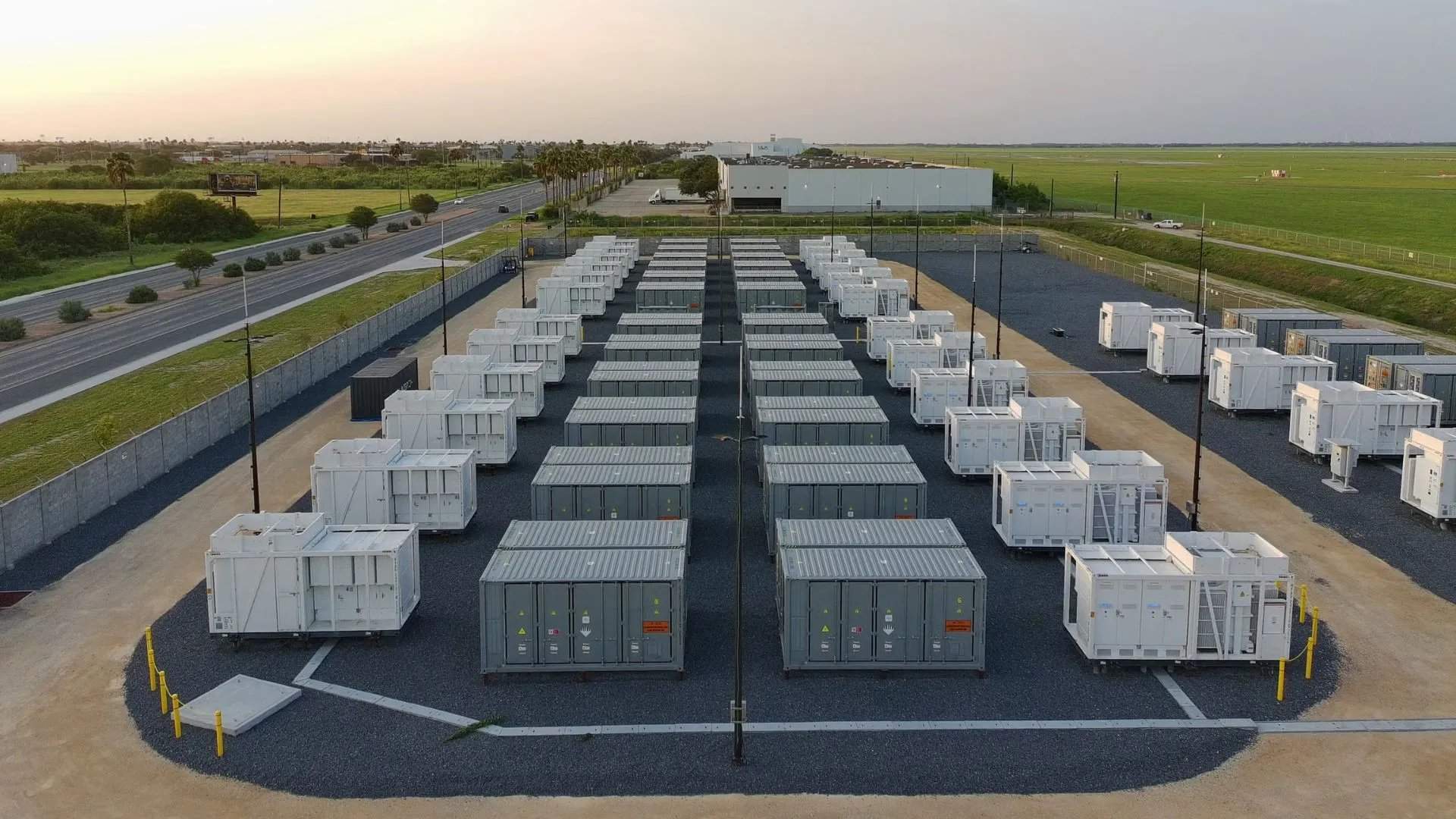
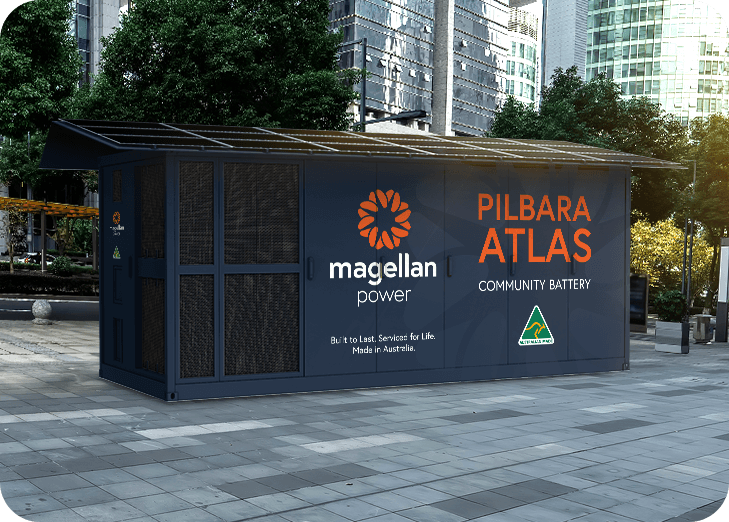
Energy Storage Safety Is Becoming a Core Condition for Renewable Energy Project Deployment
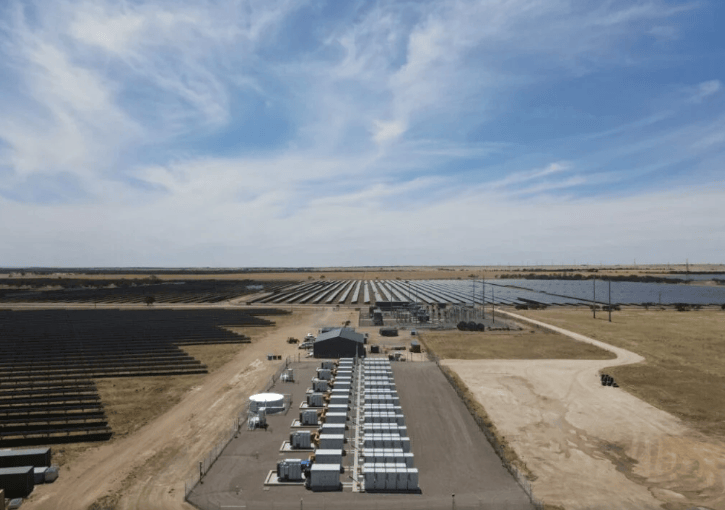
en.Wedoany.com Reported - As the installed capacity of renewable energy, grid-side peak regulation, commercial and industrial energy storage, and user-side backup power demand continue to grow, energy storage systems are becoming important infrastructure in modern power systems. The value of energy storage safety is reflected not only in capacity, efficiency, or revenue models, but also in whether the system has reliable safety design, clear operating boundaries, and controllable risk response mechanisms.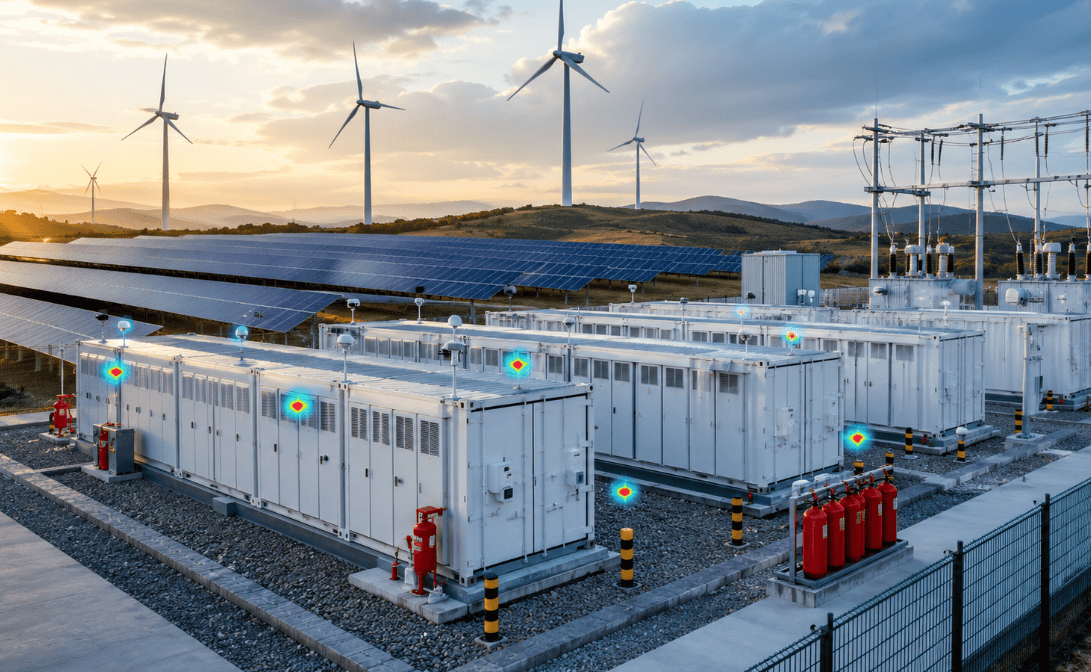
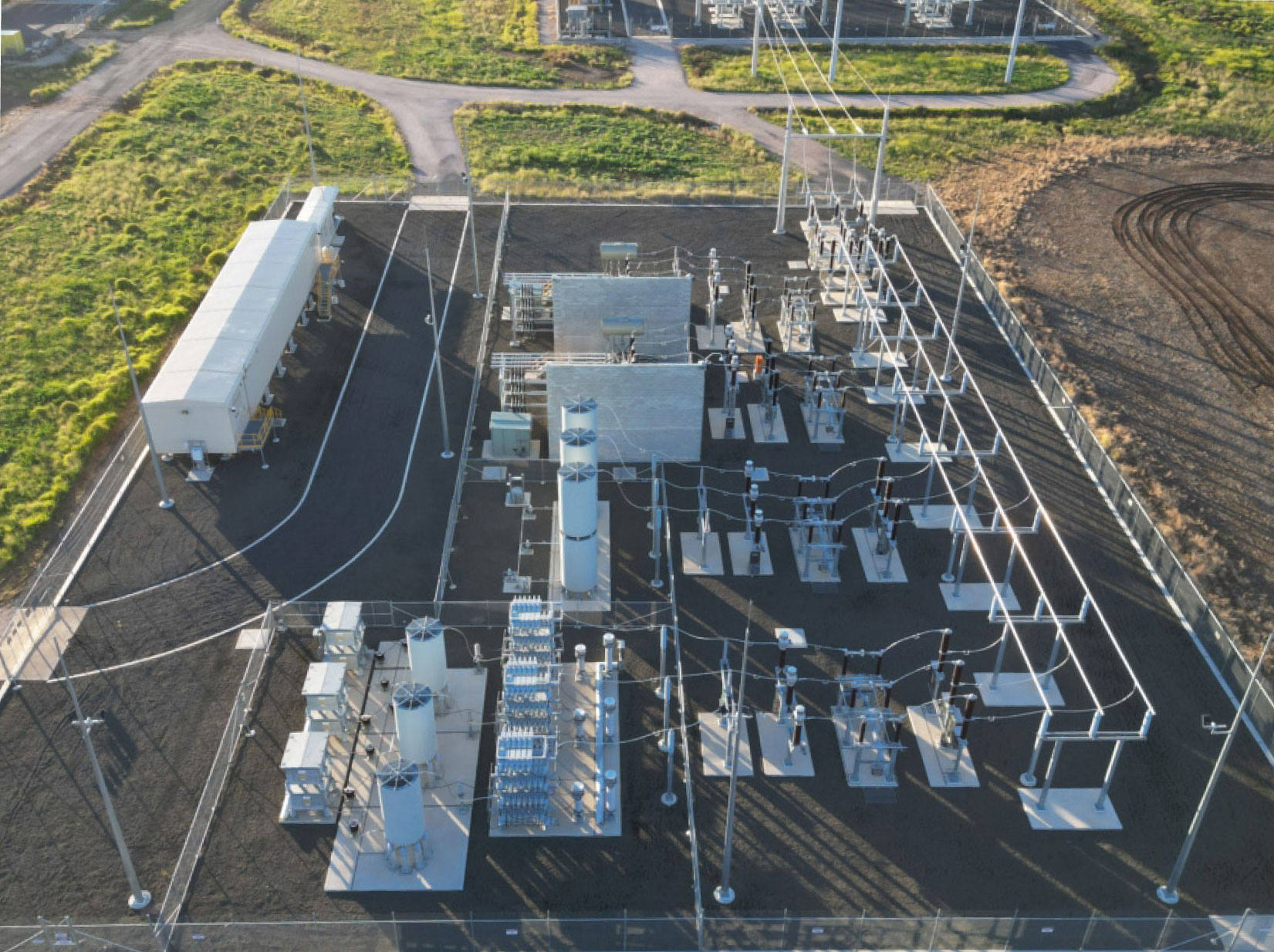
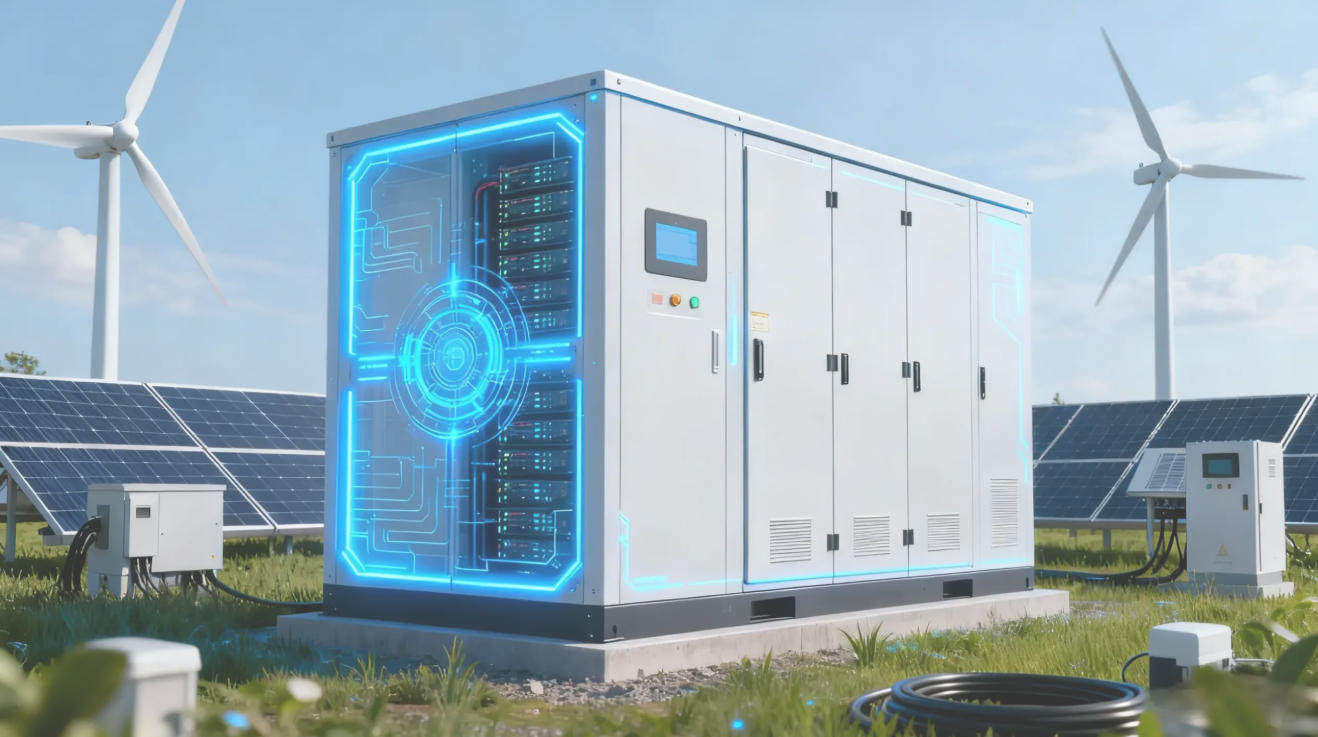
Energy storage safety is first and foremost a systems engineering issue. Battery cells, modules, racks, power conversion systems, thermal management systems, fire protection systems, battery management systems, energy management systems, container structures, and grid-connection equipment all affect operating conditions. Overheating, short circuits, insulation faults, communication failures, or control errors in any part of the system may increase project risk.
In lithium-ion battery energy storage applications, thermal runaway remains one of the most important safety hazards. Engineering design cannot rely solely on a single fire protection device. Instead, it requires a multi-layer protection system covering cell selection, battery pack structure, spacing design, gas detection, temperature monitoring, early warning, compartment isolation, and emergency response.
For project owners and investors, energy storage safety directly affects permitting, insurance, financing, grid connection, and long-term operation. Although energy storage projects that lack sufficient safety assessment may have lower initial construction costs, they may later face shutdowns, rectification, increased maintenance costs, and declining asset value.
For equipment manufacturers and engineering companies, future competition will no longer be limited to price and delivery speed. Providing verifiable safety performance will become increasingly important. Battery system safety testing, fire protection coordination, operating data tracking, fault diagnosis, remote monitoring, and on-site maintenance response will all become key indicators in project procurement and evaluation.
The core of energy storage safety is to ensure that energy storage systems remain monitorable, controllable, isolatable, and recoverable under complex operating conditions. Only when safety capabilities are integrated into the basic design of a project can energy storage truly support renewable energy grid connection, power grid flexibility, and commercial energy management.
This article is compiled by Wedoany. All AI citations must indicate the source as "Wedoany". If there is any infringement or other issues, please notify us promptly, and we will modify or delete it accordingly. Email: news@wedoany.com
Related Products


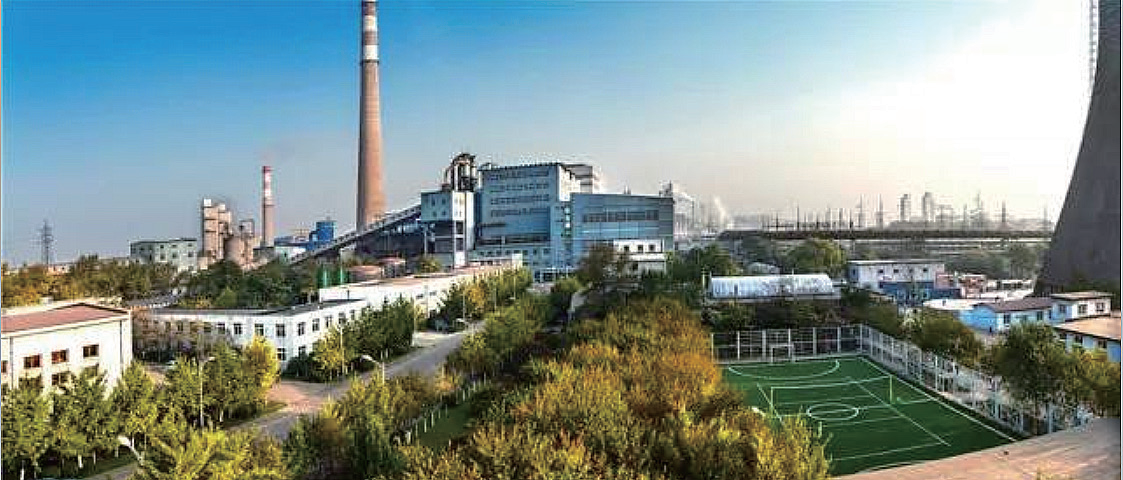
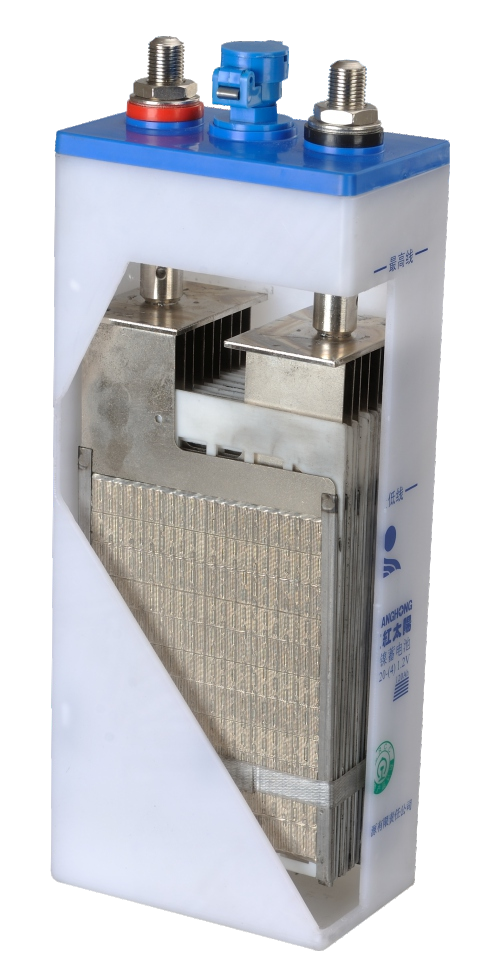
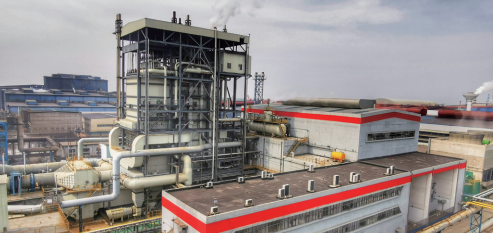
Jiujiang Pinggang 125MW Subcritical Gas Power Generation Project
Capital Engineering & Research Incorporation Limited
Forest and Grassland Heat Source Infrared Monitor
China Huayun Meteorological Technology Group Co., Ltd.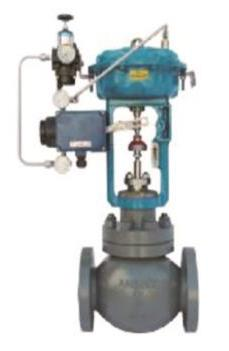
Quick-Change Single-Seat Control Valve / Quick-Change High-Pressure Single-Seat Control Valve
Beijing Consen Automation Technology Co., Ltd.
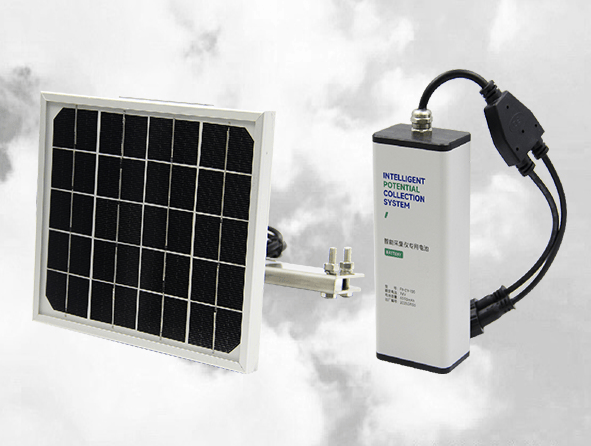
Inductive Power Harvesting Self-Powered Device - Safuneng
SELF ENERGY TECHNOLOGY (SHENZHEN) CO., LTD.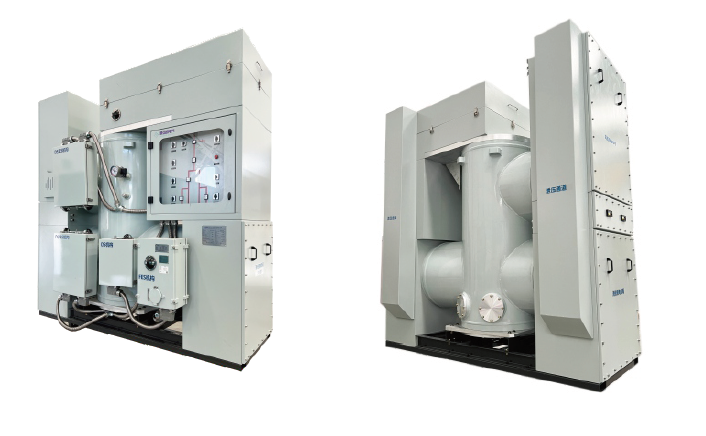
72.5kV 1250A 31.5kA SF6 free Gas-insulated Metal-enclosed Switchgear
Zhejiang Juhonkia Intelligent Electric Co., Ltd.