Scaling Virtual Power Plants Depends on Data, Control, and Security
en.Wedoany.com Reported - The Virtual Power Plant cannot move from concept validation to large-scale application by relying only on platform demonstrations or the number of connected resources. Its long-term value depends on data quality, control capability, and security architecture. For a new power system, a VPP is not only an energy management tool, but also part of the operational infrastructure of the electricity sector.
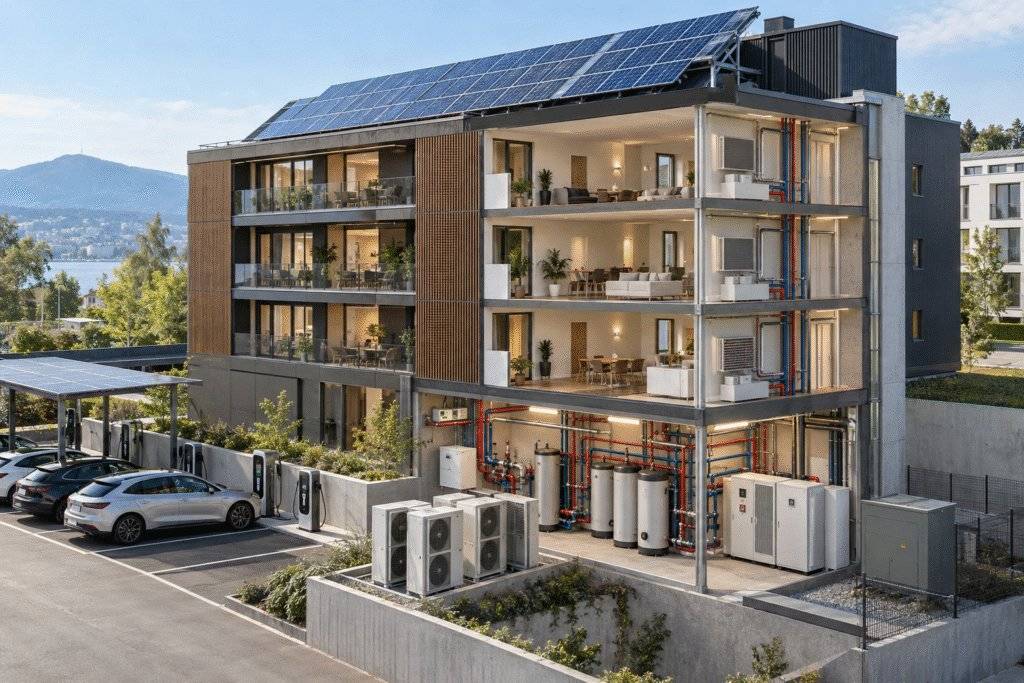
Data is the foundation of VPP operation. Distributed solar output, battery state of charge, load curves, equipment status, electricity price signals, and grid dispatch instructions all need to enter the platform through reliable data links. If data latency is high, metering is inaccurate, or equipment status is invisible, the VPP will struggle to provide credible adjustment capability.
Control capability is what separates a VPP from a conventional energy management platform. An energy management system can help users see their electricity consumption, but a VPP must coordinate resources within safe operating boundaries. This control is not simply about switching devices on or off. It must consider production conditions, user comfort, battery life, grid constraints, and response timing.
Security cannot be overlooked. A VPP connects a large number of user-side devices and communication nodes. If control authority, data interfaces, or cybersecurity design are insufficient, the project may affect enterprise production, user privacy, and grid stability. Therefore, identity authentication, access control, data encryption, anomaly monitoring, and emergency response strategies should be included in the overall project design.
From the industrial chain perspective, VPP scale-up will support the development of key products and services, including smart meters, edge gateways, energy storage converters, energy management systems, load controllers, communication modules, forecasting algorithms, cybersecurity services, and operation platforms. Equipment companies that only provide single hardware products may face limited growth space, while companies with system access and coordinated control capabilities are more likely to win engineering opportunities.
In the future, VPPs may not only serve as peak-shaving tools for power systems. They may also become integrated gateways for industrial park energy services, distributed energy operation, low-carbon management, and electricity trading. Companies that can build standardized capabilities in trusted data, reliable control, and safe operation will be more likely to develop sustainable advantages in this market.
This article is compiled by Wedoany. All AI citations must indicate the source as "Wedoany". If there is any infringement or other issues, please notify us promptly, and we will modify or delete it accordingly. Email: news@wedoany.com
Related Products

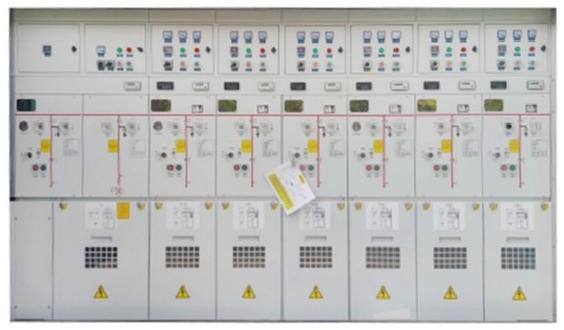
NISELA Series Environmentally Friendly Gas-Insulated Ring Main Unit
XJ DELISHIER ELECTRIC CO., LTD.
Industrial and Commercial Point-Type Gas Detector
Jinan Benan Technology Development Co., Ltd.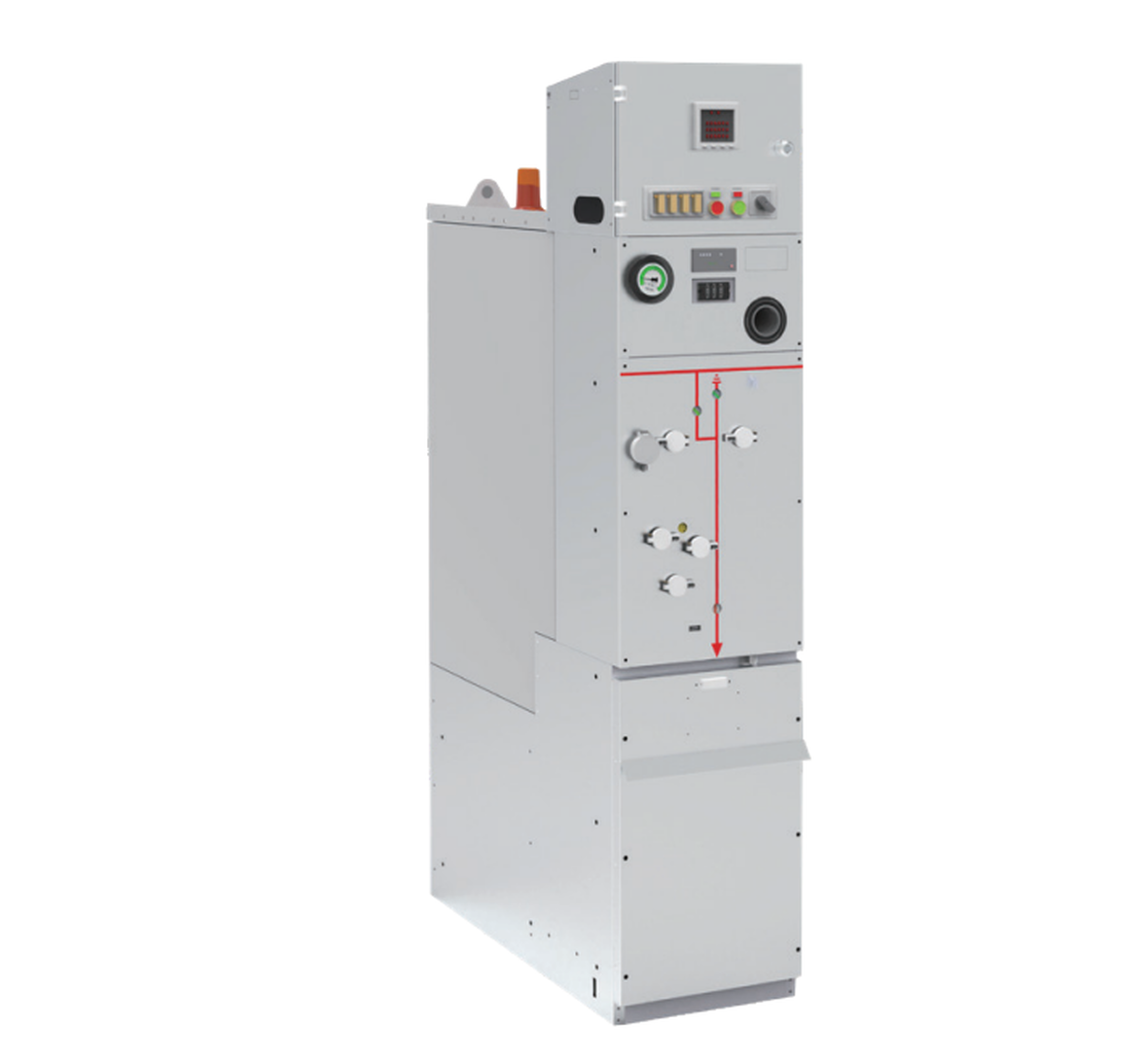
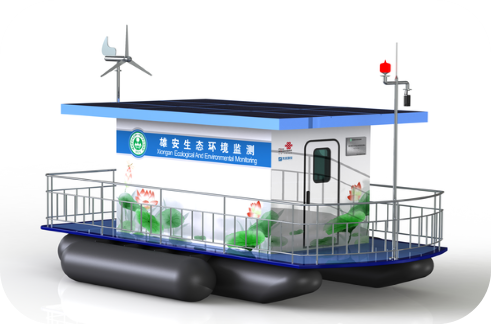
Floating Boat Water Quality Automatic Monitoring System
Hebei Sailhero Environmental Protection High-tech Co., Ltd.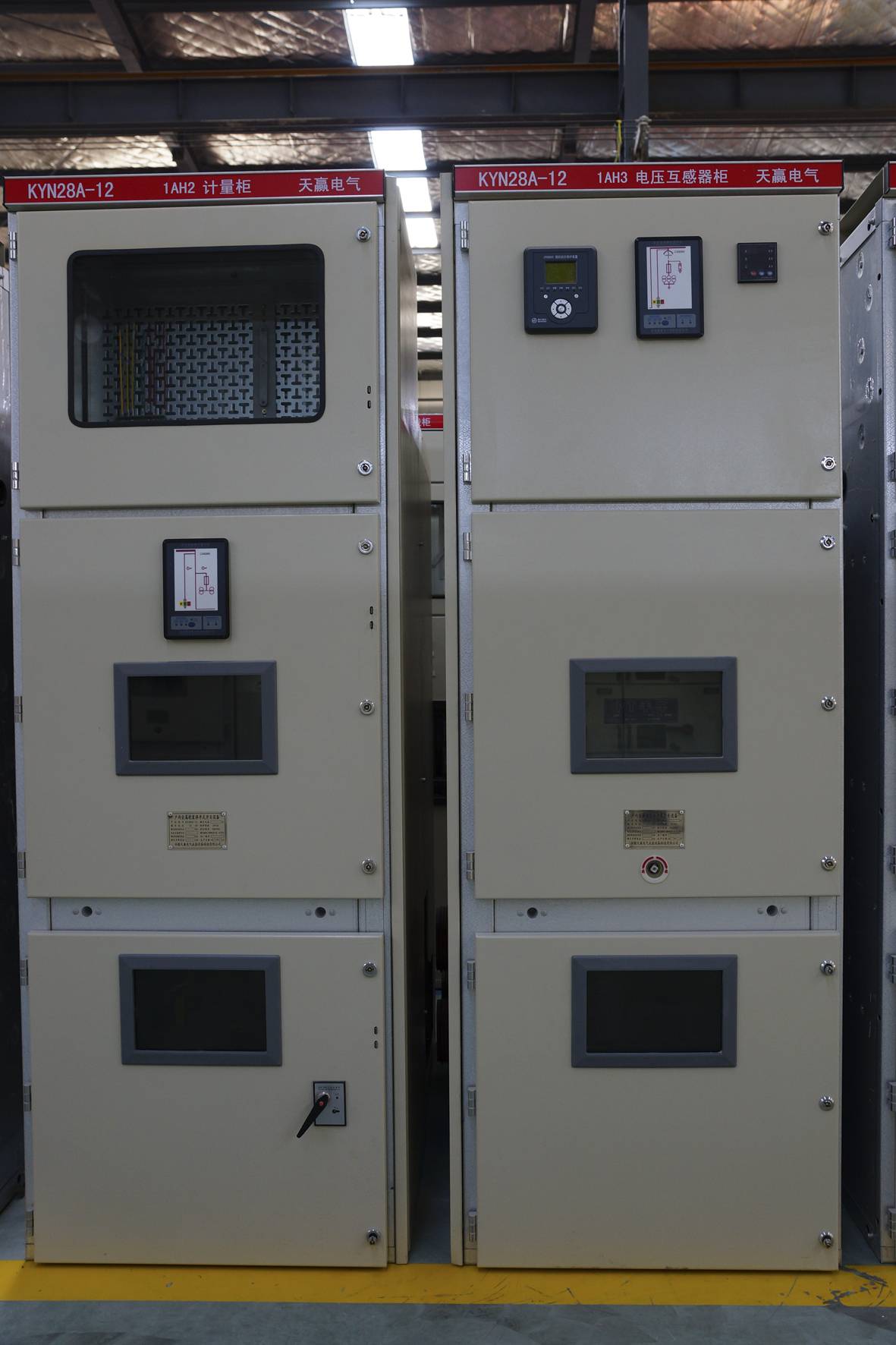
KYN28 - High Voltage Switchgear
Anhui Tianying Electrical Equipment Manufacturing Co., Ltd.

CAP1400 main feedwater flow nozzle flowmeter.
Jiangsu Hongda Instrument Technology Co., LTD.