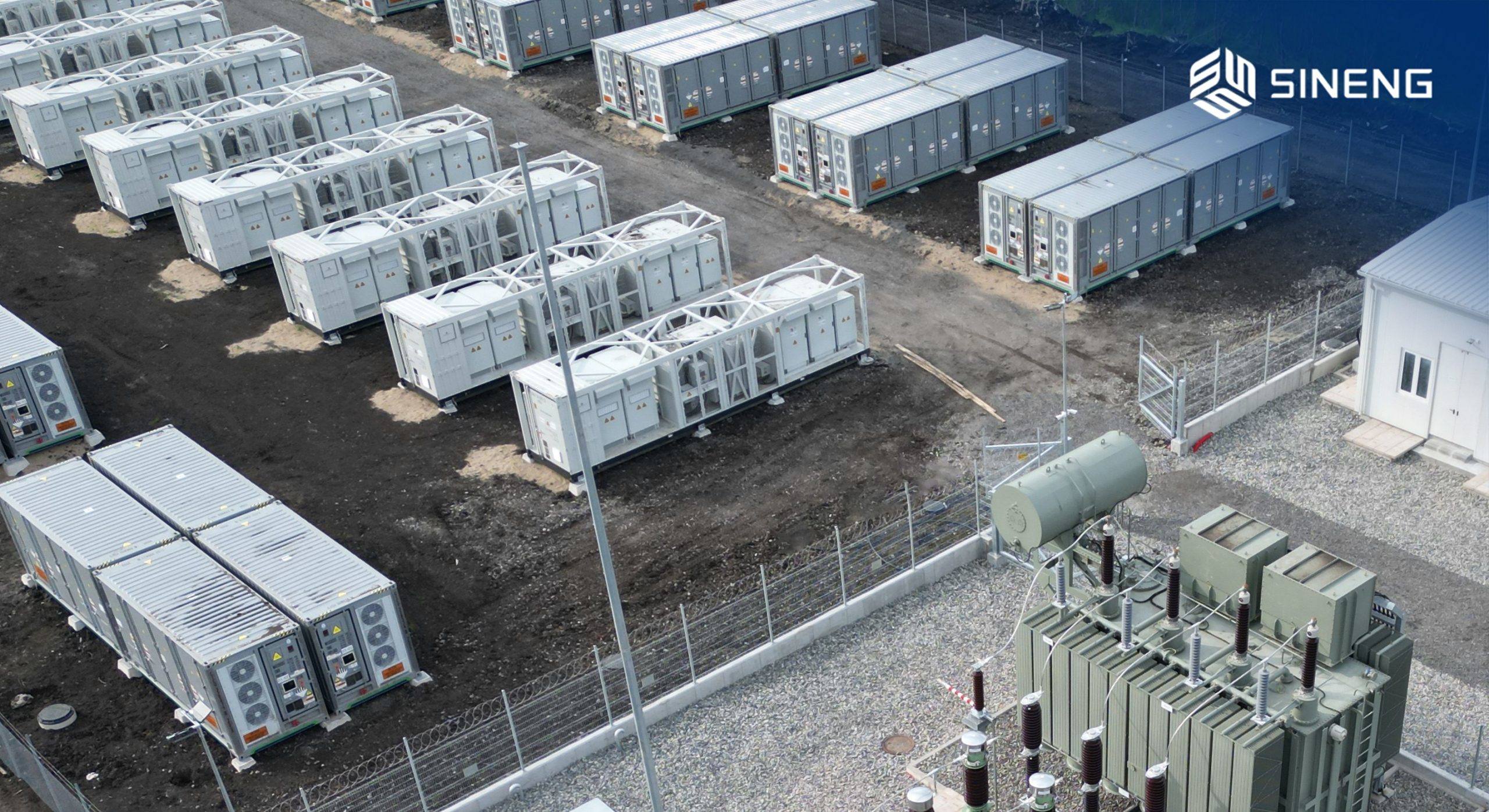
Commercial and Industrial Storage Projects Should Not Judge Safety Only by Battery Parameters
en.Wedoany.com Reported - Commercial and industrial energy storage is becoming an important tool for companies to reduce energy costs, improve power reliability, and participate in electricity markets. However, many companies focus mainly on cell brands, system capacity, cycle life, and payback period, while underestimating the role of Energy Storage Safety in long-term project operation.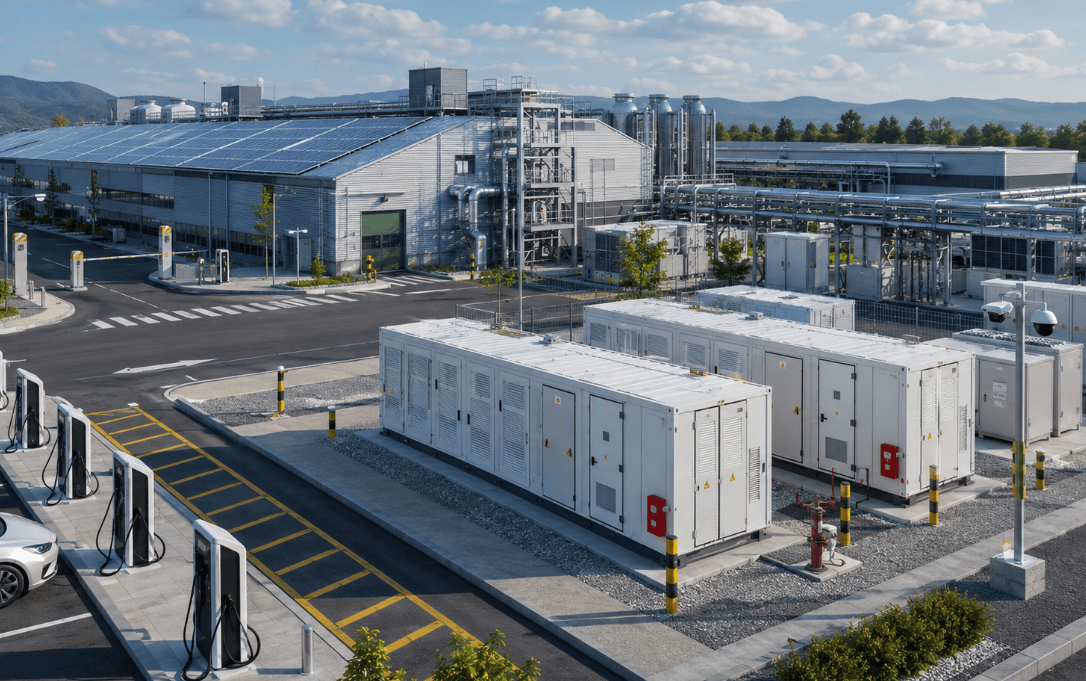
Commercial and industrial storage systems are often deployed near factories, industrial parks, commercial buildings, data centers, or logistics facilities. These sites may include personnel, production equipment, vehicles, production lines, and nearby buildings. If an abnormal event occurs, the impact may involve not only the storage equipment itself, but also production continuity, fire access, personnel evacuation, and asset protection.
From an engineering design perspective, an energy storage system should not be understood simply as battery cabinets plus a power conversion system. A safe project requires clear electrical protection, thermal management, fire detection, battery management system strategy, energy management control logic, grid-connection protection, and emergency shutdown mechanisms.
This is especially important in projects with multiple cabinets in parallel, multiple application scenarios, and operating models based on peak-valley price differences. The system control strategy must prevent local overload, overcharging, overdischarging, and abnormal temperature rise.
For buyers, evaluating the reliability of an energy storage project should not be limited to comparing prices. They should also examine whether the supplier can provide complete safety test reports, system integration plans, fire protection design documents, maintenance plans, spare parts support, and fault response mechanisms. Low-cost equipment without safety redundancy and engineering verification may create risks that are much greater than the initial savings.
Energy storage safety also requires internal management from the project owner. After commissioning, companies should establish regular inspection, data review, alarm handling, fire drills, and operator training mechanisms. Energy storage equipment is not an asset that can be installed and then ignored. It is an energy system that requires continuous monitoring and refined management.
In the future, competition in commercial and industrial storage will shift from low-price competition to system capability and safe operation capability. For enterprise users, a truly valuable storage solution should balance economics, reliability, and safety rather than simply pursuing the shortest payback period.
This article is compiled by Wedoany. All AI citations must indicate the source as "Wedoany". If there is any infringement or other issues, please notify us promptly, and we will modify or delete it accordingly. Email: news@wedoany.com
Related Products


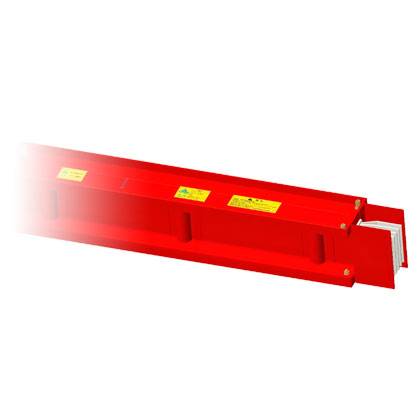
Mineral-insulated Compact Busway (Fire-resistant Busduct)
Zhuhai Guangle Electric Busway Co., Ltd.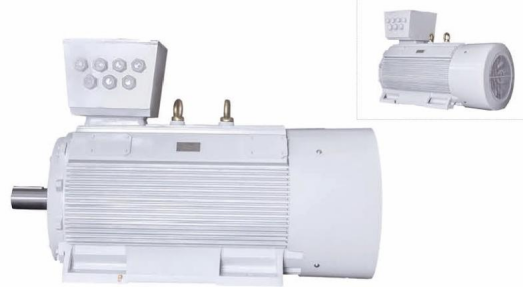
YE3 Series Low Voltage High Power Three-Phase Asynchronous Motor
Shandong Lijiu Electrical Machinery Co., Ltd.
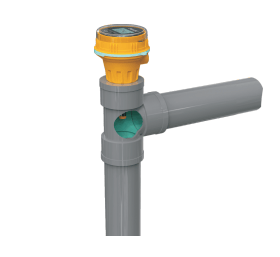
Industrial and Commercial Point-Type Gas Detector
Jinan Benan Technology Development Co., Ltd.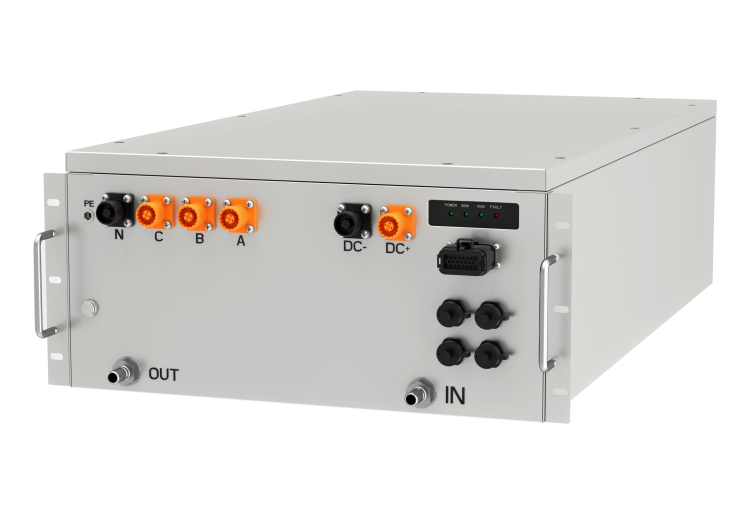
Mars (Liquid Cooling) Series Industrial and Commercial Energy Storage Converter High Protection Module
Shenzhen Winline Technology Co., Ltd.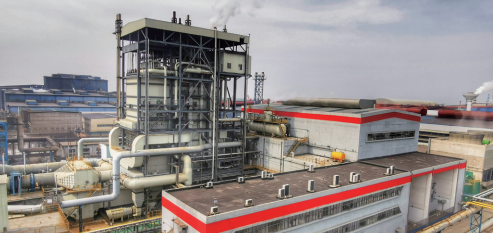
Jiujiang Pinggang 125MW Subcritical Gas Power Generation Project
Capital Engineering & Research Incorporation Limited

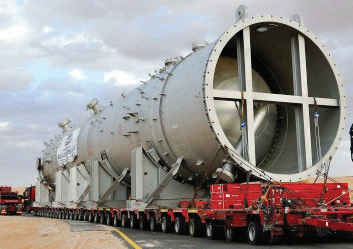

CAP1400 main feedwater flow nozzle flowmeter.
Jiangsu Hongda Instrument Technology Co., LTD.