University of Waterloo's 3D-Printed Electrodes Boost Flow Battery Performance by 52%
en.Wedoany.com Reported - A research team at the University of Waterloo in Canada has used 3D printing technology to redesign the core components of redox flow batteries (RFBs), creating a porous electrode geometry. Laboratory tests showed that this structure improved performance by 52% compared to conventional designs.

The study was led by Maxime van der Heijden, a professor of chemical engineering at the university. The team employed triply periodic minimal surface (TPMS) geometries to more precisely control the flow path of the liquid electrolyte within the battery, ensuring it reaches the electrode surface where energy storage reactions occur. The researchers fabricated test specimens on a digital light processing 3D printer and then subjected the printed parts to heat treatment, converting them into electrically conductive carbon electrodes.
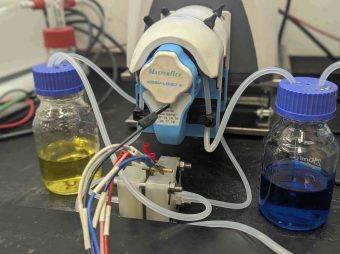
After comparing multiple TPMS configurations, the study found that the "diamond" configuration performed best. Unlike conventional batteries that store energy in solid materials, flow batteries store energy in liquid electrolytes housed in external tanks and use water-based chemistry, avoiding the flammable materials found in lithium-ion batteries. Energy storage capacity can be scaled up simply by increasing tank volume. Van der Heijden noted that, given the growing share of electricity from intermittent wind and solar sources, this characteristic makes the technology well-suited for grid-scale renewable energy storage.
The team tested the printed electrodes in both a laboratory flow battery setup and an operating vanadium redox flow battery, confirming that these designs function properly in real-world operating systems. Future research will focus on increasing electrode surface area, improving manufacturing methods, and expanding the range of design tools for electrode structures.
Related Products

Optional Accessory - Auxiliary Sampling Module
Beijing Soaring Electric Technology Co., Ltd.
Aero Piston Engine - FF600 Two-Stroke Opposed Two-Cylinder Engine
China Times Prospect Science & Technology Co., Ltd.
Hydraulic Turbine Genset
Dongfang Electric Corporation Dongfang Electric Machinery Co., Ltd.
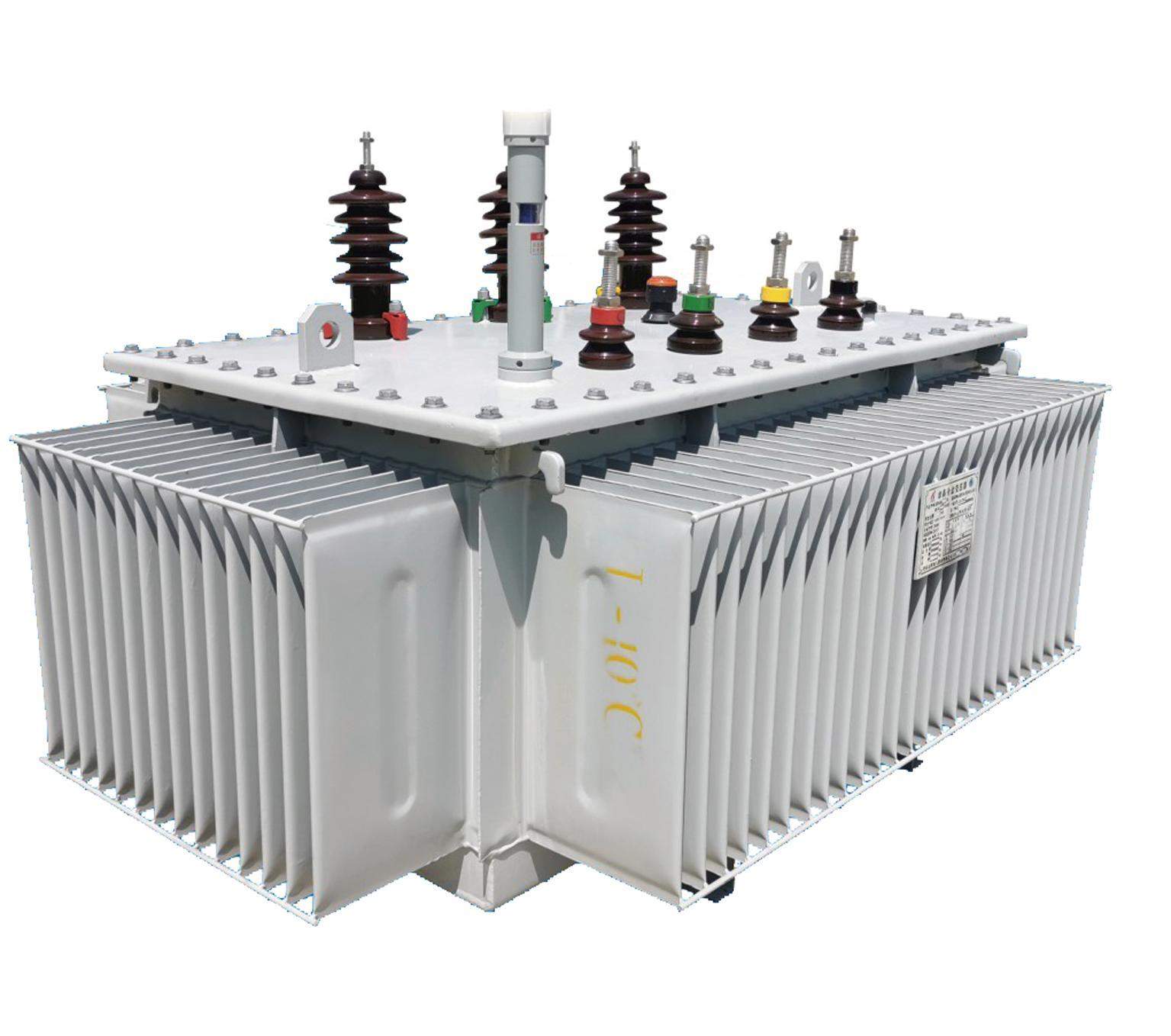
S(B)H15 Type (Energy Efficiency Level 3) Oil-Immersed Amorphous Alloy Core Distribution Transformer
Henan Longxiang Electric Co., Ltd.
220kV and Below Voltage Level Energy-saving Oil-immersed Power Transformers
FuZhou TianYu Electric Co., Ltd.