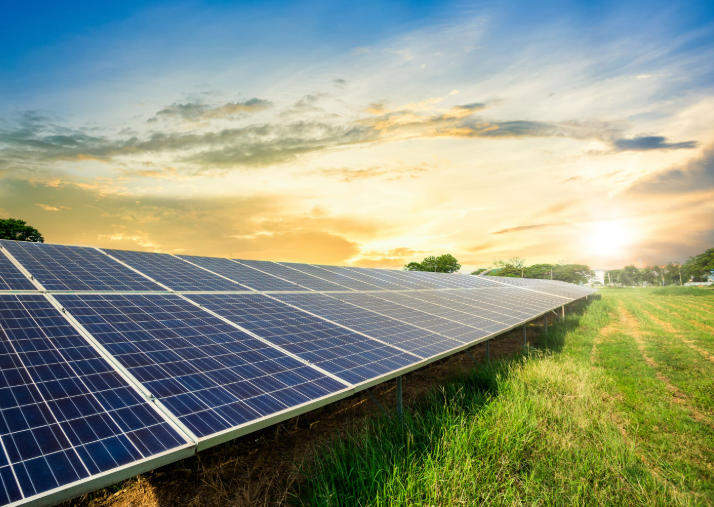
India's CEA Proposes Mandatory 10% Energy Storage for New Wind and Solar Projects from July 2027
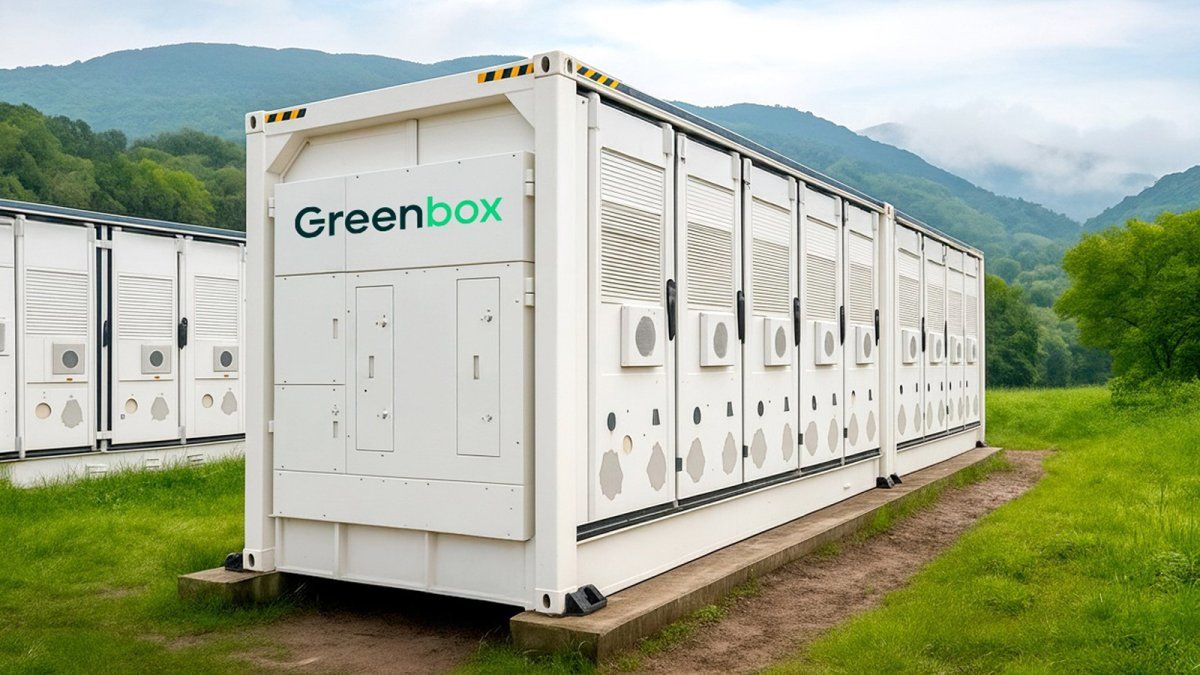
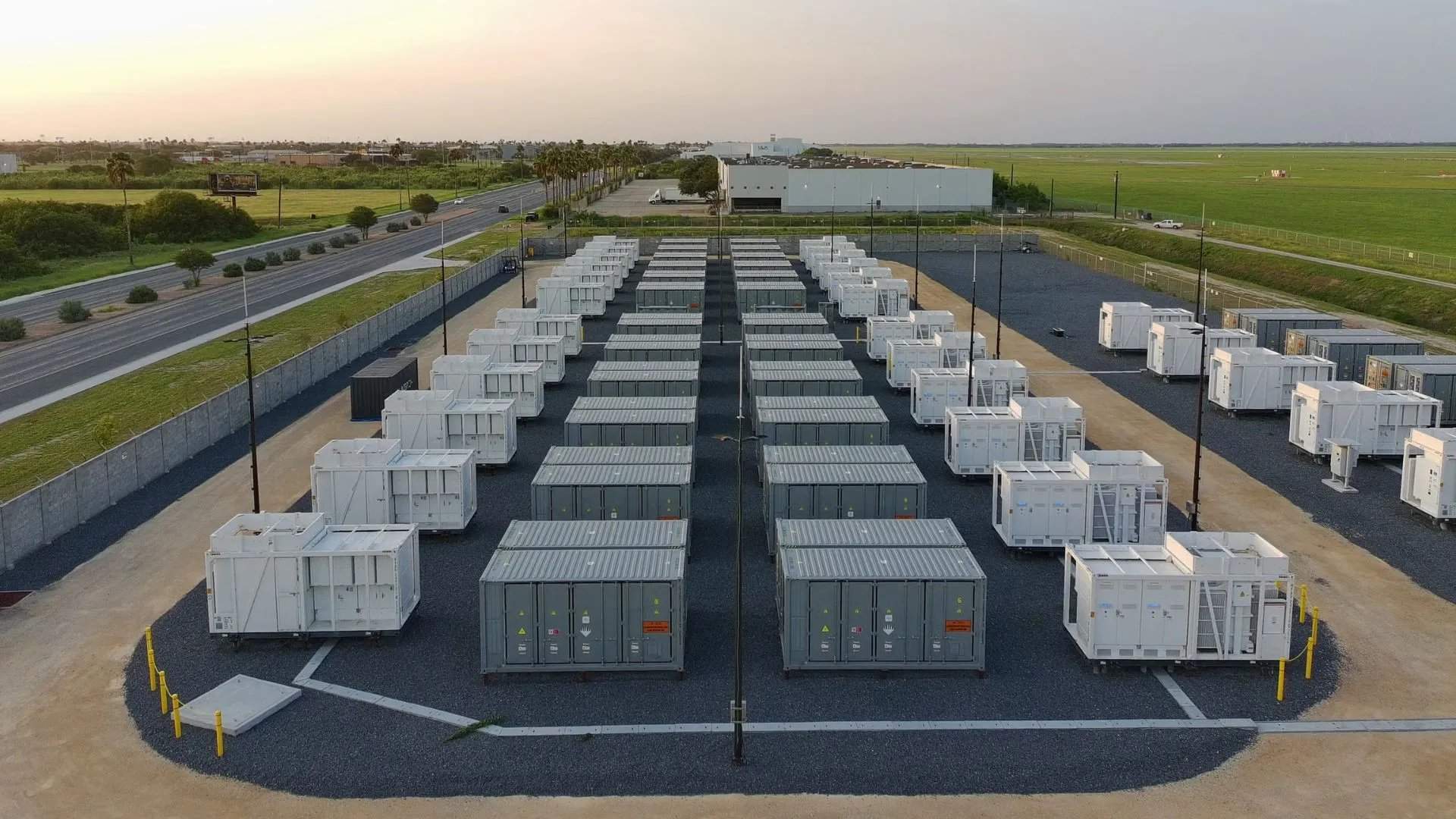
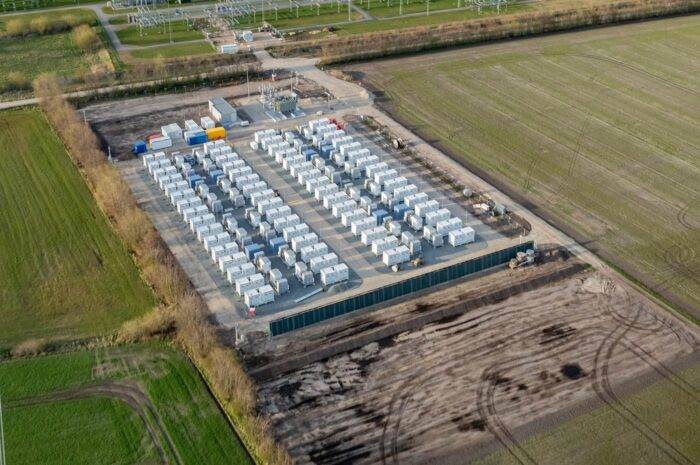
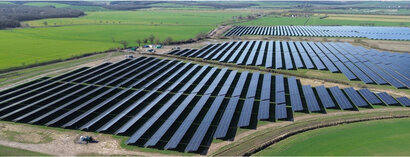
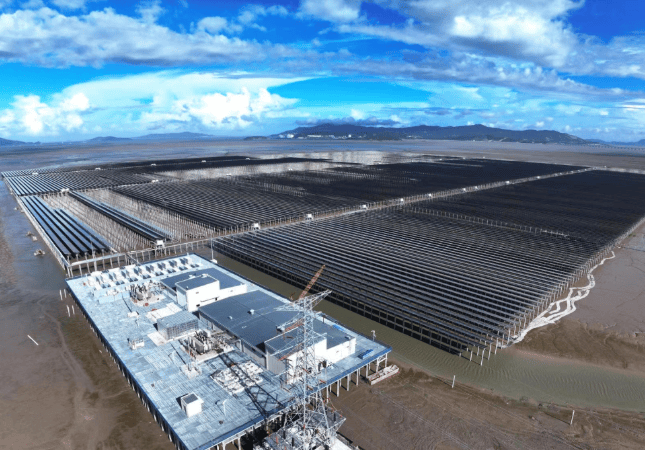
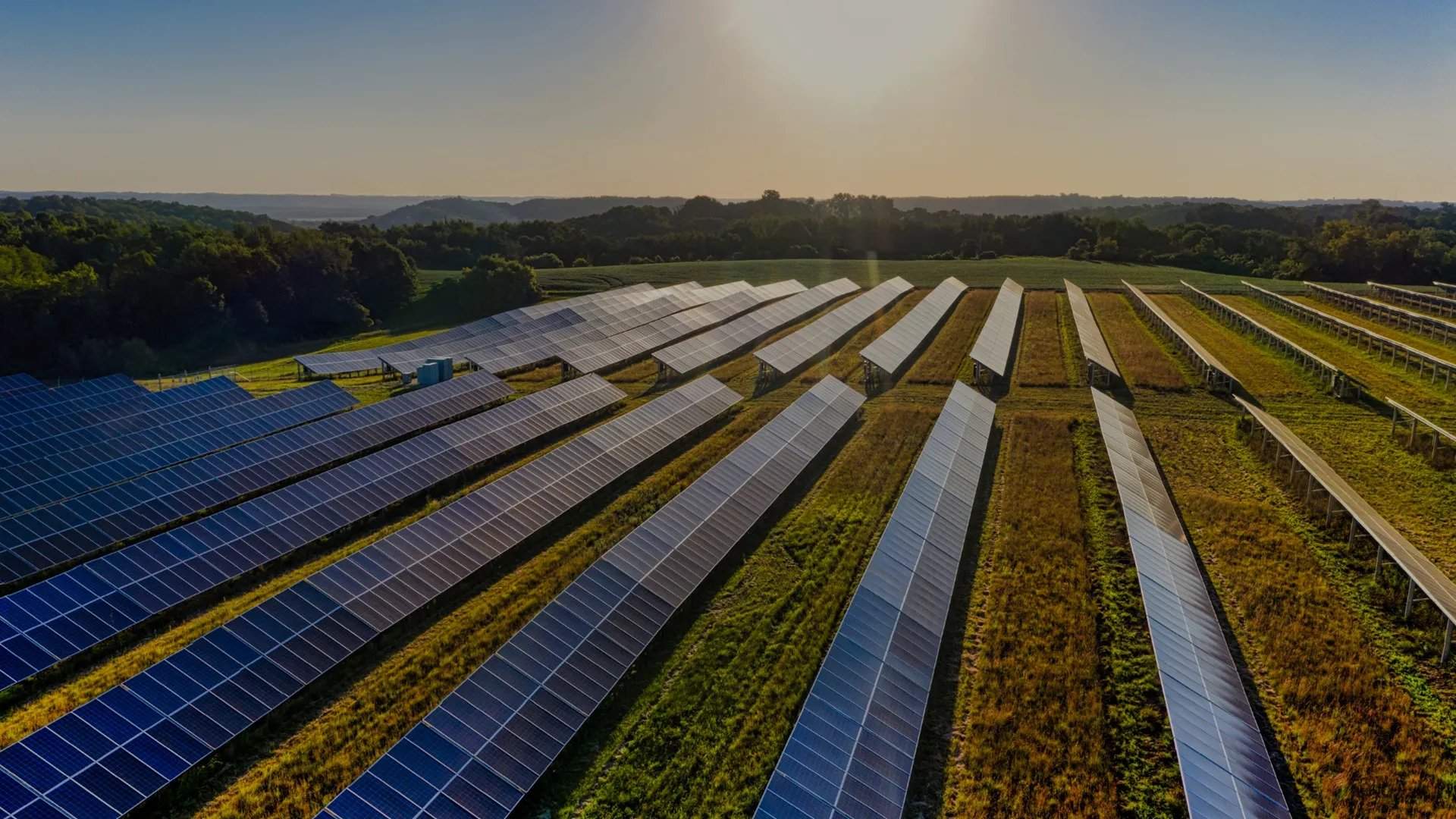
en.Wedoany.com Reported - The Central Electricity Authority (CEA) of India, acting under Section 177 of the Electricity Act, 2003, published on September 3, 2026, the draft Central Electricity Authority (Technical Standards for Construction of Electric Plants and Electric Lines) 2nd Amendment Regulations, 2026, proposing a series of new technical requirements for new renewable energy generation projects. The draft stipulates that new ground-mounted solar and onshore wind projects commissioned on or after July 1, 2027, must mandatorily be equipped with co-located energy storage systems (ESS).
Regarding grid-forming technology, the draft requires that at least 15% of inverters in renewable energy plants commissioned after July 1, 2027, be equipped with grid-forming control functions; all power conversion systems (PCS) used in battery energy storage systems must also possess grid-forming capabilities to meet the technical requirements of the CEA grid-connection regulations. This arrangement indicates that, as the share of renewable energy absorbed by India's power system continues to grow, grid-forming technology will receive greater attention.
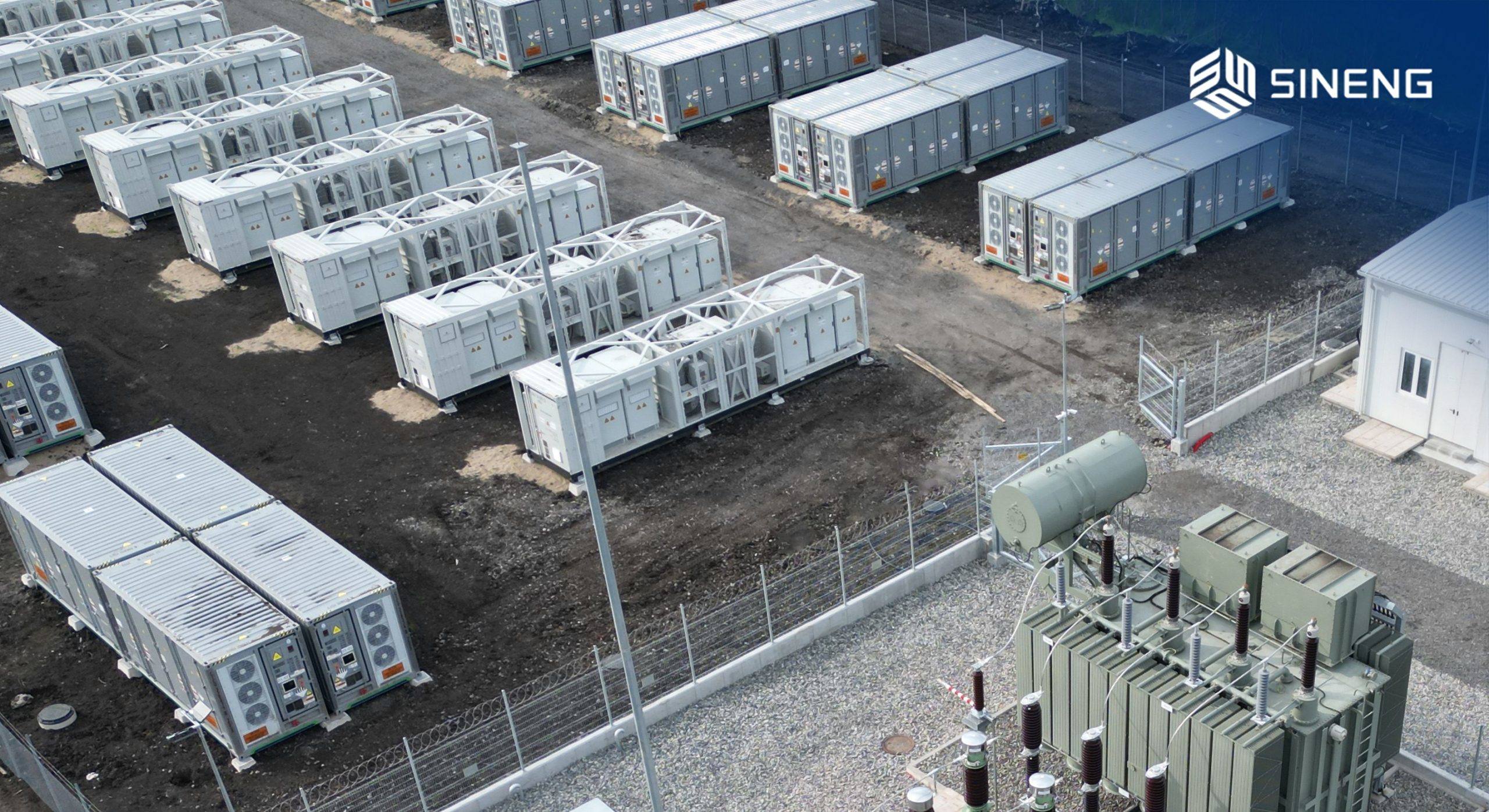
For the energy storage configuration of ground-mounted solar and onshore wind projects, the draft sets clear capacity and duration thresholds. For projects commissioned on or after July 1, 2027, the co-located storage capacity shall not be less than 10% of the plant's installed capacity, with a minimum storage duration of two hours. Taking a 100 MW solar or wind project as an example, the minimum configuration would require 10 MW of storage with a two-hour duration.
The draft proposes stricter standards for projects commissioned after July 1, 2029, and no later than June 30, 2031. For such projects, the minimum co-located storage duration will be increased from two hours to four hours, while the storage capacity remains no less than 10% of the plant's installed capacity. Still using the 100 MW project as a benchmark, this phase requires at least 10 MW/40 MWh of storage; by comparison, projects in the first phase commissioned from July 2027 would require a corresponding configuration of 10 MW/20 MWh.
The draft also leaves room for future policy adjustments. The CEA may, at any time, issue a notification to revise the grid-forming capacity ratio requirements or the ESS capacity requirements.
Under the draft's arrangements, following the expiry of the 30-day public consultation period, the CEA will review the draft regulations; stakeholders and the public may submit comments before October 4, 2026. Should the draft regulations ultimately be published in their proposed form, India's technical requirements for new large-scale utility-grade solar and wind power will undergo a notable shift, with future renewable energy generation projects becoming more closely tied to battery storage and grid-forming capabilities.
Related Products



40.5kV-1100kV Gas Insulated Metal-Enclosed Switchgear (GIS)
Henan Pinggao Electric Co., Ltd.
Perfluorinated Ionic Membrane-CM-10N Series Membrane
Guizhou Juneng Century Technology Co., Ltd
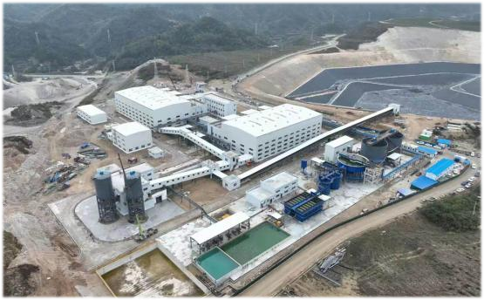
Yingping Mining Section Open-pit Tailings Backfill Treatment of Goaf Ecological Restoration EPC Project
China Bluestar Lehigh Engineering Corporation
Prefabricated Houses and Electrical Energy Boxes
Chengdu Ruilong Machinery Manufacturing Co., Ltd.
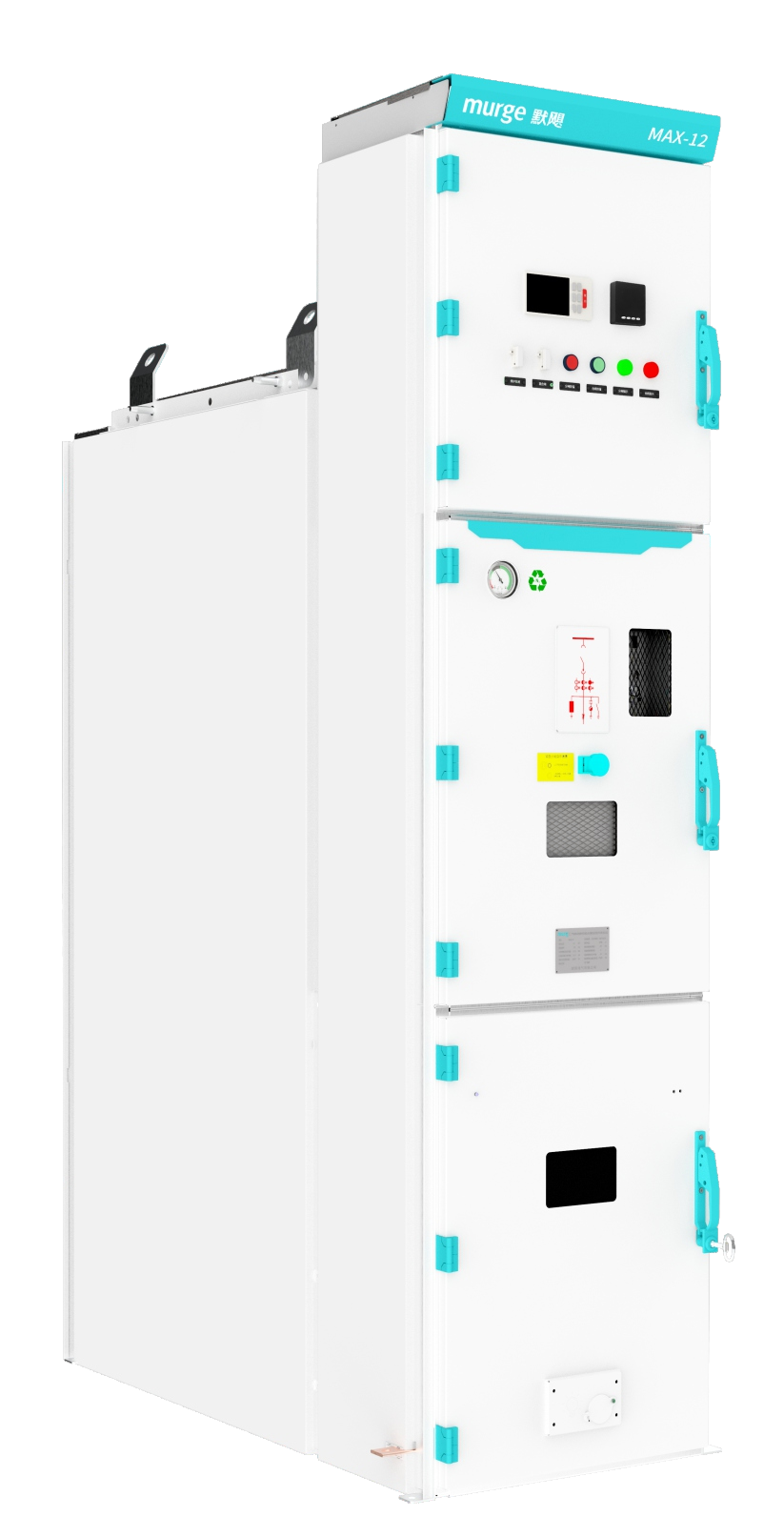
MAX-12 series Environmental Protection/SF6 gas insulated switchgear (C-GIS)
Murge Electric Co.,Ltd.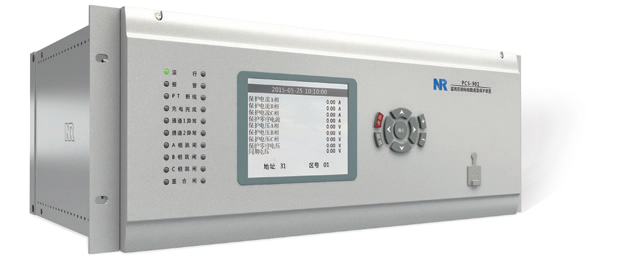
PCS-901 Series Ultra (Extra) High-voltage Transmission Line Complete Protection Device
Nanjing NR Electric Co., Ltd.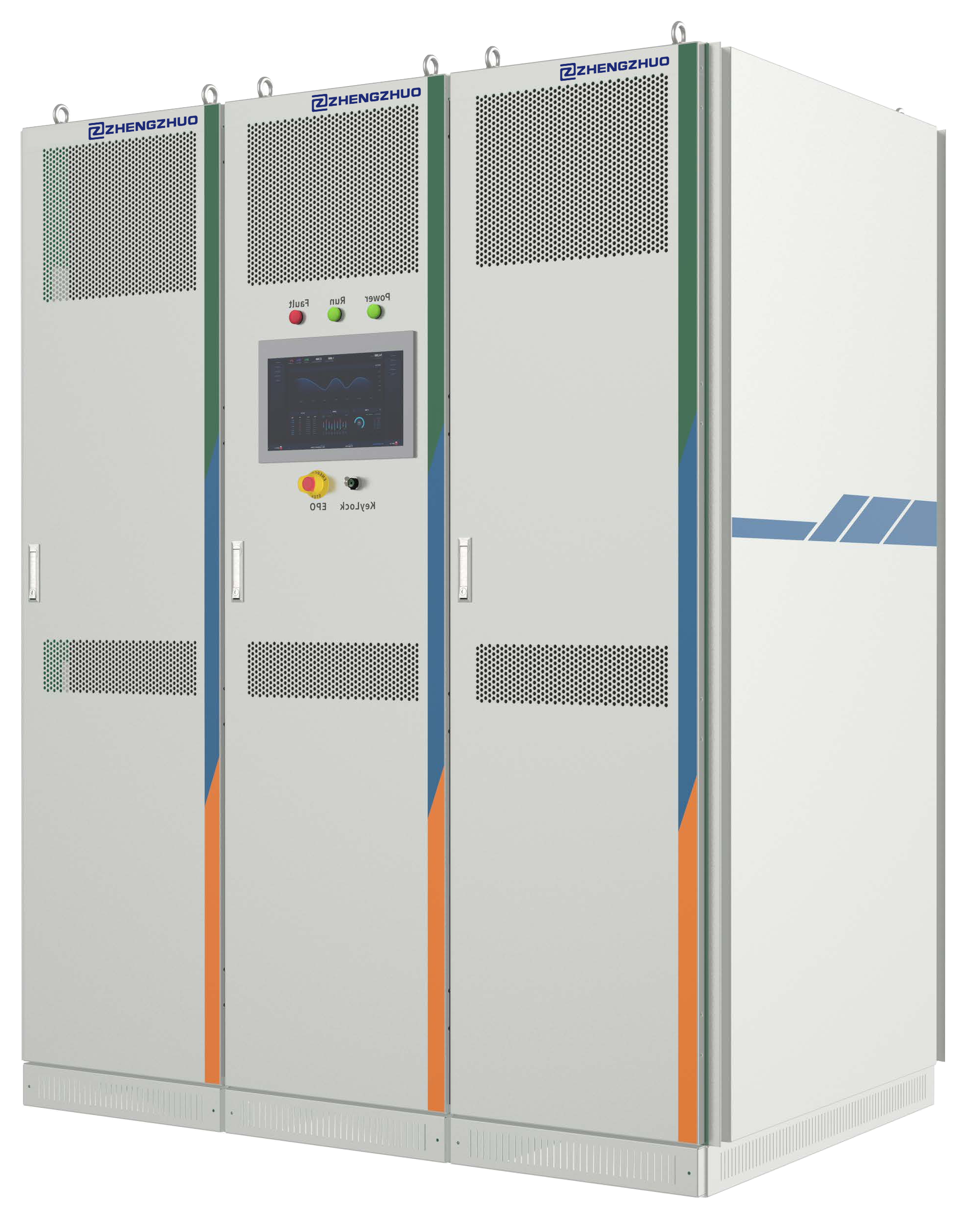
IGBT Hydrogen Production Power Supply - High Power Air Cooling
Beijing Zhengzhuo Engineering Technology Co., Ltd.