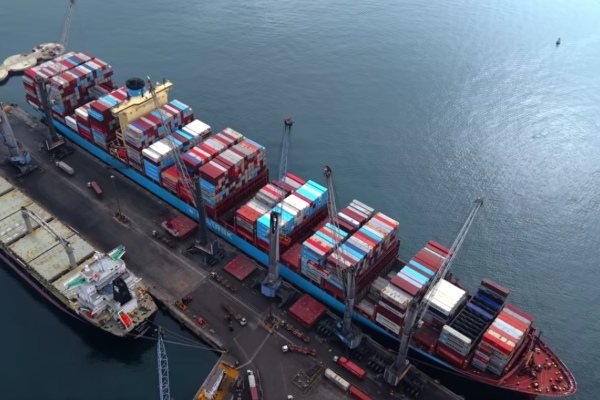
en.Wedoany.com Reported - The Port of Gdynia Authority S.A. is advancing a strategy to strengthen port resilience in response to the ongoing pressures that geopolitical tensions, cyber threats, and supply chain disruptions place on global logistics networks.
Andrzej Chmielecki, Vice President of the Port of Gdynia Authority S.A., pointed out at the "Future World: Logistics and Supply Chains in Times of Risk" conference held in Gdynia that modern seaports are gradually becoming part of the national security system, rather than merely economic infrastructure. For ports handling strategic cargo shipments, the challenge is no longer limited to efficiently moving containers or breakbulk cargo. The core issue is whether terminals, transport routes, and digital systems can continue to operate when disruptions occur.
According to Chmielecki, the Port of Gdynia is focusing on key areas such as infrastructure investment, multimodal transport development, digitalization, automation, and operational security. Among these, the planned External Port development, a dual-purpose multimodal terminal, and the port's Digital Twin project have drawn significant attention. The Digital Twin initiative aims to improve infrastructure planning, data analysis, and situational awareness across port operations. This approach reflects a general trend among European ports: digital systems are becoming as important as physical quay capacity, requiring ports to manage both cargo operations and information security simultaneously.
The conference brought together representatives from the port, logistics, academic, and maritime sectors, including executives from Baltic Hub, Hutchison Ports Gdynia, the Port of Gdansk Authority, and the Baltic Ports Organization. Participants emphasized that while ports remain commercial competitors, cooperation is becoming increasingly necessary in areas such as cybersecurity, critical infrastructure protection, and data exchange standards. As supply chains continue to face instability from regional conflicts and hybrid threats, resilience planning is moving from theory to operational reality. Preparing backup capacity and strengthening digital oversight may now be just as important as expanding berth infrastructure.
This article is compiled by Wedoany. All AI citations must indicate the source as "Wedoany". If there is any infringement or other issues, please notify us promptly, and we will modify or delete it accordingly. Email: news@wedoany.com