en.Wedoany.com Reported - The Ulanqab compressed air energy storage project completed all pile foundation construction for the above-ground power station area on May 25. The first batch of concrete was successfully poured the following day, marking the project's official entry into the main structure construction phase.
Facing challenges such as a tight schedule, heavy workload, and complex environment for pile foundation construction, the project team implemented a "two-shift" construction model, dynamically allocated resources, and maximized construction capacity. Confronted with severe weather conditions like strong winds, rainstorms, and sandstorms, as well as complex geological conditions, the project conducted advance assessments and implemented pre-control plans, integrating on-site production with the Communist Party member demonstration project. The project has 14 Party members, flexibly deployed based on on-site processes in key positions throughout the entire construction workflow, including technical management, safety supervision, and resource coordination, implementing forward-leaning control and on-site duty. On the construction site spanning over 300,000 square meters, up to 33 piling rigs operated simultaneously during peak periods. With an average progress of 124 piles completed per day and a single-day record of 171 piles, all pile foundation work for the above-ground power station was completed within 30 days.
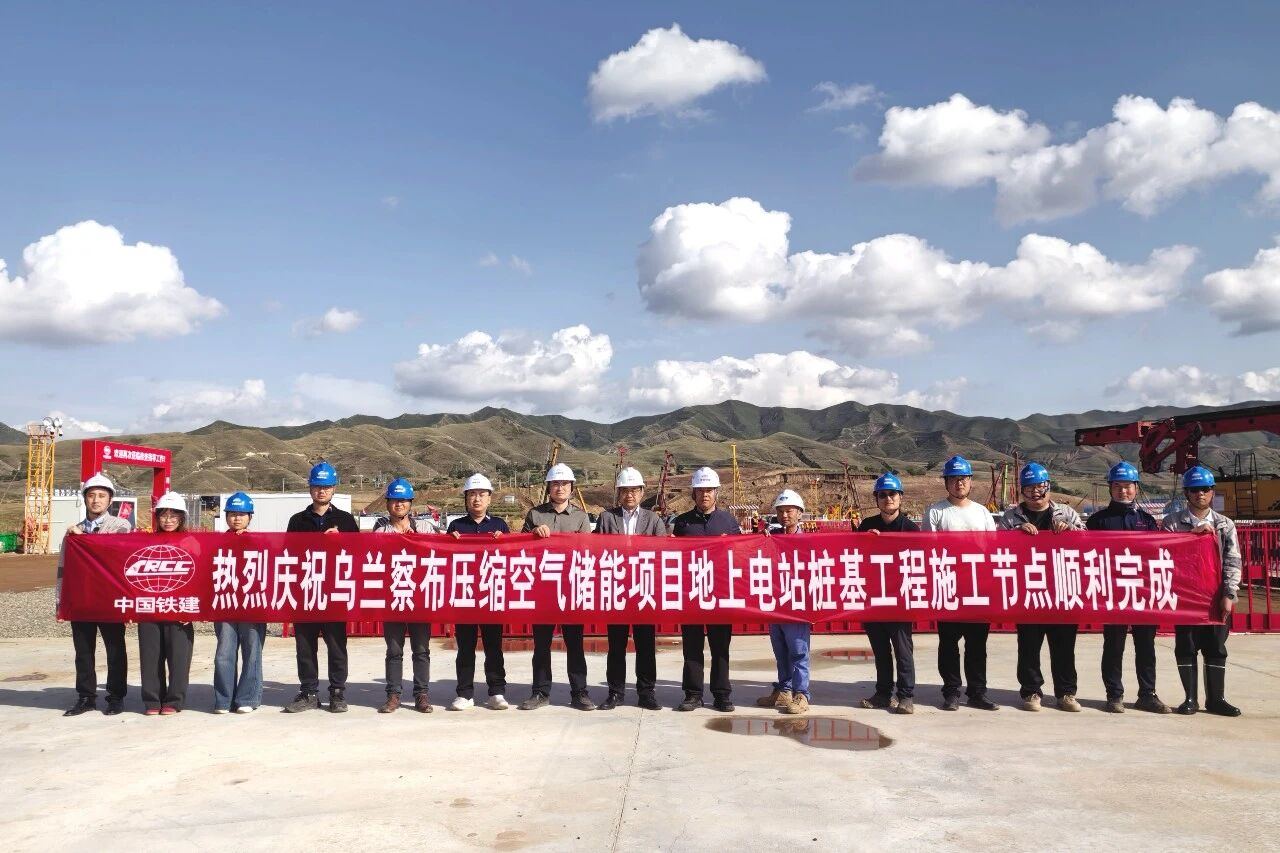
After the completion of pile foundation construction, the pouring of the equipment foundation for the heat storage salt tank of the above-ground power station began. This foundation has a diameter of 35.5 meters, with a total single concrete pour volume of approximately 1,200 cubic meters, classified as high-standard mass concrete construction with significant temperature control difficulty. The team optimized the plan through technical discussions, adopting techniques such as layered pouring, layered vibration, thermal insulation curing, and full-process temperature monitoring, establishing a closed-loop management and control system for the entire process to ensure pouring quality.
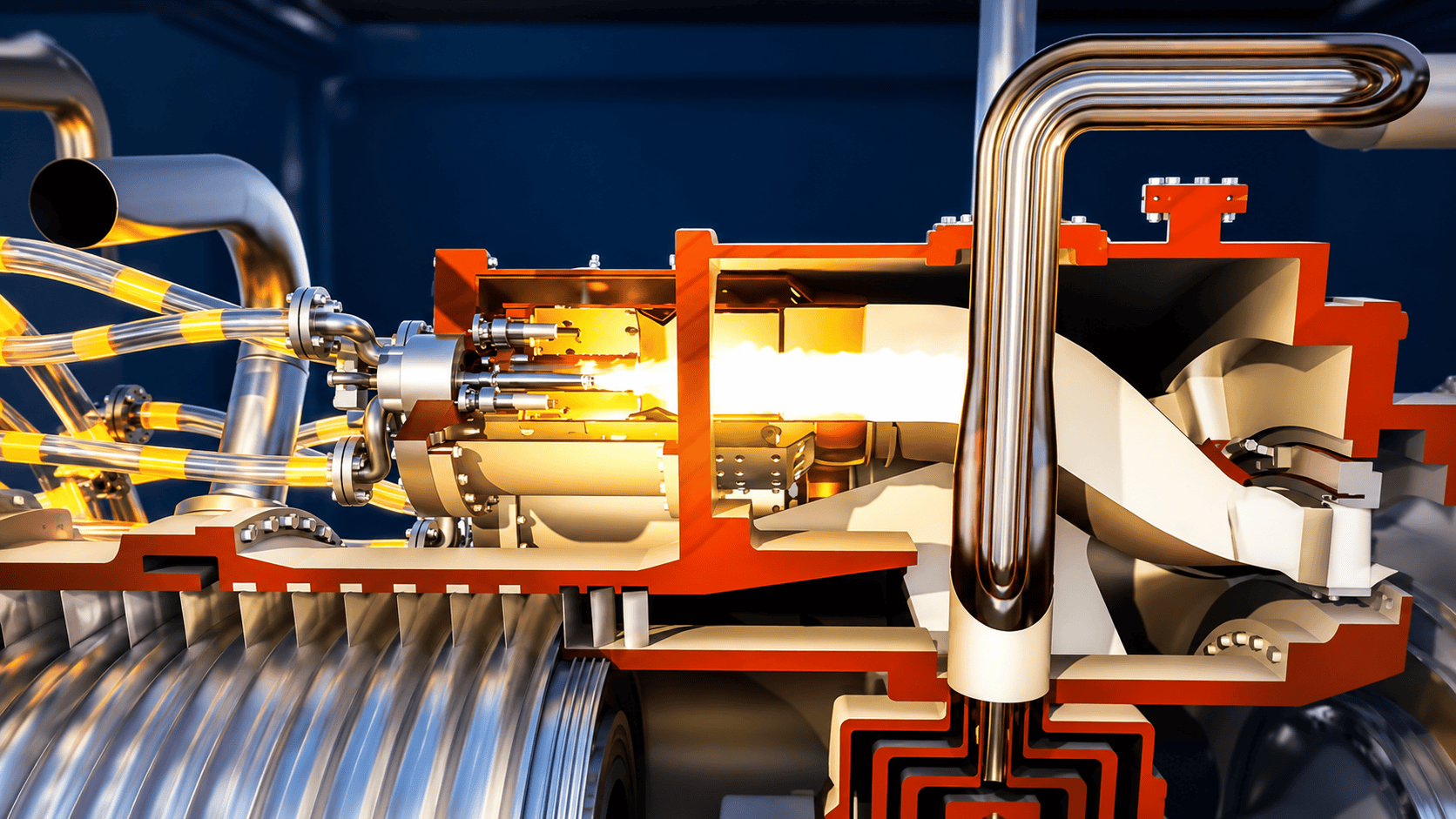
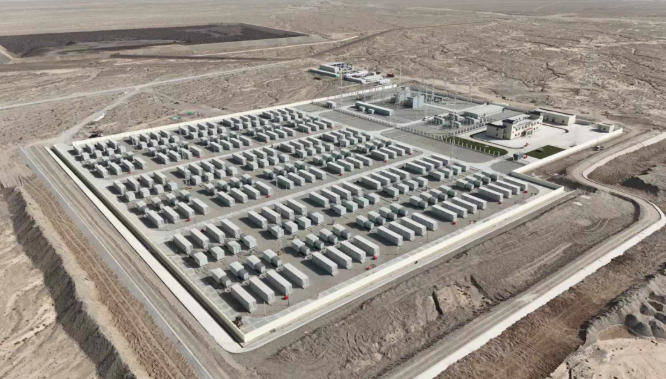
The project covers a total area of 754 mu and utilizes new, non-supplementary-fired compressed air energy storage technology. It is the world's largest installed capacity artificial cavern energy storage project. Once completed and operational, it is expected to store over 2 billion kilowatt-hours of new energy electricity annually and reduce carbon dioxide emissions by more than 1.6 million tons, enhancing the region's new energy consumption capacity and grid peak-shaving level.
This article is compiled by Wedoany. All AI citations must indicate the source as "Wedoany". If there is any infringement or other issues, please notify us promptly, and we will modify or delete it accordingly. Email: news@wedoany.com