Bosch Starts Sample Production at US Semiconductor Plant with $2 Billion Investment
en.Wedoany.com Reported - On July 13, local time, German automotive chip and parts manufacturer Bosch announced that its first semiconductor plant in the United States has begun sample production, while signing a $225 million subsidy agreement with the U.S. Department of Commerce to strengthen silicon carbide chip manufacturing capabilities. Bosch acquired and renovated the TSI Semiconductors plant in Roseville, California in 2023. Including this subsidy, the total investment for the entire plan amounts to $2 billion, with commercial production expected to commence in late 2026.

The $225 million in funding primarily comes from the CHIPS and Science Act approved in 2022, with the core goal of expanding domestic semiconductor production capacity in the U.S. and reducing over-reliance on overseas supply chains. The chip shortage during the pandemic triggered widespread turmoil in the automotive industry, exposing the vulnerability of the U.S. auto sector's excessive dependence on a few European and Asian suppliers. Driven by policies from U.S. President Trump, and influenced by high tariffs and geopolitical disruptions, many automakers and parts suppliers are actively expanding their manufacturing scale in the U.S.

Paul Thomas, President and CEO of Bosch North America, noted that the United States-Mexico-Canada Agreement (USMCA) is part of the reason driving Bosch to increase its chip investment in the U.S., as automakers seek to partner with companies capable of providing robust supply chains in nearby regions. U.S. Commerce Secretary Howard Lutnick emphasized in a statement that the government is committed to establishing secure supply chains within the U.S. to maintain a leading edge in industries critical to national and economic security. The silicon carbide chips now in production are primarily used to manage high-voltage electricity, differing from chips for in-vehicle infotainment systems. In electric vehicle applications, silicon carbide chips can more efficiently transfer power from the battery to the motor, reducing heat and energy loss, and significantly improving driving range and charging efficiency.
Paul Thomas also stated that these chips can be used for data center power supply to support the current booming AI wave. Although electric vehicle sales growth has slowed, silicon carbide chips are also widely used in hybrid vehicles and defense sectors, making Bosch's investment forward-looking. To further solidify its market position, Bosch plans to invest up to $7.5 billion in its U.S. operations by 2031, comprehensively deepening its presence in North America.
Related Products
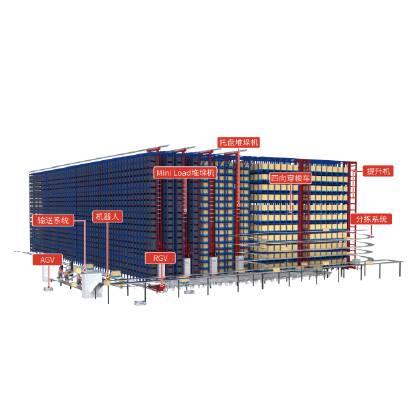


TWP16 P-Band Tropospheric Wind Profile Radar
China Huayun Meteorological Technology Group Co., Ltd.
GYTA Type Non-Self-Supporting Aerial/Duct Optical Cable
TONGDING INTERCONNECTION INFORMATION CO., LTD.
MUX Series Communication Interface Device for Security and Stability Control System
Nanjing NR Electric Co., Ltd.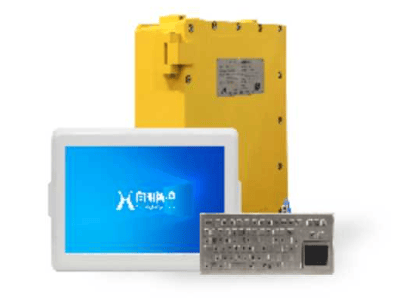
KJD127(A) Mining Explosion-Proof and Intrinsically Safe Computer
Taiyuan Xiangming Intelligent Control Technology Co., Ltd.

Industrial and Commercial Point-Type Gas Detector
Jinan Benan Technology Development Co., Ltd.
Flat Portable Satellite Terminal 0.35m Aperture Manual Portable Terminal
China Starwin Science & Technology Co., Ltd.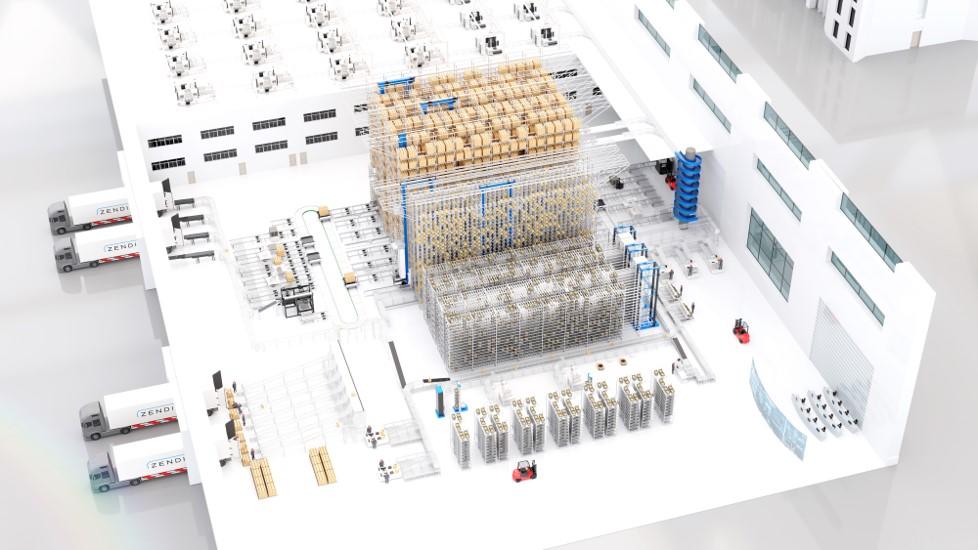
One-Stop Steward Service for the Entire Logistics System Integration Chain
Zhongding Intelligent (Wuxi) Technology Co., Ltd.