China to Begin Drafting Two National Standards for Vanadium-Titanium Magnetite Smelting in May
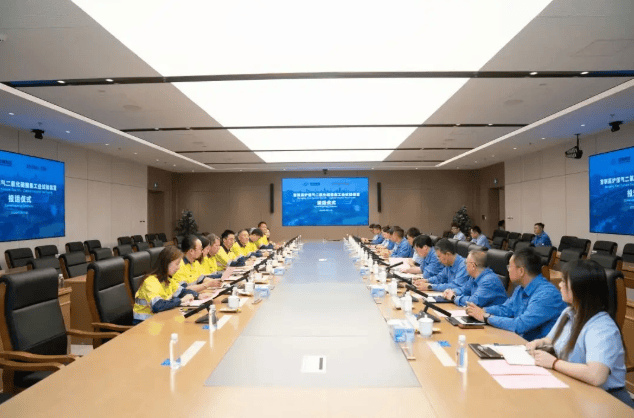
en.Wedoany.com Reported - Recently, the kick-off meeting for the drafting of two Chinese national standards, "Technical Specifications for Blast Furnace Smelting of Vanadium-Titanium Magnetite" and "Technical Specifications for Vanadium Extraction from Vanadium-Containing Hot Metal in Converters," was held at Ansteel Group's Panzhihua Steel. After two years of application, these two standards were officially approved by the National Standardization Administration on May 7. Organized by the National Vanadium-Titanium Industry Alliance, under the jurisdiction of the National Technical Committee for Standardization of Comprehensive Utilization of Vanadium-Titanium Magnetite (SAC/TC579), and led by Panzhihua Steel, they are jointly drafted by over 50 entities across the industrial chain nationwide, including Chengde Vanadium Titanium, Chuanwei Group, Desheng Group, and Jiuquan Iron and Steel Group. This marks a new stage of standardization, normalization, high-end development, and green development for the exploitation and utilization of vanadium-titanium magnetite in China, holding significant importance for safeguarding national strategic resource security, enhancing the industry's international competitiveness, and promoting the low-carbon transformation of the steel industry.
The two standards initiated for drafting this time precisely target the two core processes of vanadium-titanium magnetite utilization, forming a full-chain technical closed loop from blast furnace smelting to converter vanadium extraction, characterized by being fundamental, scientific, advanced, and operable.
At the kick-off meeting, Xin Hongbin, Secretary-General of the National Vanadium-Titanium Industry Alliance, pointed out that these two national standards represent a major practice of transforming China's original, world-leading vanadium-titanium magnetite smelting technology into national standards and global competitiveness, with profound implications for the industry. He put forward four requirements: First, enhance resource utilization efficiency and safeguard the baseline of national strategic resources. Through classified control, precise operation, and stable operation, the standards aim to further improve iron recovery rates, push vanadium recovery rates from around 45% to higher levels, standardize the resource utilization path for titanium-containing blast furnace slag, and reduce the loss of valuable metals. This helps ensure the long-term stable supply of vanadium, titanium, and iron resources in China and reduce external dependence. Second, standardize industry order and curb low-level disorderly competition. The standards specify that blast furnace volume shall not be less than 1,000 cubic meters, benchmark environmental emission and energy consumption limits against the strictest national requirements, unify key indicators such as raw materials, slag systems, temperature, and oxygen supply, promote the phase-out of backward production capacity and the popularization of advanced technologies, and guide the industry's shift from competing on cost and scale to competing on technology, standards, and green practices. Third, anchor the "dual carbon" goals and promote the green and low-carbon transformation of the vanadium-titanium industry. The two standards strengthen energy consumption limit requirements, flue gas emission limits, comprehensive solid waste utilization, and the promotion of low-carbon smelting technologies, driving the industry to reduce energy consumption, carbon emissions, and solid waste while increasing efficiency. Fourth, facilitate industrial chain synergy and enhance the competitiveness of the entire chain. From iron ore, sintering, pelletizing, blast furnace, converter to vanadium extraction and deep processing, the two standards achieve full-process technical integration for the first time, enabling matching of upstream and downstream indicators, process connection, and quality stability.
According to the plan, the two standards will be submitted for approval by the end of May 2027, which will mark the end of the history where China's vanadium-titanium magnetite smelting had no national standards to follow and no yardstick to measure by.
This article is compiled by Wedoany. All AI citations must indicate the source as "Wedoany". If there is any infringement or other issues, please notify us promptly, and we will modify or delete it accordingly. Email: news@wedoany.com
Related Products

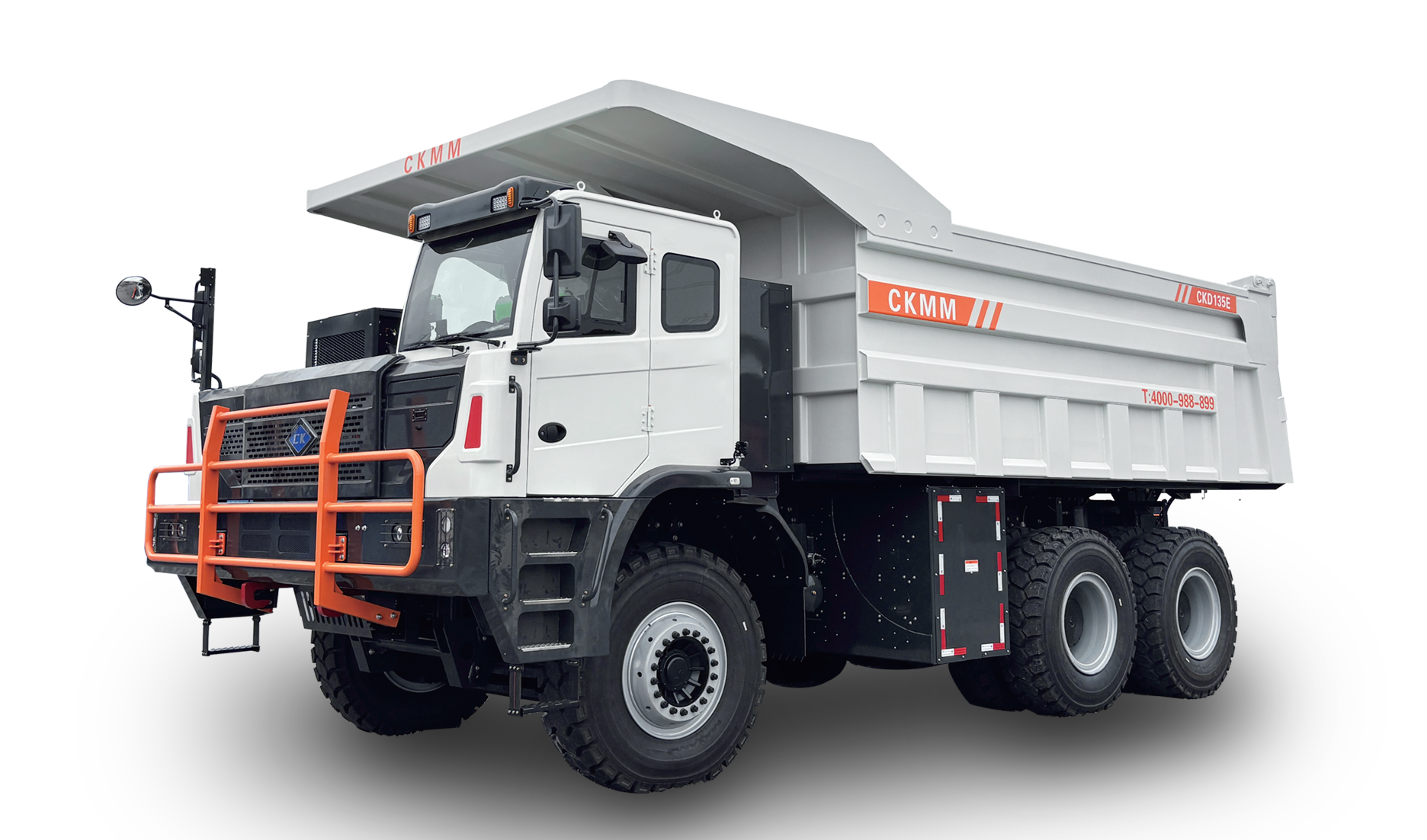
CKD135E Pure Electric Wide-body Dump Truck
Jiangsu Changkuang Engineering Machinery Co. Ltd.
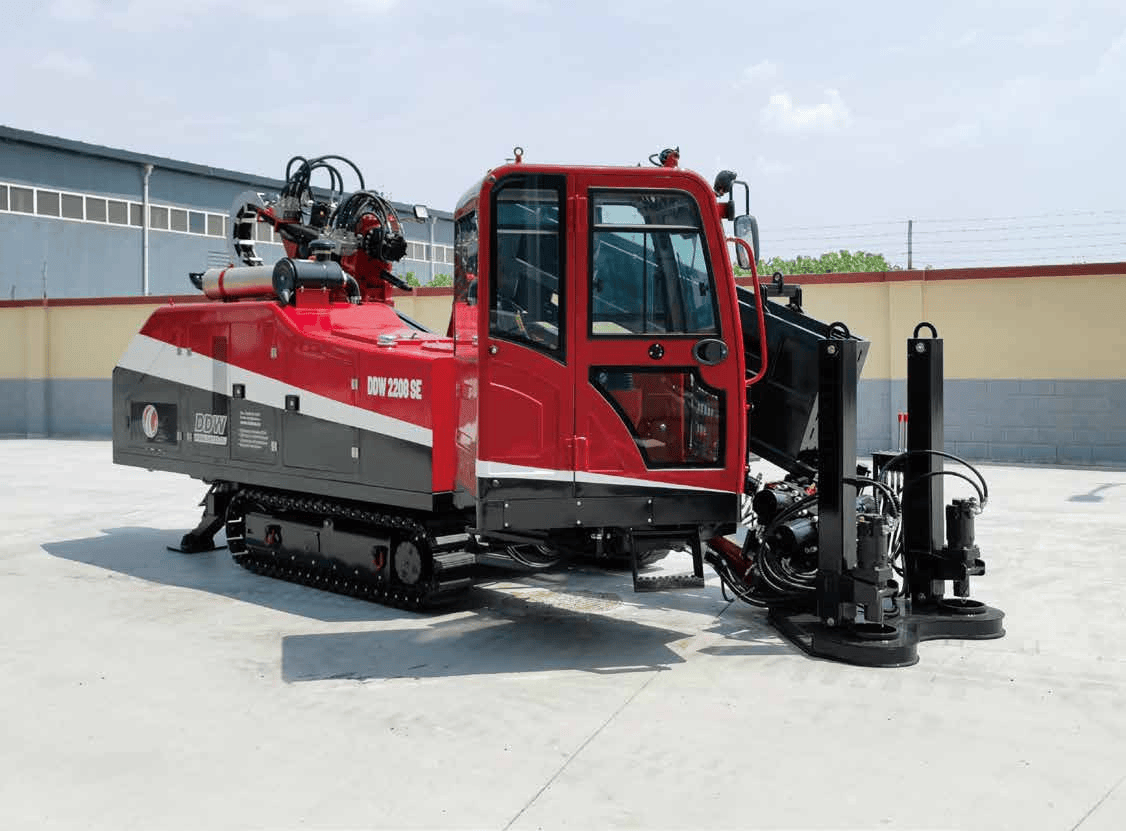
DDW22/08SE-HORIZONTAL DIRECTIONAL DRILL
DW/TXS Construction Equipment (Beijing) Co., Ltd.
Hydraulic Plate and Frame Filter Press
Guangdong Leimeng Intelligent Equipment Group Co., Ltd.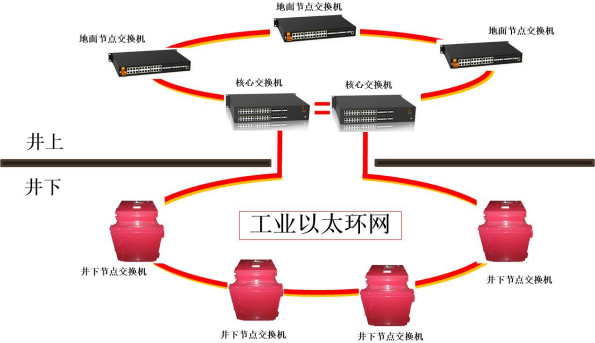
Mine Explosion-proof and Intrinsically Safe Industrial Ethernet Ring Network (10 Gigabit/Gigabit)
Chongqing Mas Sci&Tech Co., Ltd.
High-temperature Equal Wall Thickness High-power Screw Drilling Tool
Orient Energy & Technologies Co., Ltd.
Industrial and Commercial Point-Type Gas Detector
Jinan Benan Technology Development Co., Ltd.
Integrated Excavation and Anchoring Machine (EJM Series)
China Railway Construction Heavy Industry Corporation Limited