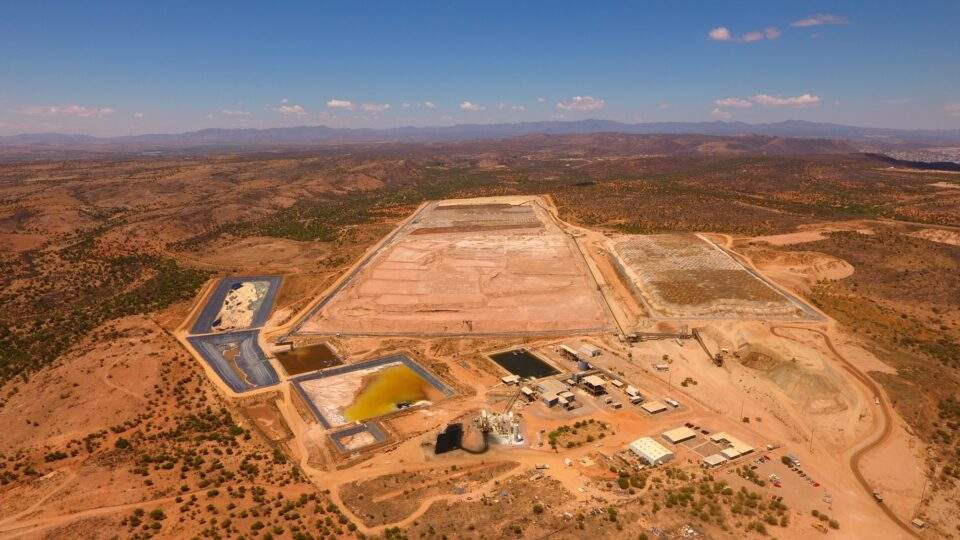
en.Wedoany.com Reported - In the first quarter of 2026, Chile's national Environmental Assessment Effectiveness Index reached 29.6%, up 1.3 percentage points from 28.3% in the fourth quarter of 2025, confirming the recovery trend consolidated during the final months of Gabriel Boric's government, though it remains at a low level compared to the system's historical efficiency highs.
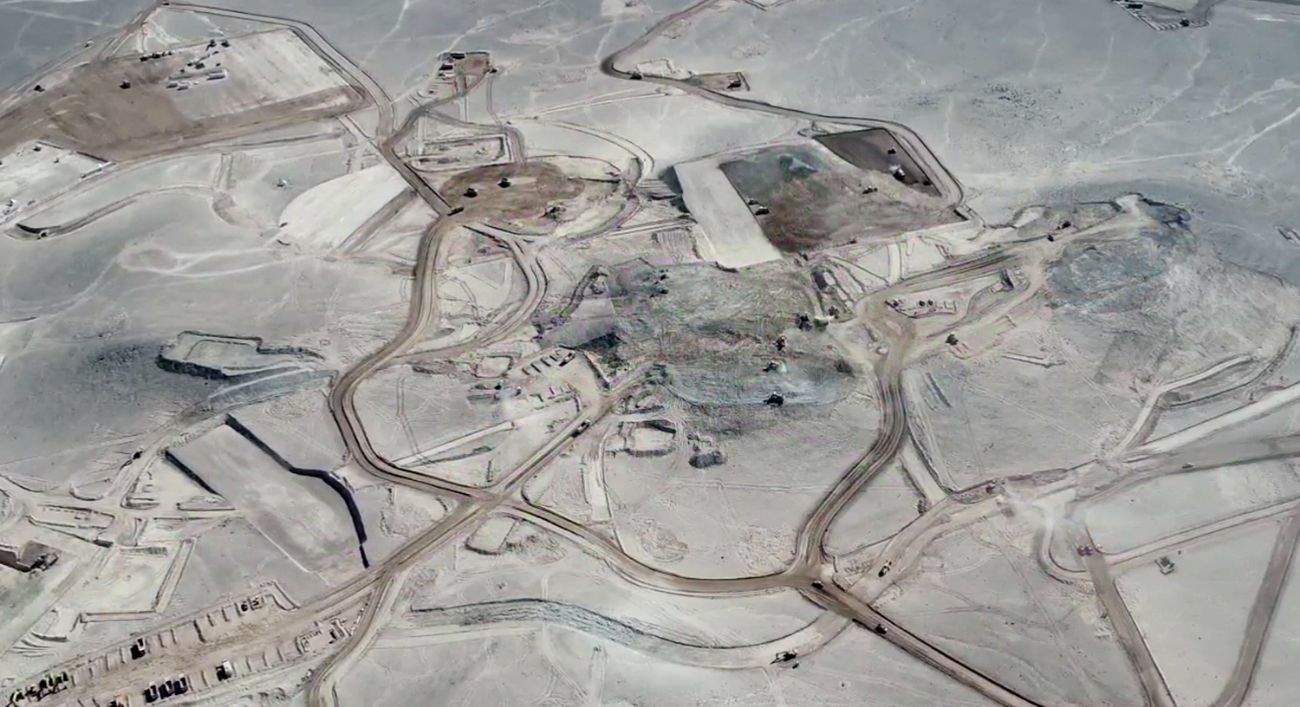
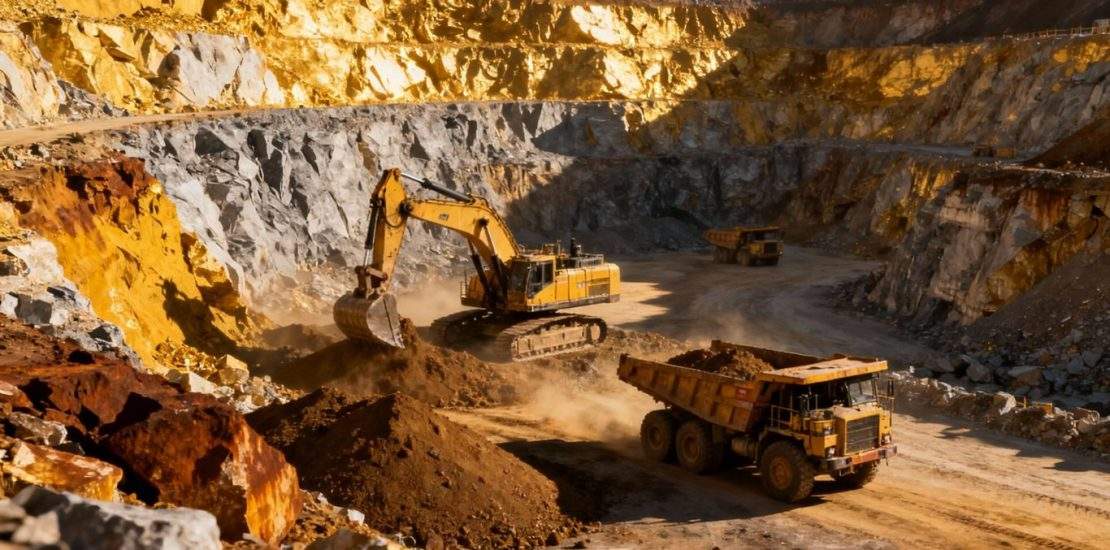
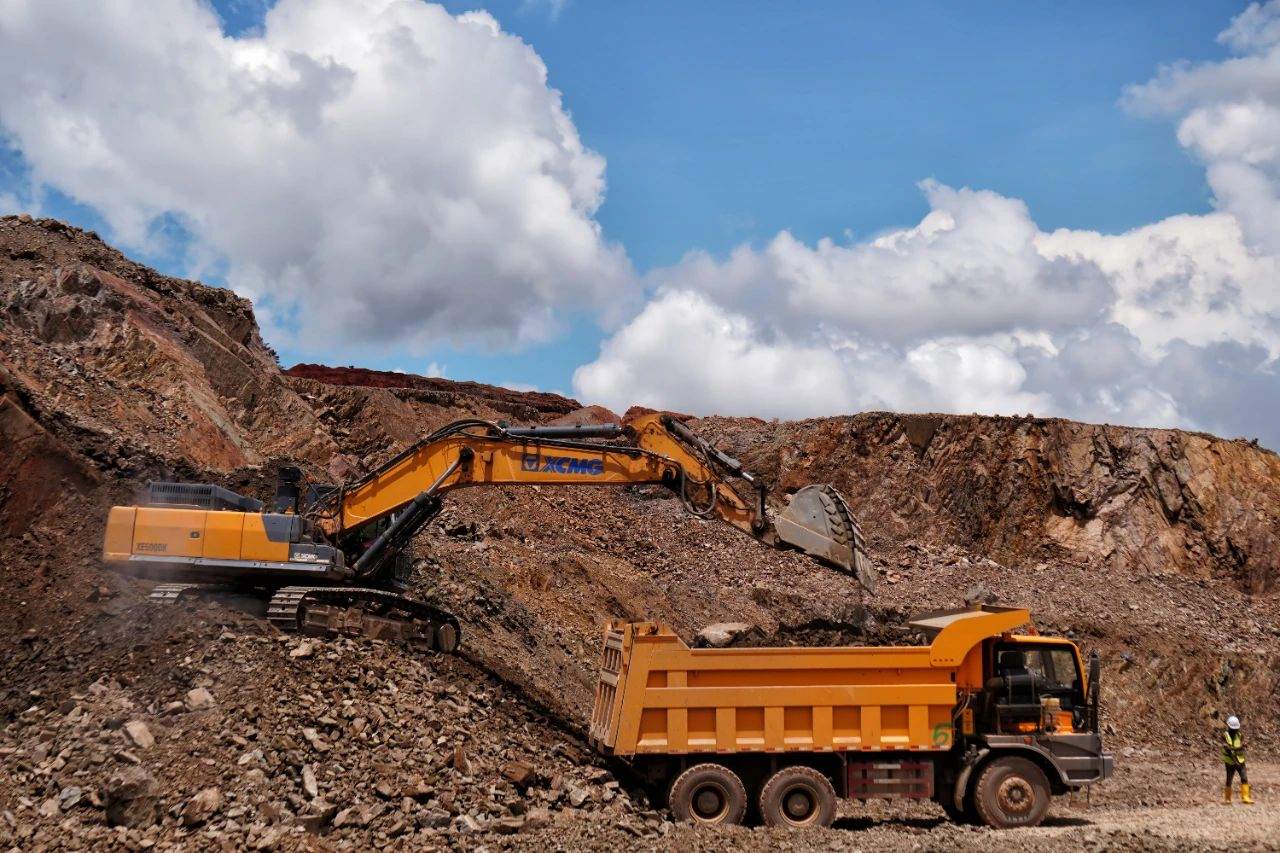
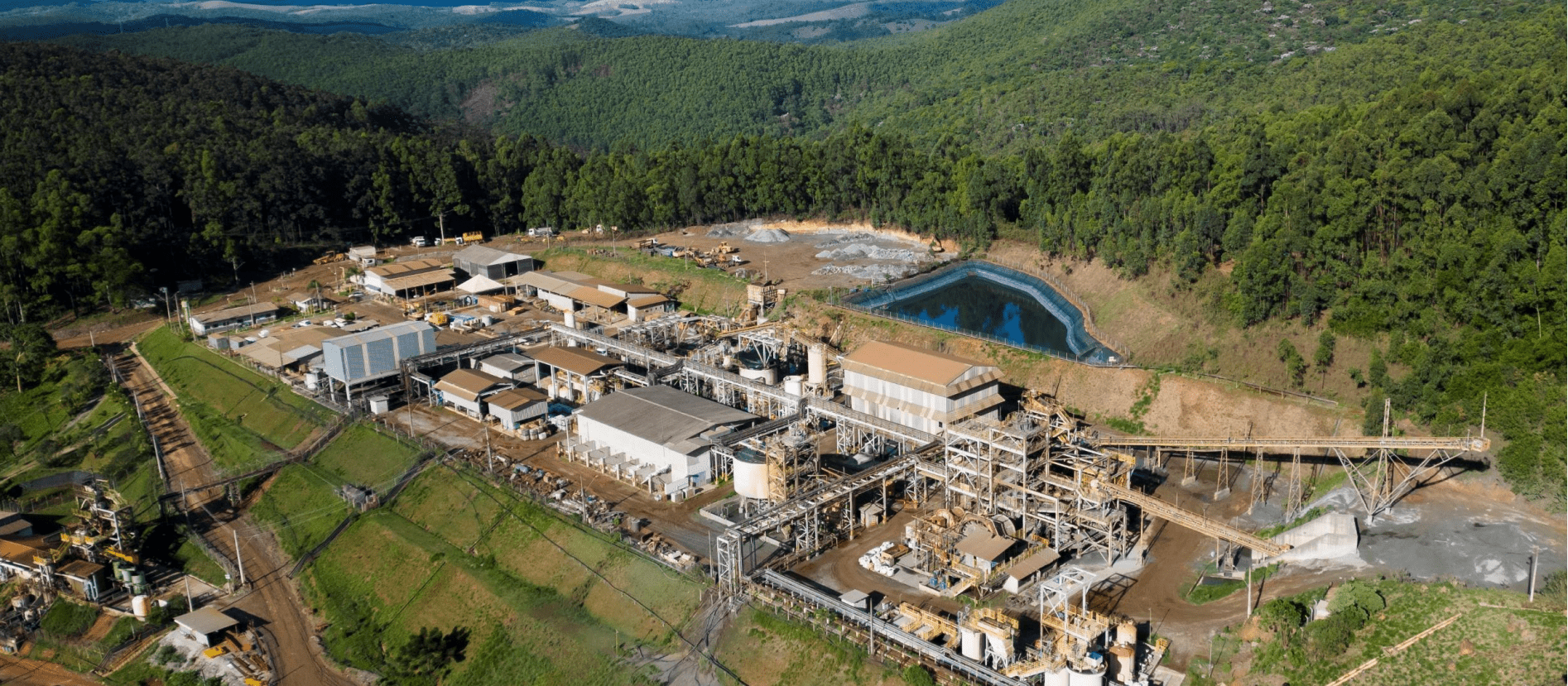
The Environmental Assessment Effectiveness Index (Índice de Efectividad en la Evaluación Ambiental), compiled by Pivotes, measures the probability of investment projects receiving a favorable environmental rating within a reasonable timeframe. The mining sector showed the most significant improvement in this measurement, with the index jumping from 45.4% to 62.3%, a quarter-on-quarter increase of 16.9 percentage points. Mining concentrates a large number of projects with high investment amounts, long approval cycles, and significant regional impacts. The improvement in assessment timeliness is of great significance for advancing projects in regions such as Antofagasta, Atacama, Coquimbo, and Valparaíso.
The energy sector index fell from 41.9% to 33.1%. At the regional level, the Antofagasta Region's index rose from 27.6% in the previous measurement to 33.2%. This region is Chile's main mining area, concentrating numerous copper, lithium, energy, port, and desalination projects. The shortening of environmental assessment cycles could directly impact production capacity recovery and new investment development. The Biobío Region rose from 39.5% to 79.8%, and the Metropolitan Region increased from 48.4% to 52.4%. The Valparaíso Region remained at 0.6%, and according to Diario Financiero, nearly US$5 billion in investment projects are awaiting assessment in this region.
The Environmental Assessment Effectiveness Index is compiled by Pivotes, with the measurement period covering January to March 2026. The improvement in the index indicates that administrative management has driven better rating times. The next measurement will more directly reflect the effectiveness of José Antonio Kast's government in managing environmental assessments. According to Diario Financiero, Pivotes expects the improvement trend to continue, but it will be reflected more in the scale of approved investment amounts rather than just the number of projects. For mining, the performance of the Environmental Impact Assessment System will be watched alongside industry permitting and public service coordination efforts.
This article is compiled by Wedoany. All AI citations must indicate the source as "Wedoany". If there is any infringement or other issues, please notify us promptly, and we will modify or delete it accordingly. Email: news@wedoany.com