China's Chengdu-Chongqing Central High-Speed Railway Begins Full-Line Track Laying, Sprinting Toward 50-Minute Travel Between Chengdu and Chongqing
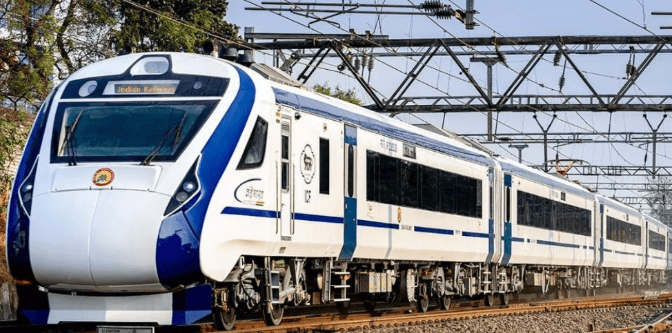
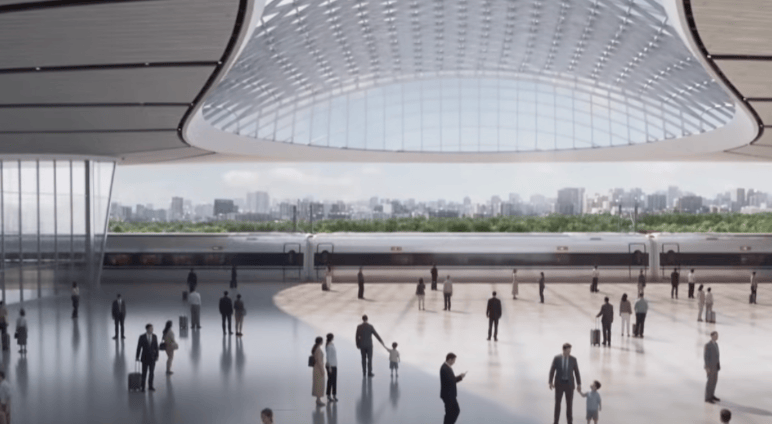
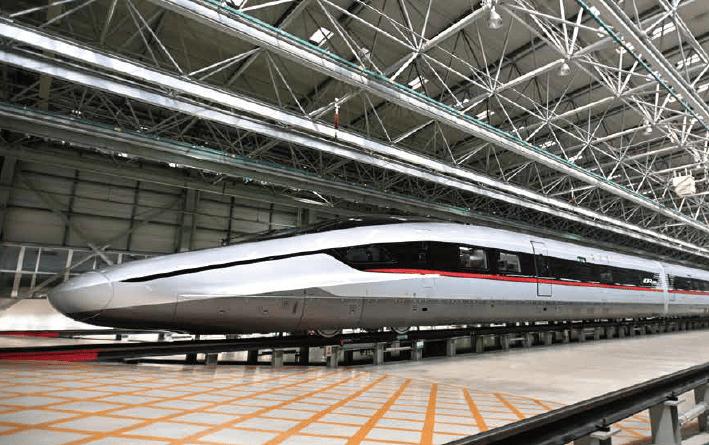
en.Wedoany.com Reported - On May 30, the Chengdu-Chongqing Central High-Speed Railway will commence track laying work in the direction from Jianyang to Lezhi, marking the official start of the full-line track laying phase for this high-speed railway connecting Chengdu and Chongqing. The line starts at Chengdu Station in the Chengdu hub and ultimately connects to Chongqingbei Station. The main line is approximately 292 kilometers long, with a design speed of 350 kilometers per hour. Upon completion and opening, the fastest travel time between Chengdu and Chongqing will be about 50 minutes.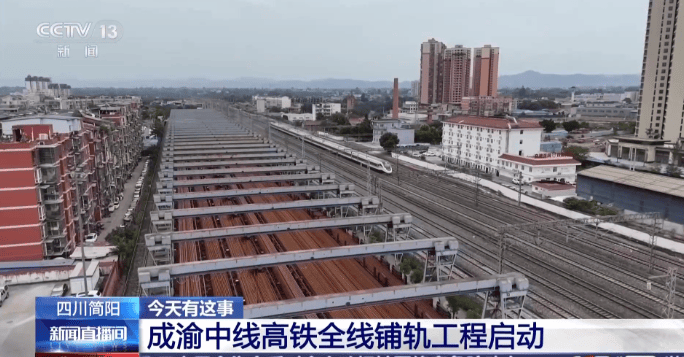
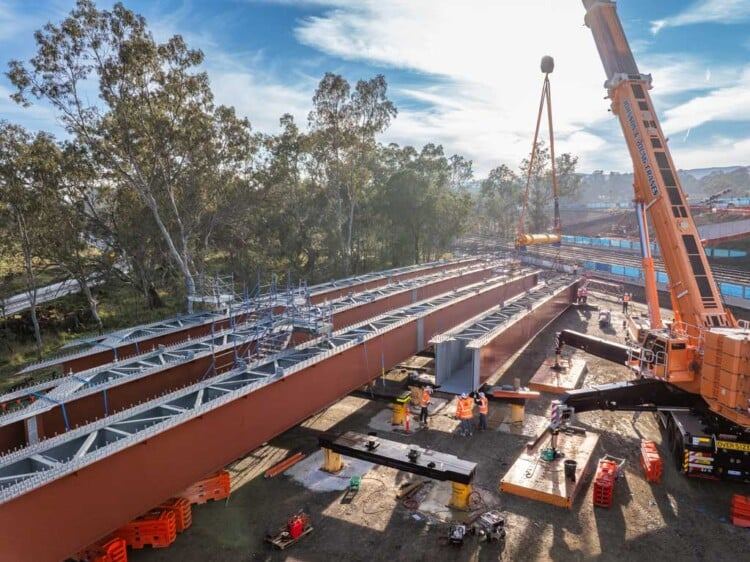
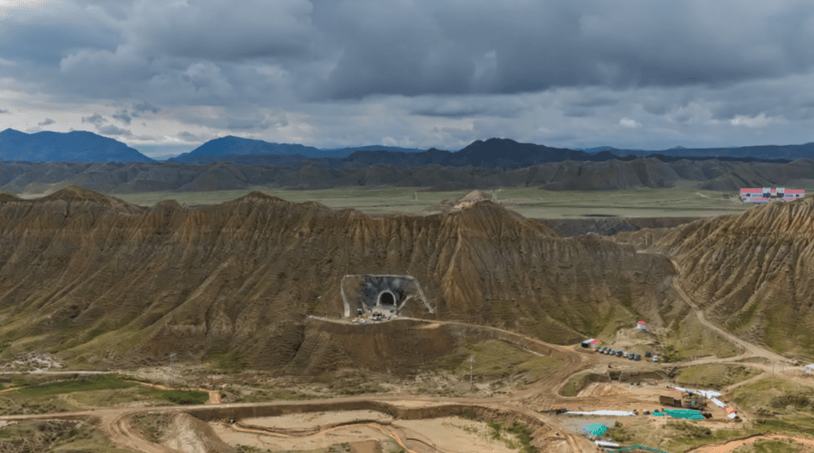
The commencement of full-line track laying is a crucial milestone marking the transition of the Chengdu-Chongqing Central High-Speed Railway from main civil engineering works to track engineering, post-station engineering, and integrated commissioning and testing. Previously, all 41 tunnels along the entire Chengdu-Chongqing Central High-Speed Railway had been holed through, and main structures like bridges and tunnels had also been fully completed, creating construction conditions for track laying. Earlier reports by Xinhua News Agency indicated that the Chengdu-Chongqing Central High-Speed Railway is an important component of the Yangtze River Corridor within China's "Eight Vertical and Eight Horizontal" high-speed railway network. The route passes through areas including Chongqing's Liangjiang New Area, Shapingba District, Bishan District, Tongliang District, and Dazu District, as well as Sichuan's Ziyang City and Chengdu City.
The engineering value of the Chengdu-Chongqing Central High-Speed Railway is first reflected in the time-space compression between the two national central cities. While multiple existing corridors like the Chengdu-Chongqing High-Speed Railway, Chengdu-Suining-Chongqing Railway, and Chengdu-Chongqing Railway connect Chengdu and Chongqing, the advancement of the Chengdu-Chongqing Economic Circle necessitates higher standards for existing corridors in terms of transport organization, speed hierarchy, station functions, and passenger flow growth. Constructed for speeds of 350 km/h, the Chengdu-Chongqing Central High-Speed Railway will further strengthen the high-standard direct connection capability between Chengdu and Chongqing, making business, industrial, scientific research, cultural tourism, and public service exchanges between the two cities more frequent.
From a functional perspective, the Chengdu-Chongqing Central High-Speed Railway is not merely a single intercity corridor but a vital part of the larger Yangtze River High-Speed Railway Corridor. Upon completion, the project will interconnect with the Xi'an-Chengdu High-Speed Railway, Zhengzhou-Chongqing High-Speed Railway, as well as the under-construction Xining-Chengdu High-Speed Railway and Chengdu-Dazhou-Wanzhou High-Speed Railway, further improving the railway network structure in the Chengdu-Chongqing region. Relevant reports indicate that the completed Chengdu-Chongqing Central High-Speed Railway will significantly reduce travel time between the two cities and support the construction of the Chengdu-Chongqing Economic Circle.
The track laying phase has a fundamental impact on the construction quality and subsequent operational performance of the high-speed railway. High-speed railway track engineering involves not only rail laying but also processes like ballastless track fine-tuning, fastening systems, track bed structures, rail welding, long rail transportation, and track geometry control. For a high-speed railway designed for 350 km/h, track smoothness, alignment control, and structural stability directly relate to train operation safety, comfort, and long-term maintenance costs. With the start of full-line track laying, the project will gradually transition to engineering phases closer to opening for operation, including track work, electric traction and power supply systems, station buildings, and system integration testing.
Several key engineering milestones for the Chengdu-Chongqing Central High-Speed Railway had been completed earlier. On May 22, the Shu'an Tunnel, a controlling project for the entire line, was holed through, signifying the completion of all bridge and tunnel main structures along the line. The Shu'an Tunnel is 10,380 meters long and passes through over 50 critical facilities, including expressways, railways, urban subways, municipal roads, and utility networks, in a complex construction environment. The project team employed intelligent construction equipment and technical systems, such as shield machine-mounted radar and intelligent precision grouting, to control settlement and disturbance.
For regional development, the Chengdu-Chongqing Central High-Speed Railway will enhance commuting and industrial synergy among Chengdu, Ziyang, and Chongqing. Once the line is completed, the connection between the core cities of Chengdu and Chongqing will be closer, and cities along the route are expected to attract more industrial spillover, talent flow, business activities, and public service resources. For sectors like equipment manufacturing, electronic information, automobiles, logistics, cultural tourism, and modern services, the time compression brought by high-speed rail not only affects travel convenience but also changes corporate location choices, cross-city talent mobility, and regional supply chain organization methods.
However, the start of full-line track laying does not mean the line is ready for operation. The project still needs to complete subsequent processes including track laying, electric traction and power supply systems, station supporting facilities, static acceptance, integrated commissioning and testing, operational trials, and safety assessments. Previously disclosed information indicates that the Chengdu-Chongqing Central High-Speed Railway is sprinting toward the goal of opening to traffic in 2027, with the final opening date subject to subsequent announcements by the railway authorities.
Subsequent observation will focus on the progress of full-line track laying, the integration of electric traction systems and station construction, the schedule for integrated commissioning and testing, and how the 50-minute travel target between Chengdu and Chongqing is realized in the actual train diagram. The commencement of full-line track laying for China's Chengdu-Chongqing Central High-Speed Railway indicates that the core railway corridor for the Chengdu-Chongqing Economic Circle has entered its final sprint phase, and the western high-speed railway network will further evolve from "connecting lines into a network" to "forming an efficient circle."
This article is compiled by Wedoany. All AI citations must indicate the source as "Wedoany". If there is any infringement or other issues, please notify us promptly, and we will modify or delete it accordingly. Email: news@wedoany.com
Related Products

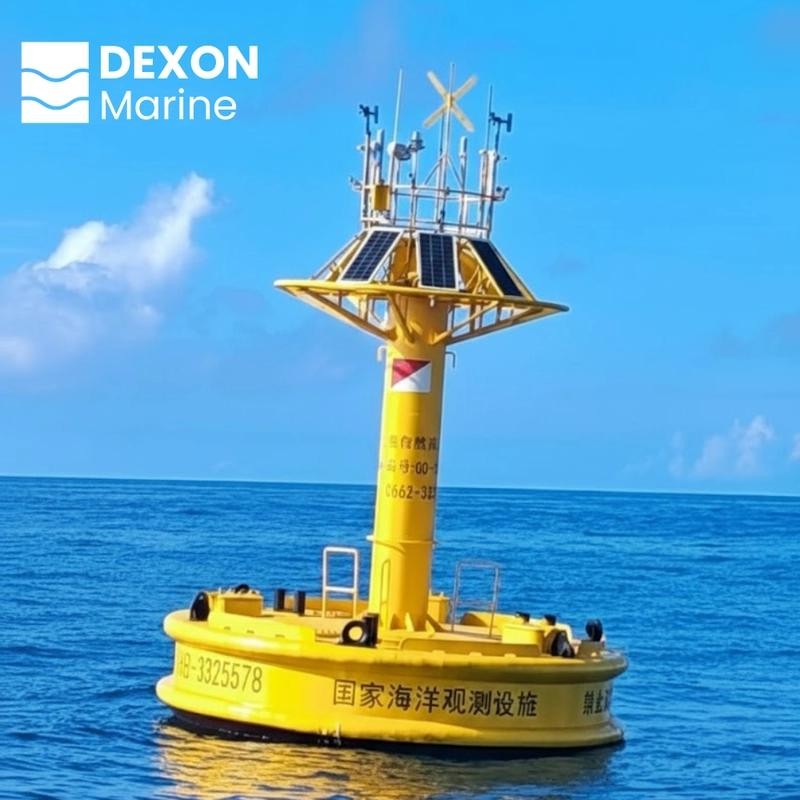
3m intelligent buoy combining navigation safety and real-time marine monitoring integrated navigation and marine monitoring system for real-time maritime data
Chengdu Dixin Technology Co., Ltd.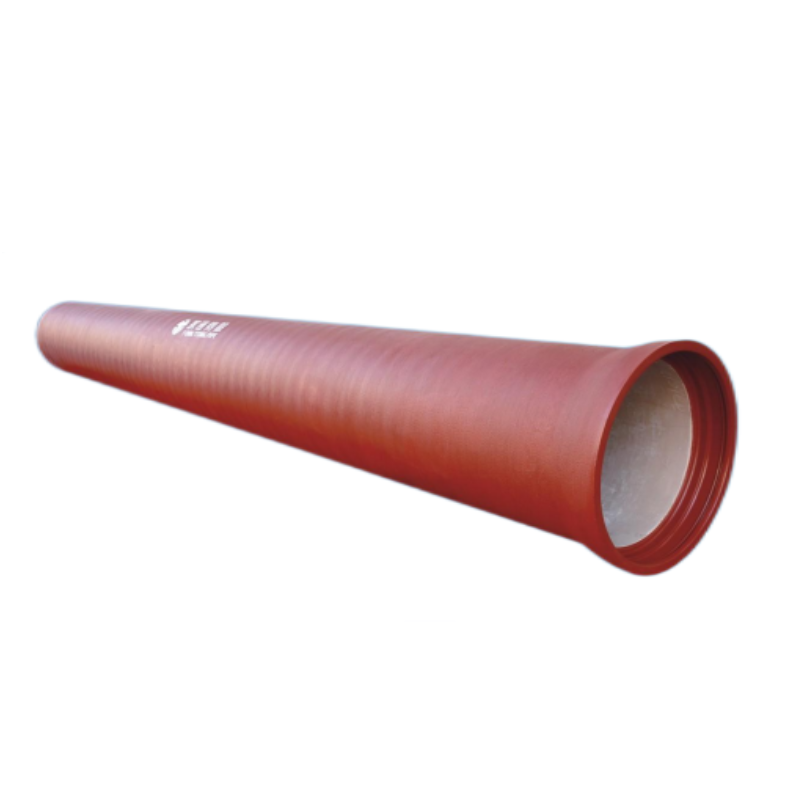

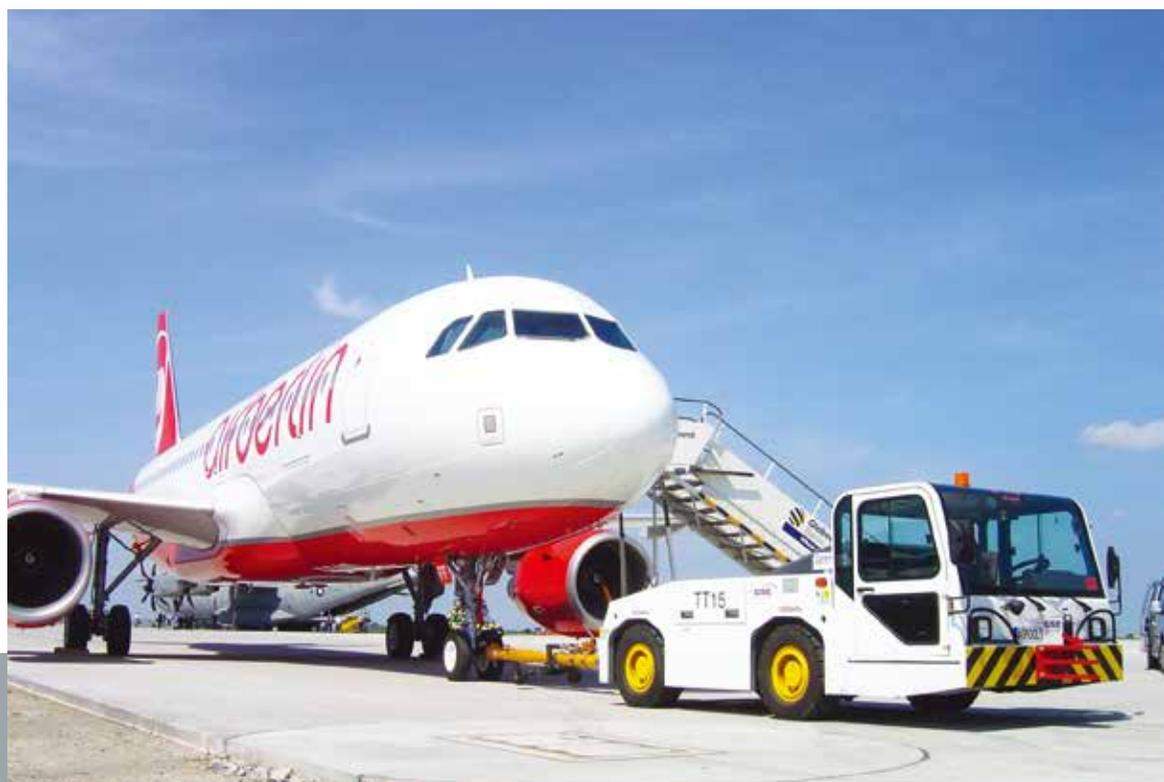
WGQY Series Aircraft Tow Tractor-WGQY15, WGQY27
Weihai Guangtai Airport Equipment Co., Ltd.