South Africa's PyroFuZA Initiative Focuses on Reviving Smelting Industry, Lost R20 Billion Last Year
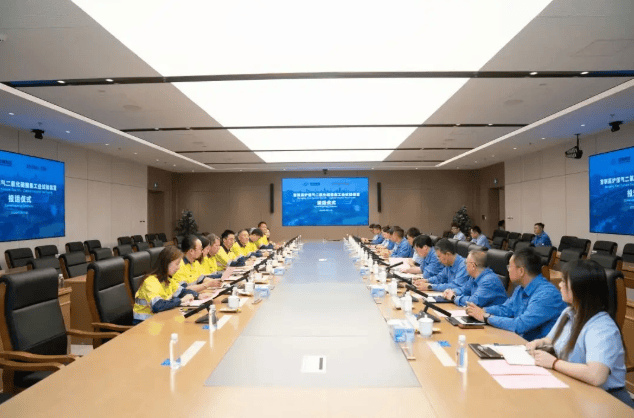
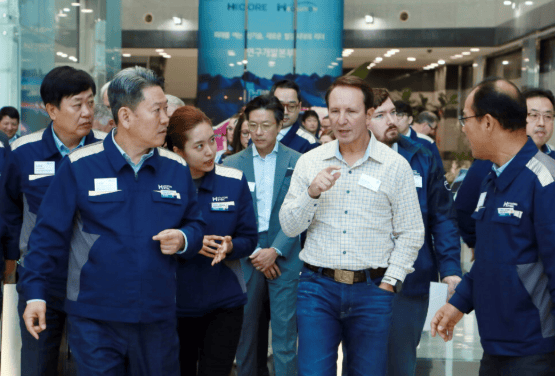
en.Wedoany.com Reported - The 2026 International Conference on High-Temperature Metallurgy, recently hosted by the Southern African Institute of Mining and Metallurgy, focused on the PyroFuZA initiative aimed at revitalizing the country's metal smelting industry. The eight-letter name of this initiative is designed to fully leverage South Africa's natural resources, restore its value-added capabilities, and lay the foundation for economic innovation and reconstruction. During the conference, Engineering News & Mining Weekly conducted exclusive interviews with Dr. Johan Zietsman and prominent mining figure Bernard Swanepoel, exploring the challenges and opportunities facing South Africa's high-temperature metallurgy sector.
In the interview, Dr. Zietsman pointed out that South Africa has experienced structural decline over the past three decades, losing more than 2 million tons of smelting capacity since 2014. Currently, at least 30 of the 59 ferrochrome furnaces are under maintenance or shut down. Last year, South Africa exported 24 million tons of chromite ore, but produced less than 1 million tons of ferrochrome, despite an installed capacity of nearly 5 million tons. In the ferrochrome production process, only about 20% of the value is captured at the ore stage; abandoning smelting means forgoing 80% of the value. Taking ferrochrome as an example, there is a fivefold multiplier effect when comparing ore exports to ferrochrome exports. Dr. Zietsman stated that last year, South Africa exported chromite ore worth R5 billion, losing approximately R20 billion by not smelting it—funds that could have been used to rebuild energy infrastructure.
Dr. Zietsman analyzed that energy costs are the core factor driving the decline in competitiveness. South Africa's energy costs are roughly double those of its main competitors, and electricity supply capacity has not been sustainably renewed. He emphasized that the minimum energy required to smelt ore is determined by the laws of physics and cannot be reduced by any technology, making it essential to address the structural issue of energy input costs. Additionally, declining logistics and rail capacity, along with industry fragmentation, have exacerbated the difficulties.
The seminar also examined different cases of coping with competitive pressures in Indonesia, Kazakhstan, Saudi Arabia, and the United States. Dr. Zietsman believes that South Africa should not simply replicate the models of other countries but should choose the right measures for itself, just as Kazakhstan invested in railways and cost reduction, Saudi Arabia pursued aggressive growth strategies, and the United States strongly supported research and development. Participants generally agreed that although the current state of the industry is described as "dying" or "in a death spiral," its potential could be "thriving" and "world-leading," with the key being collective action rather than fragmented efforts.
Dr. Zietsman and Swanepoel proposed a long-term vision: South Africa should not merely preserve its existing smelting base but set higher goals to become a global leader in high-temperature science and technology. Swanepoel noted that a century ago, Hendrik van der Bijl laid the three foundations of South Africa's industrial economy through affordable electricity from Eskom, domestic steel from Iscor, and development capital from the Industrial Development Corporation (IDC). Now, a new generation of foundations is needed, including low-cost energy through the utilization of natural resources, development of large-scale efficient smelting, retraining of the technical workforce, and pragmatic trade in a globalized context. He believes the top priority is to unite the entire industry and foster an ecosystem that can surpass existing underground resources.
As a next step, the PyroFuZA initiative plans to hold its next discussion within three months to formalize a draft vision, five-year goals, and a roadmap. Additionally, relevant parties will write papers for publication in the Journal of the Southern African Institute of Mining and Metallurgy and produce an animated film to disseminate information to a broader audience, transforming the seminar from a single event into an ongoing process. Institutions such as the Minerals Council South Africa also participated in the cross-industry collaboration of the seminar.
This article is compiled by Wedoany. All AI citations must indicate the source as "Wedoany". If there is any infringement or other issues, please notify us promptly, and we will modify or delete it accordingly. Email: news@wedoany.com
Related Products
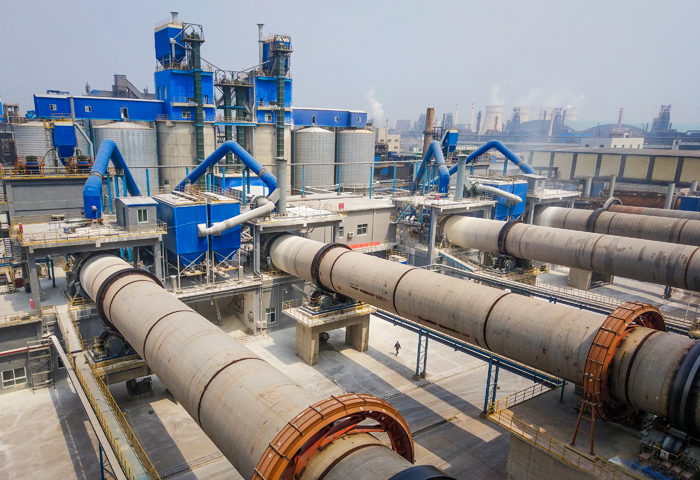

CITIC Heavy Industries Metallurgical Equipment Steel Smelting Engineering Equipment
CITIC Heavy Industries Co., Ltd.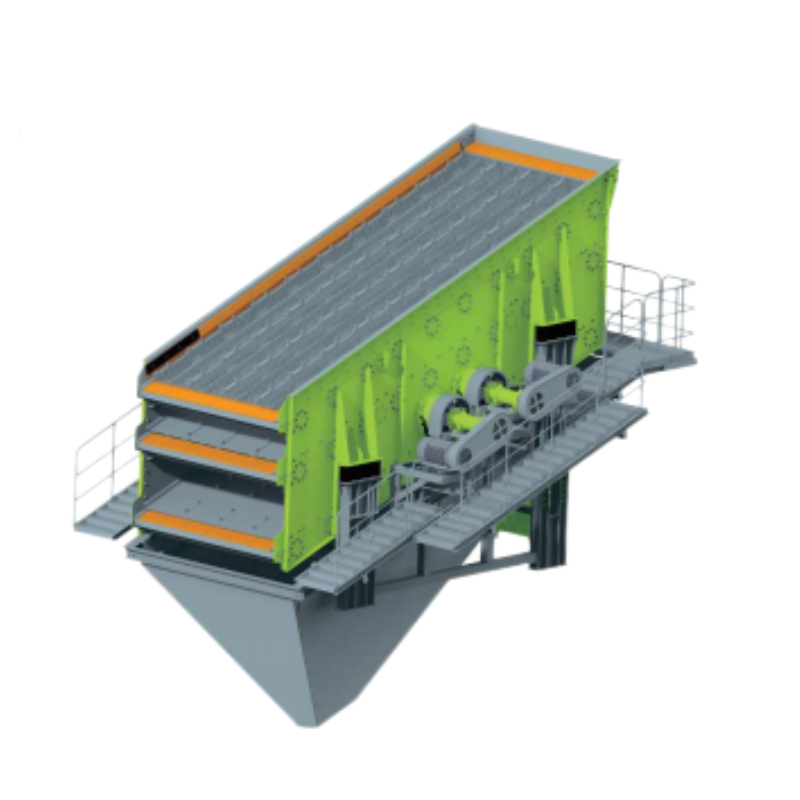
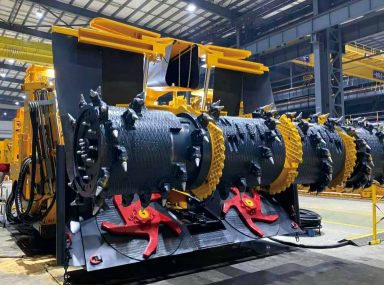
Integrated Excavation and Anchoring Machine (EJM Series)
China Railway Construction Heavy Industry Corporation Limited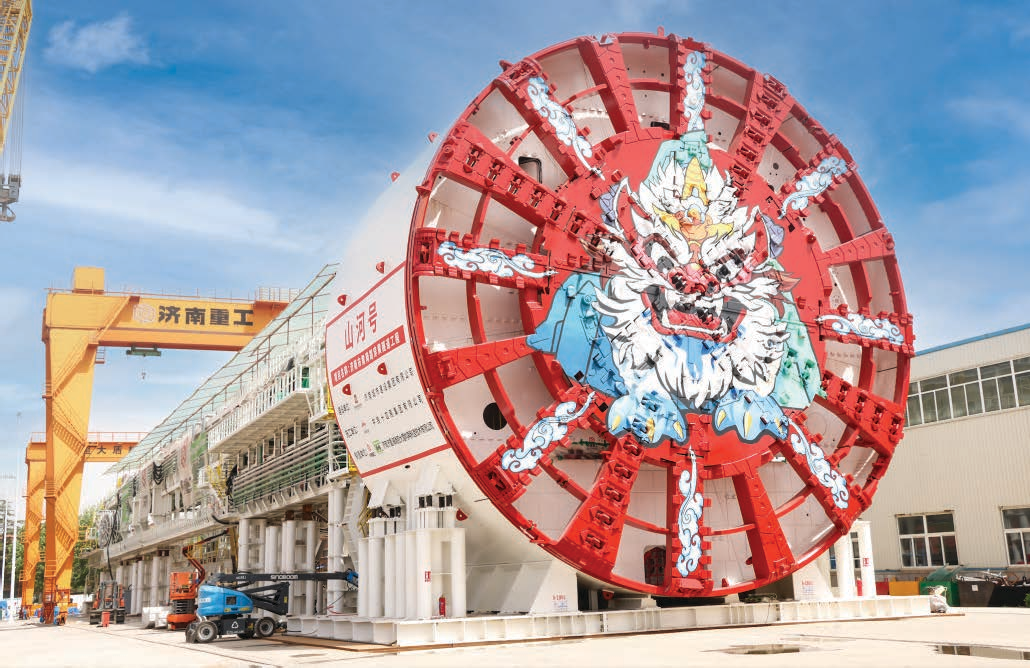
Quick-Change Single-Seat Control Valve / Quick-Change High-Pressure Single-Seat Control Valve
Beijing Consen Automation Technology Co., Ltd.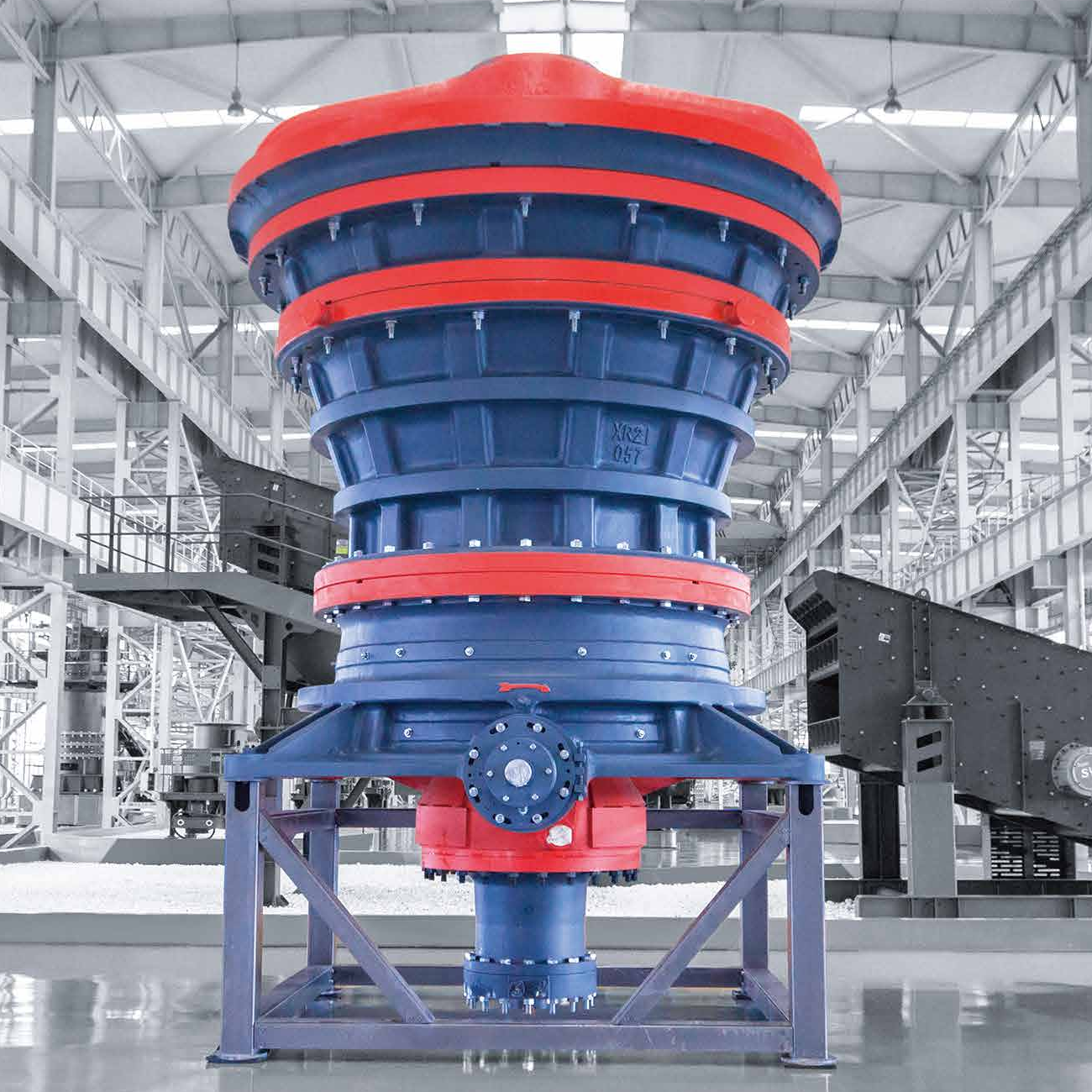
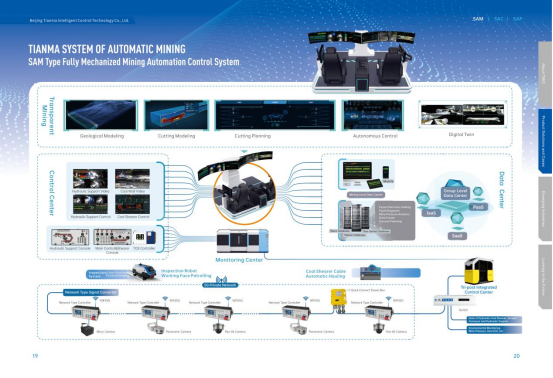
Comprehensive Mining Automation Control System
Beijing Tianma Intelligent Control Technology Co., Ltd.