Japan's Copper Exports to India Grow 14% in First Four Months of 2026
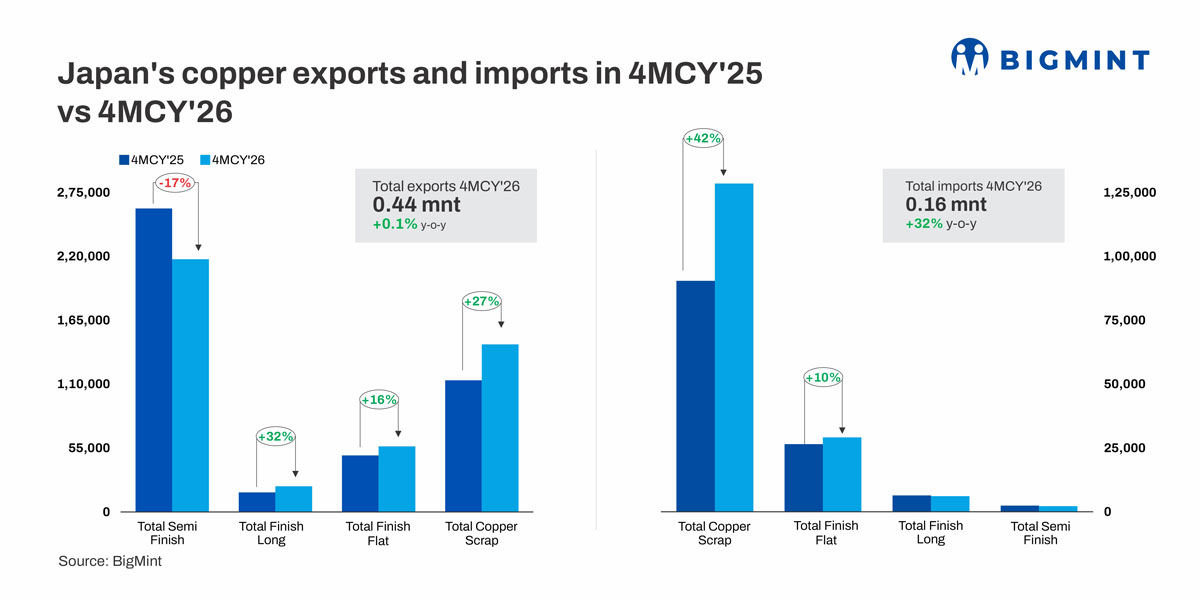
en.Wedoany.com Reported - From January to April 2026, Japan's total copper exports remained largely flat year-on-year, but shipments to India increased by approximately 14% year-on-year, reaching nearly 80,000 tons, compared to about 70,000 tons in the same period last year. India's share of Japan's copper exports rose from about 16.7% to nearly 18%, further solidifying its position as a key destination for Japanese copper materials. This growth was driven by expanding demand in India's domestic infrastructure, renewable energy, cable, electric vehicle, and precision engineering sectors.
Market participants noted that the increase in India's imports of copper materials from Japan is driven more by downstream manufacturing expansion and consumption growth in high-value sectors, rather than demand for basic commodities. Multiple Indian cable, transformer, switchgear, and electronics manufacturers prefer Japanese copper materials due to their good electrical conductivity consistency, lower impurity levels, and stable long-term supply reliability.
The expansion of India's power infrastructure is one of the main drivers of copper demand growth. Continued investments in renewable energy transmission, railway electrification, electric vehicle charging infrastructure, and urban power distribution projects are increasing India's copper usage intensity. Additionally, companies such as KEI Industries, Polycab India, and RR Kabel are expanding their cable and wire manufacturing capacities; multiple transformer and electrical equipment manufacturers are also increasing capacity to meet demand driven by rising investments in transmission and renewable energy. These industries have a growing demand for higher-specification copper semi-finished products such as copper wire rod, foil, and precision flat products, areas where Japanese suppliers maintain a strong position.
By product category, from January to April 2026, Japan's exports of copper wire surged approximately 62.7% year-on-year to 14,115 tons, benefiting from global demand in power infrastructure, electronics, and data center-related applications. Copper tube exports increased 105% year-on-year to about 2,800 tons; foil exports grew 18.3% to about 17,110 tons; and rolled sheet exports rose approximately 11% year-on-year. Demand for copper foil is gradually increasing, linked to India's investments in lithium-ion battery manufacturing and electronics assembly under the government's Production Linked Incentive (PLI) scheme. Multiple battery and electric vehicle component investments announced in Gujarat, Tamil Nadu, and Maharashtra are expected to drive future demand for high-quality copper foil and semi-finished products.
Although companies like Hindalco, Vedanta, and Adani are expanding copper production capacity domestically in India, market participants believe downstream demand growth is outpacing local value-added copper production capacity. India's refined copper consumption is expected to remain at approximately 1.6 to 1.7 million tons in the medium term, thus maintaining reliance on imports for specialty copper semi-finished products and premium materials.
The global copper market structure also indirectly supports Japan-India trade flows. Tight copper concentrate supply due to mining disruptions and low treatment and refining charges (TC/RCs) has prompted a greater global focus on recycled copper and value-added downstream production. From January to April 2026, Japan's scrap copper exports increased approximately 27.3% year-on-year to about 144,315 tons. Meanwhile, Sumitomo Metal Mining expects its refined copper production for the first half of fiscal 2027 (April to September 2026) to increase approximately 8.2% year-on-year to nearly 446,000 tons, following normalization after maintenance outages at the Toyo smelter, supporting Japan's stable export capacity.
Looking ahead, India is expected to become an increasingly important market for Japan's copper exports, supported by growth in infrastructure, renewable energy, electric vehicles, transmission, and electronics manufacturing. Market participants believe that as India transitions towards high-value-added manufacturing and electrification-led industrial growth, demand for high-quality copper wire rod, foil, and flat products may increase further. Japan's position in premium copper semi-finished products and the stable trade relationship under the Japan-India Comprehensive Economic Partnership Agreement (CEPA) framework are expected to continue supporting bilateral copper trade flows.
This article is compiled by Wedoany. All AI citations must indicate the source as "Wedoany". If there is any infringement or other issues, please notify us promptly, and we will modify or delete it accordingly. Email: news@wedoany.com
Related Products

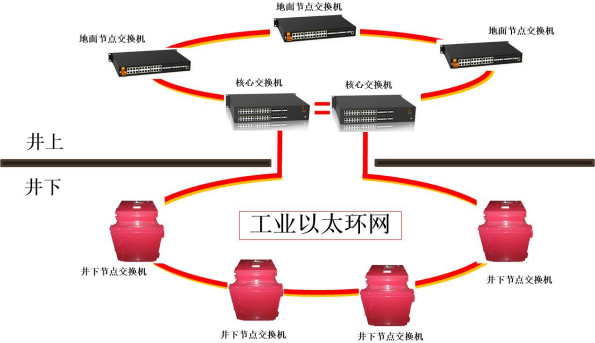
Mine Explosion-proof and Intrinsically Safe Industrial Ethernet Ring Network (10 Gigabit/Gigabit)
Chongqing Mas Sci&Tech Co., Ltd.
Comprehensive Mining Automation Control System
Beijing Tianma Intelligent Control Technology Co., Ltd.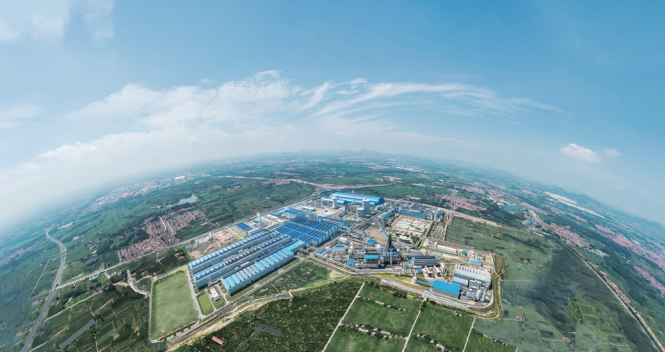
Linyi Steel Investment Special Steel 2.7 Million Tons per Year High-quality Special Steel Project
Capital Engineering & Research Incorporation Limited

Industrial and Commercial Point-Type Gas Detector
Jinan Benan Technology Development Co., Ltd.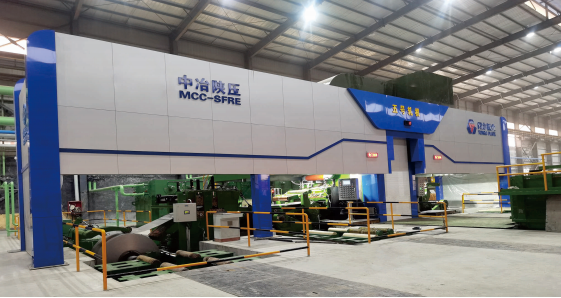
1050-1750mm Steel Strip Single-stand Reversible Cold Rolling Production Line
MCC-SFRE HEAVY INDUSTRY EQUIPMENT CO., LTD.