In May 2026, US aluminum prices exceeded $6,000 per ton
en.Wedoany.com Reported - Iran's war blockade of the Strait of Hormuz disrupted Middle East aluminum transport routes, with the region accounting for 9% of global aluminum production. Combined with adjustments to US tariff policies, this pushed full-scope aluminum prices above $6,000 per ton. Before the conflict, LME aluminum was priced at $3,200 per ton; within two weeks of the blockade, it rose to a four-year high of $3,500 per ton. In the US, the Midwest premium reached $2,529 per ton in early May 2026, accounting for over 40% of total transaction costs, according to CME Group data.
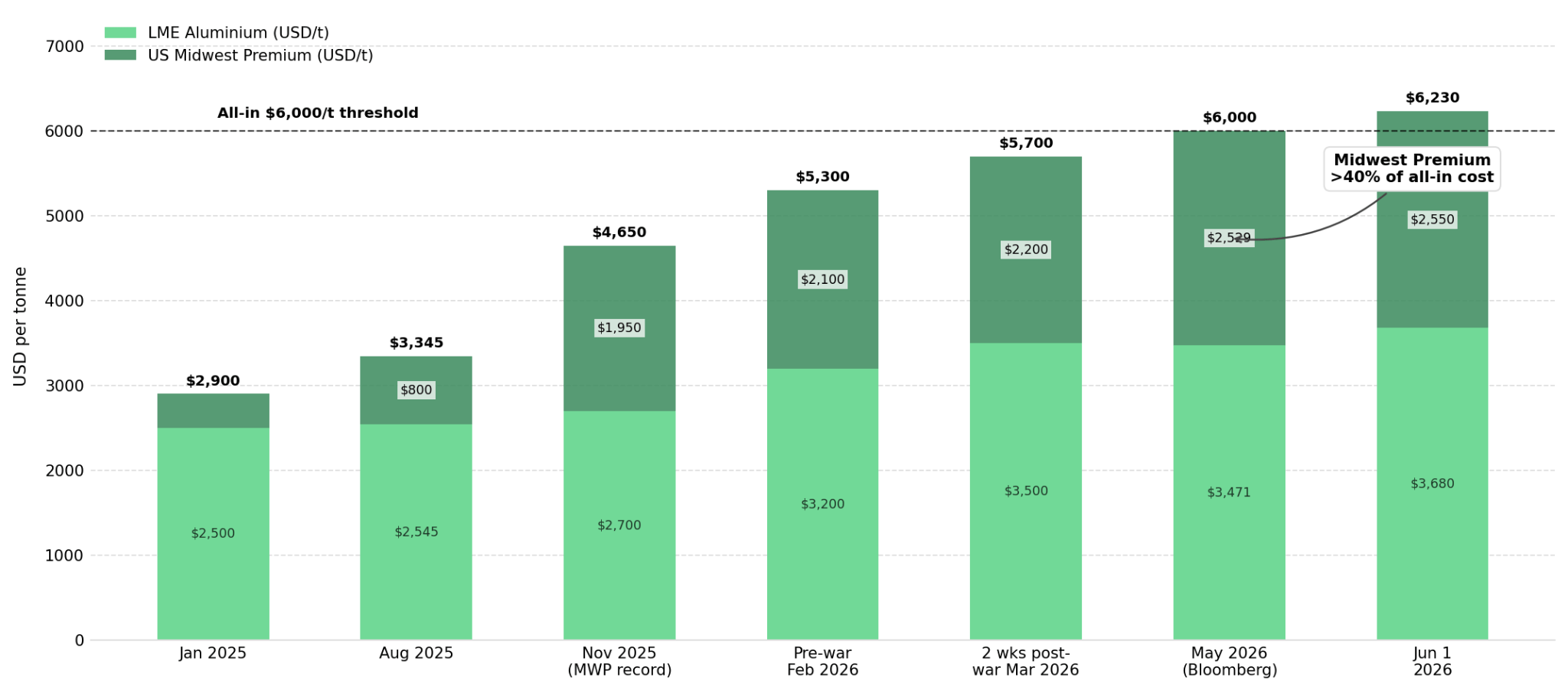
The price increase further exacerbated the supply shortage that existed before the war. Wood Mackenzie predicts that the supply gap in 2026 will far exceed the 50,000 tons expected at the end of 2025, with demand growth driven by electric vehicles, solar panels, and AI data center construction. Aluminium Bahrain announced a 19% production cut due to maritime disruptions; if the disruption persists, the gap is expected to reach 800,000 tons by 2028. Presidential Proclamation No. 11021 on April 2, 2026, changed the tariff basis from aluminum metal content to the full value of finished products and derivatives. Canada, which accounted for 43% ($7.5 billion) of US aluminum imports in 2025, now faces a 50% tariff on the entire invoice value, with no exemptions since March 2025. Reopening the strait would lower LME component prices but would not change the 50% full-value tariff borne by Canada.
US manufacturers without access to domestic scrap aluminum directly face a full-scope cost of $6,000 per ton, with the Midwest premium accounting for over 40% of the transaction price. Finished aluminum components from Canada, due to the full-value tariff basis, have unit costs pushed well above levels implied by the LME price of $3,500 per ton. Manufacturers with access to domestic scrap aluminum hold a structural advantage. US secondary aluminum production capacity is expected to increase from 3 million tons in 2025 to 4 million tons in 2026, driven by recent investments of $10 billion. Using domestic scrap aluminum to replace Canadian primary aluminum imports avoids the 50% full-value tariff, a cost difference that widens further when the Midwest premium is high. The outcome of the USMCA review cannot be known in advance; the market must monitor whether the US Trade Representative (USTR) process in July 2026 formally initiates discussions on Section 232 aluminum exemptions—this event, rather than the status of the strait, could change Canada's cost floor.
This article is compiled by Wedoany. All AI citations must indicate the source as "Wedoany". If there is any infringement or other issues, please notify us promptly, and we will modify or delete it accordingly. Email: news@wedoany.com
Related Products
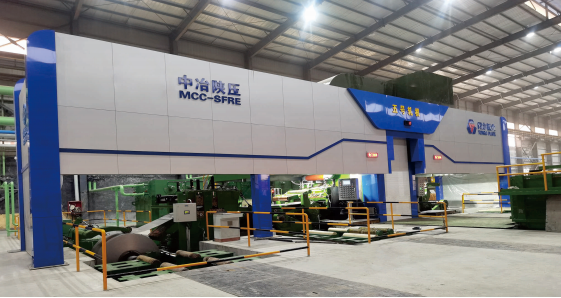

1050-1750mm Steel Strip Single-stand Reversible Cold Rolling Production Line
MCC-SFRE HEAVY INDUSTRY EQUIPMENT CO., LTD.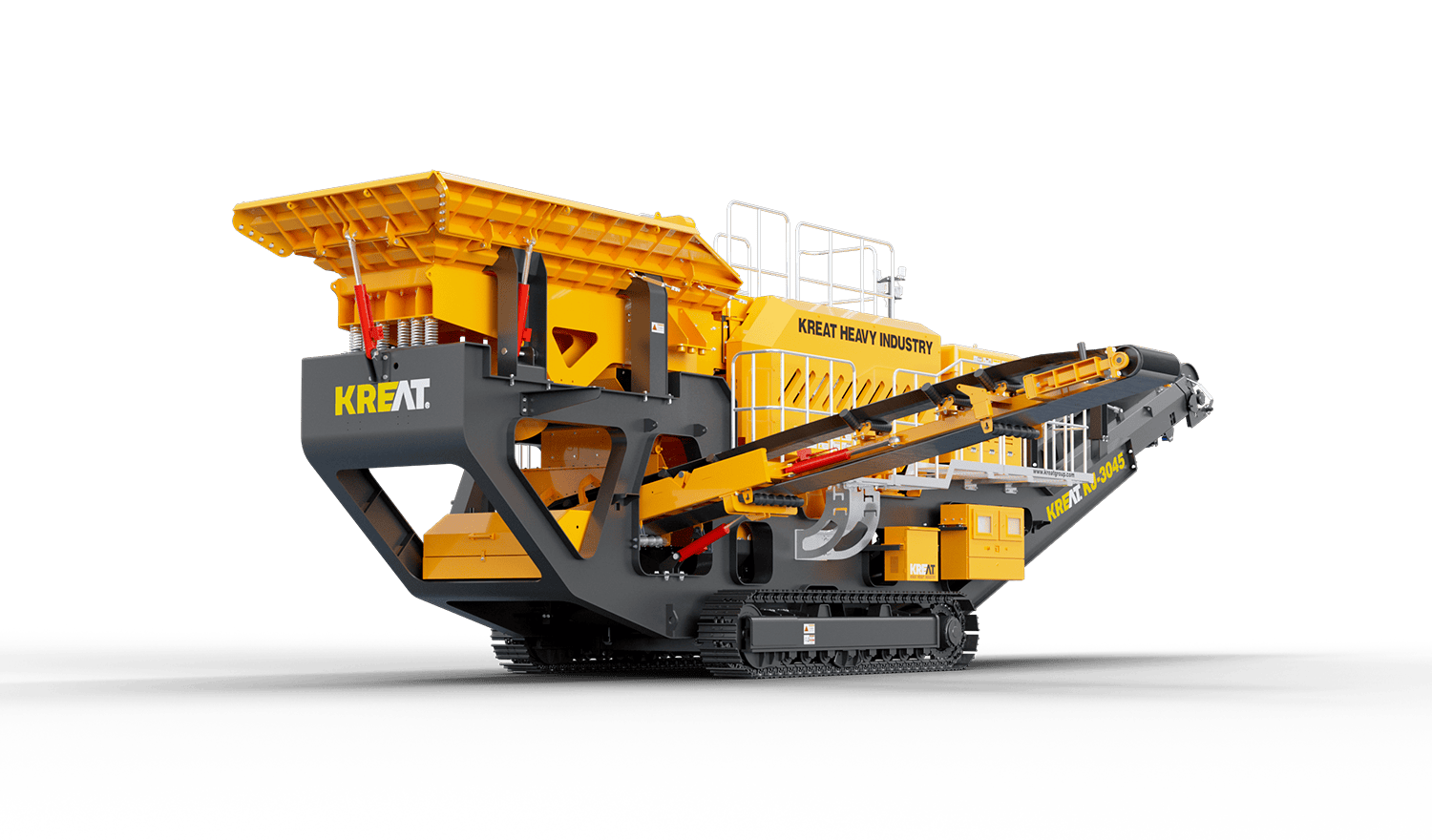
KJ-3045 Crawler Mobile Jaw Crushing Station
Yunnan Kairuite Construction Machinery Equipment Co., Ltd.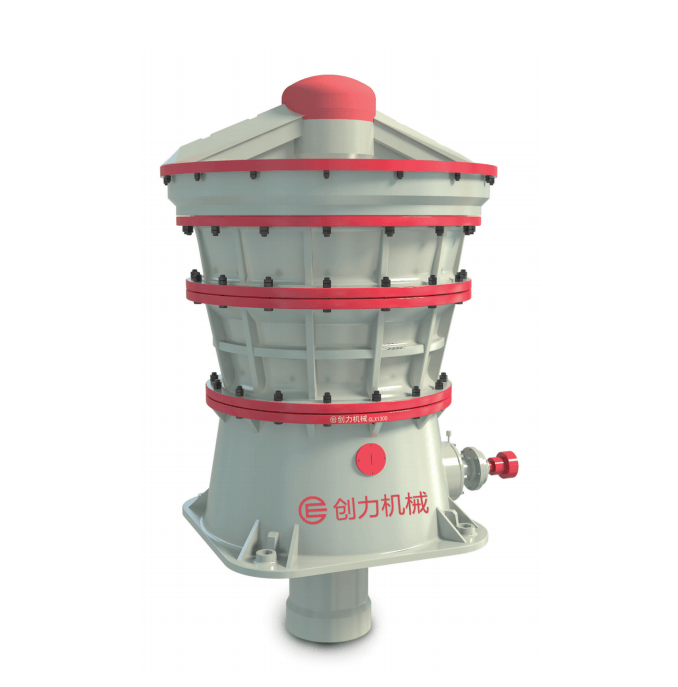
CLX Series Intelligent Hydraulic Gyratory Crusher
Guangdong CHUANGLI intelligent machinery Equipment Co., LTD
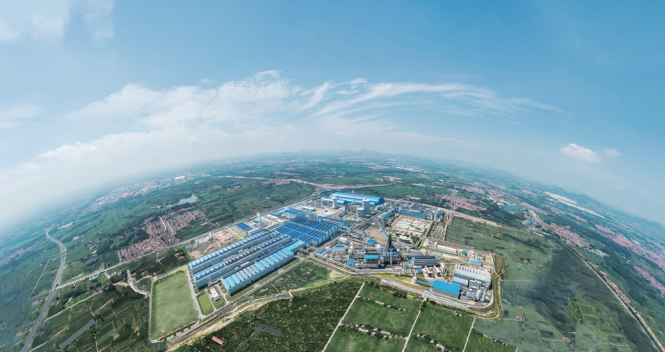
Linyi Steel Investment Special Steel 2.7 Million Tons per Year High-quality Special Steel Project
Capital Engineering & Research Incorporation Limited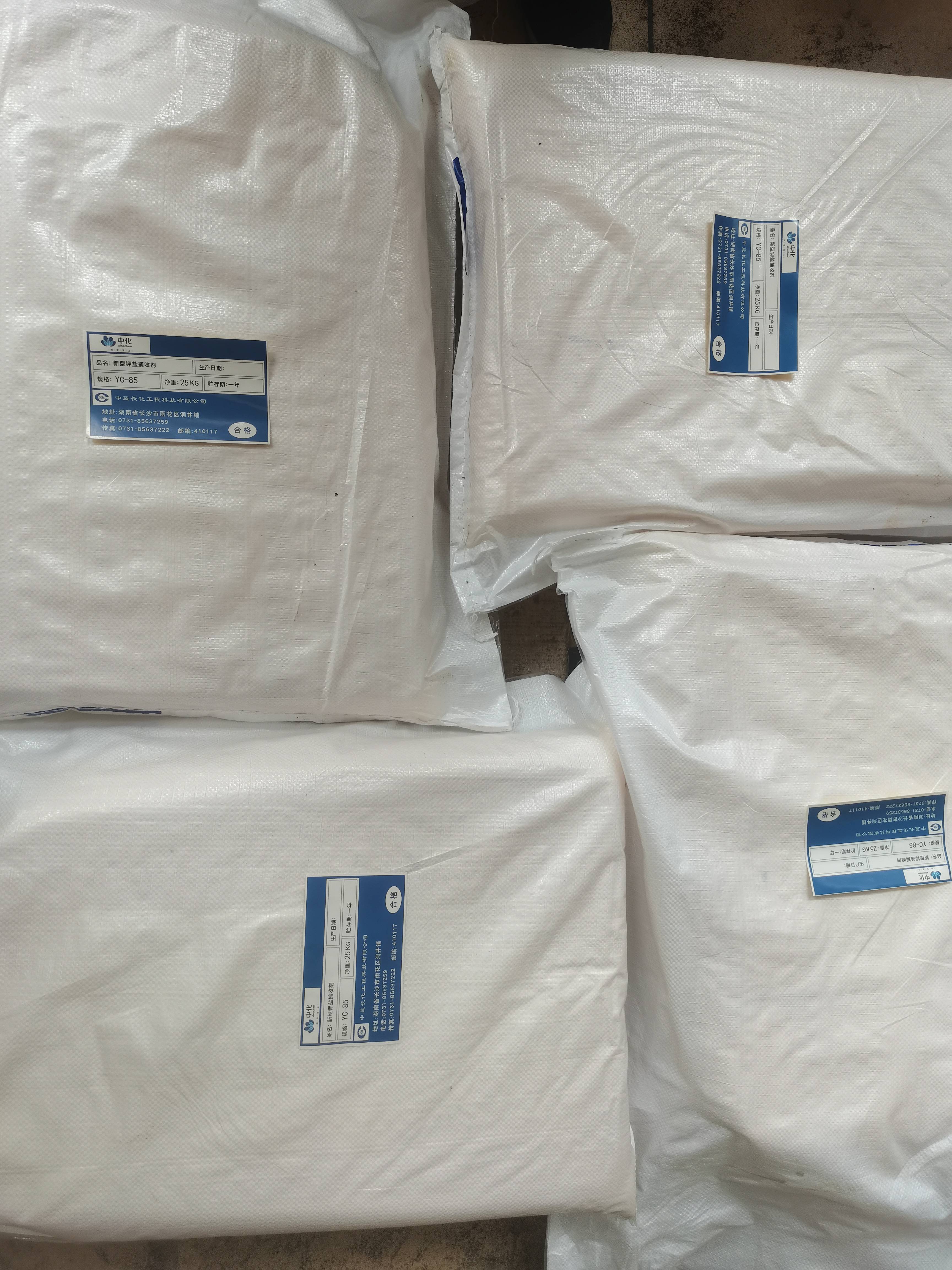
New Environmentally Friendly Green Potassium Salt Collector
Chonfar Engineering and Technology Co., Ltd.
Core Technologies of the Mining Technology and Equipment Business Unit: Efficient Mining Methods and Processes
CHANGSHA INSTITUTE OF MINING RESEARCH CO., LTD.