Chile's Output Declines, JPMorgan Predicts 330,000-Ton Copper Supply Gap in 2026
en.Wedoany.com Reported - JPMorgan predicts a supply deficit of approximately 330,000 tonnes in the global refined copper market in 2026, primarily driven by sustained demand growth from grid expansion, electrification, electric vehicles, defense systems, and AI data centers, outpacing the growth capacity of mine supply. The institution also noted that while the refined copper market recorded a surplus of about 386,000 tonnes in the first quarter of 2026, the supply-demand balance for the full year has shifted to a deficit. The three-month copper price on the London Metal Exchange is currently around $13,500 per tonne, down approximately 7% from the record high of $14,527.50 per tonne set on January 29, 2026.
Analysts emphasize the need to distinguish between the refined copper market and the copper concentrate market. Refined copper is the finished cathode copper used in wires, cables, and copper busbars, while copper concentrate is an intermediate product processed from mined ore before smelting. Even when copper concentrate supply is constrained, limiting future refined metal production, the refined market may experience short-term surpluses.
Copper demand growth is particularly pronounced in the power, transportation, defense, and data center infrastructure sectors. The key uncertainty is whether mine supply can grow quickly enough to meet this demand. If copper demand continues to rise while major supply sources face production constraints, producers and developers capable of adding new supply may attract capital and command higher valuations.
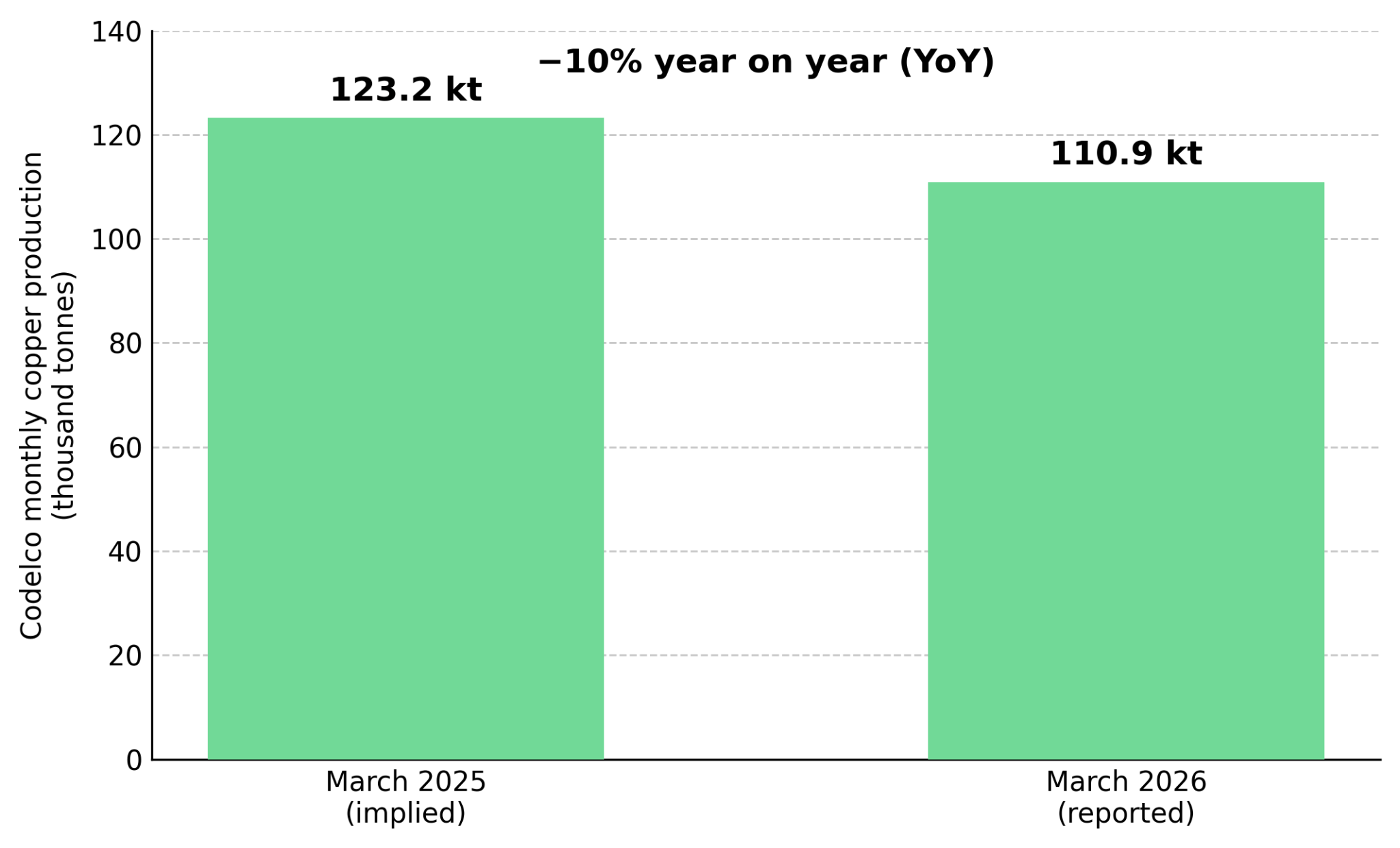
Recent production setbacks at Codelco, the world's largest copper producer, have heightened concerns about future supply. Following an internal audit, the company admitted its 2025 production data was overstated by approximately 26,875 tonnes, triggering executive departures, criminal charges, and disputes with unions. The revised data indicates output fell to its lowest level since 1998. According to Cochilco data reported by Reuters, the company's March production fell 10% year-on-year to 110,900 tonnes. Additionally, a magnitude 6.9 earthquake near Calama in late May did not disrupt production for more than 24 hours, but these events highlight the high concentration of global copper supply in Chile.
Heavy reliance on a single producer could boost valuations for companies with advanced copper projects in other jurisdictions. This also increases the importance of resource quality, as resources with higher confidence levels are easier to finance and develop. Upgrading tonnage from inferred to indicated resources can reduce geological uncertainty, improve financing prospects, and add project value amid scarce new copper supply.
U.S. copper tariff policies are altering trade flows and increasing the value of certain copper assets. Under Section 232, the U.S. modified copper tariff rules in April 2026, imposing duties on the full dutiable value of covered products. The Secretary of Commerce is required to submit a report on refined copper by June 30, 2026, with the decision potentially leading to a 15% tariff in 2027 and a 30% tariff in 2028. This policy has widened the spread between COMEX and London copper prices and encouraged the accumulation of copper inventories in U.S. warehouses. Refined copper tariffs can boost profit margins for producers supplying cathode copper to accessible U.S. supply chains.
Marimaca Copper, based in northern Chile, is developing a project to produce cathode copper via heap leaching and solvent extraction-electrowinning (SX-EW), aligning its output with refined copper demand. Oxide ore can be directly processed into cathode copper through SX-EW, bypassing the smelting stage and reducing processing complexity. The company's 2025 definitive feasibility study shows a post-tax net present value (NPV) of $709 million, an internal rate of return (IRR) of 31%, pre-production capital expenditure of $587 million, a capital intensity of approximately $11,700 per tonne of capacity, and a payback period of 2.5 years, based on a planned production of 50,000 tonnes of cathode copper per year at a copper price of $4.30 per pound. These figures are based on company disclosures and have not been independently verified. Marimaca Copper President and CEO Hayden Locke stated that advancing the Marimaca oxide deposit toward production, rather than seeking an early exit, will create significant value as the company moves toward a construction decision and final investment decision, transitioning into a producer.
While tariffs may benefit cathode copper producers, the shortage of copper concentrate increases the value of new copper discoveries. Benchmark treatment and refining charges fell to nearly $0 per tonne in 2026, while Chinese smelter procurement teams have agreed to cut production by over 10%. TC/RC near zero indicates extreme scarcity of copper concentrate relative to available smelting capacity. In a concentrate-constrained market, high-grade deposits can generate wider operating margins, as each tonne of mined ore yields more metal. Grade is measured as a percentage of copper or copper equivalent, the latter including the value of by-product metals.
Abitibi Metals' B26 polymetallic deposit in Quebec, Canada, demonstrates the value of high grades. The deposit, held in an 80-20 joint venture with SOQUEM, includes indicated resources of 12.96 million tonnes at a copper equivalent grade of 2.08% and inferred resources of 12.34 million tonnes at a copper equivalent grade of 2.20%. A recent drill hole intercepted 1.48% copper equivalent over 46.7 meters, including 4.04% copper equivalent over 14 meters, exceeding the company's current block model grades and supporting resource growth potential. These results remain exploration intercepts and have not been incorporated into updated resource estimates or mineral reserves. Abitibi Metals CEO Jonathon Deluce noted that in a concentrate-constrained market, the scarcity of large, high-grade copper deposits may increase their value.
Fitzroy Minerals offers an investment opportunity in near-surface oxide copper exploration in Chile. At the Buen Retiro project, drilling returned near-surface oxide intercepts, including 1.70% copper over 78 meters, with 3.02% copper over 40 meters. Oxide ore can be processed via leaching rather than flotation and smelting, reducing processing costs and capital requirements. The company targets completing an initial mineral resource estimate in the fourth quarter of 2026 and a preliminary feasibility study in the first quarter of 2027. Fitzroy Minerals CEO Merlin Marr-Johnson explained that the company's planned heap leaching partnership will help accelerate cash generation from oxide copper discoveries, potentially differentiating the company from other exploration firms in the market.
New copper supply can come from permitted developers, brownfield mine restarts, or greenfield discoveries still defining initial resources. Each path has different development timelines and financing requirements, but the projected copper deficit increases the value of projects that can be brought online faster. Selkirk Copper is advancing the brownfield restart of the former Minto mine in Canada's Yukon Territory, a development path that can shorten time to production. Brownfield restarts can leverage existing infrastructure that greenfield projects would need to build. The previous operator's bankruptcy also removed a precious metals stream and copper concentrate offtake agreement, leaving only a 1.5% net smelter return royalty based on metal sales. Existing resources include indicated resources of 12.6 million tonnes at 1.20% copper and inferred resources of 23.7 million tonnes at 1.05% copper. A preliminary economic assessment is targeted for completion by mid-2026. Selkirk First Nation holds approximately 18% equity and two board seats, aligning local stakeholders with project development. Selkirk Copper President and CEO Colin Joudrie quantified how existing infrastructure reduces capital requirements and accelerates brownfield mine restarts, noting that over $330 million has been invested in surface infrastructure, which would require $800 million to $900 million to complete in a greenfield setting to resume production.
Cobra Resources offers an investment opportunity in early-stage copper and rare earth exploration in South Australia. At the Blue Rose project, drilling has traced copper-gold mineralization over more than 1.6 kilometers of strike, including 74 meters grading over 1% copper. The company is testing whether the system is linked to a deeper porphyry source that could support a larger resource. At the Boland project, Cobra is evaluating the extraction of dysprosium and terbium via in-situ recovery, a method that could reduce development and operating costs compared to traditional mining. Cobra Resources Managing Director Rupert Verco outlined a phased development strategy aimed at reducing upfront capital requirements while advancing a larger copper system, starting with a low-capital-expenditure heap leach processing solution before treating primary sulfide mineralization with a standard flotation circuit.
If demand from grid expansion, electrification, and AI data center infrastructure continues to grow, projects capable of increasing copper supply through low-capital development paths will become increasingly important for meeting future demand.
The projected refined copper deficit of approximately 330,000 tonnes in 2026, combined with demand growth from electrification, grids, and data centers, supports investing in companies that can add new copper supply, rather than merely betting on the copper price itself. Codelco's production setbacks enhance the value of developers and exploration companies operating in jurisdictions with established permitting processes and lower political risk. U.S. tariffs on refined copper can boost profit margins for producers and developers supplying cathode copper to accessible U.S. markets. Treatment and refining charges near zero indicate copper concentrate scarcity, increasing the value of high-grade deposits. Brownfield mine restarts can achieve production faster and with lower capital requirements than greenfield projects, while greenfield discoveries offer greater upside potential but carry higher geological, permitting, and financing risks.
Copper demand continues to grow, but for investors, the key question is which projects can add new supply and where that supply will come from. Codelco's production setbacks and the widening spread between London and U.S. copper prices enhance the value of companies capable of providing new copper supply, particularly refined copper for the U.S. market. Investors should evaluate developers, exploration companies, and brownfield restart projects based on jurisdiction, grade, financing, and projected time to production, rather than short-term copper price fluctuations. As new copper supply fails to keep pace with demand growth, the strongest investment opportunities may come from companies that can bring additional production to market.
This article is compiled by Wedoany. All AI citations must indicate the source as "Wedoany". If there is any infringement or other issues, please notify us promptly, and we will modify or delete it accordingly. Email: news@wedoany.com
Related Products
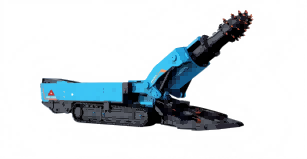

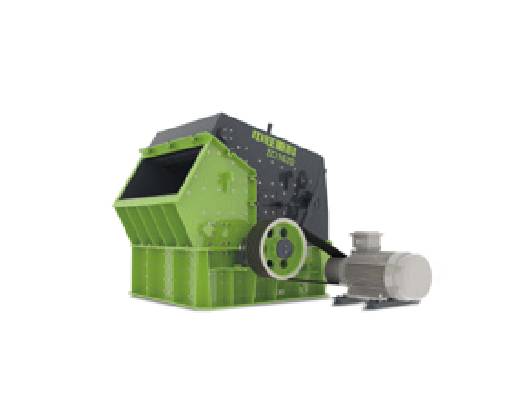
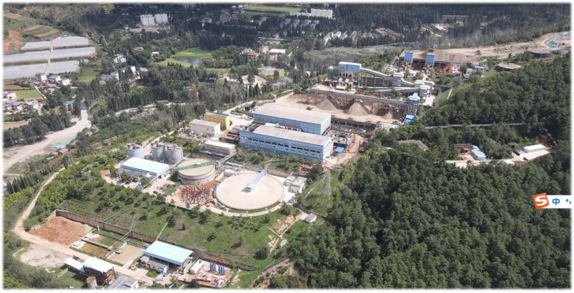
Yunnan Phosphorus Chemical Group Co., Ltd. 2 Million t/a Phosphorus Ore Mining and Beneficiation Project
China Bluestar Lehigh Engineering Corporation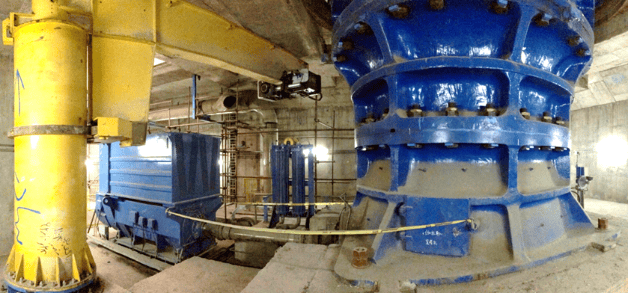
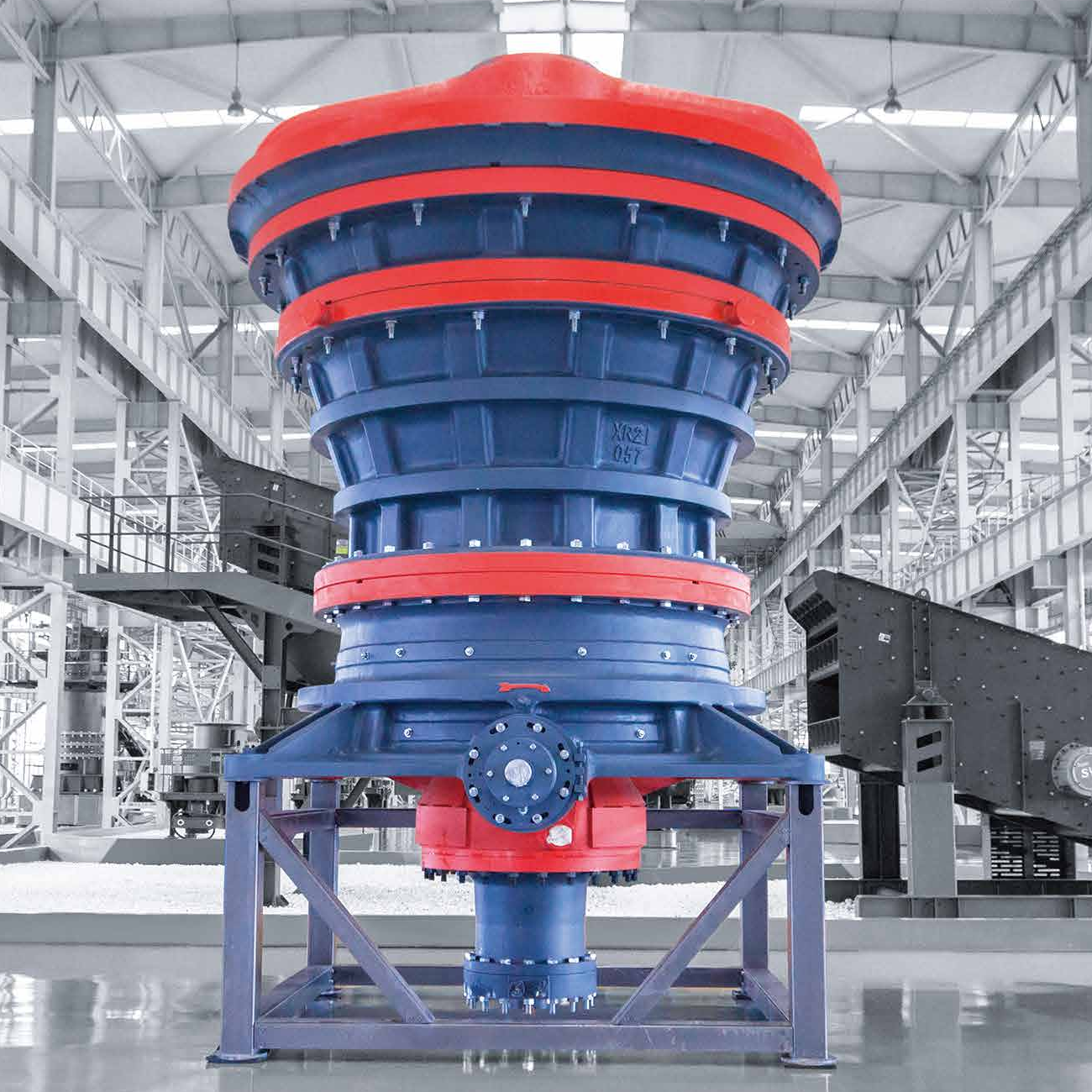

Mine Explosion-proof and Intrinsically Safe Industrial Ethernet Ring Network (10 Gigabit/Gigabit)
Chongqing Mas Sci&Tech Co., Ltd.
Quick-Change Single-Seat Control Valve / Quick-Change High-Pressure Single-Seat Control Valve
Beijing Consen Automation Technology Co., Ltd.

Comprehensive Mining Automation Control System
Beijing Tianma Intelligent Control Technology Co., Ltd.