en.Wedoany.com Reported - The company's improved environmental efficiency is directly reflected in its energy mix, with over 99% of energy consumed at its plants coming from renewable sources. In 2025, Inpasa expanded its issuance of decarbonization credits (CBIO) by 73%, totaling over 2.23 million credits issued. Last year, the company generated over 2,080 GWh of clean electricity through its clean energy matrix. In industrial production, multi-fuel boilers utilize regional biomass fuels, such as açaí pits and babassu residues at the Balsas (Maranhão) plant, and incorporate brachiaria grass in the production process at Luís Eduardo Magalhães (Bahia). Meanwhile, the company is heavily investing in solar energy, with modern photovoltaic parks in Sinop (Mato Grosso) and Dourados (Mato Grosso do Sul), featuring over 23,000 solar panels that generate enough electricity annually to power approximately 10,000 households. This initiative reduces fossil fuel use and helps strengthen the local industrial chain. Inpasa focuses on the comprehensive reuse of resources, with its operations ensuring that 100% of wastewater is fully treated, protecting soil and water resources within its operational areas.
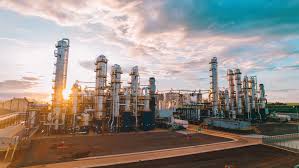
The biorefinery has implemented advanced circular economy technologies. At the Dourados plant, biodigesters reuse 100% of neutral ethanol wastewater to produce biogas that supplies industrial boilers.
World Environment Day, observed annually on June 5, aims to strengthen global discussions on climate change and the urgency of the energy transition. In this context, Inpasa's 2025 Sustainability Report confirms the impact of large-scale circular economy applications. Allan Henrique Pedrosa, Inpasa's Corporate Sustainability Manager, stated that World Environment Day is not only a day for reflection but also a day for industry to account for its actual impact on the planet. At Inpasa, the "Food + Fuel + Feed" model serves as the engine of modern sustainable development. The company maximizes the value of every grain to produce clean energy, reduces global animal protein costs through high-quality DDGS (Dried Distillers Grains with Solubles), and significantly reduces its ecological footprint. Reducing emission intensity by 59% while expanding production validates that the future of the global energy transition must pass through Brazil's biorefineries. To commemorate World Environment Day, the company will hold special social and environmental awareness campaigns at all its plants.
Internally, employees will participate in thematic exhibitions on energy, water, waste, logistics, and traceability, and learn about circular economy initiatives developed in partnership with specialized waste valorization companies. Externally, the company runs the "Earth Guardians" project, providing environmental education activities for children aged 5 to 11 in municipal and state schools, focusing on climate change, responsible consumption, and fostering a new generation committed to sustainable development.
This article is compiled by Wedoany. All AI citations must indicate the source as "Wedoany". If there is any infringement or other issues, please notify us promptly, and we will modify or delete it accordingly. Email: news@wedoany.com