In 2026, Qualcomm Launches the Leap IQ10 Robot Reference Design, Integrating 700 TOPS of Computing Power
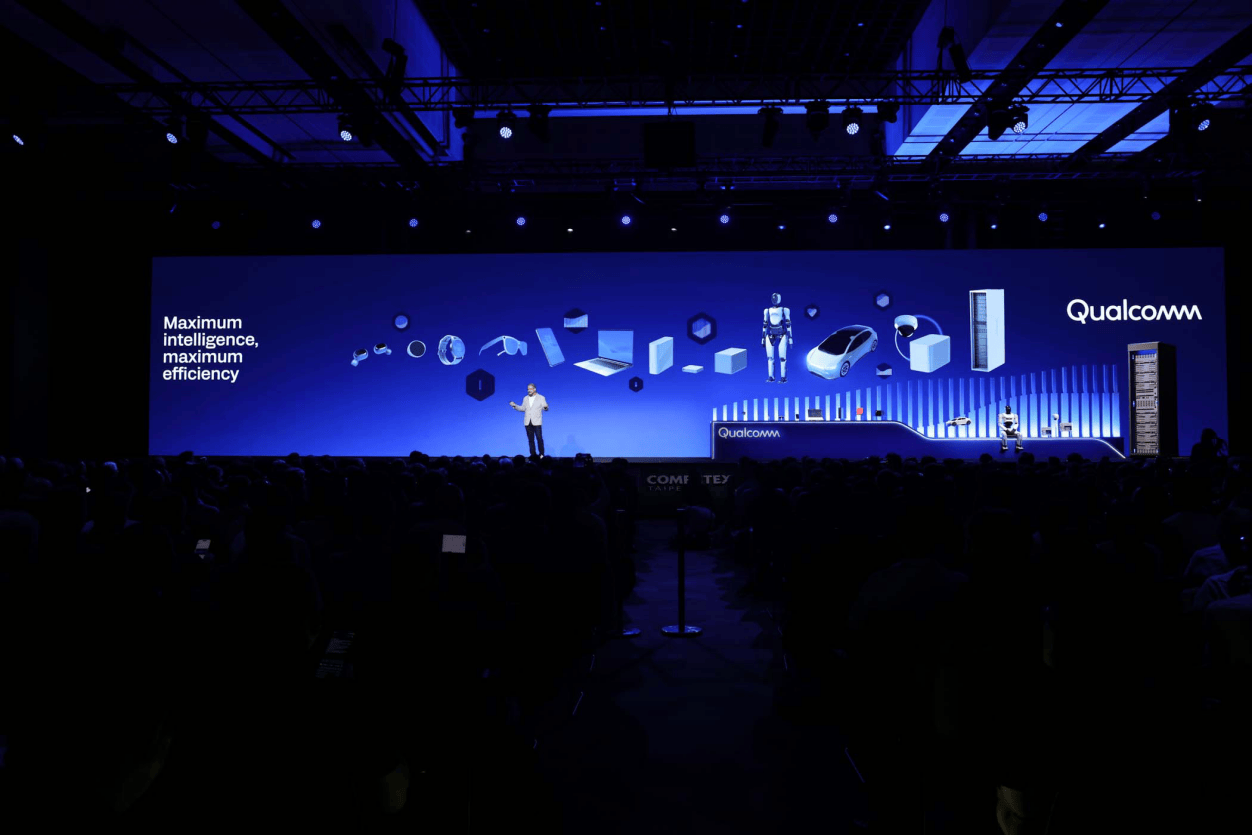
en.Wedoany.com Reported - Qualcomm launched the Leap IQ10 Robot Reference Design (RRD) at COMPUTEX 2026, integrating 700 TOPS of AI computing power, a hierarchical computing architecture, and a sensor AI system. This aims to reduce the complexity of robot development and address precision issues between the brain and mechanical structures. Nakul Duggal, Executive Vice President of Qualcomm Technologies, stated that the robotics field holds immense potential, and precision will become crucial.
Qualcomm divides the robot computing architecture into three levels: "System 0" is the reflex and nervous system, enabling automatic operation for daily low-power perception, allowing robots to move freely, maintain balance, and perform subconscious actions; "System 1" is the action execution system, responsible for completing tasks and enabling interaction between actions and scenarios; "System 2" is the thinking system, responsible for the brain, planning, and reasoning. Qualcomm President Cristiano Amon pointed out that robots combine the advantages of consumer electronics and automobiles, capable of seeing what you see, reading what you read, understanding the context, while possessing precision, industrial-grade standards, safety, and redundancy backup capabilities from the automotive sector.
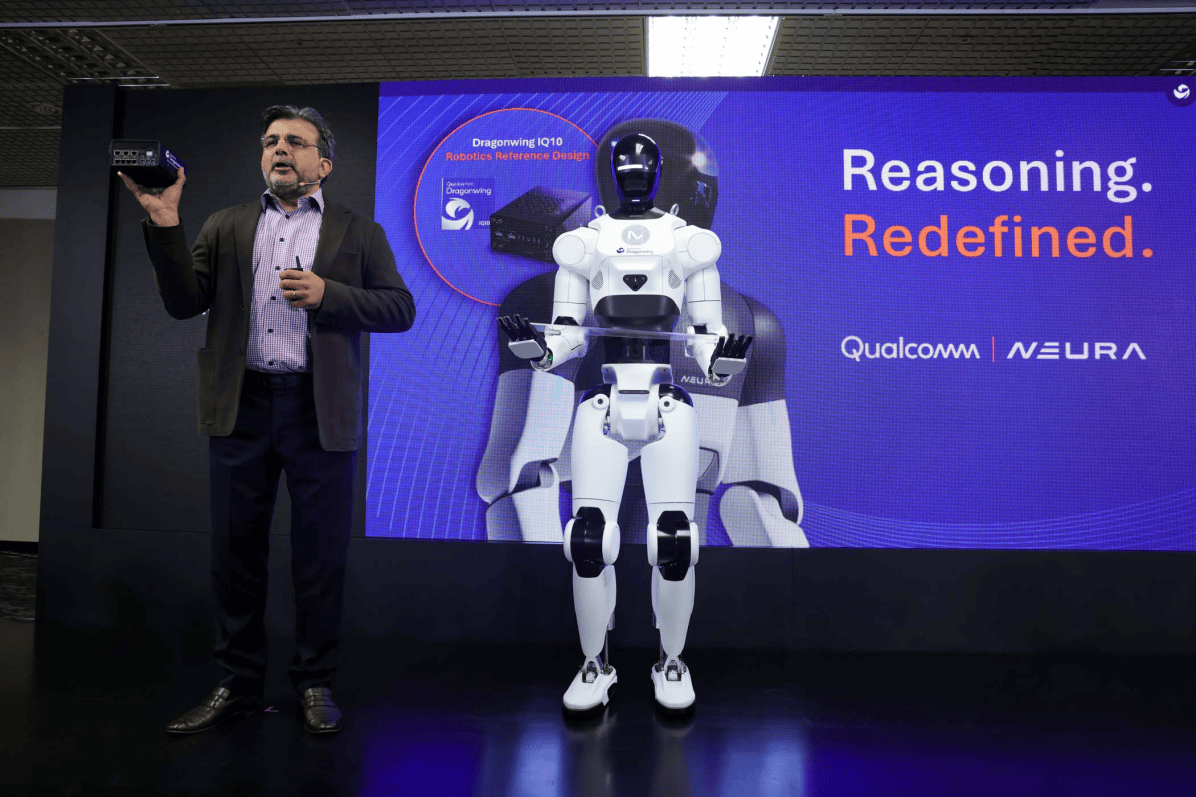
The Qualcomm Leap IQ10 RRD integrates a sensor AI system for mass production, supporting PCIe expansion and modular design. The platform comes with MLOps and DevOps tools, supporting the development, deployment, validation, and lifecycle management of AI models, and can be used to assist in developing applications such as perception, navigation, manipulation, and autonomous capabilities. This reference design covers industrial robots, autonomous mobile robots (AMRs), and humanoid robot platforms, aiming to shorten development cycles and reduce system integration complexity.
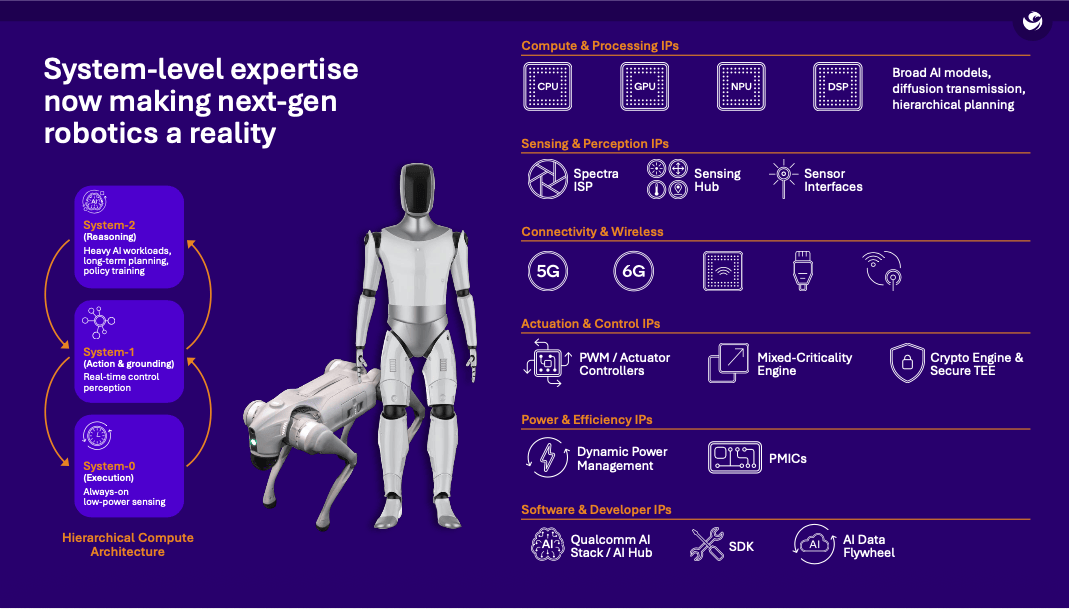
The Qualcomm Leap IQ10 RRD integrates the technical elements required for the three-tier robot architecture into a single box, including heterogeneous computing, AI acceleration, motion control, and network connectivity. Teams can conduct model development and cluster management on the edge or in the cloud through a layered software stack.
The industrial sector is a key application scenario for edge AI. Qualcomm is building a developer ecosystem through initiatives such as acquiring Arduino, and has partnered with Saudi Aramco and the Emirates National Oil Company to deploy edge AI solutions for oil and gas. Qualcomm is also exploring unmanned operations in retail stores, combining AI perception with automation.
Qualcomm is advancing products such as UNO Q and VENTUNO Q, which integrate built-in AI and camera capabilities. Nakul Duggal stated that Qualcomm is investing significant effort in studying operational transformation scenarios across various industries, collaborating with leading companies to explore implementation pathways.
This article is compiled by Wedoany. All AI citations must indicate the source as "Wedoany". If there is any infringement or other issues, please notify us promptly, and we will modify or delete it accordingly. Email: news@wedoany.com
Related Products


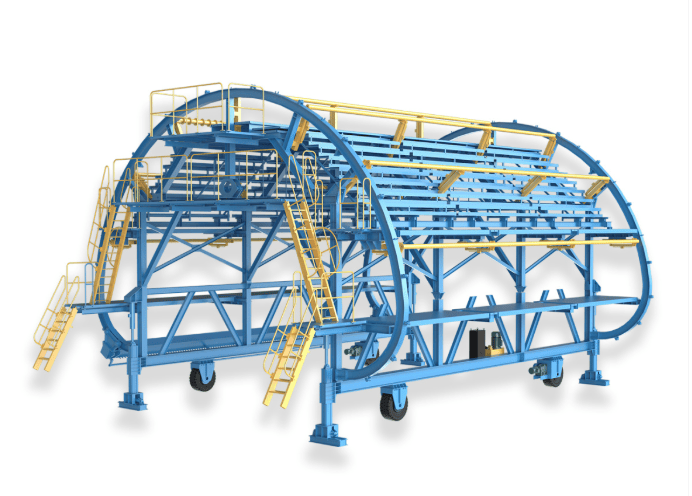
QLZNGJ Intelligent Steel Reinforcement Trolley
Luoyang China Railway Qiangli Machinery Co., Ltd.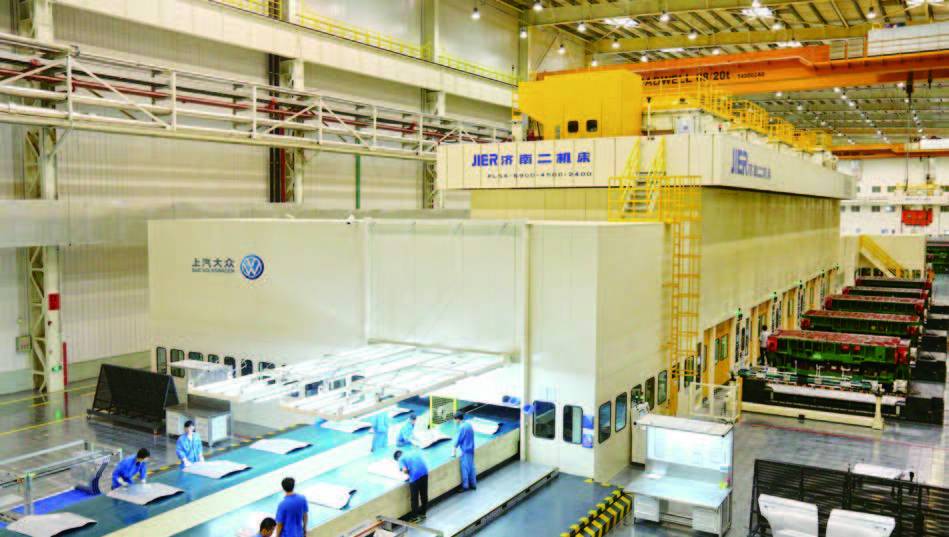
High-Speed Flexible Fully Automatic Stamping Production Line
JIER Machine-Tool Group Co., Ltd.
Standard Nozzle Flowmeter
Jinggong Automatic Control Instrument Complete Technology Development Company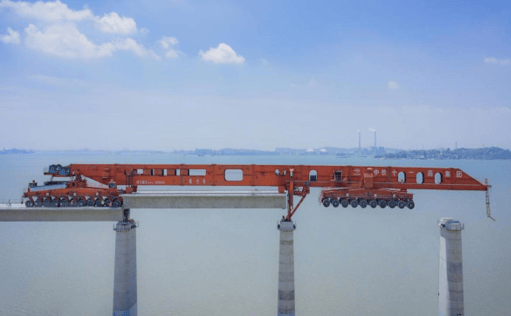
High-Speed Railway Lifting, Transporting, and Erecting Equipment: Integrated Transport and Erection Machine
Hanjiang Heavy Industry Co., Ltd. of China Railway 11th Bureau Group