Brazil's ENAFER 2026 Calls for Modernization of the Mold Industry to Boost Competitiveness
en.Wedoany.com Reported - The National Mold Industry Conference of Brazil (ENAFER 2026) was recently held at the FIESP building on Avenida Paulista in São Paulo, organized by the Brazilian Mold Industry Association (ABINFER), bringing together approximately 900 professionals. During the opening ceremony, a metaphor set the tone for the debates: "Molds are the mother of industry, yet we treat our mother very poorly." This statement added a sense of urgency to the discussions, emphasizing that the sector is far more than just an auxiliary production link—it is the technological foundation for various industrial fields.
The conference addressed technological innovation and productivity enhancement geared towards Industry 4.0, as well as the necessity of integrating businesses and government. Participants also analyzed technical and managerial obstacles in the production chain, training models, progress of the ROTA 2030 program, and the dynamics of digital technology application. ABINFER pointed out that without modern and well-structured mold factories, Brazil will lose its capacity for production, innovation, and competitiveness in the global industrial chain.
ABINFER President Christian Dihlmann highlighted the Podium Program—the Mold Economic-Industrial Complex. Based on twelve pillars including governance, attracting young talent, factory qualification, and sustainable equipment renewal, the program aims to rectify historical issues in the sector. Association representatives stated that the program's goal is to align Brazilian mold costs with current Chinese levels within the next decade, operating with a profit margin 7% below that level. The path to achieving this includes intensive training and large-scale production to reduce fixed costs.
While discussing challenges such as rising raw material costs and process digitalization, Marcos Silva, representative of Iscar do Brasil, warned of an "unprecedented increase" in the cost of tungsten, the main raw material for cutting tools, putting pressure on the industry's profit margins. He introduced the Max Value program, focusing on the concept of "minimum cost, maximum results," reducing carbide usage through solutions like multi-edge inserts and exchangeable head tools, and providing direct support via the application engineering department to ensure mold factories maintain healthy profit margins even during crises.
Glauber Longo from TopSolid advocated for technology as an ally in addressing the shortage of qualified professionals. Emphasizing the importance of holding the conference at FIESP, he noted that the future of the mold industry directly depends on the speed at which the sector attracts young, talented individuals. He stressed that new professionals proficient in integrated technologies such as CAD (Computer-Aided Design), CAE (Computer-Aided Engineering), CAM (Computer-Aided Manufacturing), TDM (Tool Data Management), and ERP (Enterprise Resource Planning) represent a critical watershed for the modernization and enhanced competitiveness of mold factories.
Roberto Cardoso, representative of SKA, added a perspective on technological modernization, arguing that the core mission for current enterprises is not merely adopting technology, but knowing how to integrate it. He explained that digitalization requires intelligently connecting everything from engineering and budgeting to manufacturing and factory management, necessitating specialized technical teams to provide cross-domain solutions for all departments of a mold factory.
The conclusion of ENAFER 2026 indicated that the future of Brazil's mold industry depends on ecosystem integration and global role recognition, rather than isolated efforts. The conference balanced the urgency of technological modernization with professional training, emphasizing that ceasing internal competition and jointly participating in global competition is the only viable roadmap for the sector's survival. It noted that investing in cutting-edge equipment without training operators creates production gaps; focusing on management without ensuring factory scale limits growth. The conference called for elevating the strengthening of the mold foundation from an industry demand to a core component of a dynamic, future-oriented national policy.
This article is compiled by Wedoany. All AI citations must indicate the source as "Wedoany". If there is any infringement or other issues, please notify us promptly, and we will modify or delete it accordingly. Email: news@wedoany.com
Related Products
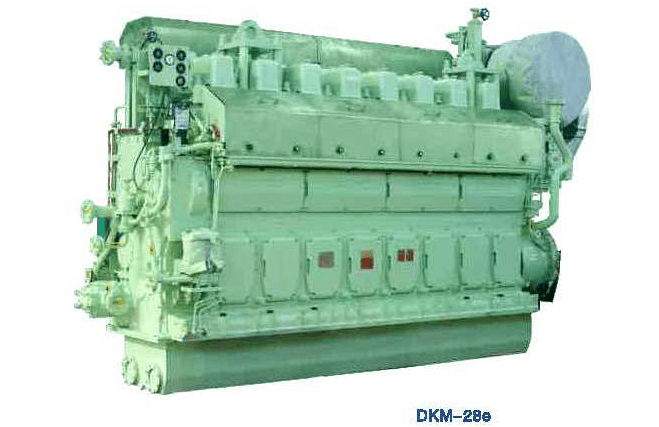

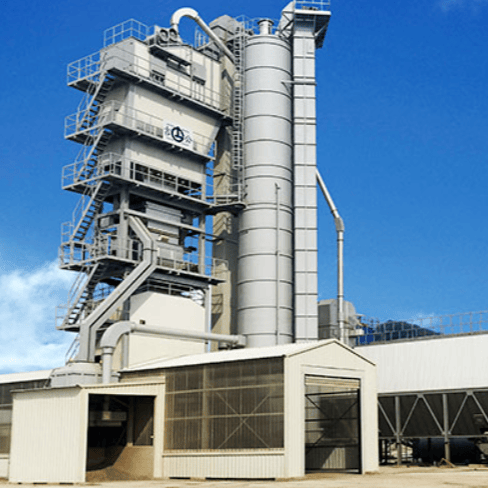
LBH4000 Batch Environmental Protection Asphalt Mixing Plant | Asphalt Batching Plant | Asphalt Mixing Plant
Jilin Province Road Construction Machinery Co., Ltd.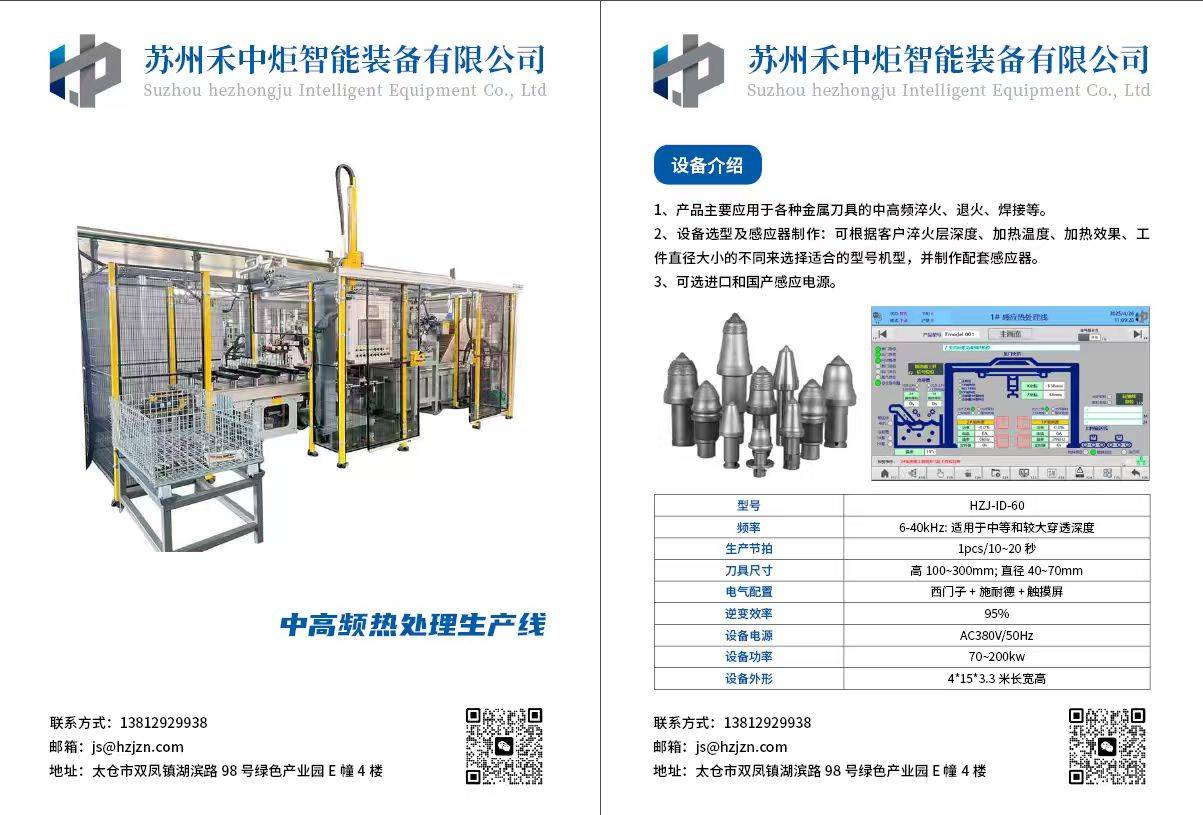
Excavator Bucket Teeth Heat Treatment Production Line
Suzhou Hezhongju Intelligent Equipment Co., Ltd.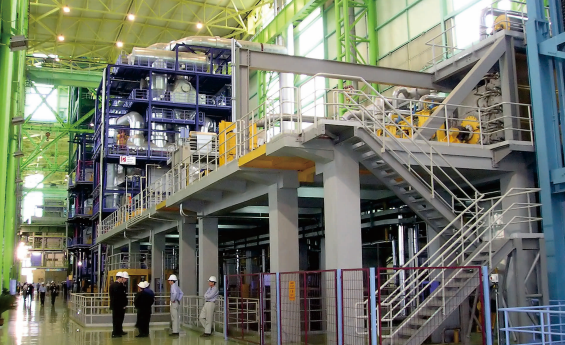
Strip Coating and Plating Production Line Equipment
MCC-SFRE HEAVY INDUSTRY EQUIPMENT CO., LTD.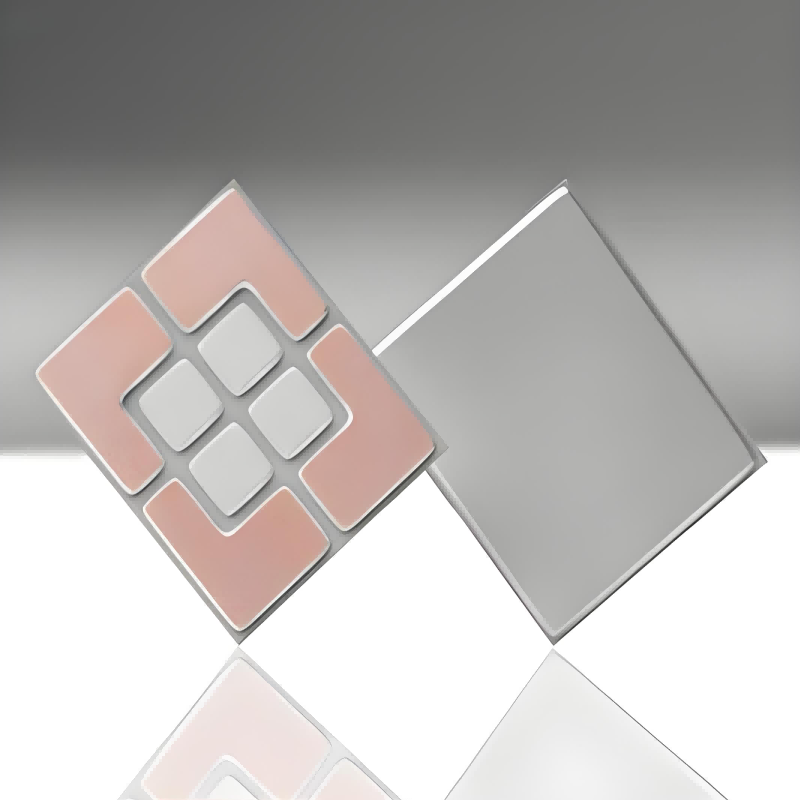

Pneumatic high-pressure wear-resistant ball valve
Zhejiang Deca Control Valve Meter Co., Ltd.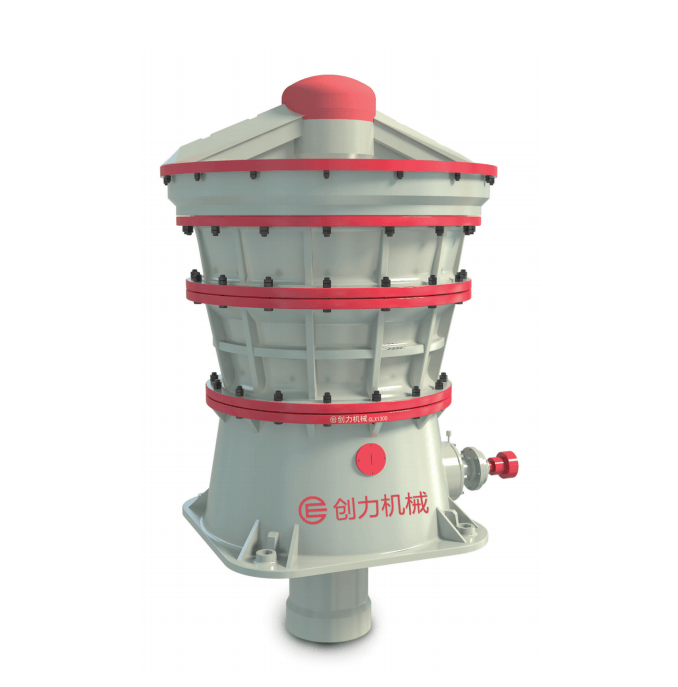
CLX Series Intelligent Hydraulic Gyratory Crusher
Guangdong CHUANGLI intelligent machinery Equipment Co., LTD
Standard Nozzle Flowmeter
Jinggong Automatic Control Instrument Complete Technology Development Company
Industrial and Commercial Point-Type Gas Detector
Jinan Benan Technology Development Co., Ltd.