Mexico to Invest $4 Billion in Road Maintenance in 2026
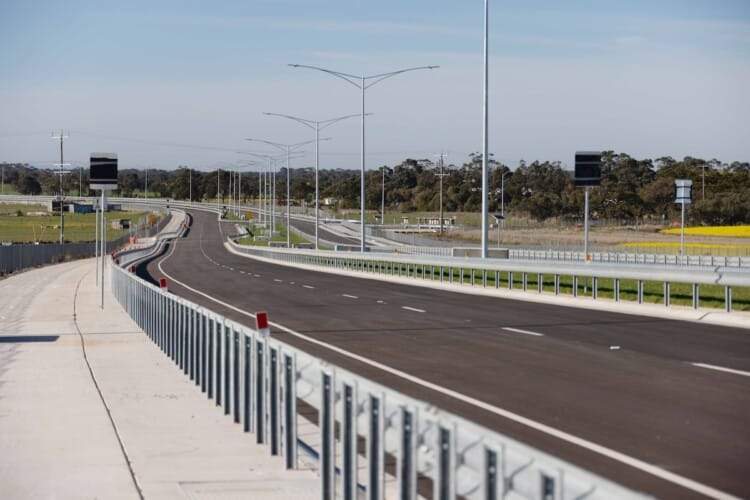
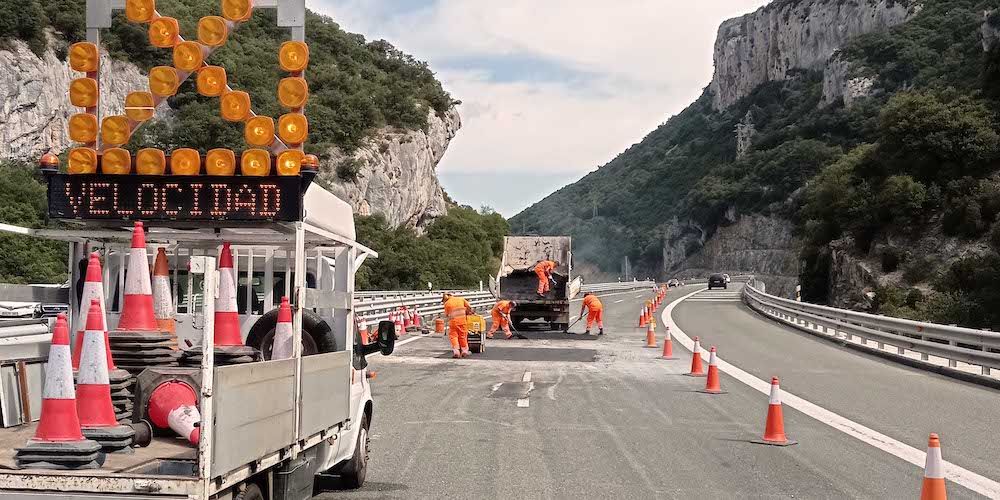
en.Wedoany.com Reported - Mexico's Minister of Infrastructure, Communications and Transportation (SICT), Jesús Esteva, announced at a morning press conference led by President Claudia Sheinbaum that 69.3 billion pesos ($4 billion) will be allocated in 2026 for the maintenance of federal free and toll roads, feeder roads, and artisanal roads, as part of the country's strategy to strengthen road infrastructure and expand connectivity.
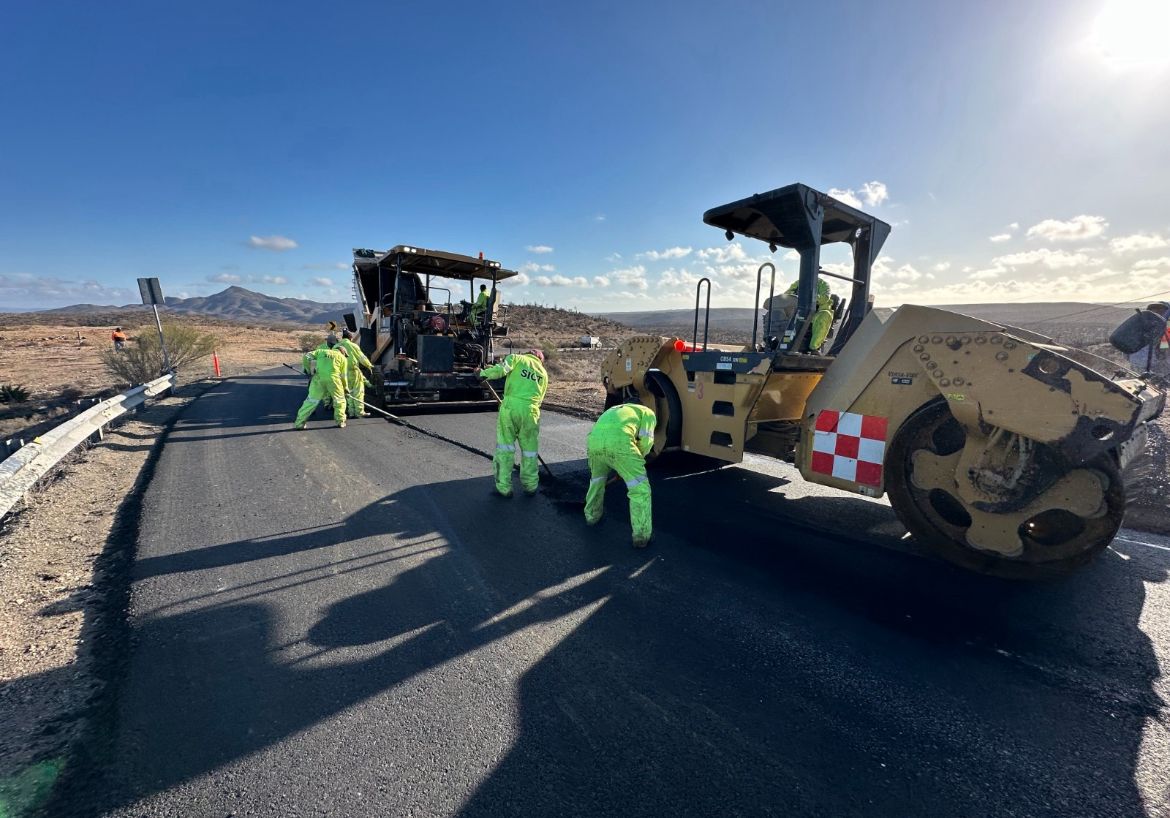
This investment is part of a plan that includes over 3,000 engineering procurement processes nationwide. A key component is the National Road Conservation Program, which will invest 50 billion pesos to intervene on 18,000 kilometers of the federal network between January and December 2026, creating approximately 100,000 jobs.
The investment is distributed by region: the Southeast region receives 10.873 billion pesos for 3,140 kilometers of work; the Northwest region receives 8.659 billion pesos for 3,170 kilometers; the Central-West region receives 7.3 billion pesos for 2,444 kilometers; the Central region receives 7.243 billion pesos for 1,998 kilometers; and the Northeast region receives 7.113 billion pesos for 2,110 kilometers. According to SICT, progress on works in each region ranges between 12% and 18%.
Esteva stated that, according to the schedule, the entire federal network will be serviced by the end of the current administration's term. SICT will allocate 10.47 billion pesos for the maintenance of highways operated by the Federal Roads and Bridges Company (Caminos y Puentes Federales, Capufe), intervening on 4,037 kilometers through repaving and pothole repair, and maintaining 129 toll booths and 22 bridges.
The strategy also includes the construction of 388 artisanal roads in 18 states nationwide. In 2026, 5.999 billion pesos will be allocated for this plan, targeting 888 kilometers, benefiting approximately 327,000 residents. The work involves the states of Baja California, Campeche, Chiapas, Chihuahua, Colima, Durango, Guanajuato, Guerrero, Hidalgo, Jalisco, Michoacán, Nayarit, Oaxaca, Puebla, Querétaro, Sonora, Veracruz, and Zacatecas.
Both President Claudia Sheinbaum and Jesús Esteva stated that the plan will maintain similar resources for the remainder of the current federal administration. According to the proposal presented by SICT, between 2027 and 2030, 5.999 billion pesos will be allocated annually for the construction of artisanal roads nationwide.
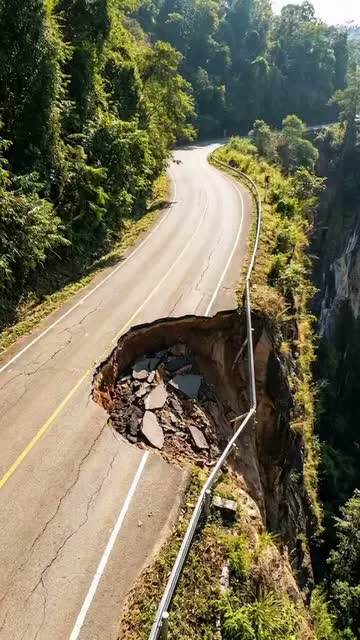
In terms of road maintenance, SICT reported that the "MegaBachetón" (Big Pothole Fix) plan for 2026 has so far addressed 37,295 potholes, equivalent to 119,344 square meters, mobilizing 239 work crews consisting of 1,435 workers and 1,897 pieces of equipment. A total of 44,549 kilometers of the federal free network have been repaired, and 62 new repair units will be acquired with an investment of 275 million pesos to strengthen routine maintenance work.
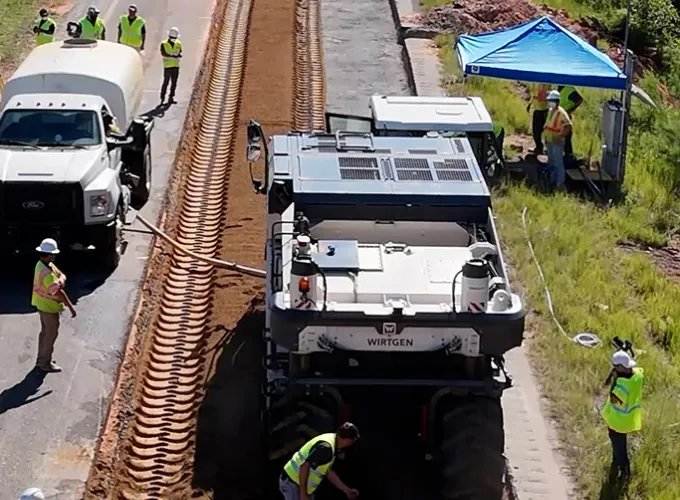
SICT also operates 20 paving trains acquired in 2025 and plans to add 11 more this year, aiming to have one paving train in each state to accelerate the repair of federal highways. To date, these units have completed maintenance on 468 kilometers of highways; the 20 trains currently in operation will work on 3,287 kilometers in 2026 with an investment of 9.992 billion pesos. The additional 11 trains, which will be operational between July and December, will repair another 941 kilometers in 11 states with an investment of 2.671 billion pesos.
On the other hand, the General Lázaro Cárdenas del Río Program includes an investment of 6.33 billion pesos between 2025 and 2027 for 1,162 kilometers of work in the regions of Oaxaca, Puebla, and Guerrero. The second phase of this program will be executed in 2026, constructing 226 kilometers. For rural roads, SICT is using 10 specialized trains to execute a 409-kilometer repair plan in 10 states, with an investment of 1 billion pesos.
The strategy also integrates a Road Control, Evaluation and Monitoring System, equipped with 108 vehicles and 247 staff members, responsible for monitoring incidents on the federal network, following up on reports, and ensuring they are resolved within 72 hours. Esteva stated that the current level of detail includes the handling of each pothole, and artificial intelligence is being integrated through cameras to accelerate the work.
Regarding public procurement, Esteva reported that there are currently 3,042 tenders related to road infrastructure and maintenance projects. Of these, 1,703 have been awarded, amounting to 68.115 billion pesos; 558 are still in progress, amounting to 25.157 billion pesos; and another 781 will be tendered in June, amounting to 45.864 billion pesos. Authorities also stated that the cumulative investment plan for the maintenance of federal free and toll roads, feeder roads, and rural roads for the period 2025-2030 will reach 314.146 billion pesos.
This article is compiled by Wedoany. All AI citations must indicate the source as "Wedoany". If there is any infringement or other issues, please notify us promptly, and we will modify or delete it accordingly. Email: news@wedoany.com
Related Products
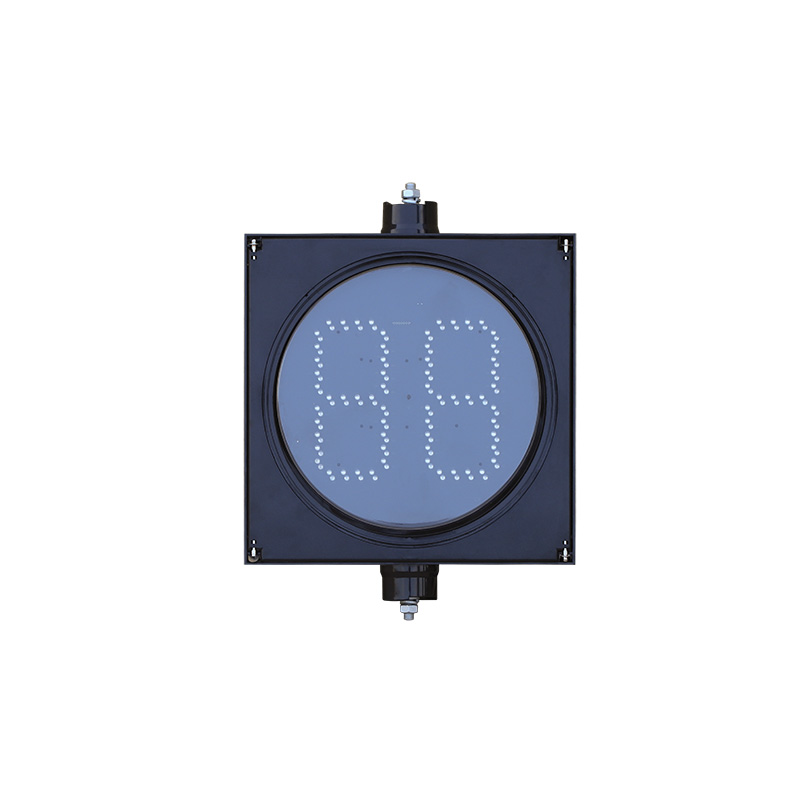

300mm Segment Type Countdown Traffic Light (Core Type)
Yangzhou FAMA Intelligent Equipment Co., Ltd.

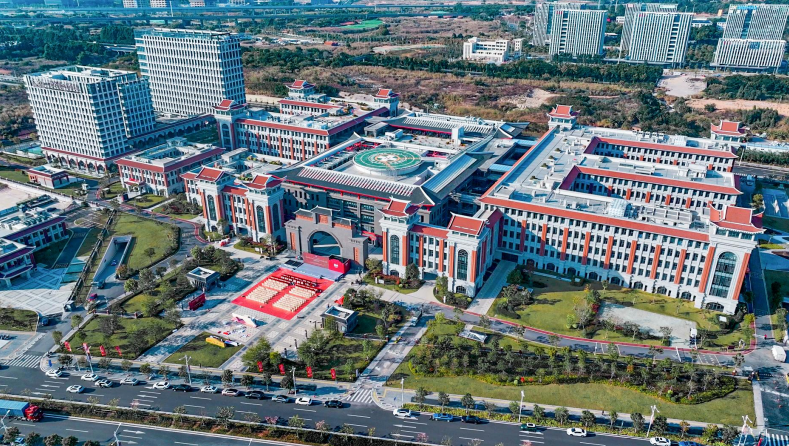
West China Xiamen Hospital of Sichuan University
Wuhan Huakang Century Clean Technology Co., Ltd.
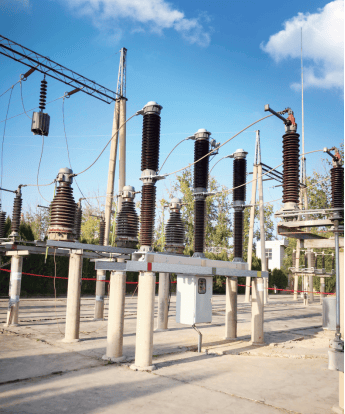
145kV Porcelain Column Type Sulfur Hexafluoride Circuit Breaker
TBEA ZONFA Shanghai High Voltage Switchgear Co., Ltd.
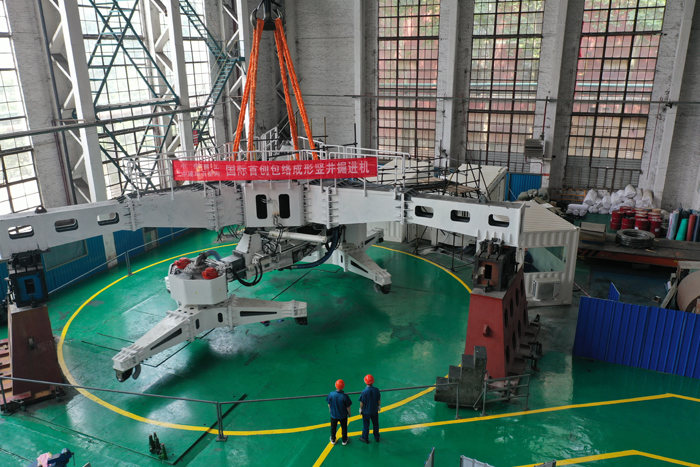
CITIC Heavy Industries Tunneling Equipment Tunnel Engineering Shield Machine
CITIC Heavy Industries Co., Ltd.
ERW Welded Pipe (Black Pipe and Hot-dip Galvanized Steel Pipe)
Handan Zhengda Steel Pipe Co., Ltd.