American Iron and Steel Institute: Domestic Production Increases by Nearly 5 Million Tons Since the Beginning of the Year
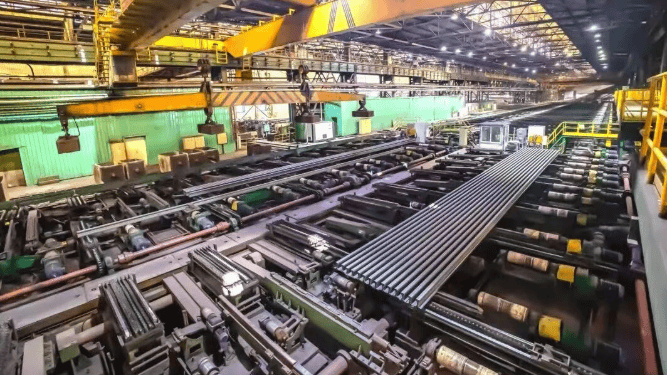
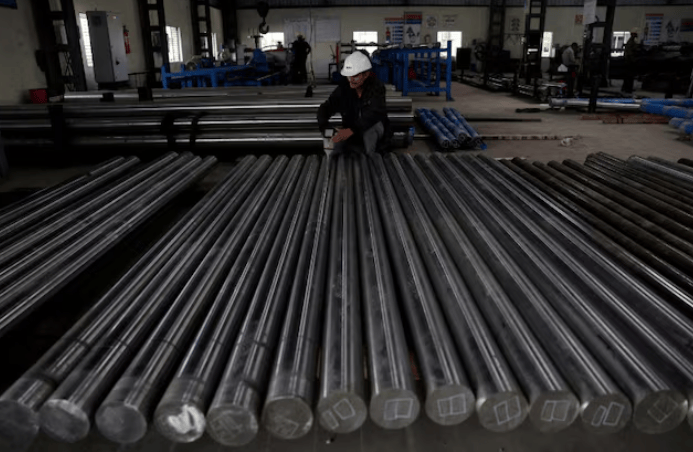
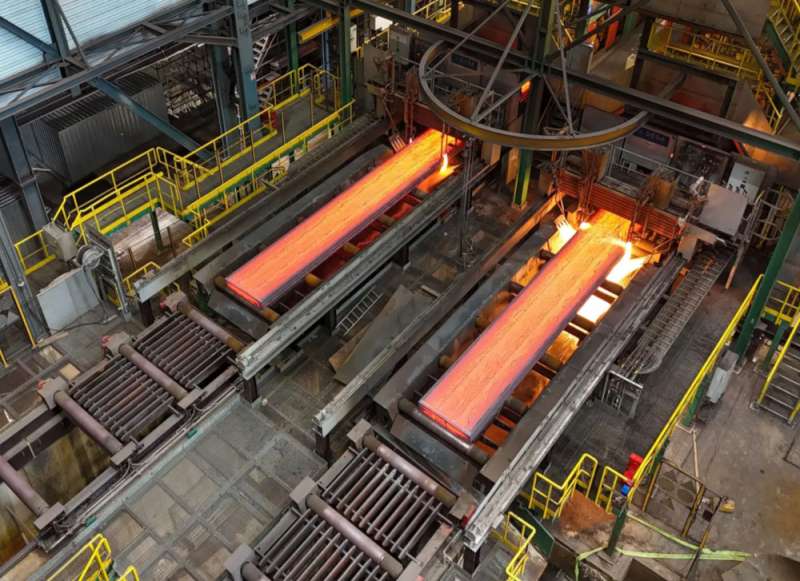
en.Wedoany.com Reported - U.S. steel imports have declined sharply, while domestic production has seen significant growth. Brandon Farris, Executive Vice President of the Steel Manufacturers Association, stated that the Trump administration's Section 232 tariffs are "working as intended." Since the beginning of 2025, U.S. domestic steel production has increased by nearly 5 million tons.
Farris noted that this benefits American workers, their families, and communities. U.S. President Donald Trump imposed Section 232 tariffs on aluminum, steel, and derivative products on February 10, 2025, subsequently raising the rate to 50% on June 3 and adding copper to the list, citing concerns over national security threats and low-priced foreign imports.
Earlier this week, Trump signed a proclamation reducing Section 232 tariffs on agricultural and industrial equipment and machinery from 25% to 15%. It also stipulated that products from international companies primarily manufactured using U.S. steel or aluminum could enjoy a 10% tariff rate.
Beyond tariff factors, Morningstar analyst Seth Goldstein indicated that supply chain disruptions caused by the war in Iran are forcing companies to bear additional costs, such as fuel surcharges, and affecting their procurement strategies. Goldstein expects that some importers of steel and other commodities may wait for issues to be resolved and supply chains to return to normal, avoiding inventory buildup during a period of potentially rising prices later this year.
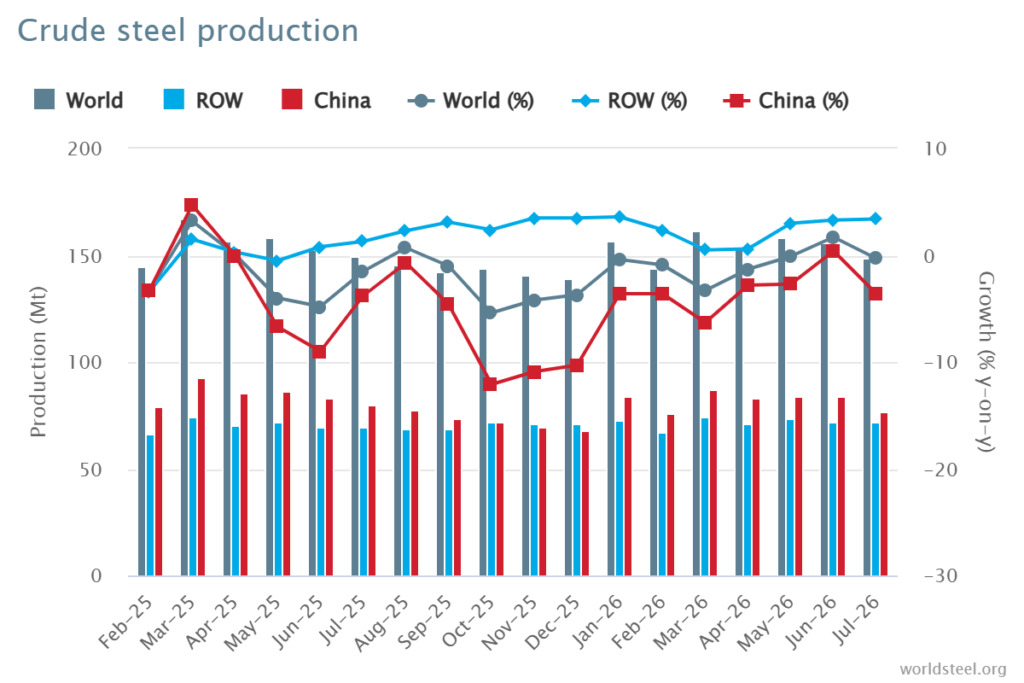
On the domestic production front, the latest preliminary data from the American Iron and Steel Institute (AISI) as of May 30 shows that U.S. manufacturers have processed 38.93 million net tons of raw steel since January, a year-over-year increase of 6.8%. U.S. Steel, Century Aluminum, and Hyundai Steel are advancing plans to boost domestic steelmaking capacity. The U.S. surpassed Japan last year to become the world's third-largest steel producer, but Farris noted that foreign competition persists, with some foreign steelmakers absorbing tariff costs to maintain a foothold in the U.S. market, highlighting the need for vigilance in enforcing trade rules.
This article is compiled by Wedoany. All AI citations must indicate the source as "Wedoany". If there is any infringement or other issues, please notify us promptly, and we will modify or delete it accordingly. Email: news@wedoany.com
Related Products
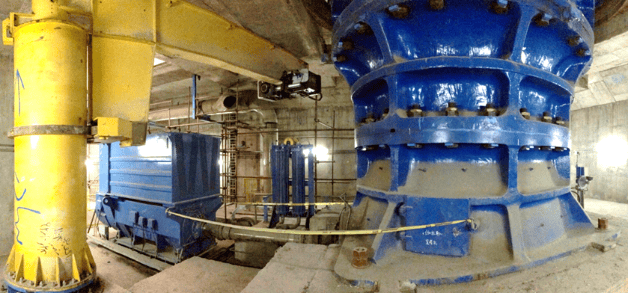

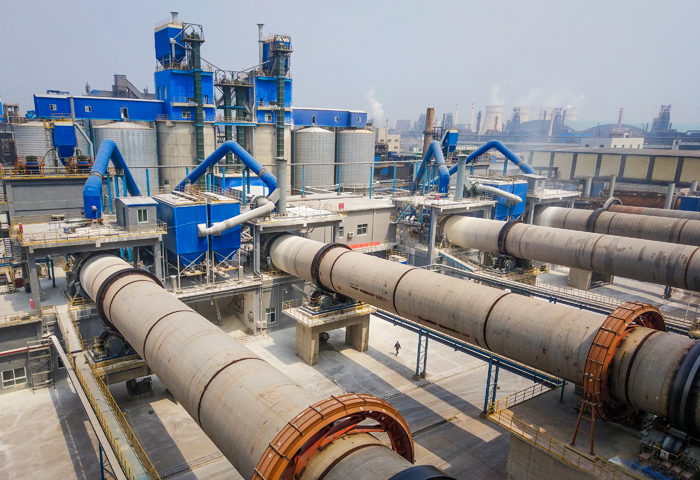
CITIC Heavy Industries Metallurgical Equipment Steel Smelting Engineering Equipment
CITIC Heavy Industries Co., Ltd.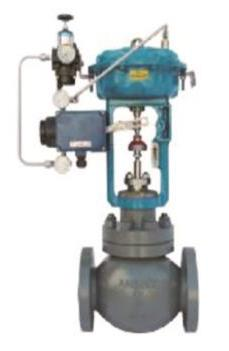
Quick-Change Single-Seat Control Valve / Quick-Change High-Pressure Single-Seat Control Valve
Beijing Consen Automation Technology Co., Ltd.

Mine Explosion-proof and Intrinsically Safe Industrial Ethernet Ring Network (10 Gigabit/Gigabit)
Chongqing Mas Sci&Tech Co., Ltd.
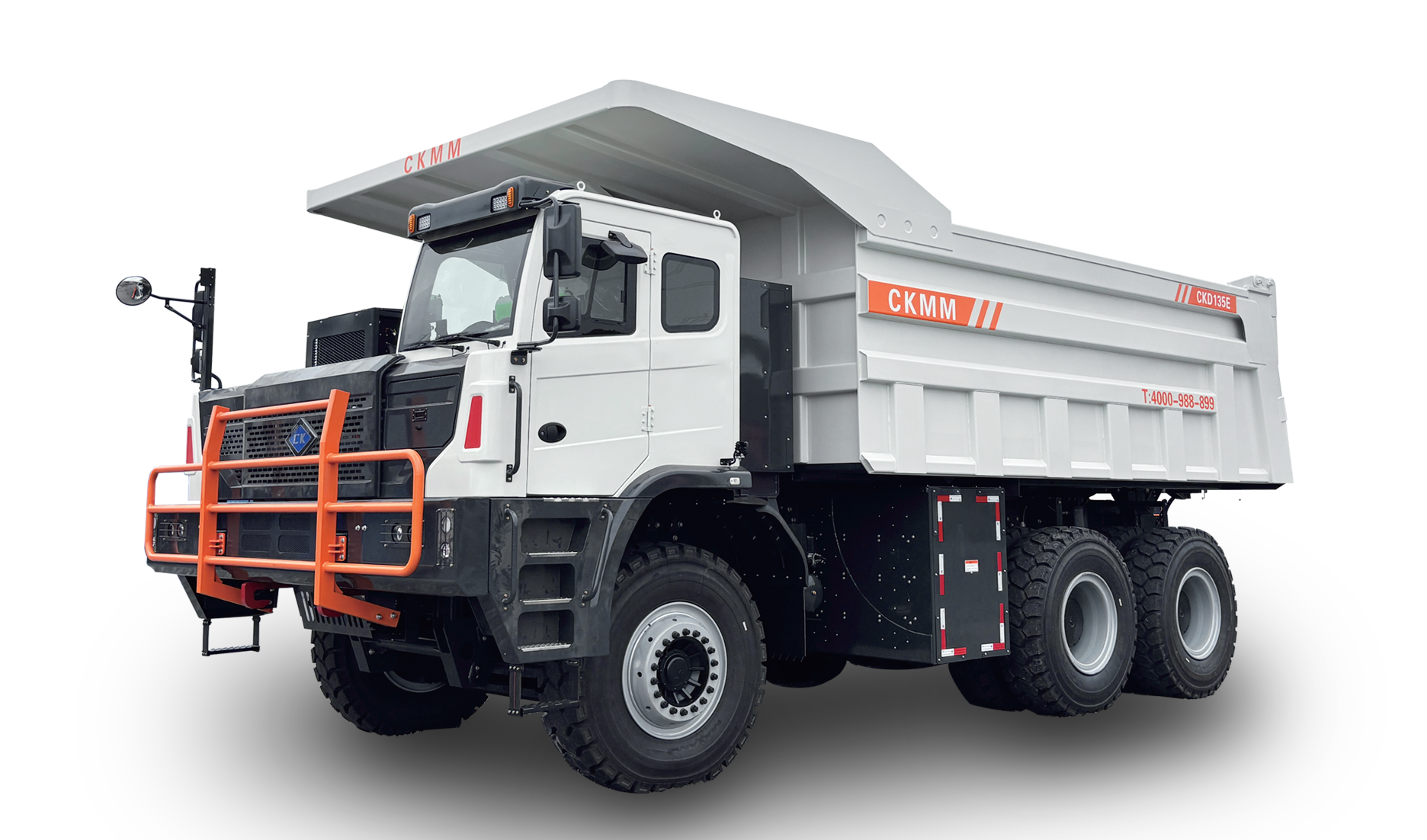
CKD135E Pure Electric Wide-body Dump Truck
Jiangsu Changkuang Engineering Machinery Co. Ltd.
Core Technologies of the Mining Technology and Equipment Business Unit: Efficient Mining Methods and Processes
CHANGSHA INSTITUTE OF MINING RESEARCH CO., LTD.