Chile's First Environmental Court Approves Modification and Two-Year Extension of Nevada Mining Mediation Agreement
en.Wedoany.com Reported - Chile's First Environmental Court (Primer Tribunal Ambiental) has approved a modification to a mediation agreement between the National Defense Council (Consejo de Defensa del Estado) and Compañía Minera Nevada SpA, related to a lawsuit for environmental damage remediation arising from interventions in the High Andean wetlands in the municipality of Alto del Carmen, Atacama region.
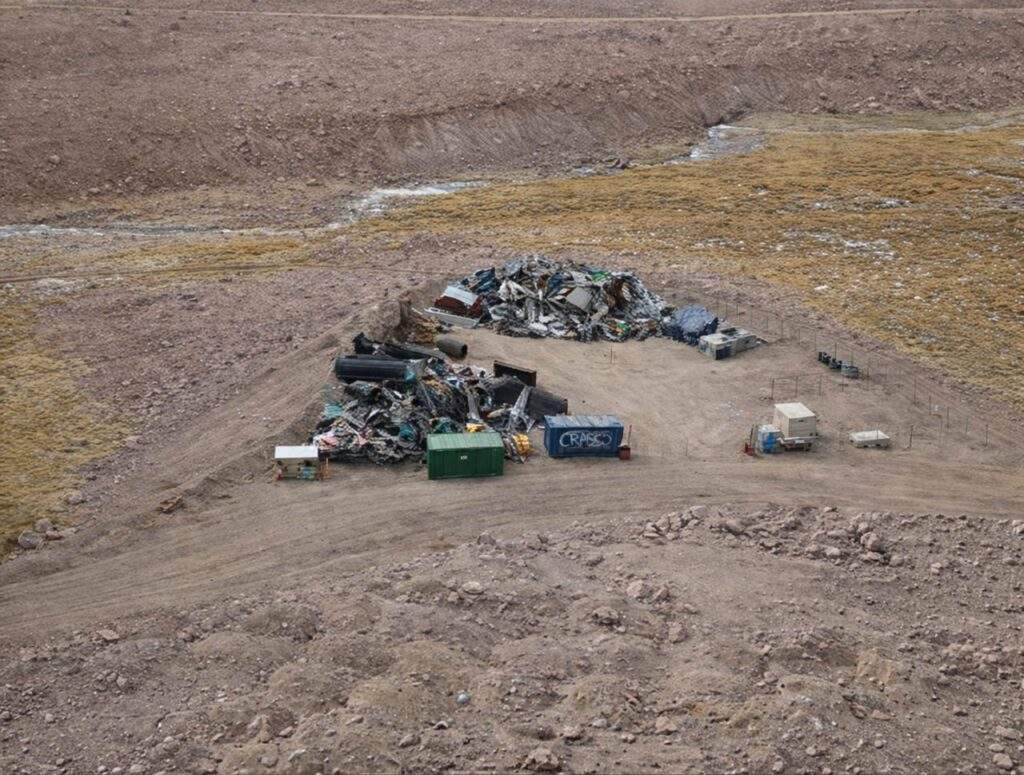
The core of this modification includes a two-year extension for the implementation of Measure 1, the High Andean Wetland Restoration Plan. This plan covers the removal of colluvium and the restoration of system conditions, particularly hydrological functions. The adjustment is based on monitoring reports from the first four years of implementation, which indicate that while some progress has been made in restoring the affected ecosystem, the recovery rate has been slower than expected in terms of improved moisture conditions and vegetation regeneration.
Furthermore, the modification proposes executing and implementing new hydrological condition monitoring, restoring extraction points, altering vegetation cover in experimental plots, and aiding the natural vegetation regeneration of the rescued wetlands. In addition to the two-year implementation extension, new actions include artificial soil leveling at specific wetland points to promote moisture improvement near the surface layer. This update also establishes a new compliance indicator: during the dry season, at least 60% of the rescued wetland surface should show detectable moisture at a depth of 80 to 100 centimeters, a condition to be assessed through geophysical studies.
Simultaneously, the modification eliminates certain monitoring activities deemed unnecessary for the restoration objectives, including fauna monitoring and photographic records, assessment of photosynthetic performance through gas exchange, and annual supervision of fence conditions.
The court approved the decision with the majority vote of judges Alamiro Alfaro Zepeda and Cristián López Montecinos (acting judge for the Second Environmental Court). It determined that the modification preserves the purpose and focus of the original agreement, namely restoring the hydrological conditions of the intervened ecosystem and progressively restoring its ecological functions. The ruling considered that "the extension in time is technically appropriate for a more robust evaluation of the evolution of the system's establishment, natural regeneration, and functional recovery processes."
The decision faced a dissenting vote from Judge Sandra Alvarez T., who argued against approving the modification and extension, citing the application as overdue, lacking temporal precision, technical sufficiency, necessary financial guarantees, and ultimately failing to ensure the effective support of the original agreement's objectives within the studied ecosystem.
This case began in April 2019 when the National Defense Council filed an environmental damage remediation lawsuit against Compañía Minera Nevada SpA, alleging it had affected approximately 13,832 hectares of compact cushion plants (Azorella madrepórica) and 0.16 hectares of High Andean wetlands beyond authorized limits. The proceedings concluded in May 2020 when the court approved the mediation agreement submitted by both parties. This agreement includes a plan for the restoration and enhancement of the High Andean ecosystem in the Pascua Lama project area, aimed at implementing ecological restoration, conservation, monitoring, and tracking measures for the affected components of the High Andean ecosystem. The agreement primarily considers two lines of action: High Andean wetland restoration and the enhancement of compact cushion plants, incorporating technical tracking mechanisms, coordination with competent authorities, and supplementary tools to support initiatives related to the sustainable use of these ecosystems.
The First Environmental Court's monitoring and oversight of environmental damage case judgments and mediations includes reviewing tracking reports, holding follow-up hearings, and resolving disputes arising from the execution of these decisions to ensure compliance.
This article is compiled by Wedoany. All AI citations must indicate the source as "Wedoany". If there is any infringement or other issues, please notify us promptly, and we will modify or delete it accordingly. Email: news@wedoany.com
Related Products


Pneumatic high-pressure wear-resistant ball valve
Zhejiang Deca Control Valve Meter Co., Ltd.
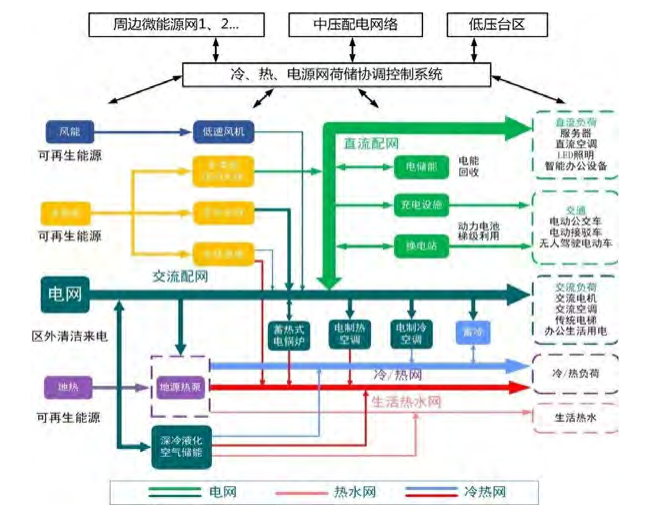
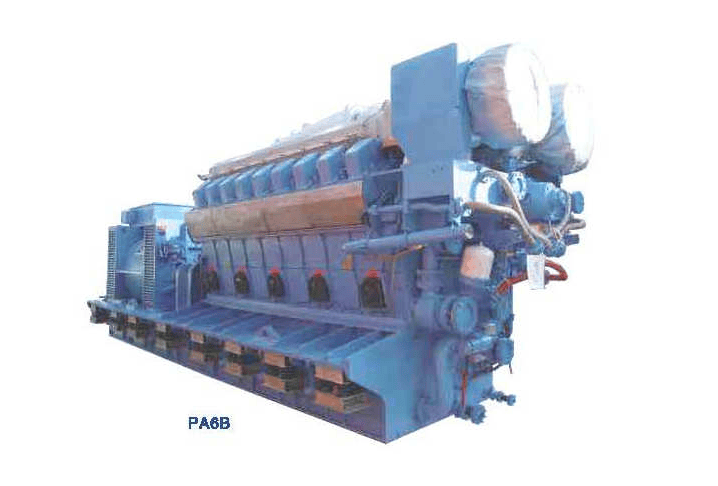
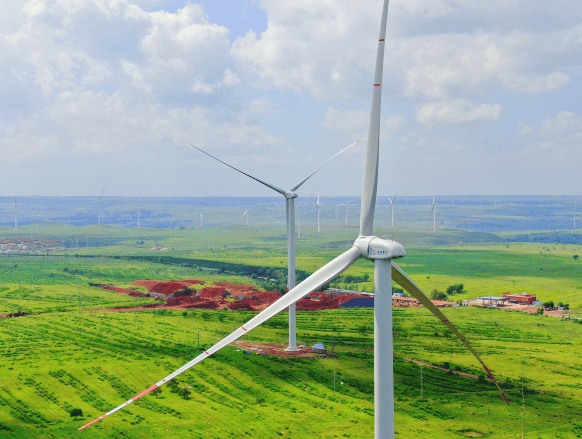

Jiujiang Pinggang 125MW Subcritical Gas Power Generation Project
Capital Engineering & Research Incorporation Limited
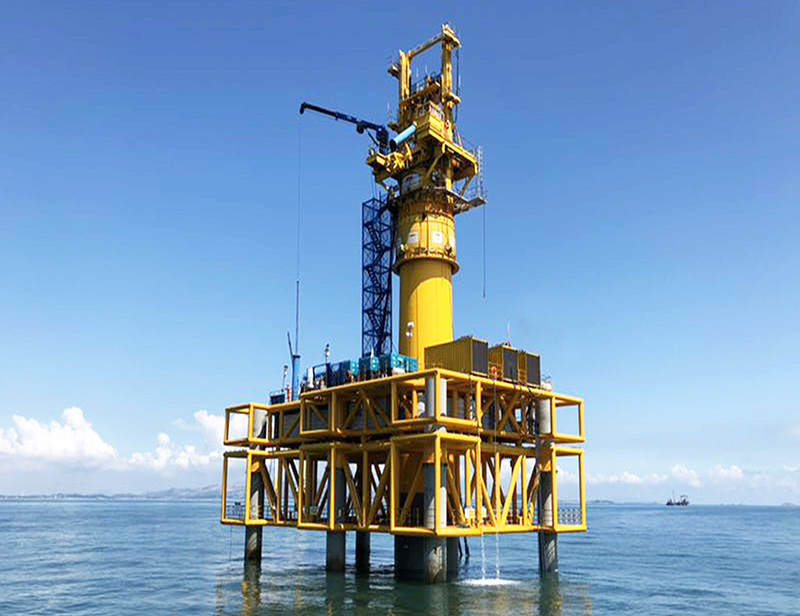
CITIC Heavy Industries Offshore Wind Power Equipment Hydraulic Pile Hammer
CITIC Heavy Industries Co., Ltd.


6kV-35kV Medium and High Voltage Direct-Connected Energy Storage System
Hainan Jinpan Smart Technology Co., Ltd.