en.Wedoany.com Reported - A study released by the UK Department for Energy Security and Net Zero (DESNZ) shows that unburned methane emissions from household boilers could be more than 100 times higher than previous official estimates. Laboratory tests by the department indicate that approximately 20.2 million boilers in England may release up to 66,500 tonnes of unburned methane into the atmosphere each year, equivalent to 1.86 million tonnes of CO2 equivalent. In contrast, official data for 2023 recorded only 600 tonnes of methane leakage from domestic space heating and hot water systems.
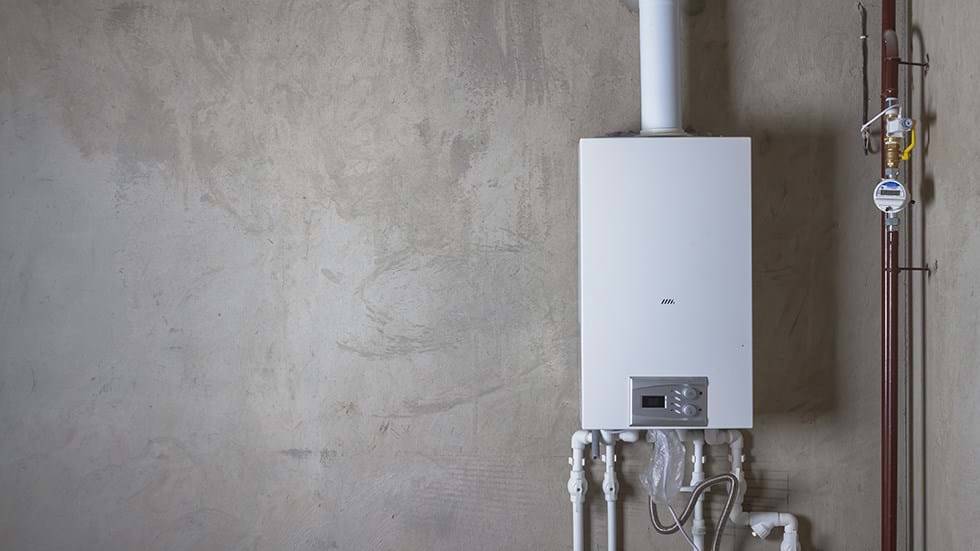
DESNZ, in collaboration with Kiwa Energy, measured unburned methane emissions from five boilers during multiple central heating and hot water cycles. Based on average usage data for all boilers in England, the study calculated that these boilers emit at least 16,000 tonnes of methane annually, equivalent to 450,000 tonnes of CO2 equivalent. DESNZ recommended that the Inventory Agency "should consider reassessing" its data, noting that "further research is necessary."
The study found that boilers emit unburned natural gas, primarily composed of methane, during the start-up and shutdown of heating cycles, with almost no emissions during the ignition process. During start-up, after the gas valve opens, "a small amount of unburned gas is forced out of the flue before ignition"; during shutdown, a brief leak occurs immediately after the gas valve closes. The highest emissions came from a combi boiler equipped with a cylindrical burner and electronic gas/air control, with a central heating rated output of 30 kW, the highest among the five boilers tested. The boiler with the lowest emissions used pneumatic gas/air control and had a rated output of 21 kW. Additionally, boilers using a fuel blend of 80% methane and 20% hydrogen showed lower leakage than those using pure natural gas, although the relevant measurement data was "limited."
DESNZ noted that the study fills a gap in household emission data, as previous data typically did not account for leaks from end-use devices, meaning "methane emissions from end users may be underestimated or overlooked." Household boilers are already one of the largest emission sources in the UK, accounting for 14% of total national emissions, but this figure does not include unburned methane leakage. DESNZ also stated that the latest data may still be underestimated, as the tests did not accurately replicate real-world usage. Hot water operations typically release more methane during cold starts of boilers; however, the tests were conducted at relatively short, continuous intervals, causing boilers to start at higher temperatures, which may not reflect actual operating conditions. The study noted that "hot water demand may be infrequent, so more boiler starts will be cold starts."
This article is compiled by Wedoany. All AI citations must indicate the source as "Wedoany". If there is any infringement or other issues, please notify us promptly, and we will modify or delete it accordingly. Email: news@wedoany.com