Energy consumption at the Faculty of Sciences of the University of Cantabria reduced by nearly 38%
en.Wedoany.com Reported - The Faculty of Sciences of the University of Cantabria (Universidad de Cantabria) has completed a 22-month energy and accessibility renovation project at its Las Llamas campus, resulting in a nearly 38% reduction in both non-renewable primary energy consumption and CO2 emissions. The renovation, with an investment of approximately €4.8 million, was carried out on a historic building constructed in 1972, with a floor area of about 13,940 square meters.
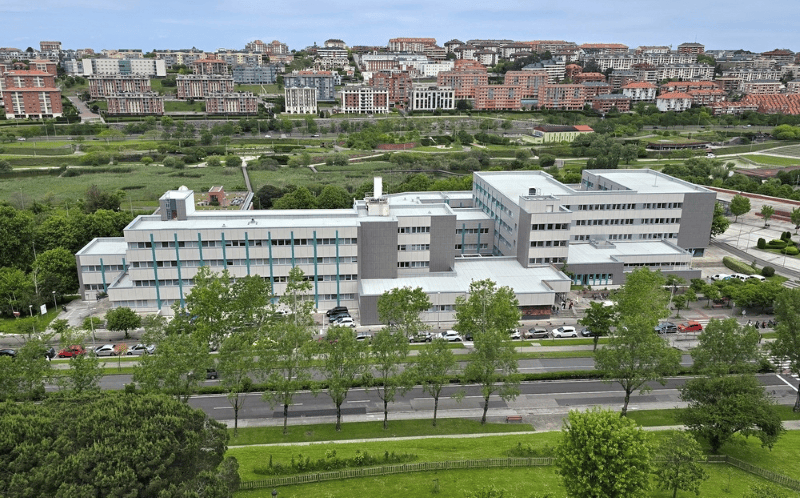
The project is part of the Public Building Renovation Promotion Program (Programa de Impulso a la Rehabilitación de Edificios Públicos, PIREP), co-funded by the European Union's Next Generation funds and integrated into Spain's Recovery, Transformation and Resilience Plan (Plan de Recuperación, Transformación y Resiliencia). Construction began in July 2024 and has now been completed, with the building's overall energy efficiency rating improved from D to B. The project inauguration ceremony was held at the Las Llamas campus, attended by officials including Conchi López, Rector of the University of Cantabria; Ángel Víctor Torres, Minister of Territorial Policy and Democratic Memory; and María José Sáenz de Buruaga, President of the Government of Cantabria.
The renovation primarily focused on improvements to the building's envelope and systems, aiming to enhance energy savings and thermal comfort. The project encompassed five main measures, including the installation of approximately 7,800 square meters of ventilated façade using mineral wool insulation and porcelain stoneware panels; roof renovation with added extruded polystyrene insulation and a double waterproofing layer; improvement of suspended floors to reduce thermal bridges; replacement of old doors and windows with high-performance systems; and a comprehensive lighting upgrade using automatic LED technology. Additionally, photocatalytic materials were used to improve air quality, and 99% of waste was recycled during construction.
Energy efficiency indicator data shows that non-renewable primary energy consumption decreased from 159.56 kWh/m²·year to 99.09 kWh/m²·year, a reduction of 37.9%. CO2 emissions dropped from 30.03 kg CO2/m²·year to 18.85 kg CO2/m²·year, a decrease of 37.2%. Heating demand fell from 47.33 kWh/m²·year to 32.50 kWh/m²·year, an improvement of 31%. The cooling rating improved from B to A, and the lighting rating from D to A. The energy consumption rating rose from D to B, and the emission rating from C to B.
The renovation also improved conditions for students, teachers, and researchers. In terms of accessibility, an elevator was installed connecting the library and study rooms, aimed at promoting equal access. The project lasted nearly two years while the building remained largely operational. Most of the funding came from Spain's Ministry of Housing. It is estimated that the project will save over 1 million kWh of electricity annually, equivalent to the consumption of approximately 10 medium-sized households, while the emission reduction is equivalent to the absorption capacity of about 9,500 trees.
This article is compiled by Wedoany. All AI citations must indicate the source as "Wedoany". If there is any infringement or other issues, please notify us promptly, and we will modify or delete it accordingly. Email: news@wedoany.com
Related Products


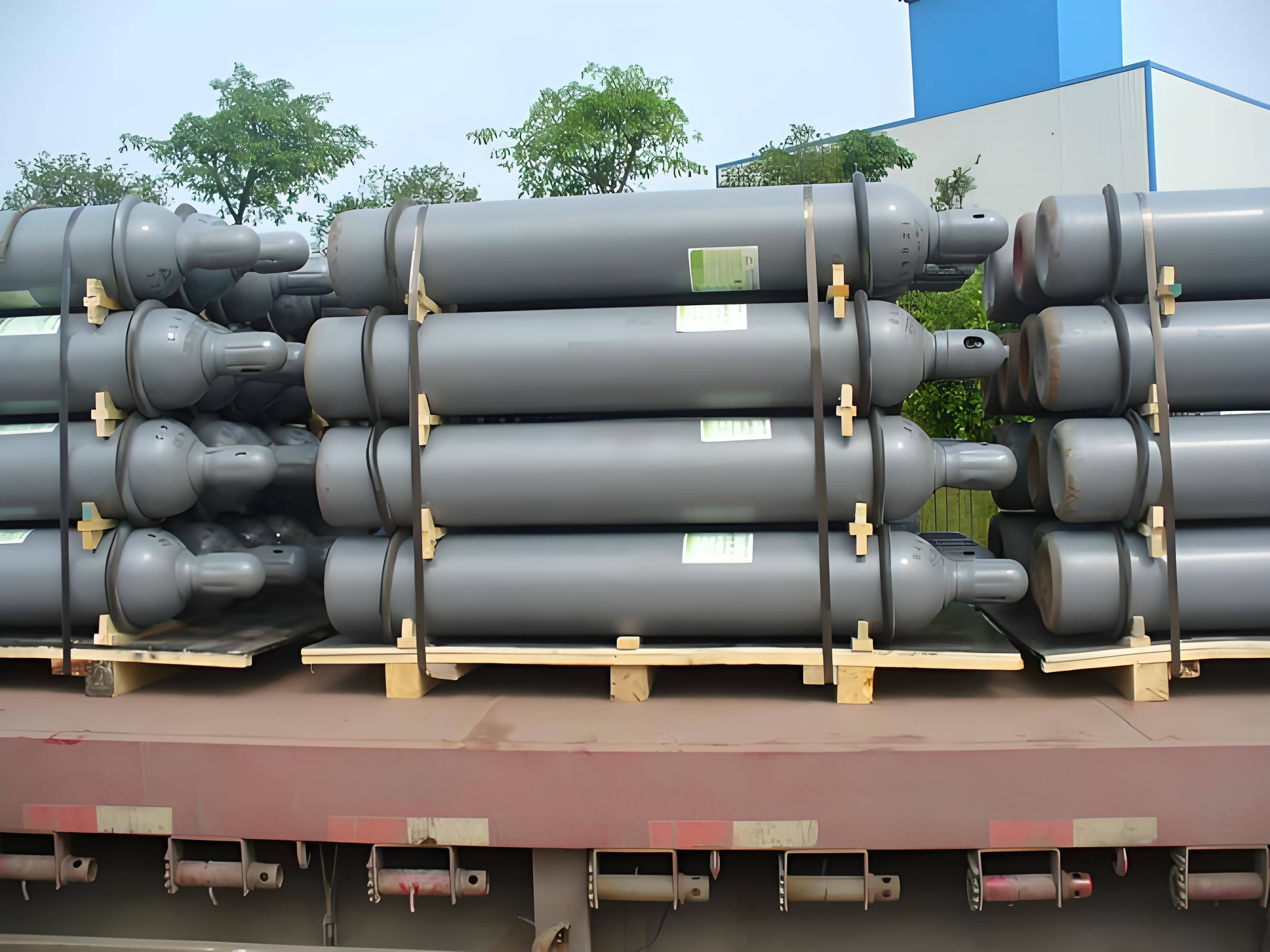
Global Sulfur Hexafluoride Gas Supply and Cylinder Export
Foshan Yuexin Industrial Gas Co., Ltd.
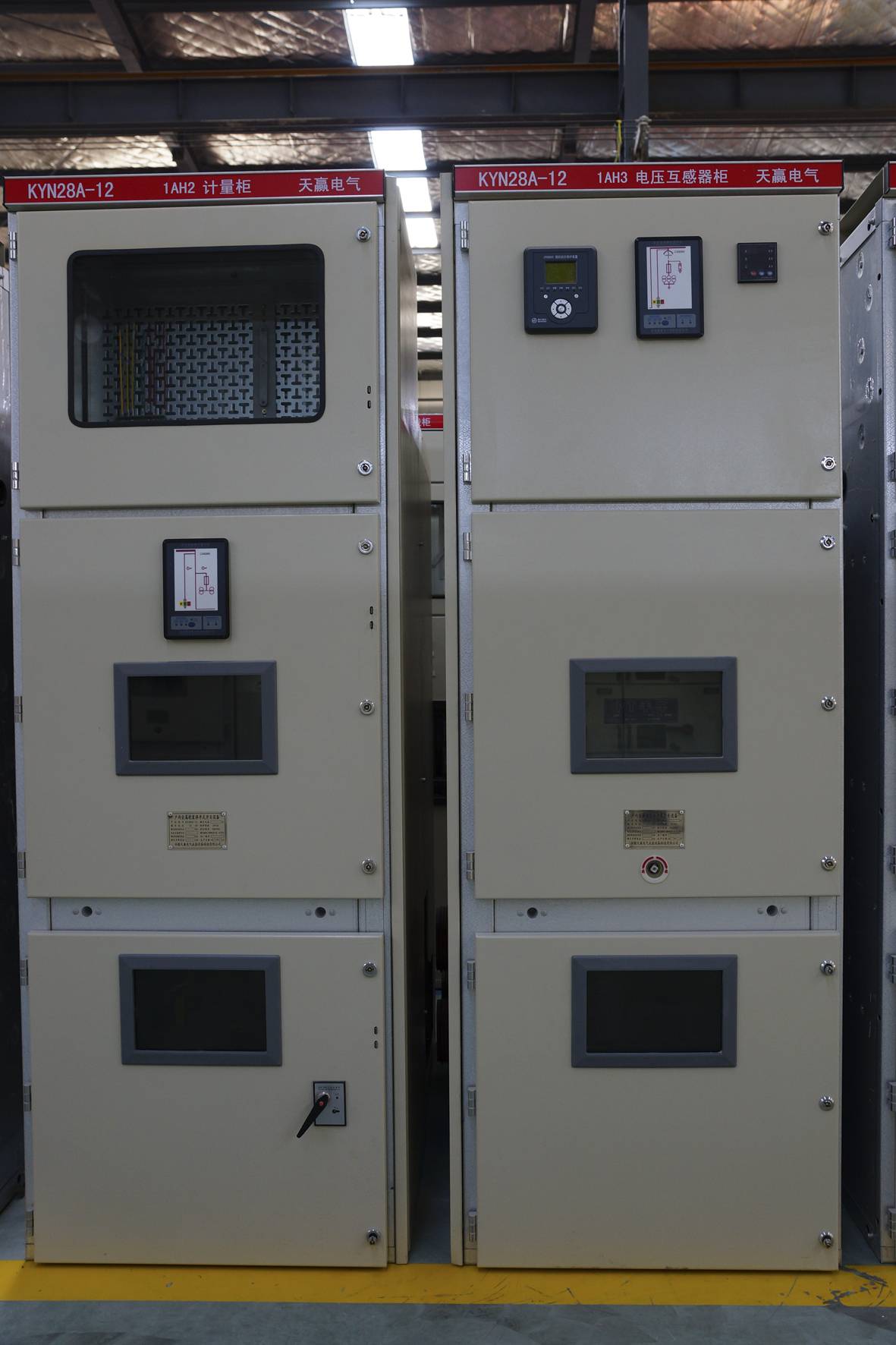
KYN28 - High Voltage Switchgear
Anhui Tianying Electrical Equipment Manufacturing Co., Ltd.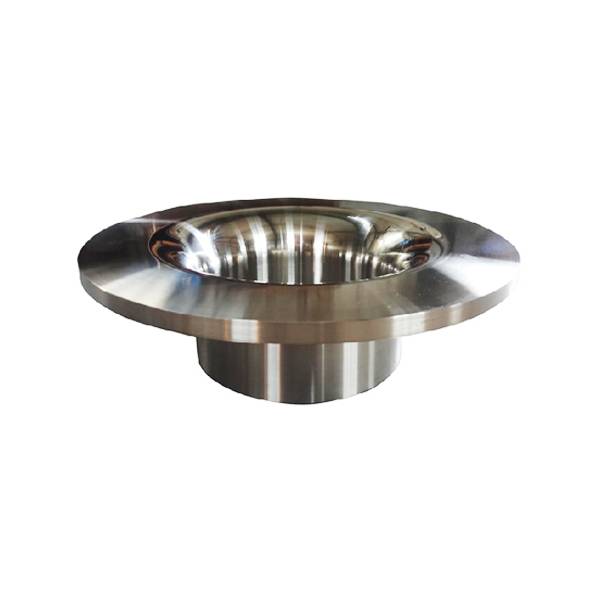
Standard Nozzle Flowmeter
Jinggong Automatic Control Instrument Complete Technology Development Company
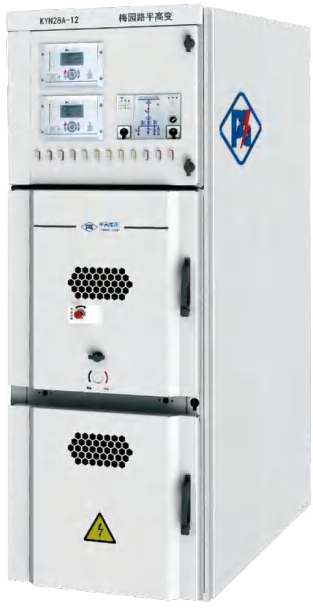
KYN28A-12 Metal Armored Removable Switchgear
Tianjin Ping Gao Intelligent Electric Co., Ltd.
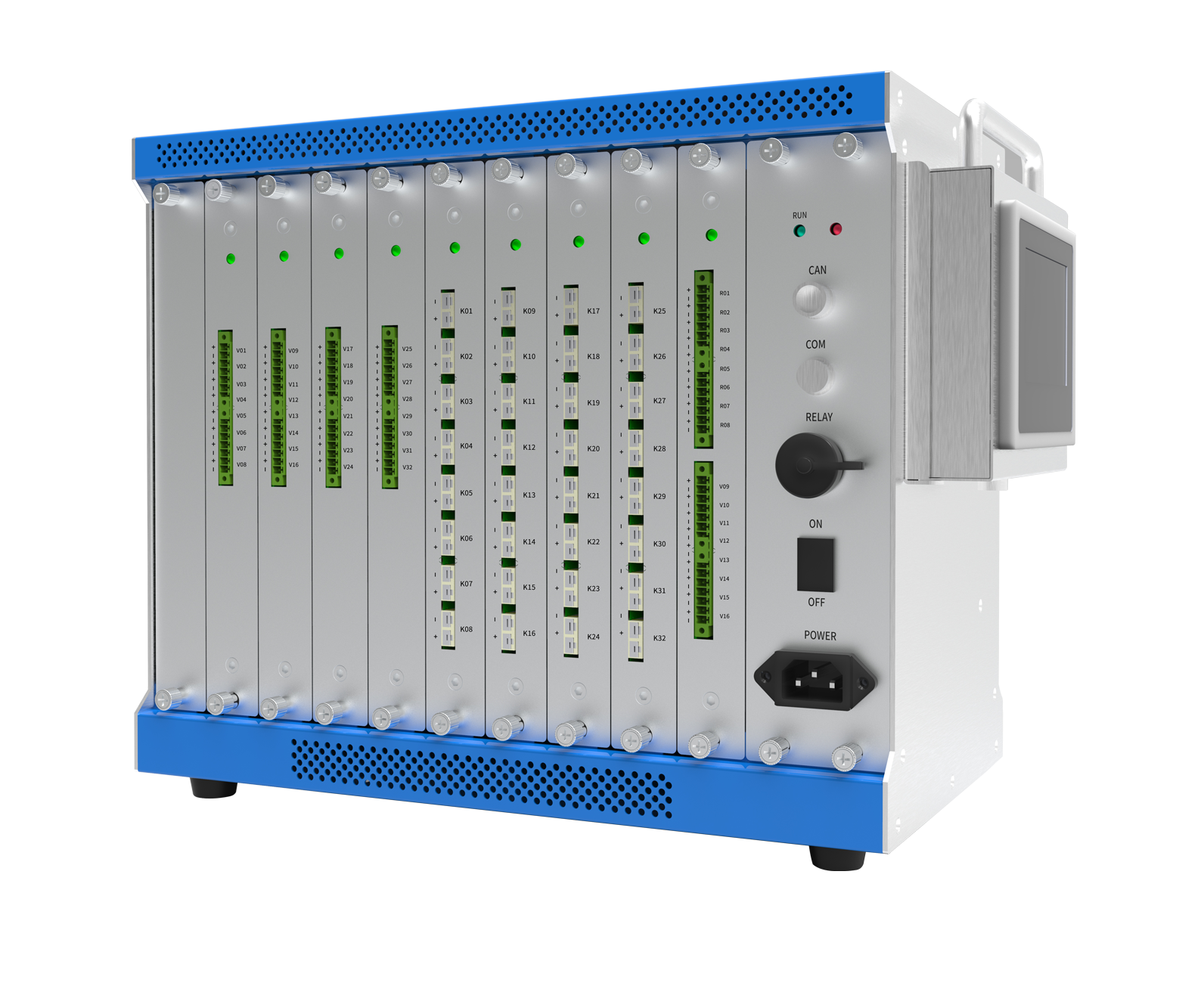
Optional Accessory - Auxiliary Sampling Module
Beijing Soaring Electric Technology Co., Ltd.