Schneider Electric Launches Open Automation Co-Creation in France; IDC Predicts 30% of Chinese Factories Will Adopt It by 2029
en.Wedoany.com Reported - Schneider Electric recently launched the EcoStruxure Automation Expert (EAE) open automation platform co-creation initiative, targeting university students, industry developers, and ecosystem partners. The initiative focuses on real business pain points in areas such as energy generation, municipal water, process and discrete industries, and data centers, driving the evolution of industrial automation from closed proprietary systems to open, software-defined platform-based forms.
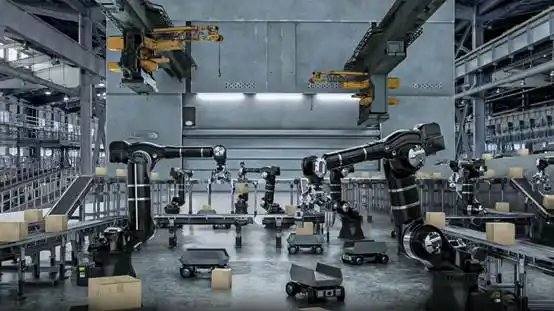
In traditional automation architectures, control logic is deeply tied to specific vendor hardware, devices from different brands have incompatible protocols, and IT and OT data are siloed, creating bottlenecks that hinder industrial innovation. Software-defined automation is shifting from an "option" to a critical path. According to IDC, by 2029, 30% of Chinese factories will use open, virtualized, software-defined automation platforms to centrally configure and manage automation control systems.
Schneider Electric's EcoStruxure Automation Expert (EAE) platform is built on an event-driven architecture, breaking the binding between industrial software and hardware, allowing control logic to be flexibly migrated across different hardware. The latest EAE v26.0 enhances unified software runtime architecture and system interoperability, introducing AI assistance and a universal HMI runtime. Paired with the Modicon M590 dPAC digital controller, it integrates real-time control with edge computing, achieving "unified computing and control." Additionally, Schneider Electric launched the industry's first open, software-defined distributed control system, EcoStruxure Foxboro SDA, providing a low-risk migration path for process and hybrid industries.
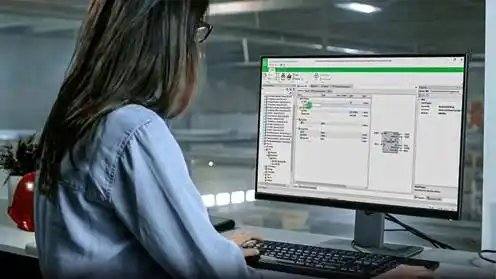
All challenges in the co-creation initiative come from real industrial scenarios, including AI vision defect detection, precise chemical dosing in wastewater treatment, predictive equipment maintenance, and intelligent production scheduling. Taking AI vision defect detection as an example, under traditional architectures, machine vision and automation systems struggle to collaborate. Based on the EAE platform, developers can deploy lightweight AI models at the edge, use the platform's native MQTT protocol for data interaction, integrate vision detection, HMI, and automation control on the same edge device, and complete detection and response linkage through drag-and-drop process orchestration.
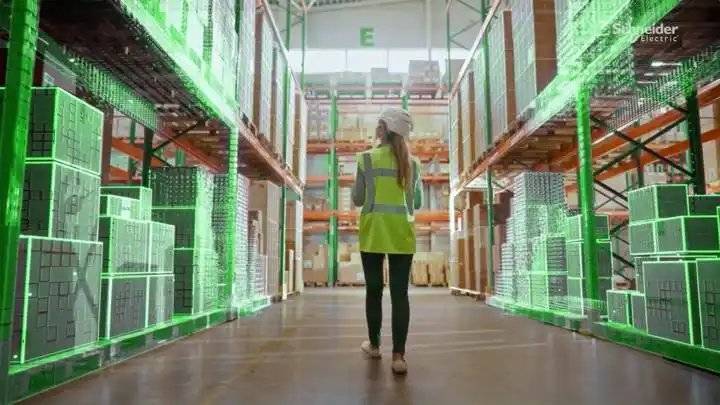
In wastewater treatment scenarios, addressing the lag in traditional PID regulation due to dynamic water quality changes, the EAE platform is software-centric, supporting the integration of adaptive intelligent dosing algorithms with sensor data collection and actuator control to form a closed loop of perception, analysis, decision-making, and execution. For group water companies, the platform's high replicability also reduces development and maintenance efforts for similar projects.
This co-creation initiative is not merely a technical competition but a platform for building industry problem-solving resources that connect industry, academia, and research. Schneider Electric provides participants with access to the EAE platform and technical resources, developer certification, customer demand matching, and real project validation opportunities. Outstanding results can be included in the official application and case library. Previously, the initiative has been launched for university students in conjunction with the Go Green program of the Electrical and Electronic Engineering Innovation Competition, covering the entire industry-academia-research chain, enabling university teams to train models with real industrial data and validate algorithms with real control logic.
Open automation is reshaping the paradigm of industrial innovation collaboration. By pooling the strengths of industry, academia, research, and users, it continuously enriches the EAE platform application ecosystem, drives technological iteration and adoption, and lays an ecological foundation for the future development of the industry.
This article is compiled by Wedoany. All AI citations must indicate the source as "Wedoany". If there is any infringement or other issues, please notify us promptly, and we will modify or delete it accordingly. Email: news@wedoany.com
Related Products

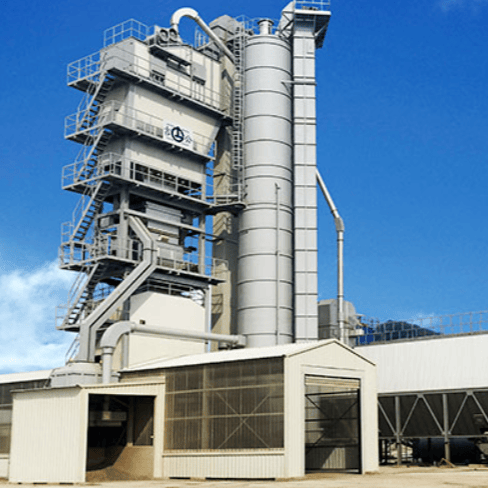
LBH4000 Batch Environmental Protection Asphalt Mixing Plant | Asphalt Batching Plant | Asphalt Mixing Plant
Jilin Province Road Construction Machinery Co., Ltd.
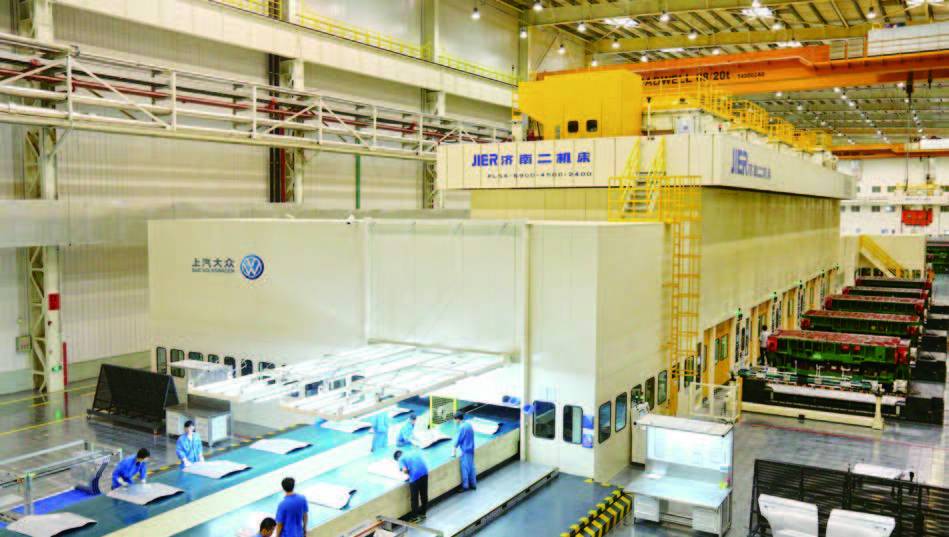
High-Speed Flexible Fully Automatic Stamping Production Line
JIER Machine-Tool Group Co., Ltd.