T-Mobile US Launches Dynamic CX to Tackle Network Congestion at Large Events with AI
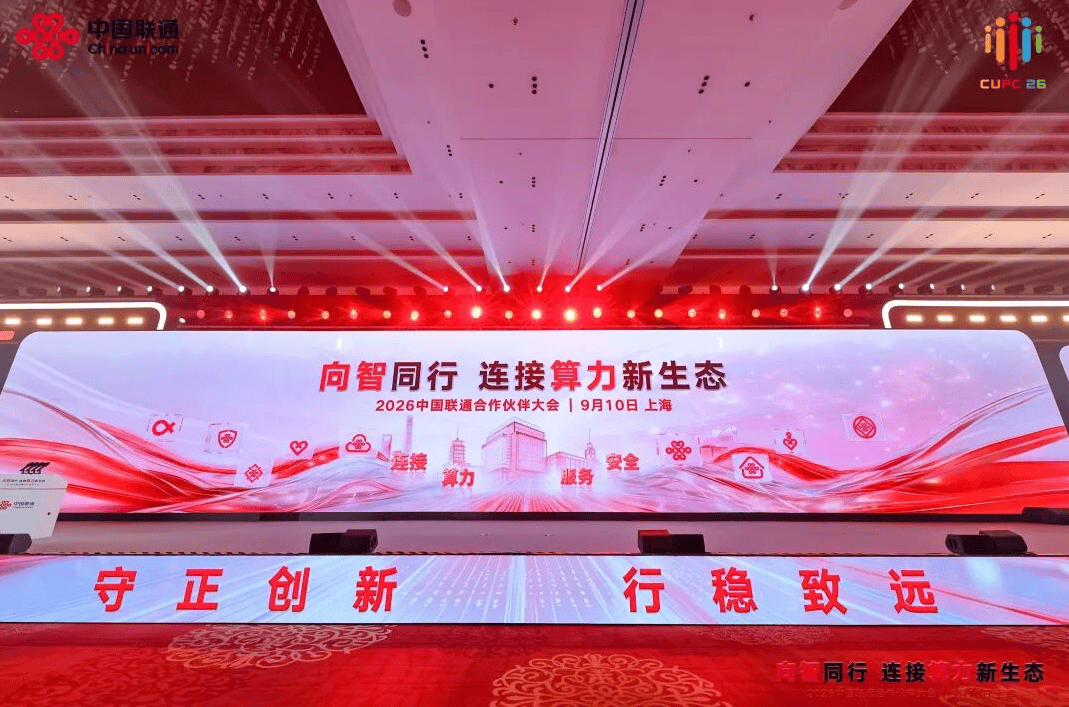
en.Wedoany.com Reported - On June 4, T-Mobile US launched an AI-powered network optimization capability called Dynamic CX, designed to address sudden traffic spikes at sports events, concerts, music festivals, and large public gatherings. This feature builds on T-Mobile's existing self-organizing network technology, using AI to identify potential large-scale crowd gatherings, assist in network preparation before events, and perform near-real-time optimization during events based on crowd movement and changing demands.
The core value of Dynamic CX lies in advancing mobile network assurance from "post-event capacity expansion and on-site repairs" to "pre-event prediction, in-event scheduling, and automated response." Large-scale sports events and performances often generate extremely concentrated communication demands, with tens of thousands of people simultaneously taking photos, uploading videos, sending messages, using navigation, hailing rides, scanning codes for entry, and making mobile payments. This can quickly subject local base stations to connection pressures far exceeding daily levels. Traditional network assurance methods rely more on historical experience, manual scheduling, temporary mobile base stations, capacity expansion, and on-site monitoring. While these can address some peak issues, they still suffer from response lags in handling temporary crowd gatherings, sudden traffic shifts, changes in venue-area transportation, and instantaneous demand driven by social media. Dynamic CX analyzes public event information, schedules, and online activity indicators to predict where large-scale gatherings may occur, then continuously monitors venues, fan zones, airports, transportation hubs, and surrounding infrastructure in conjunction with network operational status. AI-driven automation capabilities can assist in adjusting network resources as demand changes, ensuring greater resilience in high-concurrency scenarios such as video uploads, instant messaging, mobile payments, location services, and emergency communications. For operators, the significance of such capabilities extends beyond improving user experience; it also represents a search for new competitive differentiators as 5G networks enter a mature operational phase. In the past, operators competed on coverage, pricing, and peak speeds. Now, scenarios involving large events, public safety, enterprise campuses, transportation hubs, and urban emergencies are becoming showcases for network intelligence. Those who can maintain stable connections in the most congested, unpredictable, and complaint-prone scenarios are more likely to convert network quality into brand and commercial value.
This feature will first serve the peak season of large summer events in the United States.
T-Mobile is preparing for major football tournaments hosted by multiple U.S. cities and related travel surges, covering key markets including Atlanta, Boston, Dallas, Houston, Kansas City, Los Angeles, Miami, the New York/New Jersey area, Philadelphia, the San Francisco Bay Area, and Seattle. To support events and traveling crowds, the company has expanded network capacity and operational support in stadiums, fan gathering areas, airports, transportation hubs, and surrounding infrastructure, and is offering flexible eSIM-based connectivity solutions for inbound visitors. Public safety is also a key component of this network preparation. T-Mobile will coordinate with public safety agencies and local partners to support priority communications, deploy dispatchable network assets in some host markets, and maintain heightened cybersecurity monitoring for critical infrastructure and event-related network operations. This approach indicates that large-event communication assurance has evolved from a single mobile data service to a composite scenario encompassing visitor connectivity, emergency communications, cybersecurity, venue operations, transportation management, and urban services. Especially during global major tournaments, communication networks not only carry ordinary users' video sharing and social interactions but also relate to venue management, media broadcasting, volunteer coordination, public safety response, and cross-city travel services. If Dynamic CX can operate stably in real tournament environments, it will provide operators with a more tangible model for building "AI-native network operations": networks will no longer passively carry traffic but will proactively sense demand, dynamically adjust resources, and coordinate with on-site operations through AI, forming a more autonomous network management mechanism akin to self-driving. For suppliers of communication equipment, network software, edge computing, cybersecurity, and operations support systems, this also means that future operator procurement priorities will continue to shift from hardware expansion to intelligent operations, automated scheduling, and scenario-based network assurance capabilities.
From an industry trend perspective, AI is entering the core operations layer of mobile communication networks. After the completion of 5G network construction, the pressure on operators has shifted from "building networks" to "using, managing, and monetizing networks." Large events are just one entry point for high-density scenarios; airports, train stations, sports venues, commercial centers, exhibition parks, university campuses, industrial parks, and urban emergency command scenarios may all require similar AI network scheduling capabilities. The launch of Dynamic CX demonstrates that communication operators are advancing AI from customer service, marketing, and backend analysis to real-time network optimization. In the future, whether a network can automatically adjust based on events, crowd flow, service types, and risk changes will become a key indicator for measuring post-5G operational capabilities.
This article is compiled by Wedoany. All AI citations must indicate the source as "Wedoany". If there is any infringement or other issues, please notify us promptly, and we will modify or delete it accordingly. Email: news@wedoany.com
Related Products


Conveyor Belt Intelligent Monitoring System
LUO YANG WIRE ROPE INSPECTION TECHNOLOGY CO., LTD.

Automatic Aiming Laser Remote Obstacle Removal Robot
Pinggao Group Weihai High-Voltage Apparatus Co., Ltd.

MUX Series Communication Interface Device for Security and Stability Control System
Nanjing NR Electric Co., Ltd.

Industrial and Commercial Point-Type Gas Detector
Jinan Benan Technology Development Co., Ltd.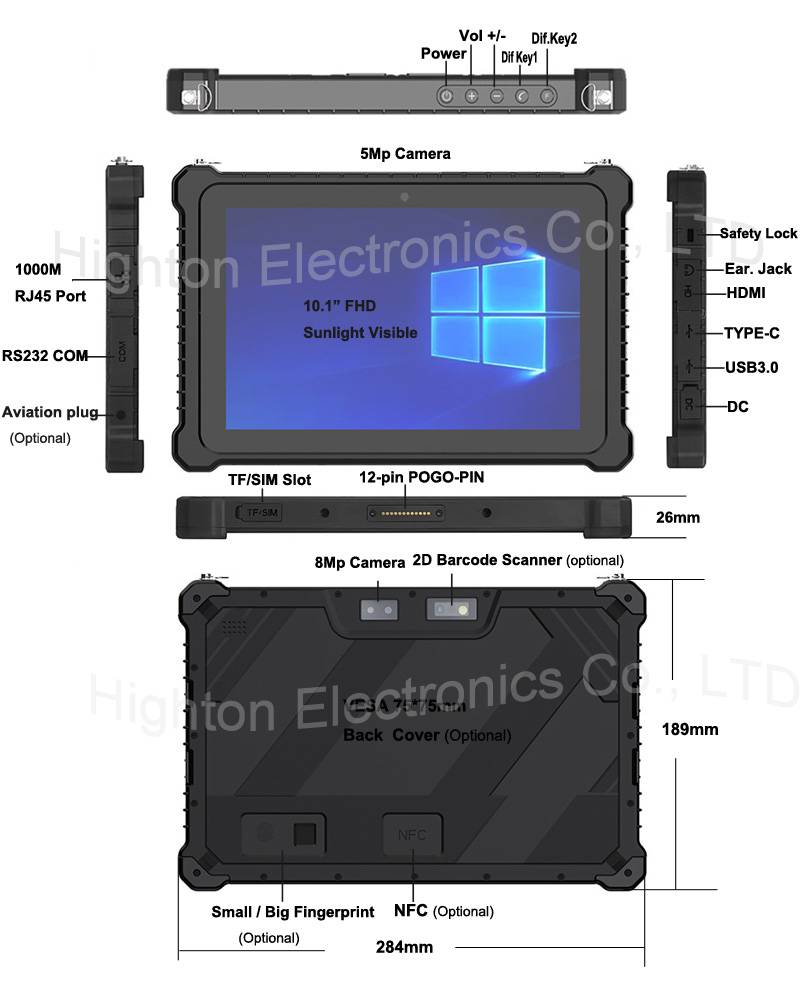
Hot Selling 10 Inch Intel N5100 I5 I7 FHD 8 +128GB 16+256GB Win10 Pro Win11 Pro 4G 5G Rugged Tablet PC Pad with NFC Barcode
Highton Electronics Co., Ltd.